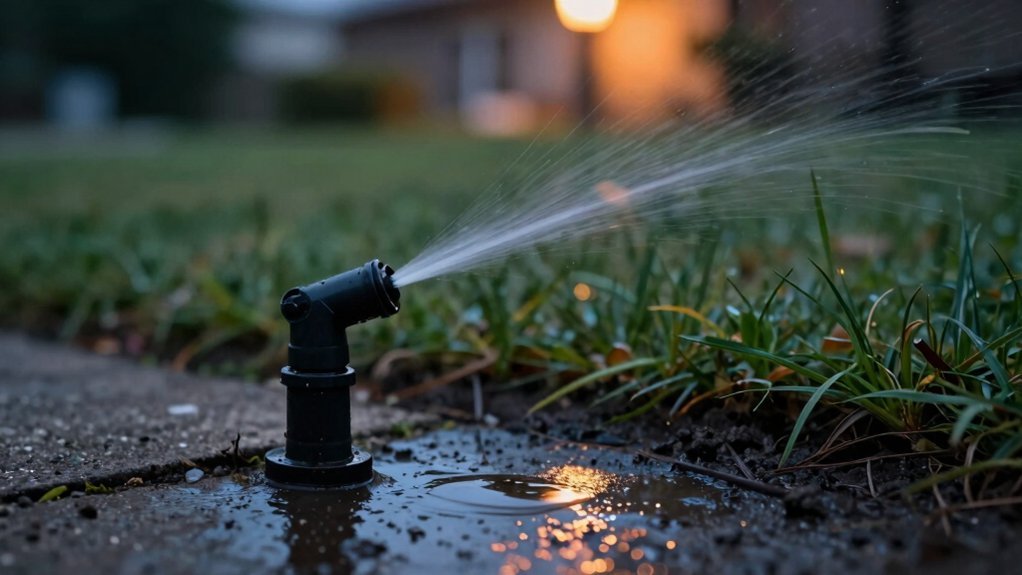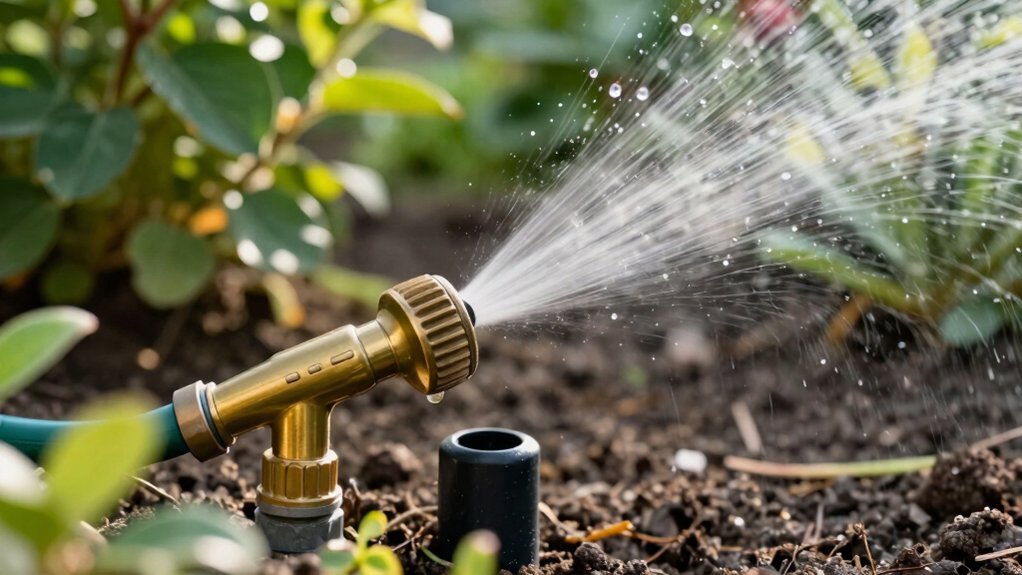
Yes, a sprinkler can noticeably raise your water bill—typically by 20‑30 % if you run each zone a few minutes longer, because a standard head uses 12‑30 gallons per minute and even small leaks or pressure problems quickly multiply usage. A quarter‑acre lawn needs about 6,788 gallons per inch of water, so an extra inch per week can cost $170 or more. Sewer fees often double those charges, and hidden leaks can add thousands of gallons. Keep reading to see how to quantify and curb those costs.
Does a Sprinkler System Raise Your Water Bill?
A single broken sprinkler head can waste hundreds of gallons daily, and a small underground leak can drain thousands each month, instantly inflating your water bill. You’ll notice spikes when water pressure issues force heads to spray unevenly, and automatic timer malfunctions add minutes unintentionally. A zone test isolates gushers; a visual sweep spots pooling. Over‑watering by just a few minutes per zone can raise your bill 20–30 %. Power outages often reset schedules, causing runs at peak evaporation. Mismatched heads or misaligned zones further waste flow. By checking the meter with all taps off, comparing monthly usage, and fixing leaks promptly, you can cut $150‑$300 from a quarter‑acre lot’s bill. Precise scheduling and regular maintenance keep costs under control. Leaking valves also contribute significantly to unnecessary water usage. Proper valve design and water resistance are crucial to prevent moisture damage. Regularly inspect and replace worn O‑rings to maintain a watertight seal. Clogged nozzles can also cause uneven spray and increase water consumption.
How Much Water Do Typical Sprinklers Use Per Minute?
Water‑waste spikes from broken heads or leaks show why knowing the exact flow rate matters, and typical residential sprinklers consume 12‑30 gpm depending on head type and size. A single zone with multiple heads averages 15‑20 gpm; a pop‑up station runs about 16 gpm. Count heads, multiply by their per‑head gpm, and you get zone flow. Four‑zone systems total 48‑60 gpm, while eight‑zone layouts reach 120‑160 gpm. Your meter’s 30 gpm ceiling limits peak demand, so oversized zones waste water. For sprinkler water efficiency, record meter readings before and after a timed run, subtract to find total gallons, then divide by minutes to verify per‑minute usage. Follow sprinkler maintenance recommendations—inspect heads, tighten fittings, and replace leaks—to keep flow within expected ranges. Understanding the system’s components helps prevent excess consumption. Properly sizing zones ensures balanced water distribution across the landscape. Designing zones based on plant water needs can further reduce waste.
How to Calculate Your Sprinkler Water Bill for a Quarter‑Acre Lawn?
Most homeowners can estimate a quarter‑acre lawn’s irrigation cost by converting area to gallons, applying the weekly usage rate, and then scaling to the billing period. Multiply 10,890 sq ft by 0.623 to get 6,788 gal per inch of water, then assume one inch weekly. Weekly cost = 6,788 gal × $0.025 ≈ $169.70; monthly cost ≈ $169.70 × 4 = $678.80. Adjust for seasonal water usage adjustments by subtracting rainfall equivalents and by consulting soil moisture monitoring data; a drier soil may require the full 6,788 gal, while a moist soil can cut usage 10‑30 %. Finally, divide the quarterly total by 1,000, multiply by your local rate per 1,000 gal, and add any municipal surcharge. This yields a precise, data‑driven quarterly bill. The quarter‑acre lot uses 6,788 gallons for one inch of water. Understanding sprinkler head flow helps ensure the system meets demand without waste. Hose diameter also influences the delivery capacity and should be matched to the required flow rate. Selecting a hose with a 5/8 inch diameter can support higher flow rates for larger lawns.
Why Do Sewer Fees Sneak Into Your Sprinkler Water Bill?
Because municipalities base sewer fees on total metered water intake, every gallon you send through your sprinkler shows up as a billable unit—even though that water never reaches the sewer. Your meter records irrigation as if it were indoor use, so the utility applies the standard sewer rate, typically 1.5–2 × the water charge. Seasonal adjustments amplify this effect: summer sprinkler spikes raise the annual baseline, while winter usage often sets the sewer fee. Without a dedicated irrigation meter, you receive no sewer exemptions, and the extra volume inflates your bill by $1.50–$2.00 per gallon. A secondary sprinkler meter or utility request can isolate outdoor water, preventing double‑penalty charges and keeping your sewer fee aligned with actual wastewater flow. Installing a backflow preventer protects the potable water supply while also ensuring accurate metering for irrigation. Proper backflow protection is essential to prevent contaminated irrigation water from re‑entering the domestic supply. Backflow preventers are typically installed near the water main or at the point where the irrigation line connects to the household supply.
How Can You Spot Leak‑Related Bill Spikes Early?
A single unnoticed drip can add up to hundreds of gallons a month, so the moment you see a sudden jump in your water bill, start a systematic leak audit. Turn off every faucet, appliance, and sprinkler, then watch the slow water meter for any movement over a 2‑hour window; any spin signals a hidden leak. Conduct a toilet dye test—color in the tank, wait 30 minutes, and check the bowl; a colored leak points to a faulty flapper or fill valve, the top cause of bill spikes. Inspect appliances and the water heater for damp spots, corrosion, or pooling water. Listen for running sounds with all taps off, and examine outdoor bibs and irrigation lines for wet patches. Record monthly usage trends; a sudden rise often flags pipeline leaks before they cost you hundreds. Faulty valve issues can also cause leaks even when the system is turned off. Consider checking for uneven watering patterns, as they often reveal a failing sprinkler valve. Regularly verify the sprinkler timer settings to ensure they haven’t been altered by a power glitch.
How Do Smart Controllers Lower Your Sprinkler Water Bill?
Smart controllers can slash your sprinkler bill by 30‑50 % because they continuously match water delivery to real‑time weather, soil moisture, and evapotranspiration data. They pull hyper‑local forecasts, temperature, humidity, wind and rain, then execute weather based scheduling that pauses cycles during storms and trims run times in cooler months. Soil moisture and ET sensors fine‑tune each zone, while flow sensors flag leaks instantly. The result is a 25‑30 % reduction versus traditional timers, translating to 9,000–15,000 gallons saved per home annually. Many utilities offer utility backed rebates for WaterSense‑certified controllers, cutting upfront costs. Combined with Wi‑Fi app control, you maintain compliance with local restrictions without manual adjustments, driving fast payback and lower monthly water bills. Modern systems also incorporate soil moisture sensors that prevent over‑watering by detecting when the ground is already saturated. Proper scheduling based on evapotranspiration rates further reduces unnecessary watering and promotes healthier plant growth. Efficient distribution ensures each zone receives the right amount of water, minimizing waste across the entire landscape.
How Does a Pressure‑Regulating Body Reduce Waste and Cost?
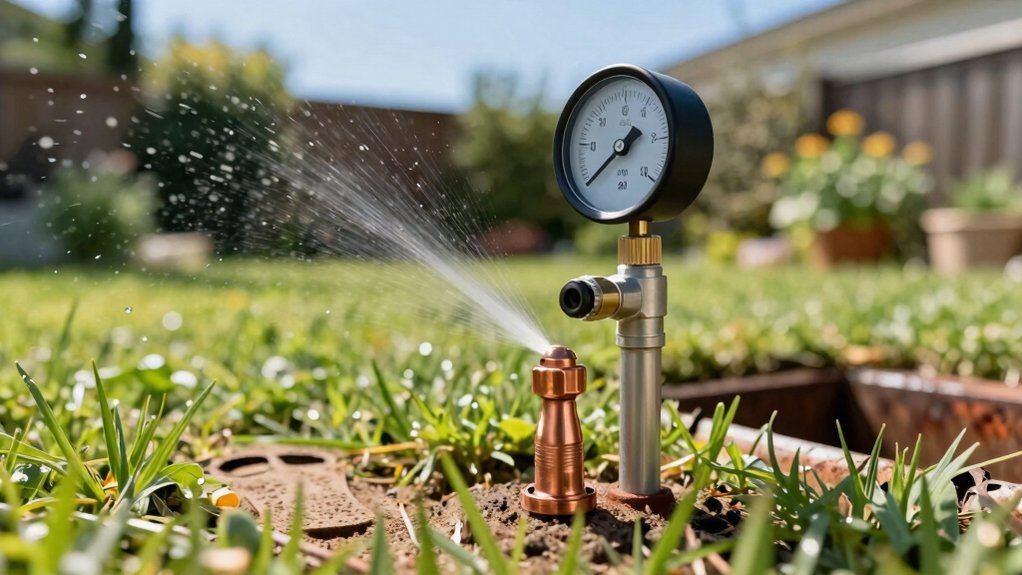
Smart controllers already cut your bill by matching watering to weather, but the next biggest gain comes from a pressure‑regulating body. A pressure‑reducing body drops inlet pressure to an ideal 30‑50 psi range, preventing the excess flow that causes leaks, bursts, and uneven spray. By keeping pressure steady, you eliminate over‑pressurized water that would otherwise run off into drains, reducing wastewater disposal fees. Data show a typical home saves up to 30 % on its water bill—about 5,600 gallons per year—when pressure is regulated, translating to over $60 in lower water and sewer costs. The device also lessens strain on pipes and appliances, extending their lifespan and cutting repair expenses. In short, pressure‑regulating bodies deliver measurable waste reduction and cost savings without sacrificing irrigation performance. Modern systems also benefit from nozzle design that optimizes spray patterns for uniform coverage. Implementing a smart rain sensor can further refine watering schedules by pausing irrigation during natural precipitation, enhancing overall efficiency.
How Do Secondary Meters Cut Sewer Fees on Your Sprinkler Bill?
Installing a secondary meter on your irrigation line instantly separates outdoor water use from indoor consumption, letting the utility bill you only for the water you actually use on your lawn. The meter records only sprinkler flow, and because irrigation water per soil rather than the sewer, the utility excludes it from sewer charges. Consequently, you create separate irrigation accounts that eliminate the 150‑200 % sewer surcharge attached to regular water use. Data from Rhode Island shows $300‑$800 annual savings; Houston owners see $60‑$100 monthly cuts during warm months. Sprinkler meter installation requires utility pre‑approval, a plumber‑branch, and a modest monthly read fee. After a 1‑2‑season payback, you stop paying sewer fees on the bulk of your summer water bill.
How Can Drought‑Tolerant Landscaping Trim Your Sprinkler Water Use?
You can slash your sprinkler’s water consumption by swapping thirsty lawns for drought‑tolerant landscaping, because native and water‑wise plants need far less supplemental irrigation. Drought tolerant plants such as succulents, cacti, creeping thyme, and sedges have deep roots and waxy leaves, cutting irrigation demand by up to 40 %. Pair them with drip irrigation or soaker hoses that target root zones, reducing runoff and evaporation. Apply 2–3 inches of organic mulch to retain moisture and suppress weeds, while compost‑enriched soil improves water‑holding capacity. Hydrozoning groups plants by water needs, allowing automatic controllers to schedule early‑morning watering only where required. These water conservation strategies collectively trim sprinkler use, saving thousands of gallons annually.
What Maintenance Checklist Keeps Your Sprinkler Water Bill Low?
When spring arrives, start with a thorough filter and head cleaning—soak each component in warm water with rust remover for 30 minutes, then rinse and lubricate with WD‑40—to eliminate blockages that waste gallons. Inspect pipes for winter damage, tighten leaks, and verify spray patterns with the tuna‑can test; adjust heads for precise sprinkler coverage efficiency. Program the controller: rotors 45‑60 min, sprays 15‑20 min per zone. Monthly, run each zone, note puddles or overspray, trim vegetation that blocks heads, and replace clogged or mismatched nozzles. Flush valves each fall, use pressure‑regulated heads, and keep head‑to‑head spacing at 80 % overlap. Review bill spikes, test rain sensors, and schedule an annual professional check. Consistent sprinkler system maintenance cuts waste and keeps your water bill low.