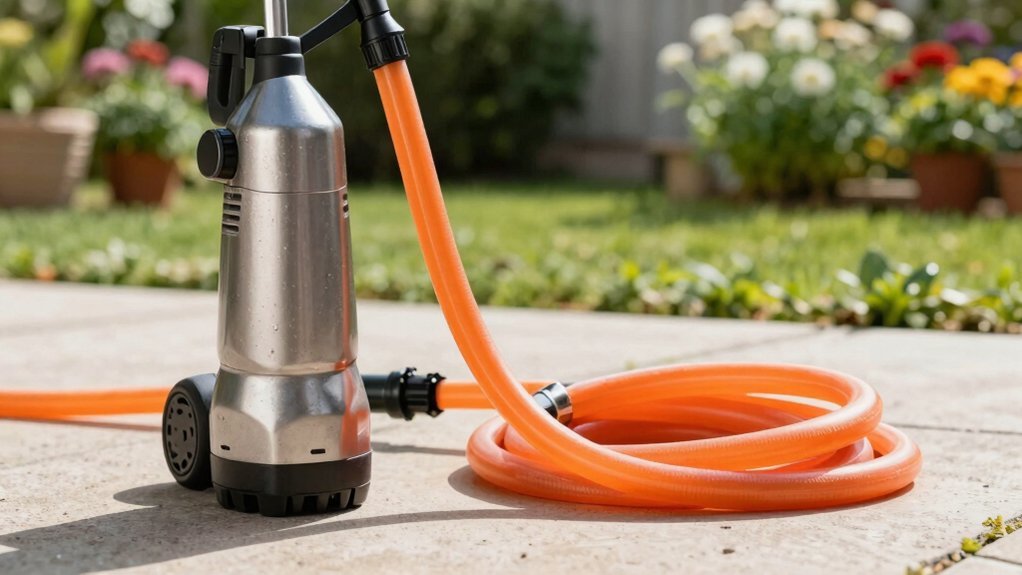
You need a backflow preventer on any garden hose that attaches to a potable‑water faucet because pressure spikes (backpressure) or sudden drops (backsiphonage) can pull contaminated water—like pool chemicals, soil, or fertilizer—into your drinking‑water supply. Most codes, including Phoenix Valley, Florida, Nashville, and Ohio, require a check valve or vacuum breaker on outdoor spigots and irrigation connections. Installing a hose‑mounted or dual‑check vacuum breaker with proper threading and regular annual inspections will keep your system safe; continue for details on the best types and maintenance steps.
How Does Backflow Occur When Using a Garden Hose?
When you connect a garden hose to a faucet, any drop in the supply pressure can reverse the flow, pulling water from the hose back into your home’s drinking‑water line. Backflow occurs through two mechanisms. Backpressure arises when downstream pressure—perhaps from a sprinkler pump or a submerged hose—exceeds the upstream supply, forcing non‑potable water into the potable line. Backsiphonage happens when a sudden pressure loss, caused by a main break or fire‑hydrant use, creates a vacuum that draws water up the hose. Garden hose contamination sources include pool water, pesticide‑laden spray, soapy runoff, and fertilizer solutions. Effective backflow prevention practices involve installing check valves, maintaining them free of debris, and ensuring proper venting to avoid pressure imbalances. Proper backflow preventers are required to protect public water supplies from contamination. Installing a cross‑connection control device on the hose faucet can further safeguard against accidental contamination. The double‑check valve is a common type of backflow preventer used in residential irrigation systems. A well‑designed sprinkler backflow preventer can also protect your water system by stopping contaminated water from flowing backward into the potable supply.

BACKFLOW PREVENTER: Vacuum breaker valve is designed to prevent the backflow of fluids back into the potable water system

【What do you get 】: 2 × Vacuum Breakers, 2 × Washers, 1 × Tape (About 350" long)

Package Includes: 2 × Vacuum Breakers, 2 × Washers. The vacuum breaker valve is specifically engineered to inhibit fluid backflow into the drinkable water system.
When Is a Backflow Preventer Required for Your Hose?
Backflow can turn a harmless garden‑hose task into a health hazard, so you must know exactly when a backflow preventer is mandated. In Phoenix Valley new homes, the code obliges a backflow valve on every outdoor faucet, and the Florida Building Code has required one on all residential irrigation since 1990. Nashville, Ohio municipalities such as Hyde Park and Montgomery also demand hose‑bib vacuum breakers for any outdoor spigot. You need a preventer whenever you connect pressurized hoses for pesticide sprayers, fertilizer applicators, or kiddie‑pool fills, because these activities create a direct contamination path. Even routine lawn watering, car washing, or pet bathing can trigger backflow if the hose material allows suction. Installing a certified device before the hose reduces water consumption impact by preventing polluted water from re‑entering the supply. Anti‑siphon valves are specifically designed to block reverse flow and are often required by code for irrigation systems that draw water from a municipal supply. Properly designed sprinkler head systems can also mitigate backflow risks by maintaining consistent pressure throughout the network. Fire sprinkler systems operate independently of these devices, focusing on extinguishing fires rather than preventing water contamination.
Which Vacuum Breaker Types Are Best for Residential Garden‑Hose Backflow Preventers?
Choosing the right vacuum‑breaker for your garden hose depends on installation ease, code compliance, and the level of protection you need. For most homeowners, a hose‑mounted vacuum breaker is ideal: it screws directly onto the bibb, costs $5‑$10, and meets code requirements when positioned six inches above ground. If you want greater hose‑connector flexibility, a hydrant‑mounted unit integrated into the faceplate works well, especially in new construction. Standard vacuum breakers provide basic protection, but for redundant backflow prevention you should select a dual‑check vacuum breaker, which houses two check valves in series. In colder climates, a self‑draining vacuum breaker—automatically emptying water when supply shuts off—adds freeze protection and reduces maintenance. Properly sealing the connection with plumber’s tape helps prevent leaks and ensures a secure fit. Understanding the thread type is essential because garden hose threads differ from NPT threads in pitch and sealing method. Most garden hoses use the common ¾‑inch garden hose thread which is not compatible with standard NPT fittings without an adapter.

Good Function: Our self draining vacuum breaker replacement has an anti siphon device with automatic drainage to prevent water from returning to the supply system when closed; Self draining hose suction valve, even if connected to the hose, can automatically drain water after the water is cut off to prevent ice formation in winter; Installing an automatic drain vacuum circuit breaker will provide you with good quality water

【Function】The Boltigen self-draining Lead Free hose bibb vacuum breaker will automatically drain as soon as the water is shut off, even when attached to a hose. Install the self-draining vacuum breaker will provide you with healthy potable water. Allows faucet to automatically drain upon shutoff to prevent freezing in winter.

Standard size: 3/4 inch thread fit most standard American hose. Drain hole is able to drain the remained water in the pipe.Please keep away from the product when turning off the water, remained water will be sprayed out.
How Do You Install and Maintain a Garden‑Hose Backflow Preventer?
Start by gathering the correct vacuum‑breaker type for your hose bib and confirming the faucet has no existing backflow device; you’ll attach the new preventer directly to the faucet head before any timer or additional fittings. Tighten the preventer with a wrench, ensuring a one‑inch gap between hose and nozzle for pressure relief. If a timer is present, install the preventer downstream of the timer to avoid constant pressure exposure. After installation, open the faucet to verify discharge from the relief valve, confirming pressure reduction. Follow proper winterization procedures by draining all water from the preventer and any exposed fittings before temperatures drop. Conduct annual maintenance requirements: inspect for cracks, test the relief valve, and reseal threads if corrosion appears. This routine preserves functionality and prevents failure. Ensures safe drinking water. Potable water used in sprinkler systems can become contaminated if backflow occurs. Stagnant water in a hose can foster biofilm growth, which may introduce harmful bacteria when the water is later consumed. Regularly test the sprinkler water for contaminants to ensure it meets local water quality standards.
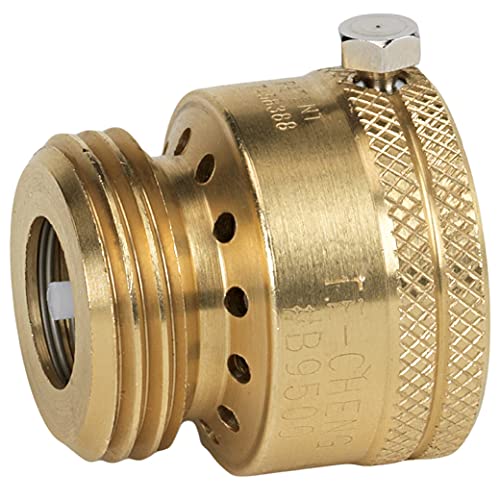
FUNCTIONALITY: Homewerks Vacuum Breaker will help prevent water backflow to the main water supply. 3/4-Inch self draining vacuum, breaker, Male hose thread

Prevent impure water from flowing in reverse and contaminating the clean water supply; Connect to the water source such as a hose bibb or faucet

Enough to Use: you will receive 2 pieces of 3/4" check valves, ensuring that you have a spare part on hand for replacement; During installation, pay attention to the arrow on the valve as it indicates the correct direction of water flow in and out
What Risks Arise If You Skip a Backflow Preventer and How Can You Avoid Them?
If you skip installing a backflow preventer on your garden hose, you expose your household to a cascade of hazards that can quickly become costly, illegal, and dangerous. Contaminated water can siphon back into the drinking supply, introducing pesticides, sewage, and chemicals that trigger gastrointestinal illness and skin infections. Municipal fines for non‑compliance rise rapidly, and utilities may suspend service, forcing expensive emergency repairs. Legal codes require annual testing and proper devices; violations can lead to property condemnation. To avoid these outcomes, install a hose‑bib vacuum breaker ($4‑$10) on every outdoor faucet, disconnect and drain hoses after use, and schedule routine inspections. Supporting public awareness campaigns reinforces community vigilance and reduces the costs of neglecting backflow prevention. Additionally, using waterproof conduit for any sprinkler wiring can further protect against moisture‑related corrosion and electrical hazards. Before you start any digging, remember to call 811 to have utilities mark underground lines and prevent accidental damage. Buildings larger than 5,000 sq ft often must meet fire sprinkler requirements under the International Building Code and NFPA 13, highlighting how size thresholds drive safety regulations.