If your sprinkler’s water flow becomes inconsistent, heads dribble or pool, and you hear repeated clicks or hissing, the valve is likely failing. Look for torn diaphragms, brittle O‑rings, corroded solenoid coils, or clogged pilot ports, especially after dirt buildup or electrical faults. Freezing can crack housings and force seals apart, so winterize and use freeze‑relief devices. Drain or blow out zones to clear debris, and replace worn parts before they drive up your water bill—continue for a step‑by‑step inspection guide.
How to Tell If a Sprinkler Valve Failure Is Happening?
What tells you a sprinkler valve is failing? You notice inconsistent water flow, dry patches, and dribbling from heads, indicating a partially opened valve. Check for leakage around the valve box; pooling water when the system is off signals a hidden leak that reduces pressure. Listen for repeated clicking or hissing, which points to intermittent solenoid malfunctions. Use a multimeter to verify voltage and continuity at the solenoid; a lack of reading confirms an electrical fault. Inspect wiring for schedule override issues that prevent the controller from closing the valve. Examine the plunger and spring for damage, and look for sediment or O‑ring wear that hinders sealing. When these symptoms appear, replace or repair the valve promptly to restore proper operation. If you hear a rattling noise when tapping the valve, it may indicate the plastic plunger is sitting in water. Worn seals can also cause slow leaks that are hard to detect without a thorough inspection. Understanding how the solenoid coil creates magnetic force to lift the plunger helps diagnose why a valve might stay partially open. A faulty flow sensor can also cause irregular watering patterns by misreading pressure levels.

Replacement solenoid for Rain Bird APAS, ASVF, ECV, CP, CPF model valves

For replacing solenoids which open and close 24V automatic irrigation valves

PREVENT WATER BACKFLOW - Our automatic anti-siphon valve with an atmospheric vacuum breaker protects your irrigation system and culinary system from water contamination.
Wear‑Related Symptoms to Look for on Sprinkler Valves
If you notice any irregularities in flow, pressure, or noise, you’re likely seeing wear‑related symptoms that signal a failing sprinkler valve. Inspect the diaphragm first; torn, deformed, or UV‑brittle diaphragms indicate age‑related chemical decay and will leak continuously. Check the solenoid coil for corrosion or burnout; a humming sound without valve movement proves electrical degradation and may require surge protection upgrades. Examine O‑rings and seals for brittleness or loss of flexibility—these components often fail after prolonged UV exposure and chemical attack, causing persistent leakage. Look for clogged screens or obstructed pilot ports that restrict flow and create slow operation. Finally, assess internal mechanisms for stiction or pressure‑spike damage; repeated water hammer can accelerate mechanical wear. Replace any compromised parts promptly to restore proper function. Ensure the valve housing is rated for water resistance to prevent moisture intrusion that can exacerbate these issues.
Common Causes of Sprinkler Valve Failure
The most frequent culprits behind sprinkler‑valve failure are dirt‑related clogging, electrical faults, diaphragm degradation, improper water pressure, and corrosion or mineral buildup. You should inspect pilot ports for sand, silt, mineral flakes, and organic detritus; these particles lodge in passages and block pressure equalization, causing slow or stuck operation. Check wiring for shorts, corroded connectors, and burned solenoids—any fault can prevent the valve from opening or cause a humming click. Examine diaphragms for UV wear, chemical damage, or debris punctures; a compromised diaphragm leaks continuously. Verify inlet pressure stays within design limits, as low pressure yields sluggish response and high pressure deforms seals, leading to water hammer. Finally, assess mineral buildup effects and corrosion damage impact on metal seats, gaskets, and solenoids; scaling and rust jam discs, impede sealing, and accelerate component failure. Regularly cleaning the system can remove accumulated debris that shortens valve life. Some irrigation designs may employ manual or mechanical valves in certain zones, especially where a solenoid valve is not required.
What Freezing Temperatures Do to Sprinkler Valves
Three main mechanisms threaten sprinkler valves when temperatures dip below freezing: water expands up to 9 % as it solidifies, the resulting pressure cracks polyethylene or PVC housings, and frozen pockets inside the valve force diaphragms and seals apart. You must eliminate water buildup before a cold snap; any residual pocket will freeze, creating internal pressure that cracks housings or tears seals. Extreme temperature swings accelerate fatigue, especially in exposed valve boxes lacking insulation. Drain or blow out zones with compressed air, then wrap each valve in foam covers or thermal pouches to maintain a minimum of 40°F. Install freeze‑relief devices on backflow preventers and keep lateral lines drained. Regularly inspect for hairline fractures, leaks, or stiffness after thaw to catch damage early. Proper winterization also includes blowing out the system to remove trapped water before it freezes. Adding a drain valve to each zone can further prevent water accumulation during unexpected freezes. Understanding the freeze‑damage thresholds helps schedule timely winterization before temperatures reach critical levels.
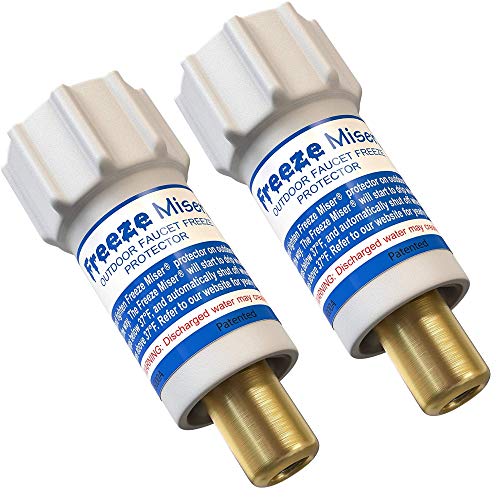
Patented Temperature-Activated Design – Automatically activates as water temperature drops below 37°F/3°C, releasing only minimal water to prevent faucets from freezing.

Patented Temperature-Activated Design – Automatically activates as water temperature drops below 37°F/3°C, releasing only minimal water to prevent faucets from freezing.

Save Costly Pipe Repairs: Every winter, many people complain that despite the time they spend wrapping towels and tape around their pipes, the pipes break and leak, and even cost a lot of money to repair. But with this backflow insulation cover, you don't have to spend so much money again. Don’t wait before it’s too late
How to Detect Clogs and Debris Sticking Valves
Spotting a clog starts with a quick visual sweep: look for water pooling around a valve or sprinkler head while the system is off, soggy patches in the yard despite dry weather, and dribbling or leaking heads that never fully shut off. Next, listen for hissing or gurgling noises and feel for a cold pipe or a thud when you tap the valve—these signs point to stubborn valve debris. Turn off the main line, remove the nozzle and filter, and rinse them under pressure. Disassemble the valve, inspect the diaphragm, disk, and seat for sand, pebbles, or sediment, and clear any material that blocks the seat. Finally, test zone pressure and flow; uneven spray or weak streams confirm a blockage, guiding effective sprinkler valve declogging. Check for low water pressure as it can exacerbate debris accumulation. Properly segmenting your landscape into sprinkler zones based on plant type, sun exposure, and soil conditions can also reduce uneven wear on valves.
Electrical Problems That Cause Sprinkler Valve Failure
Electrical problems often masquerade as dead zones, and pinpointing the exact cause—controller power failure, faulty solenoid coil, broken wiring, corrosion, or short circuit—lets you restore reliable operation without unnecessary replacement. First, verify controller voltage; readings below 20 V indicate a power failure or blown fuse, so replace the fuse or reset the breaker. Next, test solenoid resistance with a multimeter; values under 20 Ω or over 50 Ω reveal a faulty electrical component that must be swapped. Inspect all zone wires for cuts, rodent damage, or loss of continuity—use a wire tracker to locate breaks and splice with waterproof connectors. Clean corroded terminals, tighten splices, and eliminate shorts that cause voltage to drop from 26 V to 3 V when a valve engages. Addressing these issues stops intermittent valve failures and restores full system performance. Manual operation can be used to confirm the valve is mechanically sound before proceeding with electrical tests. Most sprinkler solenoids are polarity‑agnostic and will operate correctly regardless of wiring direction. Understanding standard vs proprietary solenoid designs helps ensure compatibility when replacements are needed. Selecting a solenoid with the correct thread size is essential for a secure fit and proper sealing.
How Leaking Sprinkler Valves Drive Up Your Water Bill
If a sprinkler valve leaks, you’ll see your water bill climb even though you haven’t changed your watering schedule. A dime‑sized underground leak can waste 6,300 gallons per month, effectively doubling typical household usage. Small leaks near a head lose 225 gallons in a 15‑minute cycle; running three times weekly adds roughly 3,000 gallons monthly and can raise your bill by $20 or more. Stuck valve malfunctions keep water flowing continuously, turning a minor defect into a constant drain. Corrosion related failure often creates tiny gaps that persist when the system is off, producing puddles and wet valve boxes. Monitor meter readings against billed usage, and treat any steady increase as a sign of hidden leakage before it pushes you into higher utility rates. Faulty valve seals can allow water to seep even when the system is shut off. Many modern sprinkler systems incorporate built‑in pressure regulators to maintain consistent flow and prevent excess wear. An anti‑siphon valve can also protect against backflow contamination, ensuring safe water quality.
Step‑by‑Step Valve Inspection and DIY Troubleshooting
A leaking valve can spike your water bill, so the next step is to verify whether the component itself is faulty. First, shut off the main water supply, locate the valve box, and identify the zone. Wear gloves, gather a screwdriver, multimeter, rags, and any replacement parts. Visually inspect for cracks, corrosion, and O‑ring wear; clear debris from the chamber. Activate the zone, listen for abnormal noises, and tap the valve to distinguish a solid thud from a watery one. Measure solenoid resistance (20‑60 Ω) and check controller voltage. If the solenoid fails, swap it with a known‑good unit to isolate the problem. Apply DIY valve troubleshooting tips: clean the diaphragm, reseat seals, and re‑test pressure. When repairs won’t restore function, evaluate valve replacement options. The valve typically features a transparent cover that lets you see the internal diaphragm or piston. Understanding the role of the pressure regulator helps ensure the system operates within optimal flow limits.

Better Compatibility: Compatible with DRKCP/CPF diaphragm repair kit, this 4 pack valve diaphragm replacement kit is compatible with Rain Bird CP, CPF, DV, DAS, ASVF and other series valves, providing a perfect fit

For repairing the valve and anti-siphon seals in manual anti-siphon valves

Replacement diaphragm for Orbit 100-series automatic 3/4-inch. (57100) and 1-inch. (57101) internal bleed valves, except Anti-Siphon.
Should You Repair or Replace a Faulty Sprinkler Valve?
Most homeowners find that a faulty sprinkler valve can be either repaired or replaced, and the decision hinges on three practical criteria: the condition of the valve body, the cost and effort of internal part swaps, and the presence of any structural damage that blocks access. First, inspect the housing for cracks, nicks, or broken pipe connections; an intact body lets you swap diaphragms, springs, tops, and solenoids without excavation. Second, calculate repair savings: internal replacement avoids cutting, glue, and manifold disruption, while spare solenoid parts provide future backup. Third, assess structural obstacles—mismatched parts, back‑to‑back valves, or solid obstructions demand full replacement. Follow proper cleaning methods before reassembly, and perform solenoid maintenance to guarantee reliable sealing and wiring. This prescriptive approach maximizes longevity while minimizing cost. Replacing all components can be quicker and more effective on older valves. Installing valves above ground can simplify maintenance and reduce soil corrosion risk, especially when using protective valve covers to shield them from weather exposure.

Replacement sprinkler valve/controller diaphragm kit

Designed specifically for Febco 765 1" and 1-1/4" vacuum breakers and backflow preventers, this kit meets upgraded OEM standards, ensuring a strong seal and long-lasting performance. Please verify your part number #905-212 before ordering.

Better Compatibility: replacement for 332100 valve diaphragm assembly, this Gulfmew diaphragm irrigation valve replacement is compatible with Hunter 3/4'' and 1'' PGV, PGV Jar Top, SRV, ASV, PRO-ASV, PGV-100G, PGV-101G, PGV-100A, and PGV-101A valves; Please verify your valve size and model before purchasing
Easy Maintenance Hacks to Keep Your Valves Working Longer
After weighing repair versus replacement, the next step is to keep the valve you’ve chosen in peak condition. Begin with basic valve tuning techniques: open each zone slowly, listen for continuous flow, and verify that backflow valves open gradually to avoid pressure surges. Perform simple solenoid cleaning tips by unscrewing the solenoid, rinsing the coil with a hose, and removing debris or insects from the box before reinstalling. Rinse bottom threads, roll a new O‑ring into the groove, and tighten nuts in a cross‑hatch pattern for even diaphragm seating. Test each zone after adjustments, run the system multiple times, and isolate any unused valves with PVC caps. These prescriptive steps extend valve life and maintain reliable irrigation. Identify the malfunctioning valve by listening for water flowing through the associated box.

The information below is per-pack only
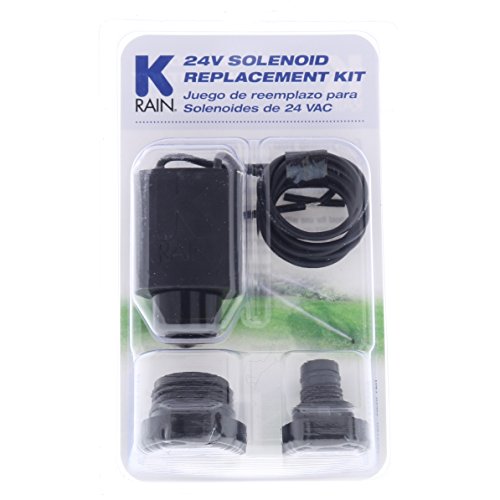
Authentic K-Rain Replacement Parts

BUILT FOR RELIABILITY, RATED TO 150 PSI: This Hunter PGV sprinkler valve is built to handle high-pressure systems with rugged, proven construction. Ideal for residential lawn zones and landscape irrigation.