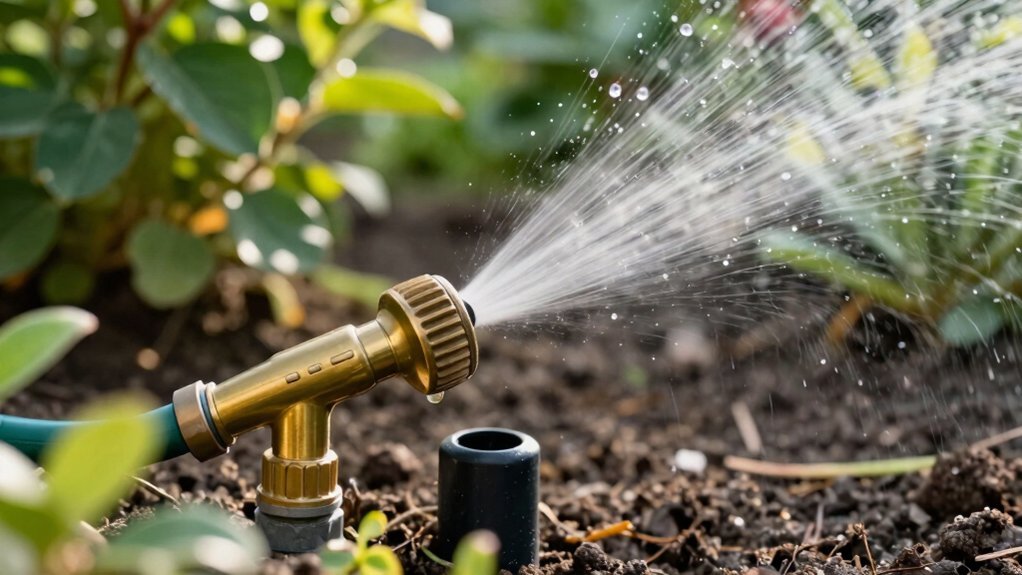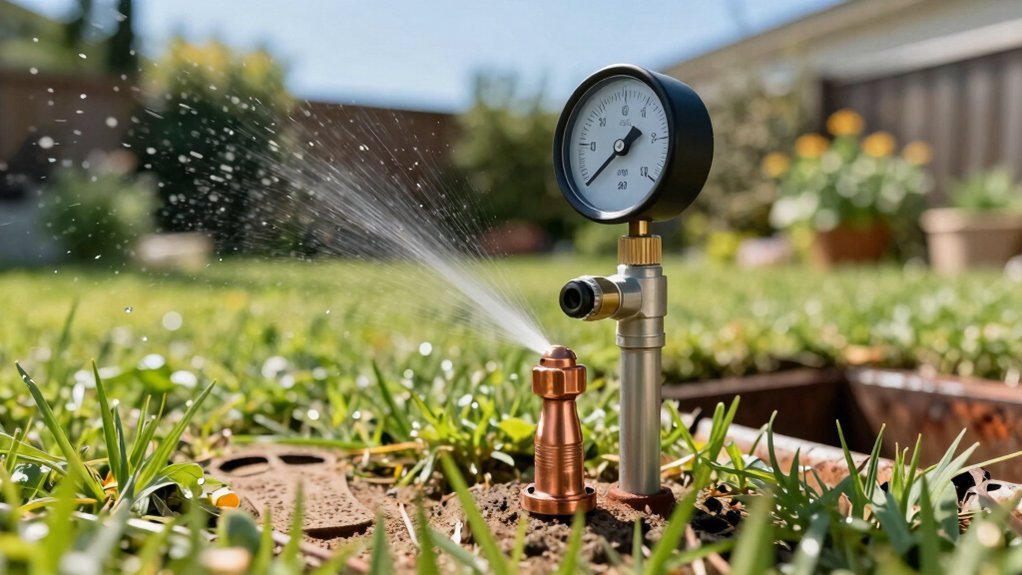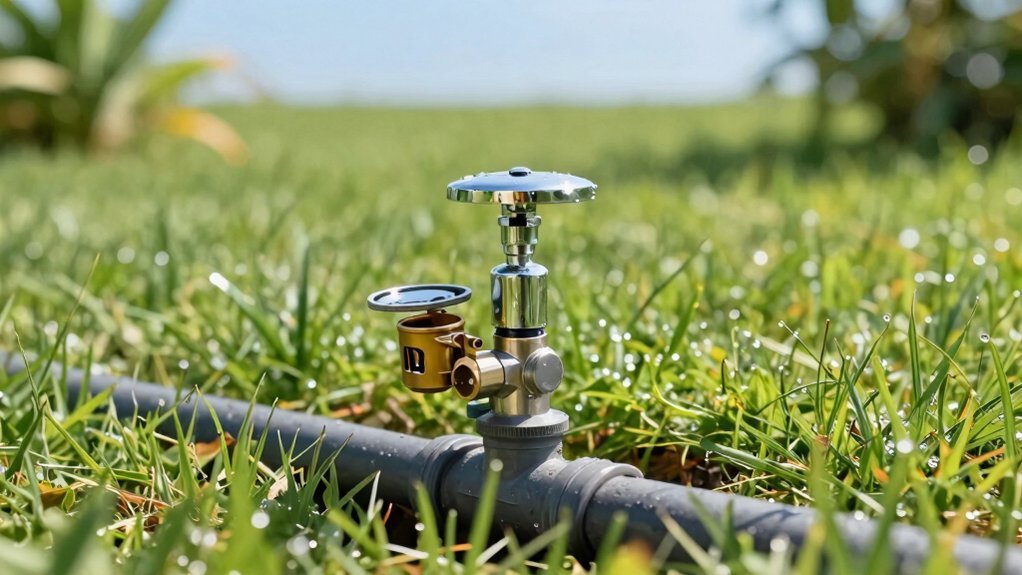
Yes, a sprinkler system can still leak when it’s off because low‑head drainage, worn diaphragms, debris, or damaged head seals let water escape without pump pressure. Gravity pulls water downhill into the lowest sprinkler, and a siphoning effect can create puddles. Faulty zone‑valve diaphragms or debris trapped between the diaphragm and seat keep the valve partially open, while cracked or misaligned heads and worn rubber seals let water seep out. Check valves can stop this flow, and if you keep reading you’ll uncover how to diagnose and prevent these leaks.
Why Does My Sprinkler Leak When It’s Off?
Why does your sprinkler keep leaking after you shut it off? You’re likely dealing with a combination of mechanical faults. Worn diaphragms or faulty seals in zone valves prevent full closure, letting water seep through the valve body. Debris caught in the diaphragm can also keep the valve partially open, producing constant wetness in the valve box. Cracked or damaged sprinkler heads release water even when the system is idle, especially if lawn equipment has nicked the internals. High water pressure can force water past partially closed components, amplifying weeping at heads. Sprinkler pipe alignment issues create gaps where pressurized water escapes, while a backflow preventer failure lets water flow backward, mimicking a leak. Diagnose by manually isolating zones, inspecting valves, heads, and pipes, and replace damaged diaphragms, heads, or the backflow device as needed. Rotors can also experience leaks when the zone turns off due to low head drainage low head drainage. Regularly checking for corroded valve seats can prevent many of these problems. Understanding the valve’s water resistance rating helps ensure it is suitable for the local climate. Proper installation of a solenoid valve ensures reliable activation and deactivation of water flow.

COMPATIBLE WITH POPULAR HUNTER VALVES: Designed for use with Hunter PGV, SRV, ASV, PRO-ASV, PGV Jar Top, PGV-100G, PGV-101G, PGV-100A, and PGV-101A plastic 3/4" and 1" valves. Ideal for quick replacements without digging or full valve swaps.

For repairing the valve and anti-siphon seals in manual anti-siphon valves
How Low‑Head Drainage Creates “Ghost” Sprinkler Leaks on Sloped Zones
A few inches of slope can turn a perfectly functioning sprinkler zone into a “ghost leak” when water drains from the lowest head after the valve shuts off. In sloped zones gravity pulls water downhill into the lowest sprinkler, causing a brief siphon until the pipe empties or equilibrium is reached. This transient flow creates puddles on walkways and a spitting sound when the zone restarts, which you may mistake for a valve leak. The phenomenon wastes water and can erode soil, so you need water pressure compensation and proper anti‑drain check valves for prevention of water waste. Installing heads with built‑in check valves or adding a check valve at the lowest head stops the drainage, maintains system efficiency, and eliminates the ghost‑leak appearance. Check valves also protect the system from backflow, ensuring consistent pressure throughout the network. A properly installed anti‑siphon valve prevents contaminated water from re‑entering the potable supply. Backflow preventers are essential for safeguarding drinking water quality in irrigation systems.
Why Faulty Diaphragms and Debris Make Your Valve Leak
When a rubber diaphragm inside a sprinkler valve cracks or wears thin, water seeps through the seal even after the valve is shut off, and any debris that lodges between the diaphragm and its seat prevents a complete closure, turning a normally dry system into a constant drip. The cracked seal creates a Leak from faulty seals that persists regardless of system pressure. Debris—soil, roots, or sediment—acts as a spacer, keeping the diaphragm from contacting its seat and allowing Trapped water in pipes to leak around the valve body. You can confirm the fault by checking the water meter for movement, inspecting the lowest head for wetness, and disassembling the valve to flush out obstruction. Replace the damaged diaphragm and clean the seat to restore a watertight seal. The lowest sprinkler head in the zone often shows the most wetness, indicating the valve is still allowing water flow. Additionally, a cracked seal can cause continuous leakage even when the system is off. Regularly inspecting the system for uneven watering can help catch valve issues before they become severe.

Better Compatibility: Compatible with DRKCP/CPF diaphragm repair kit, this 4 pack valve diaphragm replacement kit is compatible with Rain Bird CP, CPF, DV, DAS, ASVF and other series valves, providing a perfect fit

Better Compatibility: Compatible with DRKCP/CPF diaphragm repair kit, this 2 pack valve diaphragm replacement kit is compatible with Rain Bird CP, CPF, DV, DAS, ASVF and other series valves, providing a perfect fit

Replacement sprinkler valve/controller diaphragm kit
How Damaged Sprinkler Head Seals and Nozzles Cause Leaks
Even with a healthy diaphragm, a sprinkler can still drip if its head seals or nozzles are compromised. Worn rubber seals crack under UV, freeze‑thaw cycles, or debris, letting water seep from the riser base even when pressure drops. Scratches on cap seals or misaligned heads prevent proper closure, causing continuous drip in rotor and spray heads. Cracked plastic casings, often from lawn‑equipment impacts, create fissures that bypass the valve entirely, producing soggy patches. Nozzle wear from high or fluctuating pressure erodes the sealing surface, and tilted heads fail to lock the nozzle shut. Implementing seal replacement strategies—such as swapping the entire head rather than a single gasket—aligns with reliability focused sprinkler designs that prioritize durable sealing over temporary fixes. Valve box inspection can quickly pinpoint the offending zone when a head appears to leak while the system is off. Improper water pressure can exacerbate seal failures by forcing water through even the smallest cracks. Properly adjusting spray patterns helps ensure each head closes fully when not in use. Regularly checking for mineral buildup on heads can prevent premature seal degradation.

For watering areas with up to 15 feet of spacing between sprinkler heads; Professional-grade pop-up spray body in 2, 3, and 4-inch riser stem heights


【Compatible Models】This is a sprinkler riser seal replacement for the 181500 model, compatible with Hunter PGP, PGP Ultra, and I-20-12 rotary sprinklers. Please verify your sprinkler model before purchasing to ensure the sprinkler head parts fit correctly and resolve your frustrating leakage issues.
Simple DIY Tests to Identify a Sprinkler Leak Zone or Head
If you suspect a leak, start by isolating each zone with the manual valve controls, then observe the heads for any water activity while the system is off; next, perform a pressure‑test by opening one valve at a time and listening for hissing or drips. Use moisture detection techniques such as a handheld hygrometer or moisture‑sensing tape on the soil beneath each head to pinpoint damp spots that persist after the cycle ends. Conduct seasonal maintenance checks by comparing current discharge distances to previous records; a shortened spray indicates pressure loss in a specific line. Finally, document which zones exhibit puddling, audible flow, or abnormal spray patterns, and cross‑reference those findings with valve activation logs to isolate the faulty head or zone. A common cause of reduced spray is low water pressure in the main supply line. Clogged nozzles can also significantly diminish water flow, leading to uneven coverage and potential leaks. Inspect spray spray shape to confirm whether a nozzle is partially blocked.

Pinpoint Leaks with Precision - Symptoms of a pool leak may include rising water bills, chemical imbalance, algae blooms, or cracks in structure. Our DIY leak detection kit helps you quickly identify the exact source of the leak in your in-ground pool, above-ground pool, or hot tub for faster repairs.

Easily Identify & Locate Leaks - 75+ tests per kit! This pool leak detection kit delivers a High-Contrast dye that easily traces flow paths. It stands out against light and dark surfaces, making it just as effective as traditional blue dyes on light-colored backgrounds. This superior pool dye formula holds together underwater, ensuring easy & accurate leak detection

Complete plug-and-play kit: hub plus Leak Sensor 4 units, each with a built-in 105 dB audible alarm for instant on-site alerts.
How Check Valves Stop Sprinkler Leak Flow in Low‑Head Zones
After you’ve isolated the suspect zone and confirmed that water only appears after the shutdown, focus on the role of check valves in low‑head areas. A check valve sits inside each sprinkler head and opens only when system pressure is positive. When the zone turns off, pressure collapses, the valve snaps shut, and it blocks gravity‑driven backflow that would otherwise drain water from the lowest heads. This one‑way action retains water in the lateral line, eliminating puddles and erosion at slope bottoms. By keeping the pipe primed, you achieve more consistent pressure, which translates to improved lawn coverage and shorter run times. Properly sized valves also extend check valve life expectancy by reducing cyclic stress on the mechanism. Some manufacturers incorporate a built‑in pressure regulator directly into the valve to maintain optimal operating pressure across varying head elevations. Understanding the water source connection is essential for preventing unexpected leaks. Regularly checking for sediment buildup can prevent wear and maintain valve performance.

Check valve compatible with Pro Spray series spray body sprinklers.
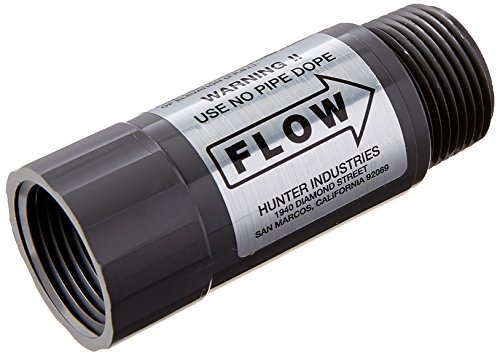
With the Hunter HCV, this will never be a problem again

Check valve compatible with PGP-ADJ, PGP Ultra, and I-20 Series Rotors
When to Call a Professional Leak‑Detection Service
When you notice any of the listed signs—spiking water bills, unexplained running sounds, damp spots, or low pressure in your sprinkler zones—you should call a professional leak‑detection service immediately. A certified technician will deploy moisture damage detection tools such as infrared cameras and ultrasonic sensors to locate hidden slab or wall leaks that are overlooked. They conduct sprinkler maintenance diagnostics, measuring pressure differentials, checking valve integrity, and inspecting head seals for corrosion or cracks. The service also verifies meter test results, confirming active loss before invasive work begins. Prompt intervention prevents mold growth, structural compromise, and costly landscape damage. By engaging specialists early, you avoid escalation, protect foundation integrity, and guarantee the irrigation system operates within design specifications. Metal detectors can also assist in pinpointing buried sprinkler valve components. Using a metal detector can quickly reveal the exact path of underground lines without unnecessary excavation.
Preventive Maintenance Tips to Keep Your Sprinkler System Leak‑Free
Ever wondered how a simple routine can stop costly water loss? You should inspect each zone valve quarterly, cleaning or replacing diaphragms when sediment hinders sealing. Open bleed screws on anti‑siphon valves for a 60‑second flush and check valve boxes for persistent wetness. Examine sprinkler heads for cracked nozzles or missing diaphragm seals; replace individual nozzles before swapping whole heads. Install check valves to block drainage when the system is idle. Conduct underground pipe assessments each season, documenting soil shifts and root intrusion, and avoid heavy equipment over irrigation lines. Perform backflow preventer tests annually, clearing debris and repairing damaged components promptly. Track monthly water bills, listen for hissing near valve boxes, and evaluate system‑wide pressure to detect abnormal flow. Finally, monitor seasonal pipe changes and perform zone‑by‑zone performance reviews to isolate potential leaks before they expand. The diaphragm inside each valve is the key component that can cause a leak even when the system is off. bi‑annual inspections are essential to catch clogs, leaks, and misaligned spray patterns early in the season.