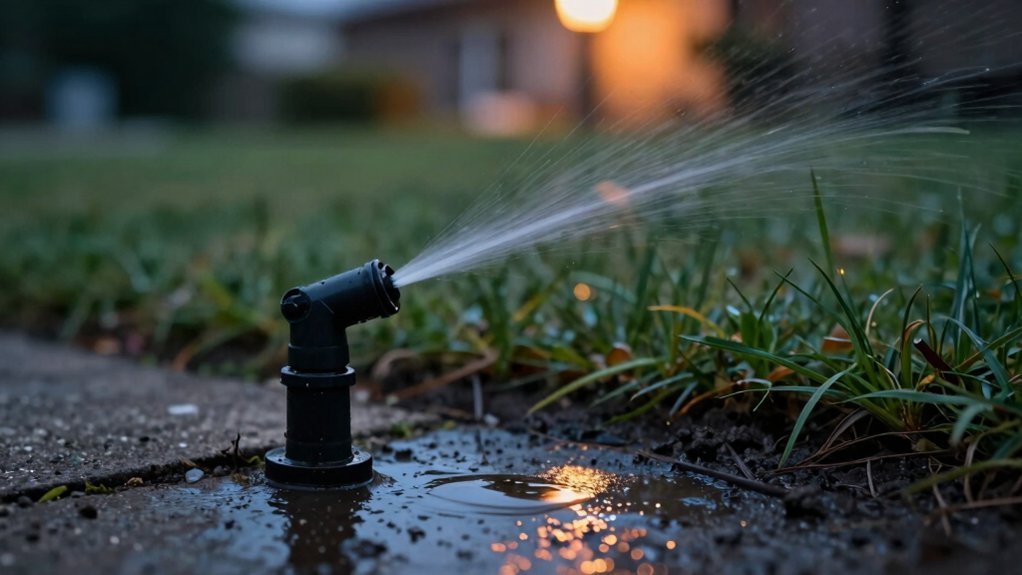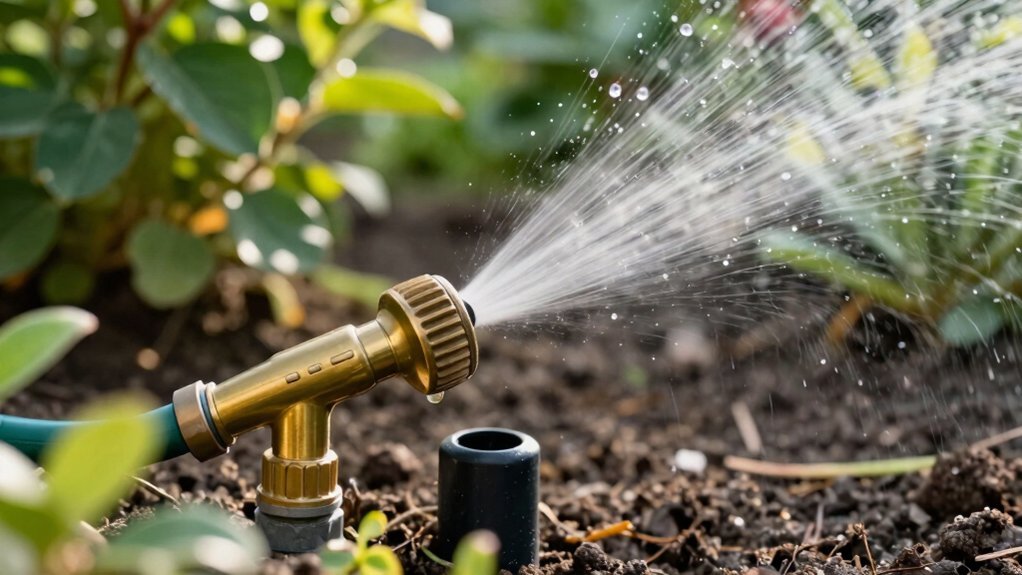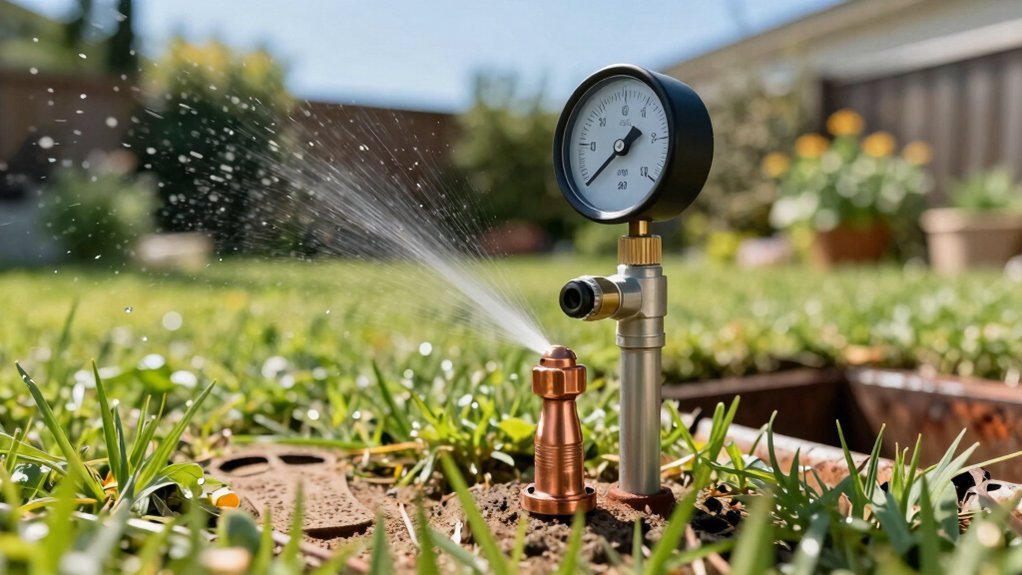
A sprinkler zone is a dedicated circuit of heads that run together at a steady pressure, delivering a uniform water depth to a specific area. You design zones by grouping plants with similar water needs, considering sun exposure, soil type, and flow‑rate limits. Choose heads whose spray patterns and nozzle sizes match the zone’s size, then space them to create overlapping coverage—rectangular or triangular layouts work best. Set runtimes based on desired depth, splitting into shorter cycles if needed, and adjust for weather and soil moisture. Continue and you’ll uncover deeper optimization techniques.
What Is a Sprinkler Zone and Why Consistent Pressure Matters?
When you define a sprinkler zone, you’re designating a specific lawn section that receives water from a dedicated valve and a set of heads, all operating together under a single on/off control. This structure creates the advantages of dividing irrigation: each zone receives the flow rate its plants can handle, preventing pressure drops that cause uneven coverage. By matching valve capacity to zone size, you maintain consistent pressure, which is essential for accurate spray patterns and for avoiding dry spots. The impact of varied water needs becomes manageable because you can program separate run times and frequencies for grass, shrubs, or flower beds. Consequently, you achieve uniform moisture distribution, reduce runoff, and optimize overall water use efficiency. Proper pipe sizing ensures that the zone can support the desired number of heads without exceeding the flow rate limits for the system. Calculating the required gallons per minute (GPM) for each zone involves summing the individual sprinkler head flow rates and adjusting for the total coverage area. Selecting the appropriate valve type helps maintain the desired pressure across different zones.

BUILT-IN FLOW CONTROL FOR ZONE PRECISION: Control water flow to each irrigation zone and prevent overwatering. Helps improve system efficiency, reduce misting, and support healthier landscapes.
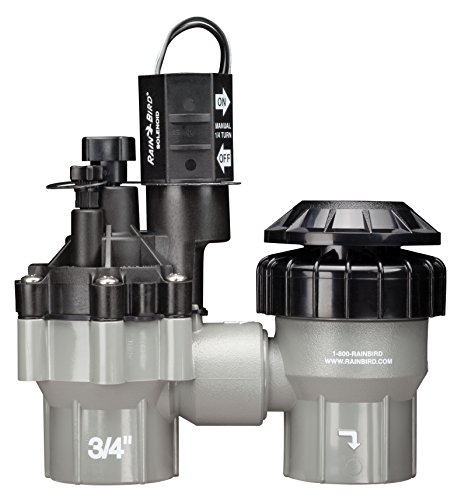
Professional grade 3/4" anti-siphon valve with flow control; compatible with any standard sprinkler timer

NO FLOW CONTROL MODEL, KNOW BEFORE YOU BUY: This is the PGV100GS with no flow control. If you need to fine tune pressure per zone, choose the PGV101GS instead.
How to Plan Zones Based on Sun Exposure, Soil, and Plant Types
How can you design irrigation zones that respect the interplay of sun exposure, soil texture, and plant water demand? Begin by mapping daily sun patterns, noting full‑sun (6+ h), partial‑sun (3‑6 h), and shade (<3 h) areas, and differentiate south‑ versus north‑facing exposures. Conduct a soil test to locate sandy, clay, and loam patches; assign emitter spacing and flow rates that match each texture’s absorption speed. Group plants by water needs: high‑demand vegetables, lawns, and newly planted shrubs in one zone, low‑demand natives and succulents in another, and separate mature plants for adapting irrigation for mature plants. Sketch a color‑coded map, align zone boundaries with pressure limits, and embed smart controllers. Finally, schedule regular inspections and use moisture sensors to support zone performance over time. Understanding evapotranspiration rates helps fine‑tune watering schedules for each zone. Consider the soil moisture capacity when selecting emitter flow to avoid over‑watering. Proper sprinkler head spacing is essential to achieve uniform coverage while conserving water.

Unique Design: 1/4" drip emitter ensures wide water passages, large deep and wide cross-section that improves clogging resistance for Garden Pots, Trees and Shrubs

Includes 10 adjustable drip irrigation emitters, providing ample supply for large garden or landscaping irrigation setups.
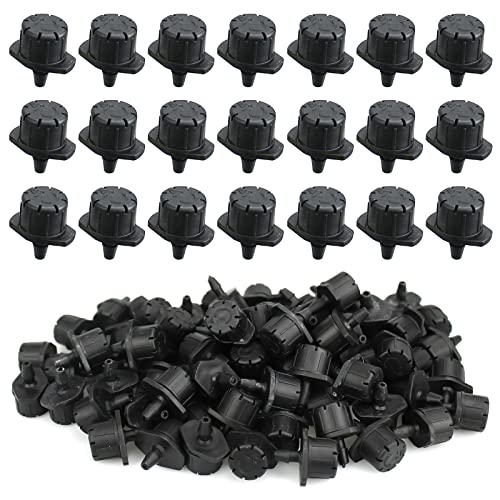
Package Include:You will receive 100pcs adjustable irrigation drippers sprinklers
Choosing the Right Sprinkler Head for Each Zone’s Water Needs
Your sun‑exposure and soil‑texture map now tells you exactly where water demand varies, so the next step is pairing each zone with a sprinkler head that delivers the right precipitation rate at the appropriate pressure. Assess head selection factors by matching zone PSI to head type: spray heads operate at 20‑30 PSI for 15‑ft radii, while rotary heads need 40 PSI+ for 15‑50 ft coverage. Choose spray heads for compact or narrow strips, and rotors for open lawns over 30 ft². Verify flow rate against simultaneous heads to prevent pressure drop, and use pressure‑regulating models to protect sprinkler head longevity. Align pattern degrees (90‑360) with landscape shape, and prioritize pop‑ups for small turf. This precise matching maximizes uniform distribution and water‑saving efficiency. Slope considerations are essential because runoff risk increases on steep terrain, especially with high‑rate sprinklers. Properly accounting for system resistance helps maintain consistent pressure across the network. When calculating nozzle count, consider the required flow rate to ensure each sprinkler receives adequate water. Nozzles shape the spray pattern, which is why selecting the correct flow‑control nozzle is crucial for maintaining the desired pressure.
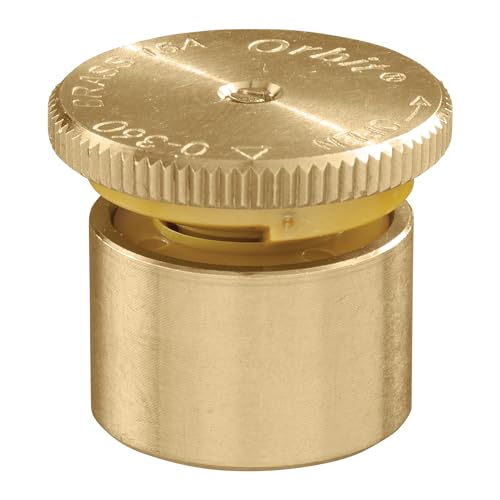
UNIVERSAL COMPATIBILITY: Designed to fit all major brands of pop-up spray heads, making it easy to replace existing nozzles and maintain your irrigation system. Delivers up to a 15-foot spray distance for efficient landscape watering (distance may vary based on PSI and other factors).

For watering areas with up to 15 ft. of spacing between sprinkler heads
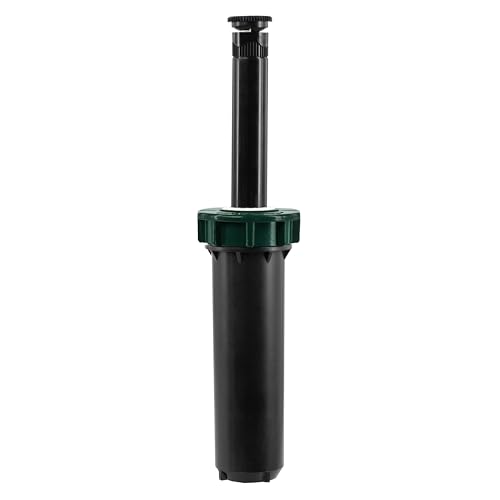
For watering areas with up to 15 ft. of spacing between sprinkler heads
Designing Overlap Patterns: Rectangular vs. Triangular Layouts
If you map the spray radius of each head, you’ll see that a rectangular grid creates uniform head‑to‑head coverage but often wastes water, whereas a triangular (staggered) arrangement packs heads at about 60 % of the throw diameter, cutting overlap and reducing runoff. In rectangular layouts, squares between heads form a regular matrix that excels in small or medium zones and along straight edges, but the extra 355 L per sprinkler for a 5 mm ETP adds unnecessary irrigation run times. Triangular patterns, using equilateral spacing, achieve a runtime factor of 1.1 versus 1.3 for squares, delivering tighter edge protection strategies with fewer heads. Software tools calculate CU, DU, and SC metrics to fine‑tune overlap, ensuring no dry pockets while minimizing over‑irrigation across irregular borders. Consistent geometric grid prevents over‑watering in irregularly shaped turf areas. Properly balancing flow rate with pipe diameter is essential for maintaining even pressure throughout the zone. Selecting the appropriate spray radius based on plant water needs can further improve water use efficiency. Overlapping spray patterns also help compensate for variations in soil infiltration across the lawn.
Configuring Runtime and Scheduling to Match Zone Characteristics
Because each zone’s head type, nozzle size, spacing, pressure, and sun exposure dictate a unique water‑delivery rate, you must translate those variables into precise run‑time and schedule settings. Calculate the base run time with a Hunter Run Time Calculator, then apply run time adjustments: spray heads need 5‑10 minutes, rotors 20‑30 minutes. Set the controller’s percent key for seasonal schedule changes—50 % in early spring, 67 % in late spring, 100 % in midsummer. Program sequential start times, e.g., zone 1 at 5:00 AM, zone 5 at 6:20 AM, ensuring a 30‑minute gap for cycle‑and‑soak if you split a 15‑minute run into three 5‑minute bursts. Keep all watering between 4:00 AM and 6:00 AM to limit evaporation, and fine‑tune each zone in 10 % increments based on observed runoff or soil moisture. Advanced mode allows you to input days per week and total weekly water usage for more precise scheduling. Adjust for soil type to ensure deep root watering and prevent runoff. Modern systems often incorporate moisture sensors that pause irrigation when sufficient soil moisture is detected, further reducing water waste. Understanding the flow‑rate calculation helps you verify that each zone delivers the intended one‑inch water depth.

Intelligent Irrigation Control: The Orbit Smart Sprinkler Controller manages watering with a powerful smart sprinkler that supports a completely automatic watering system

WATER YOUR YARD WITH EASE - Our Easy Set Logic sprinkler timer is the perfect choice for your yard, controlling up to 12 zones/stations for efficient irrigation.

EFFICIENT SPRINKLERS FOR YARD - Add wireless sprinklers easily with our battery-powered controller and 1" FPT jar-top valve.