Sprinkler solenoids do go bad, usually after 10‑15 years, and you can spot a failing one by listening for a click, checking for leaks, or measuring coil resistance (20‑60 Ω is normal, under 10 Ω means a short). A quick 9 V battery test or multimeter check will tell you if the coil is still functional. If it’s clogged, a rinse may revive it, but older or warped units need replacement. Keep reading to uncover how to install the right replacement and extend its life.
How Long Should a Sprinkler Solenoid Last?
How long should a sprinkler solenoid last? You can expect an average service life of about 20 years for high‑quality units, while most installations fall in the 10‑15‑year range. Low‑quality solenoids may fail in just 3‑4 years. Your sprinkler system lifespan hinges on water quality, usage frequency, installation quality, and environmental conditions. Corrosion from hard water, heavy cycling, and poor wiring are common solenoid failure reasons. Proper installation and durable materials can push life toward 20‑30 years, matching valve and controller expectations. Regular inspections, cleaning, and winterization help you avoid premature wear and keep the solenoid operating at peak efficiency throughout the system’s overall lifespan. Choosing the right valve type can further extend the service life of the entire irrigation system. Understanding how a solenoid coil converts electrical signals into mechanical motion helps troubleshoot valve operation issues. Standard solenoid designs typically operate with 24 V AC or DC, making them compatible with most irrigation controllers.

Captive hex plunger feature

For replacing solenoids which open and close 24V automatic irrigation valves
How to Spot a Bad Sprinkler Solenoid
A malfunctioning sprinkler solenoid shows up in several unmistakable ways: the valve may stay open and keep water running, leaks can appear around the valve body, pressure drops cause brown spots on the lawn, the valve might refuse to open or stay stuck, and you’ll often hear rapid clicks, feel heat, or see error messages on the controller. When you notice water won’t turn off, inspect the valve body for internal debris or a damaged diaphragm; a plunger that won’t retract will keep the valve open. Look for pooling water or drips at connections—these signal seal failure and excess pressure. Low pressure and brown patches indicate the solenoid isn’t regulating flow. If the valve won’t open, check for a stuck plunger or wiring issue. Hot valves, clicking, and controller alarms also point to valve malfunctions. Document findings during system maintenance to target repairs accurately. A consistent ohms reading confirms the solenoid is functioning properly. Uneven watering often signals a failing valve that needs cleaning or replacement. Most sprinkler solenoids are polarity‑agnostic because they operate as simple electromagnetic actuators. Identify the control valve box before tracing wiring to locate the solenoid quickly.

Replacement solenoid for Rain Bird APAS, ASVF, ECV, CP, CPF model valves

For replacing solenoids which open and close 24V automatic irrigation valves

PREVENT WATER BACKFLOW - Our automatic anti-siphon valve with an atmospheric vacuum breaker protects your irrigation system and culinary system from water contamination.
Quick Electrical Test for Sprinkler Solenoids
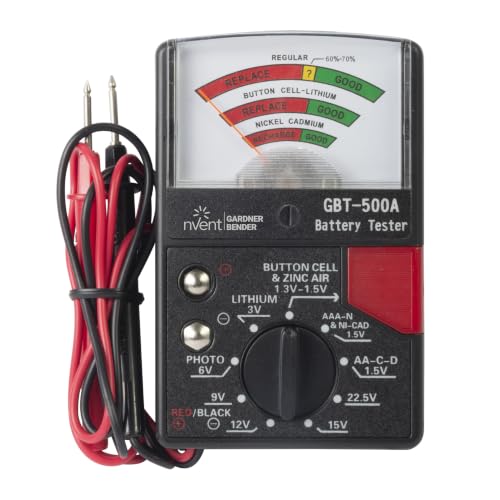
When you hook a 9‑volt battery (or a series of three to reach ~28 V) to a solenoid’s leads, a clear click tells you the coil is alive; no click means the solenoid is dead and needs replacement. This quick electrical test uses minimal troubleshooting equipment and gives an instant verdict. After the battery check, move to a systematic testing approach with a multimeter. Set the meter to ohms, disconnect the solenoid from wiring, and measure resistance; a healthy coil reads 20‑60 Ω. Values below 10 Ω indicate a short, while under 20 Ω means the solenoid is nonfunctional. Finally, verify controller voltage (22‑28 V) before resistance checks to isolate controller issues. This sequence streamlines diagnosis without extra tools. The three 9‑volt batteries provide enough voltage to reliably test most sprinkler solenoids. Also, ensure the solenoid’s thread size matches the valve to avoid leaks. Proper connection often depends on the standard ¾‑inch garden hose thread used for many irrigation components. The valve’s compact metal housing helps protect the internal coil from moisture and debris.

【Package Content】 - 2 Pack battery tester, Opp bag. Weight light and easy to carry.

FITS ALL HUNTER PLASTIC VALVES: Works with Hunter's battery-powered controllers. Designed for battery/DC systems, not standard 24V AC controllers, so it delivers efficient, low-power pulses that open and close each valve.
Manual Inspection of Sprinkler Solenoid Valves
Even before you power the system, a thorough visual walk‑through of the solenoid valve can reveal most mechanical problems. Look for solenoid leaks around threads, seals, and the O‑ring; any algae or corrosion suggests a long‑term leak. Inspect the valve body for weeping between the bonnet and body, and verify the locking bolt moves freely. Check the bleeder screw: turn it 360° to open, then tighten fully to guarantee the closure; repair any damaged screw. For manual activation, rotate the solenoid counter‑clockwise a quarter turn to open and clockwise to shut, listening for the click. Examine wiring and splices; replace any corroded wiring, cracked jackets, or exposed conductors, and safeguard splices are waterproof and sealed. Finally, confirm the valve opens promptly and closes completely before re‑installing the lid. Regular testing of valve operation helps detect early failures. Some systems may use manual or mechanical valves instead of solenoids, especially when a controller lacks solenoid capability. Ensure the valve’s water resistance rating matches the exposure conditions to prevent moisture‑related damage. Pressure regulators are often integrated into sprinkler valves to maintain consistent flow and protect against high‑pressure damage.
When a Rinse Saves the Solenoid and When to Replace It
After you’ve inspected the valve and wiring, the next step is to decide whether a rinse will revive the solenoid or if it needs replacement. A rinse works when mineral buildup, dust, or short‑term sediment clogs cause intermittent sticking; a high‑pressure flush for a tricky rinse duration can dissolve early corrosion and clear debris. Use a multimeter: 20‑60 Ω indicates a salvageable coil, while no reading or resistance outside that range signals a major failure. If the solenoid is older than 10‑15 years, shows persistent intermittent operation after the rinse, or has warped from extreme temperature, replace it. Differentiate minor vs major failures by testing post‑rinse resistance and observing consistent valve actuation. Also, consider that debris buildup can cause the sprinkler head to stick, which may be resolved by cleaning the nozzle before replacing the solenoid. Checking the spray pattern for irregularities can reveal clogged nozzle issues that affect overall system performance. Understanding heat‑sensitive glass bulbs helps identify why automatic activation may bypass a faulty solenoid.

Compatibility: This SOLASSG4 solenoid repair kit replacement for rain bird PEB, PGA, EFB-CP, BPE/BPES and GB Valves, replace 236239. This repair kit is designed to restore the functionality of the solenoid valve in the irrigation system

Compatibility: This SOLASSG4 solenoid repair kit replacement for PEB, PGA, EFB-CP, BPE/BPES and GB Valves, replace 236239. This repair kit is designed to restore the functionality of the solenoid valve in the irrigation system.

WIDE ADAPTABILITY: SOLASSG4 solenoid valve repair kit is compatible with rain bird PEB, PGA, EFB-CP, BPE/BPES and GB, a series of mainstream irrigation valve models, and can replace the original factory part number 236239. Its design goal is to provide users with a one-stop solution to quickly repair the solenoid valve function and ensure efficient restart of the irrigation system
Install the Correct Replacement Sprinkler Solenoid
Choosing the right replacement solenoid starts with matching the valve’s pressure range and operating voltage. Verify the spec sheet, then compare the new solenoid’s pressure rating and voltage to the existing valve; a mismatch can cause no activation or damage. Check flow‑rate limits—ensure the GPM rating meets zone requirements, avoiding undersized restriction or oversize surge. Align the directional arrows on the body with the original orientation; incorrect flow direction leaves the valve stuck open or closed. Confirm the solenoid sits on the outlet side unless the model specifies side placement, because placement affects wiring and circuit integrity. During installation, monitor temperature changes and detect unusual vibrations; abnormal heat or vibration often signals a mis‑fit or electrical issue that needs immediate correction. The overall performance also depends on the water source quality, which can affect solenoid longevity. Proper backflow protection is essential to keep contaminated water from entering the potable supply. An anti‑siphon valve prevents reverse flow that could otherwise contaminate the water system.

BUILT-IN FLOW CONTROL FOR ZONE PRECISION: Control water flow to each irrigation zone and prevent overwatering. Helps improve system efficiency, reduce misting, and support healthier landscapes.
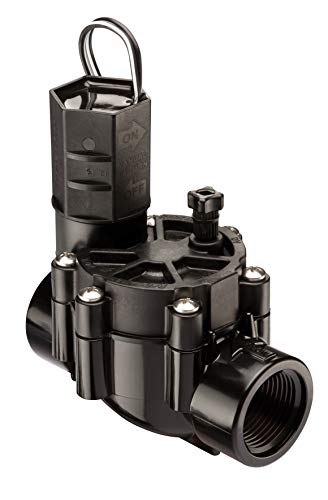
Residential / light commercial grade 1" female threaded inlet and outlet valve

Residential / light commercial grade 3/4" female threaded inlet and outlet valve
Preventive Care for Sprinkler Solenoids
When you keep a sprinkler system’s pressure, electricity, and cleanliness in check, the solenoids stay reliable and last longer. Follow seasonal maintenance requirements by inspecting filters, cleaning diaphragms, and rinsing plunger assemblies with fresh water. Use a soft brush or cloth to remove exterior dirt, then verify that the diaphragm spring rebounds after each rinse. Apply proper solenoid lubrication sparingly to the moving parts, avoiding excess that could attract sediment. Test electrical integrity annually with a multimeter, checking voltage, continuity, and surge protection. Monitor water pressure within the manufacturer’s range and adjust flow‑control knobs to prevent strain. Schedule yearly professional inspections, winterizing the system before freeze risk, and document each check to catch issues early. Solenoid valves are the most likely component to fail, so regular inspection of the coil’s resistance can prevent unexpected shutdowns. Consider performing a bi‑annual inspection after heavy storms to verify that no heads are clogged or misaligned. Using waterproof conduit helps protect wiring from moisture‑induced corrosion and electrical hazards.