Sprinkler valves are designed only to open and close water flow; they don’t control pressure. The valve’s solenoid and PVC rating dictate on/off operation, while downstream pressure is managed by a separate regulator that maintains a constant outlet pressure, typically 30‑45 psi. You’ll need a 100‑mesh filter before the regulator to prevent debris and a pressure‑regulating limit valve to hold pressure above design when flow stops. If you keep going, you’ll find how to choose and install the right regulator for ideal spray performance.
What’s the Real Difference Between Sprinkler Valves and Pressure Regulators?
How do sprinkler valves and pressure regulators truly differ? A sprinkler valve simply opens or closes flow to a zone; it doesn’t control pressure. A pressure regulator, whether a standard dynamic unit or a pressure‑regulating limit valve, maintains a set downstream pressure. Limit valves hold pressure 10‑15 psi above design pressure when flow stops, protecting against pressure surge effects caused by downstream shut‑offs. Standard regulators need flow to adjust and require 5‑10 psi higher inlet pressure than their set point. Installing a limit valve upstream of shut‑offs and filters guarantees constant pressure for spray head maintenance, while a regulator downstream fine‑tunes pressure for uniform droplet size. Both devices feature downstream‑pointing arrows and require 100‑mesh filters to limit friction loss. Ideal drip irrigation operates best at 10‑30 PSI. The solenoid in a valve is energized by the controller to open the valve at the correct time. Diffusion LLMs enable parallel token generation, making them faster and more cost‑effective. Understanding the water source is essential for overall system performance.
Why Traditional Sprinkler Valves Don’t Include Pressure Regulators
Most traditional sprinkler valves are built solely for on/off control, not for pressure regulation. You’ll find that valve design constraints focus on intermittent 80 psi PVC ratings and solenoid actuation, leaving no mechanism to adjust opening area for constant outlet pressure. Because regulators need a 5‑15 psi differential and continuous flow, integrating them into a static on/off valve creates regulator installation challenges. The design assumes a downstream regulator handles pressure, so the valve itself cannot respond to pressure fluctuations. High inlet pressures could damage the valve without a dedicated reduction stage. Consequently, manufacturers supply separate adapters or post‑solenoid regulators, confirming that core valves omit built‑in pressure control to avoid compromising flow precision and system reliability. Pressure loss is determined by flow rate, not valve size. This distinction mirrors the way sprinklers use nozzles to disperse water over a wide area for irrigation. The overall system effectiveness also depends on pipe diameter which influences the available pressure at the sprinkler head.
How a Stand‑Alone Pressure Regulator Works in an Irrigation Loop
A stand‑alone pressure regulator sits downstream of the shut‑off valve and automatically adjusts its opening as water enters the loop, keeping the outlet pressure constant despite fluctuations in inlet pressure. You install it at the ideal regulator placement—right after the filter and before the main line or zone valve—so debris‑free water reaches the diaphragm. The device requires a 5‑15 PSI differential and a minimum flow that matches the zone’s GPM rating; otherwise inlet and outlet pressures equalize and regulation stalls. Regulator adjustment considerations include setting the screw or knob to the target 30‑45 PSI for sprinklers and confirming the pressure under load with a gauge. Verify that the inlet pressure stays within the model’s 10‑80 PSI range and that flow capacity exceeds the zone’s demand. A pressure tank can pump cycling by providing a buffer of water under pressure. Proper pipe sizing is essential to minimize head loss and maintain the required flow rate.
Signs Your Irrigation Zone Needs a Separate Pressure Regulator
Three common symptoms—misty spray, uneven coverage, and frequent component failures—signal that a zone’s pressure exceeds the ideal range and that a dedicated pressure regulator is required. You’ll notice misty spray when pressure tops 25‑30 PSI, indicating over‑pressure damage risks and wasted water. Uneven coverage appears as reduced flow on higher elevations and excessive throw on lower ones; variable topography effects cause pressure drops uphill, leaving patchy zones. Frequent component failures—cracked heads, worn fittings, or broken pipes—are classic signs of sustained overpressure. Monitor zone‑cycling fluctuations; sudden pressure spikes when end guns fire reveal inadequate regulation. If you observe these patterns, install a separate regulator at the valve outlet to protect hardware and restore uniform irrigation. High water pressure is a common problem in the local area, leading to frequent system failures and increased water usage. Regularly inspect and clean clogged nozzles to maintain optimal flow and prevent pressure buildup. Checking for kinks and blockages before installing a regulator can improve overall system performance. Understanding nozzle flow restriction helps explain how reducing pressure can protect components and improve water distribution.

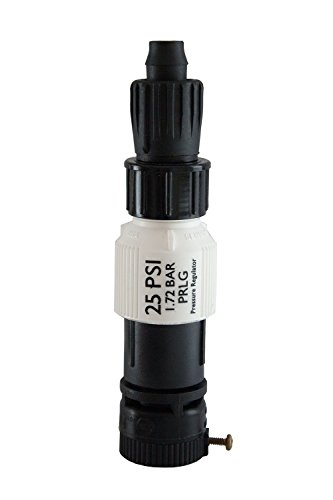
25 PSI preset pressure regulators (hose thread) are used to reduce and regulate the incoming pressure of a household’s water entering a drip irrigation or micro sprinkler system to the appropriate operating pressure of 25 PSI,Pressure Compensation Range: 30-100 PSI.
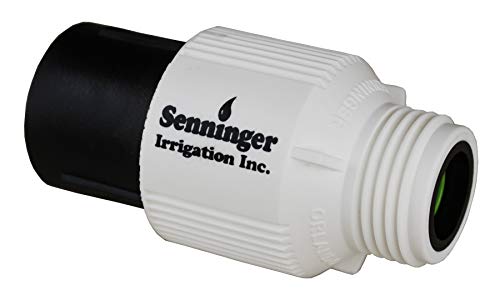
Ideal for installations requiring lower flows such as solid set, drip line, soaker hose and other low pressure agriculture, residential and commercial irrigation. This PRLG (Pressure Regulator Landscape Grade) maintains a constant outlet pressure of 25 PSI (1.72 bar) with a flow range between 0.5 - 7 GPM (114 - 1590 L/hr).
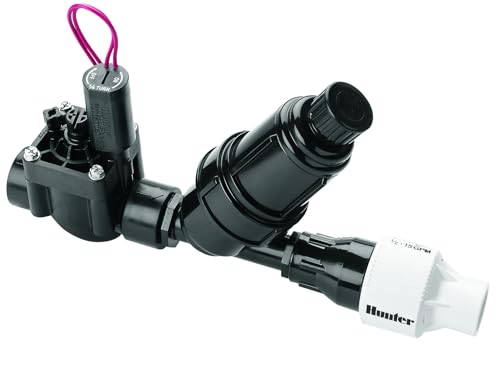
ALL IN ONE DRIP CONTROL KIT: Comes fully assembled with 1 inch PGV valve 150 mesh stainless steel filter and 40 PSI pressure regulator designed to simplify installation and reduce setup time.
Pick Adjustable or Fixed‑Setting Pressure Regulators
Since your irrigation system experiences fluctuating inlet pressures or diverse flow requirements, you’ll want an adjustable pressure regulator; it lets you fine‑tune outlet pressure on‑site across ranges such as 5–30 psi for 2‑inch valves or up to 200 psi for larger 4‑inch lines, ensuring stable performance despite upstream changes. Adjustable units provide an Optimum regulation range of 5–30 psi, 5–60 psi, 10–120 psi for 2‑3‑inch valves and 5–50 psi, 10–120 psi, 25–200 psi for 4‑8‑inch valves, with a 3‑way pilot and diaphragm that react to back‑pressure for precise, customized pressure settings. Fixed‑setting regulators, preset at 6–40 psi or 15–40 psi, protect low‑pressure drip zones with minimal moving parts, ideal for steady‑state applications where maintenance must be low and reliability high. Choose adjustable for variable flow or high‑rise elevation control; select fixed‑setting for consistent, low‑maintenance drip or sprinkler zones. Directional flow must be ensured when installing the regulator to maintain proper operation. Understanding typical valve cost ranges helps you budget effectively for both residential and commercial irrigation projects.

Maintains optimum 25 psi pressure and water flow to Drip lines and emitter devices

Complete 3-in-1 Solution: Single unit combines filter, 30 PSI pressure regulator, and Drip-Lock adapter in one compact design; eliminates multiple connection points that can leak

- Functionality: STMOUTUO RV water pressure regulator is designed to prevent damage to plumbing systems caused by high pressure, making it highly suitable for RV camper, yard irrigation systems, home , trailers. It effectively reduces water pressure, safeguarding the pipes from excessive pressure impact.
Install a Regulator Right After the Valve – Step‑by‑Step
When you place the pressure regulator immediately after the valve, you control zone pressure directly and simplify adjustments later. First, shut off the main supply, relieve pressure, and drain the valve line. Cut a short PVC section that matches the regulator component specifications—typically 3/4‑inch or 1‑inch—then deburr and clean the ends. Wrap Teflon tape clockwise on the inlet threads, hand‑tighten the regulator onto the valve outlet, and finish with one to two wrench turns. Apply PVC primer and cement to the adjoining pipe, ensuring a horizontal orientation on a rigid segment for ideal flow. After the cement cures, turn the water on slowly, check for leaks, and verify outlet pressure with a gauge. This precise step supports future irrigation system upgrades. Proper shielding helps prevent weather damage to the valve and regulator assembly. Ensure the valve housing is sealed with a watertight gasket to guard against moisture infiltration. When mounting valves vertically, use flow‑optimizing fittings to maintain consistent pressure throughout the system.

Easily converts a 1/2" riser or existing shrub spray to low volume Drip watering system

25 PSI Pressure Regulators: the 25 PSI preset pressure regulators are designed to reduce and regulate incoming water pressure, ensuring a precise operating pressure of 25 PSI for drip irrigation and micro sprinkler systems; With an inlet size of ¾" FHT and outlet size of ¾" MHT, they easily connect to standard outdoor faucets, water hose or irrigation systems
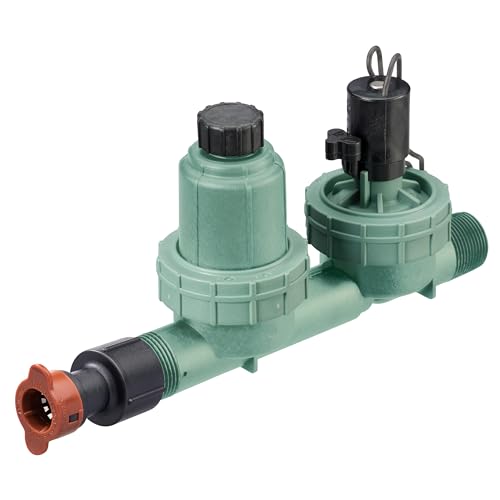
For drip applications where clean water and low pressure are important; up to four drip control zones fit side-by-side in a standard rectangular valve box
How Pressure Regulator Variations Affect Flow and Sprinkler Efficiency
If you select the right regulator type, you directly shape both flow rate and sprinkler efficiency across the entire system. Choose a low‑flow regulator (15‑40 psi, 0.5‑3.5 gpm) for drip zones, where regulated flow rates prevent fitting separation and leaks. For midsize lawns, a mid‑range unit (6‑50 psi, 0.5‑15 gpm) balances pressure and throughput, while high‑flow models (10‑60 psi, 20‑100 gpm) sustain uniform spray on large fields. Each regulator type must accommodate pressure sensitive system components, such as diaphragm‑type valves that self‑adjust to back‑pressure fluctuations. Built‑in regulators eliminate the lag of distant devices, keeping downstream pressure steady despite elevation or demand shifts. Properly matched regulators thus optimize water use, protect hardware, and maintain consistent sprinkler performance. Some systems also integrate manual valve overrides to allow direct control when electronic actuation is not needed. Understanding sprinkler head spacing helps ensure even water distribution and prevents runoff. Accurate calculation of gallons per minute ensures the system meets demand without waste.

For drip and sprinkler applications where, controlled low pressure is important
Ensure accurate and reliable drip system performance with this all-in-one faucet to drip irrigation connection kit. Connect your drip irrigation system to your water supply, keep out debris with a filter, maintain optimally low flow water pressure, and prevent backflow all with a single pre-assembled unit.

Adequate Quantity: you will receive 3 pieces of 25 PSI pressure regulators, which are nice for drip irrigation system; The quantity is sufficient to meet your daily needs and provide you with enough supply
Why Adding a Regulator Saves Water, Money, and Equipment
A properly sized pressure regulator can cut water use, lower operating costs, and protect your irrigation hardware in one step. It keeps zone pressure within the 6‑40 psi range, preventing overspray, runoff, and evaporation. By enforcing a regulated system design, the regulator delivers only the flow each emitter needs, eliminating waste from pressure spikes. Monitored pressure data lets you verify that inlet pressure stays below 400 psi, so diaphragm‑type units and relief valves shield fittings, heads, and emitters from rupture. Lower pressures reduce energy demand for pumps and extend component life, so you avoid costly replacements. The modest upfront cost of zone‑specific regulators yields immediate bill reductions and long‑term savings through consistent delivery and equipment durability. Regular valve inspections can reveal early signs of wear, and replacing worn seals promptly helps maintain optimal pressure control. Proper maintenance, such as flushing the system to remove debris, also extends valve life. Understanding valve lifespan factors helps you plan timely service and avoid unexpected failures. Detecting uneven watering early can prevent larger system issues.

PRLG (Pressure Regulator Landscape Grade) is ideal for installations requiring lower flows of 0.5 to 7.0 gpm (114 to 1590 L/hr).

Reduce pressure to 40 Psi

Fit Compatibility Note: This pressure regulator has 1" FNPT (Female National Pipe Thread) connections. Please ensure your system uses matching 1" MNPT (Male NPT) fittings to ensure proper connection.