You can expect about 1‑3 years of solid performance from a typical expandable garden hose, while premium models may reach 5‑10 years if you keep pressure low, avoid kinks, and store them dry and shaded. Frequent expansion‑contraction cycles, UV exposure, and high‑flow nozzles accelerate wear, so regular inspections and proper storage are key. Choosing reinforced vinyl or rubber cores, UV‑coated shells, and brass fittings also extends life. Keep reading to uncover detailed maintenance tips and repair tricks.
Expandable Garden Hose Lifespan
How long can you really expect an expandable garden hose to last? Manufacturers claim 5‑10 years, but most users replace them after one to three seasons. The gap stems from constant expansion‑contraction, which bursts the inner tube and loosens fittings. Leaks appear at plastic connectors or metal couplings, and kinking, punctures, and UV‑induced cracking accelerate wear. Warranty coverage often spans only a year, reflecting the limited durability. Customer satisfaction ratings hover low because real‑world performance falls short of advertised longevity. To gauge lifespan, focus on failure points, material fatigue, and environmental stressors rather than marketing promises. Understanding these factors helps you set realistic expectations and evaluate whether the hose meets your needs. The trade‑off between convenience and durability is highlighted by the pressure loss that occurs when the hose expands. Longer hoses increase friction loss because of greater surface contact and tighter bends.
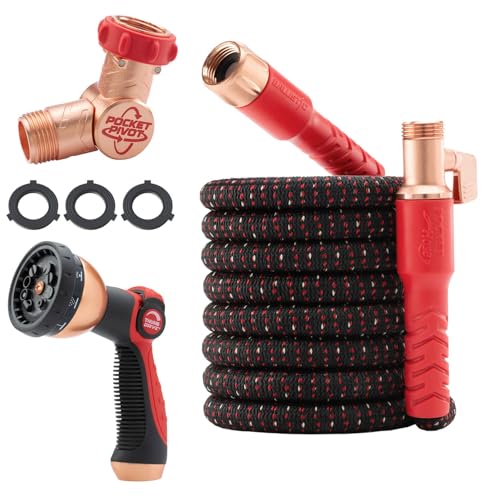
WORLD’S #1 EXPANDING HOSE — BACKED BY 100+ PATENTS: Pocket Hose Ballistic expands up to 3X into a full size hose, then shrinks back for compact, practically bone-dry storage. Lightweight, easy to handle, and built for everyday watering

The Flexi Hose expandable garden hose automatically expands to the stated product length - roughly 3 times extension - with standard pressure when water is turned on and shortens to compact length when the water is turned off. Storing the Flexi Hose is a breeze!

WORLD’S #1 EXPANDING HOSE — BACKED BY 100+ PATENTS: Pocket Hose Ballistic expands up to 3X into a full-size hose, then shrinks back for compact, practically bone-dry storage. Lightweight, easy to handle, and built for everyday watering
Primary Factors That Influence Longevity
One of the biggest determinants of an expandable hose’s lifespan is the material quality: reinforced vinyl or rubber can push durability to five‑ten years, while thinner, cheaper composites often buckle after just one to three seasons. You should also watch water pressure; leaving the hose under pressure or using high‑flow nozzles raises internal stress, causing bursts. Temperature extremes matter—exposing the hose to water above the label’s limit or to freezing cold weakens the inner core and outer shell. UV exposure accelerates brittleness, so keep the hose shaded when not in use. Proper storage—coiling off the ground, covering with a tarp—prevents kinks and impact damage. Implement frequent cleaning schedules to remove blockages, and consider impact resistance testing to verify durability before purchase. Winterizing garden hoses also protects against freeze‑induced cracking. Using self‑regulating heat tape can safely prevent freezing without risking overheating.
How Usage Frequency Affects Lifespan?
Material quality and storage set the stage, but how often you pull the hose out of the coil determines whether it meets those durability expectations. Rough usage patterns drive seasonal durability trends. If you expand and contract daily, the inner tube wears fast, pressure spikes cause bursts, and fabric layers split within one to two seasons—most users replace after a year. Weekly watering, with proper draining and cleaning, reduces kinking and stretching, extending life to 12‑18 months. Occasional use limits expansion cycles, keeping leaks rare and aligning with the advertised 5‑10‑year lifespan; budget models can last 1‑2 years under low‑pressure, sporadic watering. Low‑frequency use minimizes cumulative strain, allowing full contraction between sessions and delivering multi‑year performance. The more expensive hose’s 3‑braid ply construction also helps resist wear during frequent expansions. Using an expandable hose with a power washer can cause pressure spikes that accelerate wear. A garden hose is not designed for compressed air, so attempting to use it for an air compressor can lead to catastrophic failure. When connecting a pressure washer to a garden hose, ensure the hose can handle the washer’s psi rating to avoid dangerous over‑pressurization.

ORIGINAL HOSE THAT GROWS: the original “Hose That Grows” is so innovative it’s been awarded over 126 worldwide patents (Expands under water pressure)

ORIGINAL HOSE THAT GROWS: the original “Hose That Grows” is so innovative it’s been awarded over 126 worldwide patents
Materials & Construction That Extend Expandable Garden Hose Lifespan
Choosing the right combination of inner core, outer shell, and connectors can dramatically extend an expandable garden hose’s lifespan. You’ll find that latex cores offer the best flexibility and pressure resistance, while TPC cores add premium durability. Pair a 600D polyester or 900D nylon outer shell with UV‑resistant coating to shield against sunlight and abrasion. Opt for brass connectors; they remain leak‑proof longer than plastic fittings. Integrated hose materials that combine a strong inner tube with a reinforced outer fabric use specialized reinforcing techniques, such as double‑layer stitching and polymer‑bonded seams, to boost pressure tolerance and reduce kinking. Prioritizing these material choices and construction details guarantees the hose withstands repeated expansion, temperature swings, and outdoor exposure. The weight of a hose influences handling and storage considerations, especially for longer lengths. Hose material also impacts durability and overall performance. Selecting a hose with an appropriate pressure rating ensures compatibility with high‑pressure washers and prevents premature failure. Metal hoses, known for their exceptional durability, can serve as a benchmark for long‑term performance.

Upgraded Garden Hose: This Garden Hose is made from the high quality materials and is of the advanced craft, extremely functional, lightweight and flexible, durable. The hose will less kink, twist, leak, burst or get tangled up while in use

Expandable Garden Hose -Water hose expandable is equipped with high-density sturdy 3-layers latex core and high-quality 3300D polyester fabric cover which makes it possible to not only prevent bursting and leakage, but also withstand water pressures of 3-12 Bar and temperatures of -4°F-122°F, perform great even in winter. With aluminium end-ducting makes it possible to expand to 3 times its original length when water is on and shrink back when water is out.
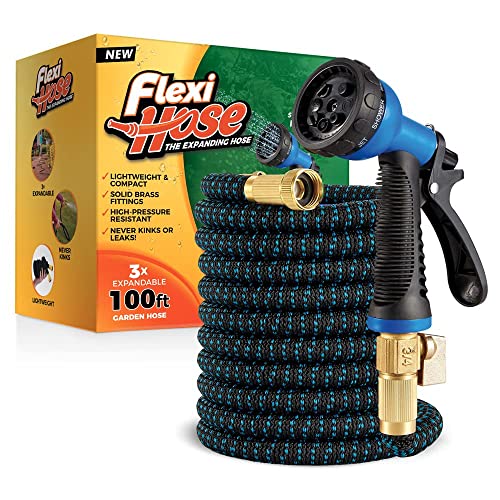
The Flexi Hose expandable garden hose automatically expands to the stated product length - roughly 3 times extension - with standard pressure when water is turned on and shortens to compact length when the water is turned off. Storing the Flexi Hose is a breeze!
Typical Failure Modes & How to Spot Them
When you’ve selected a durable core, UV‑protected shell, and brass fittings, the next step is recognizing the ways an expandable hose can fail. Look for burst patterns: a sudden pop when the nozzle is engaged, especially if the hose sits down with the spray attached, often signals inner‑tube pressure overload. Large tears near bends suggest excessive working pressure or temperature swings. Inspect fittings for loosened plastic connectors or metal couplings; water drips at joints indicate wear or poor quality control issues. Notice separation of inner tube and outer fabric at connection points—this is a common failure mode. In cold weather, check for ice‑induced cracks or frozen water that prevents contraction. Prompt drainage after each use reduces freeze damage and mold growth. Hundreds of complaints indicate that many owners experience bursting and breaking after only a few weeks. Using a self‑fusing silicone tape can provide a quick, durable seal for small leaks and tears. Excessive water pressure can also cause the hose to burst suddenly when the nozzle is turned on.
How to Repair Common Expandable Hose Issues
You’ll start by locating the problem spot, then follow the appropriate repair method—whether it’s sealing a leak, straightening a kink, swapping a connector, or replacing a damaged section. Run water to pinpoint leaks, dry the area, and apply hose repair tape or waterproof adhesive for small punctures. For larger holes, cut out the section, insert a hose mender coupling, and tighten the screws. If a kink appears, disconnect the hose, release pressure, and gently straighten it without forcing the material. Inspect connectors for cracks or looseness; replace them with the kit’s male/female parts and wrap threads in Teflon tape. When a segment is damaged, cut cleanly, pull the inner rubber tight, and secure both ends with adjustable stainless‑steel worm‑gear clamps. Reconnect, test for flow and leaks, and adjust clamps as needed. Check your product’s extended warranty coverage and consult online repair tutorials for step‑by‑step guidance. Rubber tubing should be pulled as tight as possible before clamping. Remember to verify that your standard sprinkler fittings are compatible with the hose’s flexible material before attachment. Properly tightening the connector with a clamp‑on method helps prevent future leaks. Flex Tape’s waterproof adhesive works best on rigid surfaces, making it less suitable for high‑pressure, flexible hose repairs.

【EXPANDABLE HOSE REPAIR KIT – 25–100 FT】- Fits 25, 50, 75, and 100 ft retractable expandable hoses, including Pocket Hose and Flexi Hose. Suitable for hoses with an inner diameter of about 8–10 mm (0.3–0.4 in), commonly 3/4" and 5/8" expandable styles. Not for stainless steel hoses, plastic or rubber hoses.

Rapid Hose Repair: Fix your telescopic garden hose in just 3 minutes with our easy-to-use repair kit, saving you time and money while extending your hose's life.

Save Your Money: Don't throw away your broken expandable garden hose, fix it in just 5 minutes with our repair kit! It's also a backup accessory for your retractable garden hose after a long period of use
Maintenance Steps to Add Years
Typically, you’ll keep an expandable garden hose lasting longer by performing regular inspections, draining it after each use, handling it gently, caring for the connector washers, and following temperature‑related setup guidelines. Check the hose every few months, looking for leaks, cracks, or punctures, and verify that connectors and fittings aren’t loose or corroded. Conduct proper pressure calibration each time you attach a nozzle to avoid overstressing the material. Drain the hose fully after each use, opening the nozzle to release pressure and let water run out, which prevents freezing and bacterial growth. Unwind it slowly, avoid kinks, and coil it loosely over your shoulder. Replace the mouth washer annually, and inspect it at regular inspection intervals to catch wear before it escalates. Consider using a low‑flow nozzle to reduce water consumption while maintaining cleaning performance. Understanding hose diameter helps you select the appropriate flow rate for your gardening tasks. Selecting the proper hose length ensures adequate reach without excessive pressure loss.
Storage Tips for Maximum Durability
Regularly inspecting and draining your hose sets the stage for proper storage, which is key to preserving its lifespan. Drain every drop before you coil it; use a compressor on the barbed fitting or let gravity pull water out while you form loose 3‑foot loops. Avoid tight bends and kinks, because they cause stress and internal damage. Choose a dry, well‑ventilated storage location—a shed, garage, or basement—away from direct sunlight and extreme temperatures. Elevate the hose on a reel or wall‑mounted hanger to keep it off the floor and protect it from abrasion. Cover it with a cloth or tarp for UV shielding, and consider a storage bag or pot for added protection. These steps maximize damage prevention and extend the hose’s useful life. Garden hose reels provide a convenient way to keep the hose organized and reduce wear during storage. Proper storage also helps prevent the buildup of mineral deposits that can weaken the hose material over time.
Expandable Garden Hose vs. Traditional Rubber Hose: Longevity Comparison
How long will your hose actually last? You’ll find that high‑quality expandable hoses survive 8–10 years if you keep pressure moderate and store them properly, but most users see only one or two seasons when they expose the hose to high pressure, sun, or freezing temperatures. Rubber hoses, by contrast, often last decades; a cheap Hozelock model stayed intact for 25 years with just a tiny puncture. The inner elastic core of expandables wears faster, especially with frequent expansion‑contraction cycles, while rubber’s solid construction resists abrasion, kinking, and weathering. Warranty coverage considerations matter: expandable brands typically offer 5–10 year guarantees, whereas rubber hoses may be covered longer. Using a hose reel can extend lifespan for both, but it benefits rubber hoses more because the reel protects the fabric exterior of expandables from snagging and UV exposure. The rubber membrane inside many expandable hoses often fails after a few years.

BURST PROOF TECHNOLOGY: Force control system helps prevent bursting under pressure for safer and more reliable watering performance outdoors.

DOUBLE UV PROTECTION FOR LONGER-LASTING PERFORMANCE: Our Premium Pocket Hose Ballistic features 2X the UV protection to help shield the hose from sun exposure and keep it performing and looking like new, season after season

WORLD’S #1 EXPANDING HOSE — BACKED BY 100+ PATENTS: Pocket Hose Ballistic expands up to 3X into a full-size hose, then shrinks back for compact, practically bone-dry storage. Lightweight, easy to handle, and built for everyday watering