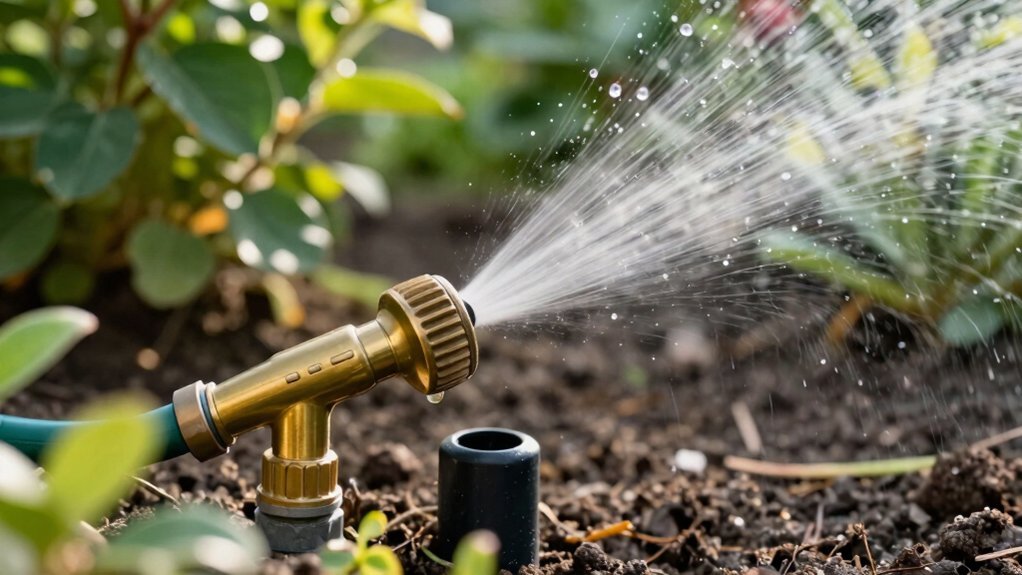
Yes, you can hook a sprinkler to an expandable garden hose, but you must keep the hose fully stretched and stay under its 60 psi rating to avoid a 30% pressure drop that causes uneven spray. Use brass or poly couplings, turn the water on slowly, and let the hose extend to its 50‑100‑foot limit before attaching the sprinkler. Check for kinks, leaks, or over‑stretching, and drain the hose after each use. Follow these steps and you’ll uncover how to maximize performance.
Impact of Expandable Hoses on Sprinkler Pressure and Flow
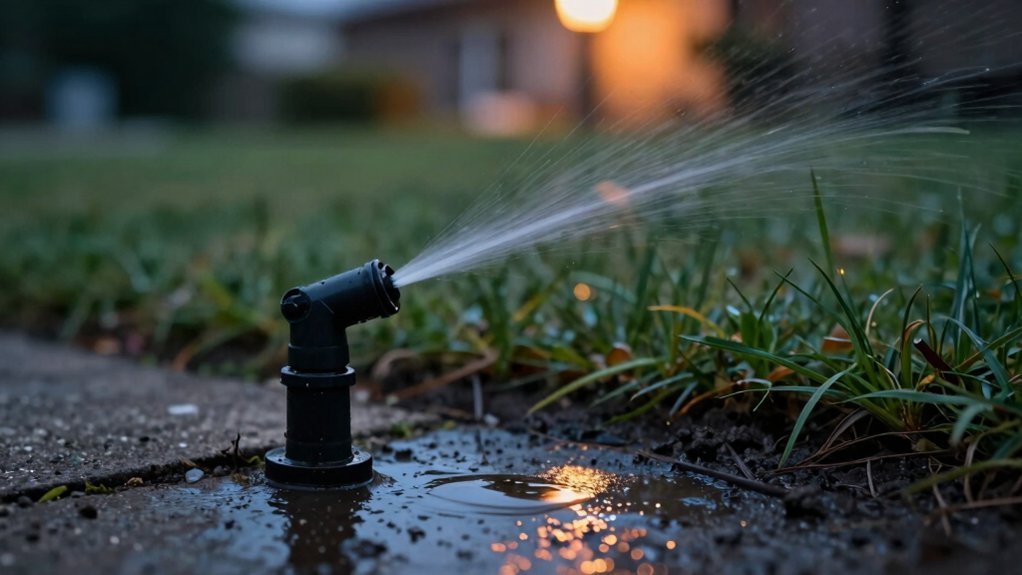
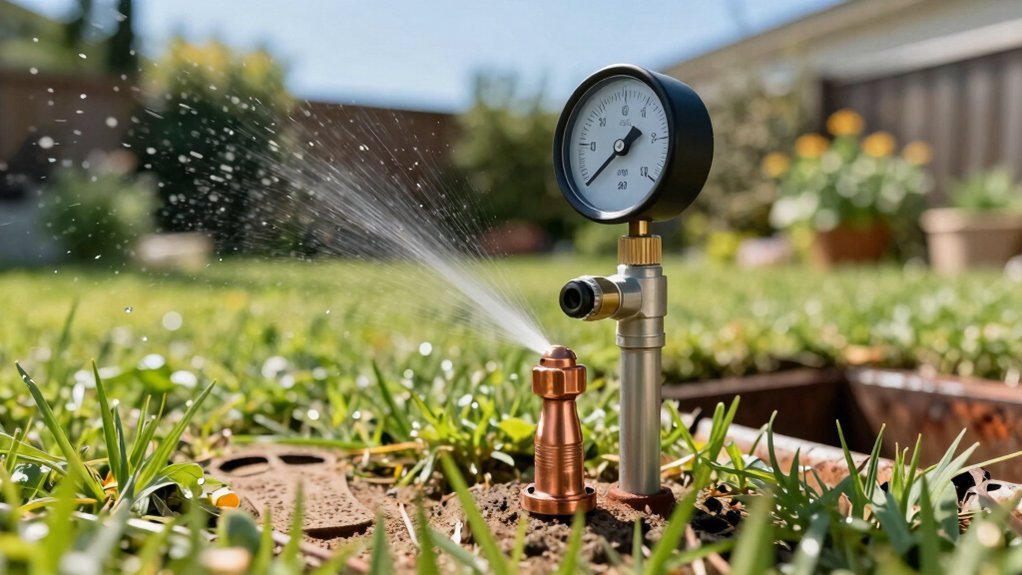
When you connect an expandable garden hose to a sprinkler, the hose’s pressure rating—typically up to 60 psi—directly limits the water flow you’ll get. You’ll notice the efficient sprinkler pattern degrades as the hose extends, because the expandable wall collapses and drops the pressure below the sprinkler’s design point. A fully stretched hose can cut the pressure by 30 % or more, producing uneven arcs and patchy coverage. If you shorten the hose or let it contract partially, the pressure rebounds, restoring a more consistent water pressure and a tighter spray. Leaks or punctures further sap flow, so inspect the hose for damage before each use. Keep the supply within the hose’s 45‑60 psi range, and you’ll maintain reliable performance. Flexible hose cannot be used with sprinkler heads that require higher pressure. Using a power washer with an expandable hose requires checking the hose’s maximum pressure rating to avoid damage. The reduction in pressure is explained by Bernoulli’s principle which relates flow speed to pressure changes. Longer hoses increase friction loss which further reduces the pressure available at the sprinkler.

The Flexi Hose expandable garden hose automatically expands to the stated product length - roughly 3 times extension - with standard pressure when water is turned on and shortens to compact length when the water is turned off. Storing the Flexi Hose is a breeze!
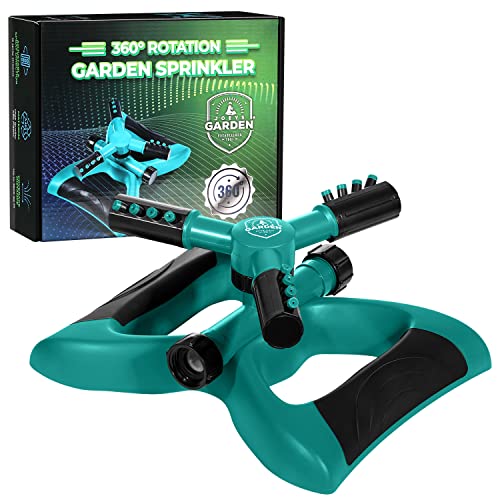
MADE FOR FAMILIES & LAWNS: From a kids' backyard water day to evenly watering large lawns and gardens, this rotating sprinkler covers wide areas fast — built for parents and homeowners alike.

Non-Expandable Light Weight Garden Hose - EOOIO 25 feet garden hose is made of blended with rubber and PVC. The outer and inner layers of the water pipe are both mixed materials, while the middle layer is woven material, which has the advantages of lightness, non fading, and abrasion resistance. Lighter than traditional garden hoses, easy to carry and store when going out.
Low‑Pressure Sprinklers That Pair Best With an Expandable Garden Hose
Which low‑pressure sprinklers truly shine with an expandable garden hose? You should prioritize sprinkler type considerations that match the hose’s variable pressure. The Dramm ColorStorm spinning model spins reliably with minimal hand assistance and maintains coverage as the hose expands or contracts. Rain Bird LG3HE impact offers a 3‑inch pop‑up, 26‑41 ft reach, and rust‑proof durability, making it ideal for low‑pressure lawns. Hunter SRM gear‑drive includes regulation valves that fine‑tune flow, preventing overspray and ensuring consistent spray in Australian‑style low‑water settings. Rain Bird Maxipaw 2045A delivers straight‑through flow and an adjustable arm spring, conserving energy and handling dirty water. Orbit 58308Z impact provides a quick‑connect, flow‑through design with a stable base, supporting multiple units while resisting tipping. These options balance sprinkler durability factors with the flexible nature of expandable hoses. The Rainbird LG3HE features adjustable coverage from 0 to 360 degrees for versatile lawn watering. Proper soil type assessment helps match sprinkler output to plant water needs. Understanding water pressure range is essential for selecting a sprinkler that operates efficiently with the hose’s expanding and contracting flow. Selecting the right sprinkler can also reduce water waste by aligning with the garden’s irrigation zone.
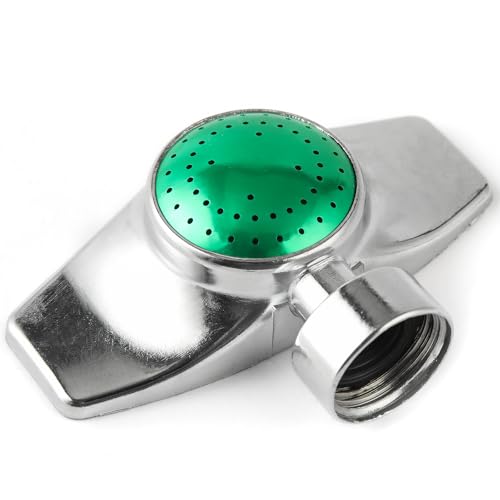
Metal Spot Sprinkler: Small sprinkler is made of heavy-duty solid alloy metal, resistant to rust, more durable than other plastic sprinkler heads.

Upgraded Non Expandable Structure - Built with 304 stainless steel reinforcement, tear resistant woven layer and ultra durable rubber inner tube, this HEYRSUN non expandable garden hose maintains a stable fixed length without expansion or shrinkage, ensuring steady water flow. As a premium garden hose 50 ft, it delivers reliable water supply for all outdoor and garden tasks.

Premium Solid Alloy Build: Polished heavy-duty metal construction ensures superior strength, aesthetic appeal, and long-lasting rust resistance.
Step‑by‑Step: Fully Extend the Hose Before Turning on Water
A few simple steps will verify your expandable garden hose reaches its full length before you power on the sprinkler. First, attach the hose securely to a faucet using brass or poly couplings, then lay it along the intended path, keeping it away from direct sunlight. Turn the water on slowly; this gradual pressure buildup lets the hose extend to its 50‑100‑foot limit without sudden spikes. Watch for any kinks, twists, or signs of overextension, because overstretching can damage the inner liner and reduce the impact on water flow. Once the hose is fully stretched, keep the pressure steady, then stop the flow before connecting the sprinkler. This corroborates the hose is at maximum length and ready for reliable operation. The hose stores compactly when not in use, taking up far less space than a traditional hose. Consider the space‑saving benefit when assessing overall value. Regularly inspect the hose for material wear to ensure longevity. Maintaining adequate water pressure is essential for consistent sprinkler performance over longer hose runs.
Pressure‑Loss Mistakes With an Expandable Garden Hose and Fixes
If you let pressure drop too quickly after shutting off the tap, the hose will stay expanded and the sprinkler won’t receive full flow when you restart it. To avoid this, run water for about 30 seconds after each use; the flow drains the retained pressure and lets the inner rubber tube contract. Remember that hose material limitations cap expansion at 20 % length and 2‑ply construction makes the ends prone to failure, not full bursts. Unlisted safety concerns include sudden end detachment when pressure spikes beyond the untested 1,650 PSI limit of some models. Use a gentle shut‑off, keep the outer canvas wrap intact, and inspect male/female connectors for bends or cracks before each session. This routine preserves pressure, prevents kink‑free loss, and protects both hose and sprinkler. The ZeroG hose earned Ace in every category, demonstrating its durability and performance. For pressure washer applications, ensure the hose’s pressure rating matches the washer’s output to avoid catastrophic failure. The lingering spray after shut‑off is due to elastic recoil of the hose material. Selecting the proper fitting material further reduces leakage and prolongs hose life.
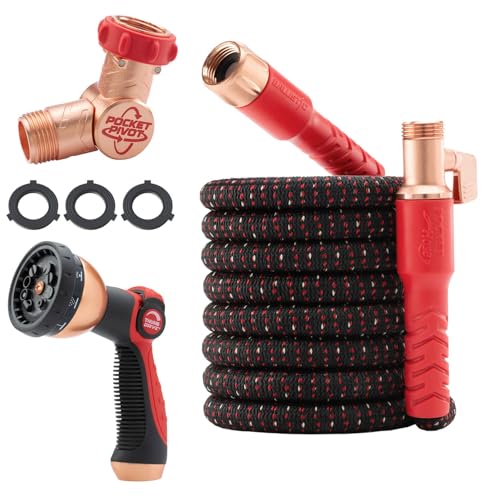
WORLD’S #1 EXPANDING HOSE — BACKED BY 100+ PATENTS: Pocket Hose Ballistic expands up to 3X into a full size hose, then shrinks back for compact, practically bone-dry storage. Lightweight, easy to handle, and built for everyday watering

【Package Including】Fit for 3/4" or 5/8'' hose fittings, contains 5 female and 5 male hose repair connector with 10 clamp, and extra garden hose rubber gasket. Note: please choose correct hose size before order.

The Flexi Hose expandable garden hose automatically expands up to 50 feet - 3 times its original length - with standard pressure when water is turned on and shortens to its length when the water is turned off for easy hose storage
Using Y‑Splitters on an Expandable Garden Hose for Multiple Sprinklers
When you attach a brass Y‑splitter to a standard 3/4‑inch garden‑hose thread, you instantly create two independent outlets that can each feed its own sprinkler. The brass construction guarantees compatibility with most expandable hoses, while quick‑connectors let you swap hoses without tools. Tighten the threads with pliers, then secure the ELEY quick connectors to each port. Use the oversized ON‑OFF levers to fine‑tune flow, allowing independent operation for each line. This setup enables multi headed sprinkler distribution, giving you precise control over water volume per sprinkler and maximizing sprinkler coverage across a larger area. Periodically check tightness to prevent leaks, and avoid aluminum fittings to eliminate galvanic corrosion. The Y‑shaped splitter makes it easy to route water to one or both hoses without hassle. Understanding sprinkler pricing helps you budget for the components and installation costs involved. Properly sealing connections with plumber’s tape reduces leak risk and ensures a durable, leak‑free system.

HIGH QUALITY BRASS: superior durability & longevity. Easily withstands high water pressure in all outside weather conditions without breaking, rusting, or corroding.

High Water Flow Rate: Experience uninterrupted watering with our brass hose splitter, designed for high water flow to maintain strong pressure from both outlets. Perfect for simultaneously running sprinklers, soaker hoses, or outdoor cleaning tools without a drop in performance.

Update & Improve Design: Hourleey hose splitter 2 way come with update design and high level quality. The update valve handles is more ergonomically designed, easier to use within less strength, friendly using for the stiff hands or hands with arthritis. And the brass hose splitter is more stronger than normal, built to last and never break. Easy to install without any tools.
Are Perforated Sprinkler Hoses a Better Choice Than an Expandable Garden Hose?
Because you need reliable, season‑long irrigation, perforated sprinkler hoses generally outshine expandable garden hoses. Their hose material durability stems from virgin PVC construction, which resists UV degradation and high‑pressure ruptures better than the thin polymer walls of expandable models. Uniform hole patterns guarantee consistent sprinkler water distribution along the entire length, eliminating the pressure‑dependent expansion that can starve sections of a garden. You’ll also appreciate that perforated hoses maintain flow across varied pressures, while expandable hoses require a minimum pressure to reach full length and often leak when over‑stressed. Although upfront cost is higher, the longer lifespan and predictable performance of sprinkler hoses deliver superior value for regular, extensive watering tasks. The Lviv sprinkler soaker hose can be connected end‑to‑end to cover long rows without pins, offering a flexible layout option. Properly installing a low‑flow regulator ensures the drip system operates within optimal pressure ranges for maximum efficiency. Schedule 40 PVC is commonly accepted for irrigation lines when it meets local code pressure ratings. Designing zones based on soil moisture zones further enhances water efficiency.
Performance Comparison: Expandable Garden Hose vs. Rubber Hose
While perforated sprinkler hoses win on durability and consistent flow, the real trade‑off appears when you compare expandable garden hoses to traditional rubber hoses. Expandable hoses shave weight and storage space, but their fabric‑wrapped cores suffer a service life impact: they rip, burst, or lose elasticity faster under rough handling. Rubber hoses retain shape, resist kinking, and endure high pressure, so their service life impact is minimal. However, expandables eliminate kinks, giving smoother flow at the cost of pressure drop concerns—low pressure stalls expansion and reduces nozzle performance. Rubber hoses handle pressure variations without contraction, maintaining steady spray. Choose expandables for light, portable tasks; opt for rubber when durability and pressure stability dominate. Expandable hoses are lightweight, weighing only a fraction of traditional rubber hoses. The length of a hose determines its reach and the total volume of water it can deliver, making it a key factor in garden irrigation planning. Selecting the appropriate hose diameter ensures optimal water pressure and coverage for each specific gardening task.

「New Upgraded Non-Expandable Garden Hose」Say goodbye to frustrating kinks and leaks! Our high-strength special cloth cover ensures unmatched durability, while the water hose is designed with anti-puncture, explosion-proof, and friction-resistant features for long-lasting performance. Effortlessly easy to handle and store, this outdoor hose is perfect for seniors or anyone who struggles with heavy lifting.

【US and CN patent】3/4 in. Ultra-Lightweight Flexible Garden Hose, Included with 10Pattern Nozzle,Construction with Industrial Grade Nylon Woven abrasion-resistant webbing,Ultra-Lightweight & Effortless Handling Ditch the heavy, cumbersome hoses of the past! Our garden hose is designed to be incredibly lightweight,Constructed with Industrial Grade Nylon Webbing,making it easy to carry, maneuver, and store-perfect for gardeners of any age.Whether you're moving it around your yard or coiling it up after use.its feather light design ensures hassle-free handling every time

Expandable Garden Hose -Water hose expandable is equipped with high-density sturdy 3-layers latex core and high-quality 3750D polyester fabric cover which makes it possible to not only prevent bursting and leakage, but also withstand water pressures of 3-12 Bar and temperatures of -4°F-122°F, perform great even in winter. With aluminium end-ducting makes it possible to expand to 3 times its original length when water is on and shrink back when water is out.
Maintenance Tips to Keep an Expandable Garden Hose Expanding Smoothly
Need can keep your expandable garden hose expanding smoothly by mastering four simple habits: turn off the water and release residual pressure after each use, drain and dry the hose thoroughly before storage, coil it loosely in its contracted state out of direct sunlight, and inspect it regularly for leaks, tears, or loose fittings. After each watering, shut the supply, activate the sprayer to purge water, and let the hose contract fully. Detach it, drape it over your shoulder, and let it air‑dry; moisture left inside breeds bacteria and freezes in cold weather. Store it indoors or under a cover, using a hanger with large loops, and avoid folds that stress the inner tube. Follow periodic inspection routines: check connectors, look for cracks, and tighten any loose clamps before they cause failure. Proper storage practices and diligent cleaning extend lifespan and keep expansion effortless. Use a half‑inch pex coupling to reinforce weak sections. UV protection can significantly reduce material degradation over time.
What Garden Sizes and Jobs Are Perfect for an Expandable Hose?
If you match the hose length and diameter to the size of your garden and the tasks you tackle, you’ll get ideal performance without waste. For balcony gardening needs, a 25‑ft hose with a 3/8‑in diameter delivers high pressure at low flow, fits tight spaces, and resists kinking. Home gardens benefit from a 50‑ft, 1/2‑in hose that meets typical lawn irrigation requirements while balancing reach and storage. Larger lawns call for 75‑ft models; 1/2‑ to 3/4‑in diameters provide medium‑to‑high flow, reducing pressure drop across distance and handling light cleaning. Heavy‑duty jobs such as farm rows or commercial cleaning require 100‑ft or longer hoses with 3/4‑in diameters to maximize flow, sustain uphill push, and endure pressure variations. Each size expands quickly and shrinks for compact storage.
Quick Decision: Keep the Expandable Hose or Switch?
When you weigh the pressure drop and durability issues against cost and convenience, the choice becomes clear: keep the expandable hose only for light, occasional watering, and switch to a reinforced or rubber hose for any regular sprinkler use. Expandable hoses lose pressure as they extend, so sprinklers that need steady flow will under‑perform, especially on rough terrain. Their product durability suffers from punctures, abrasions, and irreversible ruptures; repairs are rarely viable. If you prioritize storage convenience and occasional use, the lightweight coil still helps. However, frequent sprinkler irrigation demands consistent pressure and robust construction, making a reinforced rubber hose the practical, cost‑effective option. Choose based on usage frequency, terrain, and long‑term maintenance expectations. The hose’s 50‑foot extendibility under pressure also limits its suitability for larger yard areas.