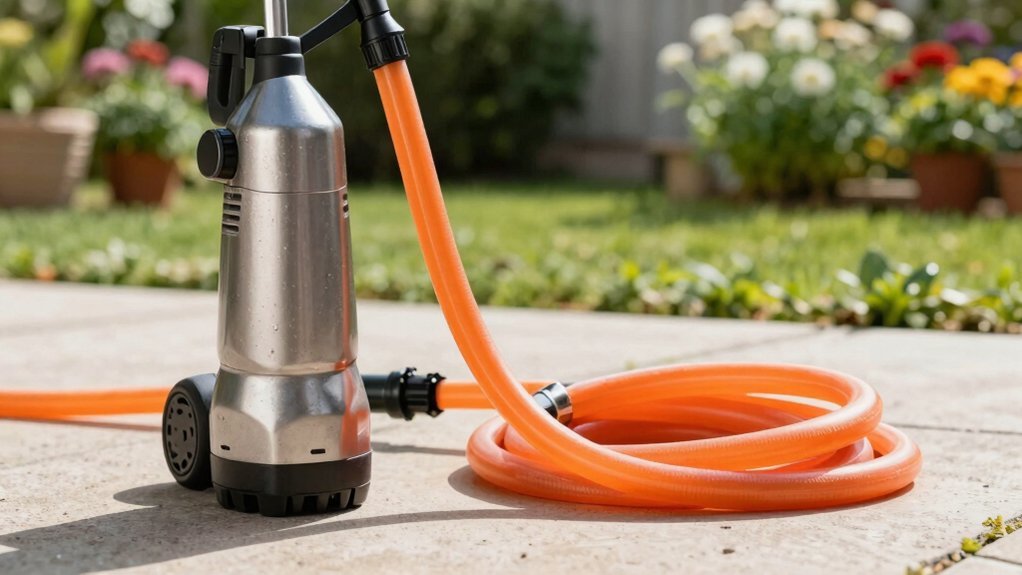
Yes, garden hoses freeze when water expands about 9 % into ice, creating pressure that can crack kinks, nozzles, and connections, especially if there’s no insulation. The water will start solidifying within six hours below 32 °F, and trapped water in fittings speeds the process. To prevent damage, shut off the supply, drain the hose, store it off the ground, or use a Freeze‑Miser, heat tape, or a heated hose. Keep reading for more detailed protection tips.
Why Garden Hoses Freeze
Even a small amount of water left in your hose can turn it into a pressure cooker when temperatures dip below 32 °F. The water expands about 9 % as it freezes, pushing outward on the hose wall and cracking the lining. Residual moisture gathers in kinks, nozzles, and spigot connections, so even a few drops can start ice formation overnight. Below 32 °F the freezing point reduction of pure water means ice appears quickly, and sub‑zero snaps accelerate the process. Because standard hoses lack insulation, heat loss is rapid, and insulation effectiveness becomes critical to slowing the temperature drop. Repeated freeze‑thaw cycles fatigue the material, making cracks and splits inevitable if you don’t drain and protect the hose. Proper storage and insulation techniques can significantly reduce the risk of damage. Ignoring system winterization can lead to costly repairs for both residential and commercial irrigation setups. Applying a drain‑and‑blow method to the hose before winter can also prevent internal pressure buildup.
How Fast Garden Hoses Freeze in Cold Weather?
Typically, a garden hose left outdoors will start freezing within six hours once temperatures dip below 32 °F (0 °C). The average freezing time shortens dramatically when water remains trapped in kinks, fittings, or the hose’s middle section, because expansion accelerates ice formation. Common hose freeze points include the exposed coil, the nozzle, and any connector where water pools. If the night temperature stays between 26 °F and 36 °F, you can expect the hose to solidify in as little as four to six hours. Materials matter: standard rubber or plastic stiffen at 32 °F, while freeze‑resistant models like Everlasting or Flexzilla stay flexible down to –13 °F or –40 °F. Wind, low humidity, and a lack of drainage further speed the process, so monitor temperature trends and hose placement closely. The water temperature in a hose can also rise to 140 °F under direct sunlight and pressure, increasing the risk of burst pipes when it later freezes. Understanding ground temperature influence helps predict how quickly a hose will lose heat and freeze. Using self‑regulating heat tape can safely keep the hose above freezing without risking overheating.

Beat the Winter: Treat your pipes right and stand up to the harshest winters. A small investment in a self-regulating pipe heating cable, a high return in protecting exterior water pipes from freezing. A helper in basements, drain, outdoor hydrants, pipe valves, faucets, etc. Perfect for plastic hose, and metal pipes.

Package Include: You will receive 1 pc heat tape for water pipes, the length is 38.5 inch, width is 6 inch, 1.2-1.6 inch in diameter when rolled up. The specification is 110V US standard plug, and the length of the plug power cord is 77 inch.
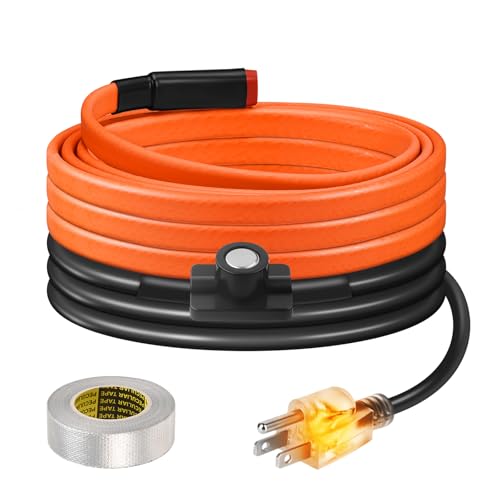
Introduction: IP65 Waterproof water pipe anti-freezing, snow melting, pipe heating heating tape. With a temperature sensor and a 3-foot power cord and a 6-foot heating Tape(8W/FT).
Safe DIY Thawing for Frozen Garden Hoses
When the hose finally freezes, you’ll need to thaw it safely before water pressure can cause a burst. First, shut off the water supply and detach the hose from the spigot; place a bucket underneath and open the faucet to let steam escape. This is the core of risk management and safety precautions. Use a hair dryer on a low setting, moving it continuously from the faucet end toward the frozen section, keeping a safe distance from water. If you prefer no electricity, wrap heavy towels around the frozen spot and pour hot (not boiling) water slowly over them; a gallon works for a spigot. Heat tape can wrap exposed pipes, but never use open flames. Continue heating until full pressure returns, then inspect for leaks before reuse. The RV’s fresh water tank was depleted, making the external hose essential for daily needs. Proper water pressure ensures effective suction when using a pool vacuum with a garden hose. Longer hoses increase pressure loss, so keeping the hose as short as possible helps maintain optimal performance. Regularly inspect the hose for cracks and insulated covers can protect it from future freezing.
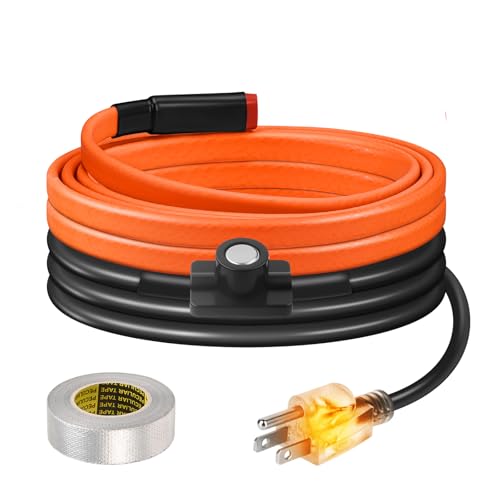
INTRODUCTION: IP65 Waterproof water pipe anti-freezing, snow melting, pipe heating heating tape. With a temperature sensor and a 3-foot power cord and a 3-foot heating cable(8W/FT). Box of the product might have a printing mistake saying that it's power capacity is 5W/FT but it supports upto 8W/FT

【Cable Certified】Unlike plug-only certified cables, our ENTIRE heating cable meets standards. Aluminum alloy shield (70% coverage) prevents shorts + TPE jacket resists UV/chemicals. Includes 5FT grounded plug with indicator light. Backed by product liability insurance.

【Excellent Heating Effect】:The heated water hose of rv accessaries can prevent water from freezing down to -47℉ (-42.7℃). Heated water hose is made certified drinking water safe hose. It can be used in RV,camping,chicken coops, homes,gardens and on trips,Helping countless families stay away from the plight of water shortage in extreme cold weather.
Install a Freeze‑Miser to Prevent Garden Hose Freezing
One simple way to keep your garden hose from freezing is to install a Freeze‑Miser on the outdoor spigot. Hand‑tighten the device onto a standard 3/4″ GHT spigot, turn the supply valve fully open, and guarantee at least 10 psi pressure. The polypropylene body with brass fittings activates at about 37 °F, releasing just enough water to keep the internal temperature above 32 °F, providing automatic freeze prevention and cold weather protection. Position it horizontally or vertically—if upright, the brass end must face down. For hoses up to 150 ft, mount the unit off the ground so it senses water temperature accurately. Use a Y‑valve for dual access, keeping the Freeze‑Miser side open when the hose isn’t in use. No batteries, electricity, or winterizing are required; once installed, it operates season after season with minimal water waste. Winterizing homes can be a daunting task, but the Freeze‑Miser simplifies the process by automatically adjusting water flow based on temperature. Freezing thresholds help determine when to disable irrigation to protect sprinkler components. Freeze‑damage risk is heightened when ground temperatures drop below 30 °F, making early preparation essential. Understanding pipe freeze points can guide homeowners in timing their winter protection measures.

Patented Temperature-Activated Design – Automatically activates as water temperature drops below 37°F/3°C, releasing only minimal water to prevent faucets from freezing.

Upgraded Ergonomic Handle: Equipped with an upgraded, easy-grip handle that provides a comfortable hold and smooth control

Solid brass: Xiny Tool brass garden hose shut off valve is made of solid brass, making the hose valve durable, leak-free and rust-proof.
Choose Between a Heated Garden Hose or DIY Heat Tape
Wondering which solution will keep your hose functional without a hassle? If you value portability and minimal setup, a heated garden hose is a ready‑to‑use unit that self‑regulates and activates only near freezing. The heated hose cost comparison shows a higher upfront price, but you avoid wrapping and frequent inspections. For stationary hoses, DIY heat tape offers lower initial expense—$15‑$30 per length—and can be paired with insulation sleeves for efficiency. Follow heat tape installation tips: wrap tightly, secure with zip ties, and extend the tape at connections for full coverage. Choose heat‑tape when you need targeted protection and are willing to check for wire damage; pick the heated hose for frequent moves and hassle‑free winter use. Camco hose often suffers expansion issues despite a pressure regulator. UV‑resistant coating can significantly prolong hose life by reducing material degradation. Proper drainage after each use can add up to 15 years of service life. Material quality plays a crucial role in determining how long an expandable hose can remain functional.

Premium Grade Drinking Water Hose: Camco's RV water hose is constructed with NSF/ANSI 61 certified hose for drinking water. Lead, BPA, & phthalate-free, this quality RV accessory prioritizes your health with every use.

Smart Energy-Saving Thermostat: RVGUARD heated water hose provides freeze protection down to -20°F (-28°C). The thermostat has a turn-on temperature of approximately 47°F (8°C) and a turn-off temperature of approximately 60°F (15°C). The heavy-duty UL listed heating cable has been increased to 7 watts/ft to improve the efficiency of the product.
Smart Energy-Saving Thermostat: RVGUARD heated water hose provides freeze protection down to -20°F (-28°C). The thermostat has a turn-on temperature of approximately 47°F (8°C) and a turn-off temperature of approximately 60°F (15°C). The heavy-duty UL listed heating cable has been increased to 7 watts/ft to improve the efficiency of the product.
Drain and Store Garden Hoses to Avoid Freezing
A few simple steps will keep your garden hose from freezing and cracking this winter. First, detach the hose from the spigot before temperatures dip; use pliers if the connection is frozen, then thaw it before disconnecting. Remove the spray nozzle and set it aside for spring. Drain completely by laying one end on the ground, elevating the other, and letting water flow out; hold the foot on the elevated end and connect the two ends to catch any spill. Push compressed air through the line to eliminate residual moisture. Clean with mild detergent, rinse, and hang to dry. Coil loosely into two‑foot circles, avoid kinks, and hang on a hose hanger. Store in a warm, dry area, following proper seasonal storage tips and hose insulation recommendations to protect against any remaining cold exposure. Close the shutoff valve to prevent the outside faucet from freezing. Consider checking the sprinkler control unit for any automatic schedules that might otherwise run water during a freeze. Use a sump pump to quickly remove any water that may accumulate in low‑lying areas during thaw periods.

【Premium Materials】Garden hose holder wall mount made of tough metal, rustproof and thickened, durability and last long. Ideal choice for outdoor hose storage.


Premium Aluminum Alloy Construction: Made from robust aluminum alloy, this garden hose holder is waterproof, rust-resistant, and designed with extra-thick material for enhanced durability, with screws specially upgraded to stainless steel to ensure long-term use
Garden Hose Freezing Quick‑Check Checklist
After draining and storing your hose, run through this quick‑check checklist before the first freeze.
- Verify you’ve disconnected the hose from the outdoor faucet; a broken seal stops cold water draining into the spigot.
- Confirm the hose is fully emptied—lay it on a downhill surface and let gravity pull the last drops out.
- Inspect the faucet and exposed pipe for insulation; wrap with towels, blankets, or foam sleeves, or fit an insulated faucet cover.
- Check that the hose rests in an insulated storage container or a heated garage, shed, or basement.
- Guarantee no water remains in the reel or hose coil; any trapped moisture can freeze and crack.
- Review the weather forecast; if a freeze is imminent, repeat steps immediately.
- Pressure buildup can cause leaks even when the system is off, so ensure all valves are fully closed.
- Regularly clean and replace any corroded fittings to prevent leaks caused by mineral buildup.
- Modern sprinkler systems often use staggered activation to balance pressure and avoid simultaneous flow, a principle that also applies to hose storage strategies.