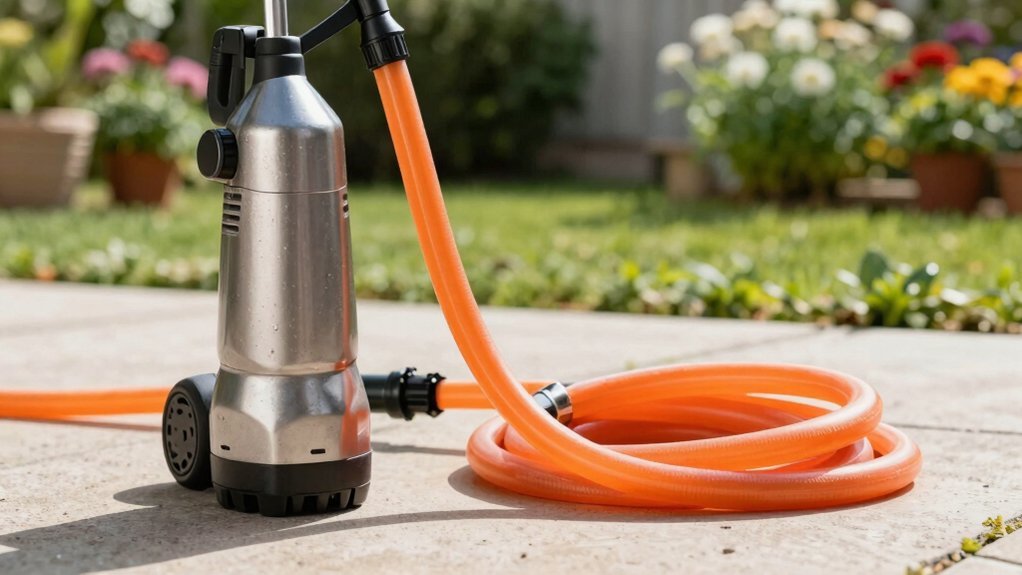
Flex Tape can seal a garden hose only if you clean and dry the spot thoroughly, cut a patch a bit larger than the hole, apply several overlapping layers, and let it cure for 24 hours before testing. Without that prep, the water pressure will pry the tape loose within seconds, and the ribbed hose surface prevents a proper bond. You’ll find the tape’s cost and short‑term fix often outweigh its benefits, and there are more reliable, budget‑friendly alternatives if you keep going.
Is Flex Tape Worth Using on a Garden Hose? (Quick Decision Checklist)
Even if you’re hoping for a quick fix, Flex Tape isn’t a reliable solution for garden‑hose repairs. You’ll quickly learn that hose pressure limits exceed the tape’s bonding strength, causing holes to burst open after a few seconds of water flow. The tape’s inadequacy shows up when you try to seal a wet, flexible hose; it needs a dry surface, takes 24 hours to cure, and still lets air bubbles weaken the seal. For a budget‑conscious DIYer, the cost of buying Flex Tape and then replacing a failed hose outweighs any temporary benefit. Stick to specialized hose‑repair tapes or replace the segment entirely—those options respect pressure limits and avoid the costly disappointment of flex tape inadequacy. The tape also failed to hold a high‑pressure water hose during testing. Flex Seal’s waterproof coating can be effective on rigid sprinkler pipes, but it is not suited for flexible hose material. Understanding psi and gpm is crucial for evaluating any repair method’s effectiveness. A pressure washer hose must match the psi rating of the washer to prevent catastrophic failure.

Permanent seal: This Gorilla tape creates a permanent bond that instantly seals out air, water, and moisture

EFFECTIVE FOR EMERGENCY LEAK REPAIR: Silicone self fusing tape works perfectly as a quick, temporary fix for leaking hoses, pipes, faucets, and sinks, as well as other plumbing repairs. It forms a reliable seal until permanent professional help is available.
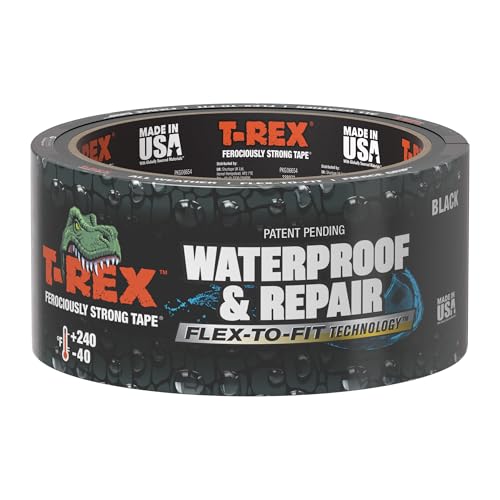
THE FIX-IT-ALL TAPE: Most versatile tape for quick repairs; add to repair kit for indoor and outdoor fixes including home, plumbing, automobile, marine, sporting and recreational equipment and more
What Did Our Real‑World Test Reveal About Flex Tape on a Garden Hose?
Usually, our real‑world test showed Flex Tape can’t stand the pressure of a garden hose. You watched water surge through a ½‑inch hole while the tape clung like a rubbery band, yet it peeled away within seconds, even after a second wrap. The commercial performance claims of “instant, waterproof fix” fell flat; the hose leaked from the top, bottom, and edges like a waterfall. In contrast, a Home Depot user review praised a quick repair, but that single testimony reliability doesn’t outweigh the consistent failures we recorded across three bucket tests, a metal barrel test, and multiple hose attempts. Your budget‑focused decision should factor in that the tape’s adhesive loses grip under active flow, making it an unreliable long‑term solution. The final seal never formed despite multiple applications. Using a self‑fusing silicone tape can provide a more durable, pressure‑resistant seal for small hose cracks. High water pressure is a leading cause of hose bursts, so any repair method must withstand the force generated by the municipal supply. Most residential hoses operate effectively between 40 and 80 psi, making optimal pressure range essential for reliable performance.
Why Does Flex Tape Often Leak on a Garden Hose (and How to Spot the Issues)?
Our test showed the tape peeled away as soon as pressure hit, and that’s exactly why Flex Tape leaks on garden hoses. The hose’s constant water pressure erodes the bond, and the ribbed or braided surface prevents a flush seal. If you see bubbles, gaps, or the tape lifting after a few minutes, that’s a sign of poor durability concerns and unsuitable materials used. Check for debris or oily spots before applying—any contaminant blocks adhesion. Remember the adhesive needs 24‑48 hours to cure; using the hose early will shift the tape. Single‑layer wraps and dull cuts also create weak spots. Spotting these signs early saves you from repeated, costly repairs. Ensure a clean surface before application. Proper pressure regulation helps maintain a consistent flow and reduces stress on the tape. Using a hose connector can provide a more reliable seal than tape alone. Correct hose diameter is essential for achieving optimal flow and preventing leaks.
How to Apply Flex Tape to a Garden Hose for the Strongest Seal
If you prep the hose properly, the tape will cling and hold under pressure. Start with proper surface preparation techniques: wipe away dirt, oil, and grime, then dry the area completely. Cut a patch a little larger than the hole, round the corners, and press it on as a first layer. Add a second, larger piece over the first, and a third if the hose runs low‑pressure. Peel the backing, then press from the center outward with a credit‑card or roller for at least one minute, squeezing out air pockets. Use a hair dryer on the back side for extra bond on porous material. Let the repair cure 24 hours before testing; this guarantees the long term durability of Flex Tape while keeping costs low. The lawn service may have damaged the hose, causing the initial leak. UV exposure can degrade the hose material over time, so protecting it with a UV‑resistant cover can prolong its lifespan. Consider the hose length when planning repairs, as longer runs may require additional reinforcement to maintain pressure. Longer hose runs increase pressure loss due to friction, which can affect the effectiveness of the repair.

THE FIX-IT-ALL TAPE: Most versatile tape for quick repairs; clear color for discreet repairs; add to repair kit for home, marine, sporting and pool patching applications; repair recreational equipment such as pools, pool covers, boat covers, inflatables, tents, canopies and more
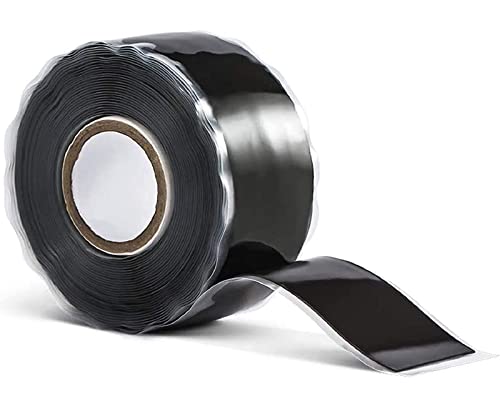
VALUE PACK: You will get 1 roll of hose repair tape that is 1 Inch wide, 10 FT long, and 0.5mm (0.02 inch) thick. This self-fusing silicone is durable and will meet your needs both in everyday life and at work.

FLEX TAPE is a super strong, rubberized, waterproof tape that can patch, bond, seal and repair virtually everything!
Top Garden‑Hose Repair Alternatives to Flex Tape
Even after perfecting the tape‑and‑dry method, many gardeners look for quicker or more durable fixes. If you need a fast, airtight seal, self‑amalgamating silicone tape is a top pick; it bonds instantly, stretches over any hose diameter, and survives high temperatures. For a permanent solution, brass hose repair couplings give you a threaded, metal‑to‑metal joint that outlasts any tape, though you’ll need clamps and a short cut. Gorilla Tape offers a budget‑friendly, multi‑purpose option that holds up in most backyard tests. Premium repair tape options like Eternabond and TitanPatch Pro show stronger real world testing results, with weather‑resistance and longer life spans, but they cost more. Choose based on how long you expect the fix to last and how much you’re willing to spend. High‑quality brass fittings have thicker wall construction, making them more durable than low‑quality versions. The material quality of garden hoses directly impacts their resistance to kinks and leaks. Metal garden hoses provide long‑term durability that can offset higher upfront costs. Standard garden hose thread sizes are typically available, ensuring compatible fittings for most repairs.
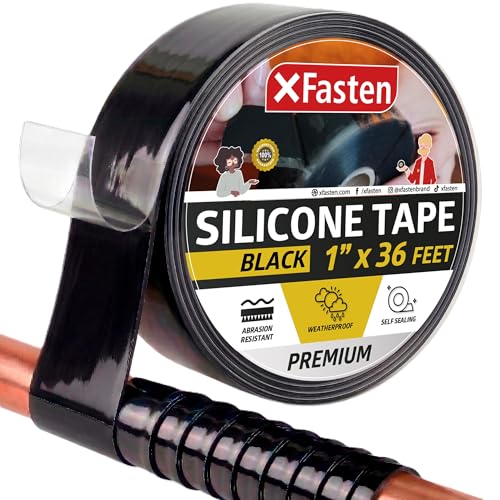
Self-fusing Silicone Tape that does not melt up to 260°C (500°F) making it ideal for emergency repairs for automotive, plumbing, marine, hose, electrical, indoor and outdoor applications.
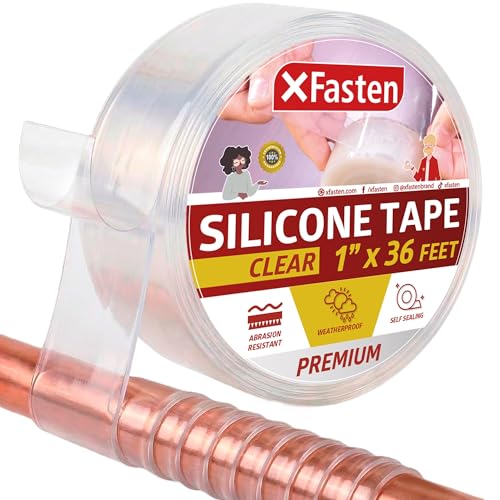
Self-fusing Silicone Tape that does not melt up to 260°C (500°F) making it ideal for emergency repairs for automotive, plumbing, marine, hose, electrical, indoor and outdoor applications.

▶【Specification】One roll Self Fusing Silicone Tape, 1 Inch Wide x 16.4 FT Long x 0.5MM Thick, Black Waterproof, Self-Amalgamating Repair Tape for Plumbing, Hose