You attach the vacuum head to a telescopic pole, lock it with the built‑in tabs, then connect the garden‑hose end to the head’s hook and tighten it to prevent leaks. Turn on the pump; the high‑speed water jet creates a venturi‑induced low‑pressure zone that pulls debris through the hose into the filter bag while excess water returns to the pool. Keep the head level, move it in overlapping passes, and watch for clogs or airlocks. Continue for’ll uncover detailed troubleshooting, maintenance tips, and upgrade signs.
Set Up Vacuum Head & Pole in Minutes
You’ll start by sliding the open end of the telescopic pole into the vacuum‑head handle, then push until the built‑in tabs click into the pole’s openings. This creates a secure pole attachment that locks the head in place without tools. Next, verify that the tabs are fully seated; a half‑clicked tab will loosen under water pressure. With the head mounted, you can connect the blue hose end to the head’s hook. Tighten the hose to prevent leaks, then pull the free hose end over a return jet to force water through the line. This step both secures the hose and guarantees hose priming before you move the unit into the pool. The whole process takes under a minute and read the system for effective cleaning. Tabs pop into openings on the pole. The activation temperature for most fire sprinkler systems is typically set at 155 °F (68 °C), which ensures they trigger before fire spreads. Understanding the main pipe role helps ensure water reaches all components efficiently. The compact housing of a sprinkler valve often includes a transparent cover that reveals the internal diaphragm.
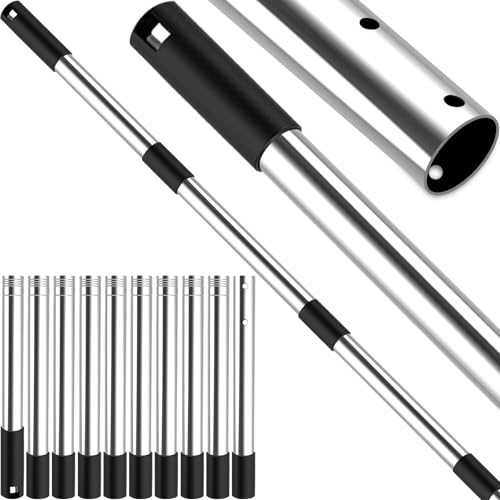
Enhanced Durability: Crafted with thickened Stainless steel pipe, telescoping pool pole is built to withstand rigorous use, promising long-term durability and stability even in intense cleaning sessions

RULE THE POOL » Reach every inch with this 13 foot heavy-duty aluminum telescopic pool extension pole, engineered with a lightweight, efficient construction that cuts through water resistance with ease - for fast, effortless skimming. This streamlined design glides across the surface in record time without the physical strain of heavy, outdated equipment.

TELESCOPIC POOL POLE - This pool cleaning pole is designed with a three-stage locking mechanism that allows you to easily adjust the length of the pole from 3.4 feet to 15 feet. Whether you have a ground or above-ground swimming pool, this pole is perfect for providing you with the extra range you need to clean your pool effectively.
Step‑by‑Step: Run Vacuum Across Pool Floor
Now that the head and hose are securely attached, lower the vacuum head into the water before connecting the hose to the filtration port. Turn on the pump to start suction, then pull the head slowly across the floor. Keep the head level, but adjust vacuum head angle when you reach walls or corners to keep the intake opening flush with the surface. Move in overlapping passes to maximize cleaning coverage and avoid missed spots. If suction drops, pause, clear the mesh bag, and resume. When the entire floor is clean, turn off the pump, detach the hose, and lift the head out of the water. Store the pole and head dry to prevent rust. The vacuum creates a low‑pressure zone that entrains debris into the water jet. Proper hose diameter is crucial for maintaining sufficient water pressure for effective cleaning. Adding a booster pump can help compensate for pressure loss when using longer hose runs.
Why the Water Jet in Your Garden Hose Pool Vacuum Pulls Debris?
A garden‑hose vacuum pulls debris because the high‑speed water jet creates a low‑pressure zone inside the vacuum head through the Venturi effect. The jet nozzle narrows the hose flow, accelerating water and dropping internal pressure far below the surrounding 40‑60 PSI supply. According to water pressure dynamics, this pressure drop generates a suction force that atmospheric pressure (≈14.7 PSI) exploits, pushing leaves, sand, and twigs into the head’s intake ports. Venturi effect principles dictate that the faster the jet, the larger the differential, so a clean, unclogged nozzle maximizes suction. The debris‑water mixture then travels through the flexible hose into the mesh bag, while excess water exits back to the pool, completing the capture cycle. The system also includes a high‑capacity mesh leaf bag that collects debris efficiently. This process exemplifies the continuity principle where the fluid’s mass flow rate remains constant as its velocity changes. Understanding friction loss helps you choose the right hose length and diameter for optimal performance.

Applicable: Suitable for 1-1/2 "spiral wound pool vacuum hoses, used to replace and repair broken hose ends, allowing the hose to continue to be used. Suitable for most pool vacuum hoses
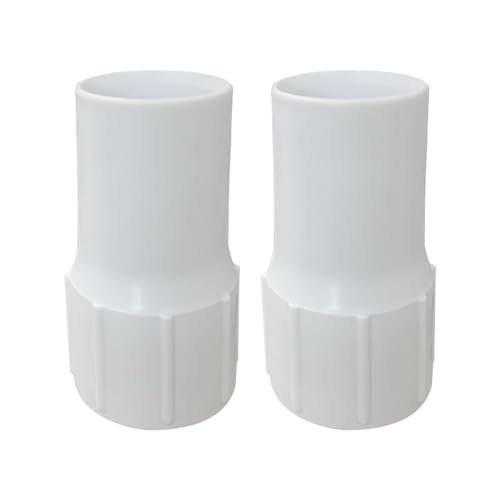
quality material: Our 1-1/2” POOL HOSE CUFF made of high-quality plastic, safe, durable and reliable,can you for a long time Use

EASY TO USE: The flexible, crush-resistant spiral-wound design lets you move around the pool without hassle while cleaning
Common Clogs & Quick Fixes
When debris builds up, calcium scales form, or air pockets get trapped, the garden‑hose vacuum’s suction drops dramatically, so you’ll need to identify and clear each type of clog quickly. Leaves, twigs, sand, and small toys block skimmer or return lines; pull the hose, disassemble the vacuum head, and shake out the debris. Calcium scale deposits narrow the pipe; run a high‑pressure jet from a drain flusher or bladder, then balance pH during Seasonal pool filter maintenance to prevent recurrence. Airlocks cause gurgling and weak flow; disconnect the hose, open the vent, and bleed water until steady pressure returns. For stubborn blockages, use a wet/dry shop vac on the garden hose, and consider Vacuum hose replacement options if cracking or kinking is evident. Use the Jandy valve to direct water flow while unclogging the bottom side. Properly releasing sprinkler head pressure prevents lawn damage when adjusting any irrigation component. Mowing over sprinkler heads should be done at a slower pace to avoid damaging the hose. Understanding water pressure regulation helps maintain consistent suction and prevents future clogs.

The product comes with a fine mesh collection bag (for collecting small insects and other tiny debris) and a regular mesh collection bag (for collecting larger debris like leaves), meeting your various cleaning needs

Large pool vacuum is specifically designed for removing big loads of leaves, dirt and debris from inground and above ground pools
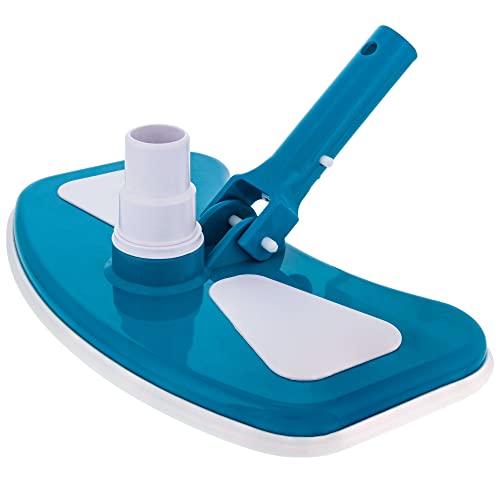
Premium quality, durable deluxe weighted butterfly 12" pool vacuum head with a swivel connection that accepts standard 1-1/4" and 1-1/2" vacuum hoses. Excellent for use in above-ground & in-ground swimming pools.
Maintain Your Garden Hose Pool Vacuum – Upgrade Signs
If you notice any of the listed performance drops, physical wear, odd noises, movement glitches, or pressure issues, it’s time to contemplate upgrading your garden‑hose pool vacuum. Identifying performance drop starts with checking suction; reduced power, missed debris, and cloudy water signal a failing filtration circuit. Detecting component failures involves inspecting hoses for cracks, fraying, or leaks, and listening for chugging, grinding, or whining sounds that betray motor or bearing wear. Examine belts, brushes, wheels, and diaphragms for tears or excessive wear, and verify that the vacuum follows its programmed path without random stops. When multiple indicators appear—low suction, clogged throats, loose connections, or damaged casings—replace the unit to restore reliable cleaning and avoid costly pool damage. Ensure the hose can withstand the required pressure rating, as using a hose with a lower pressure rating can lead to premature failure. Selecting a hose with the appropriate diameter size helps maintain optimal flow and compatibility with your vacuum system. Longer hoses can cause significant pressure loss, so consider the pressure loss when choosing hose length.
Quick Recap: Garden Hose Pool Vacuum Tips & FAQ
Because you’ve just finished the detailed setup and troubleshooting steps, this quick recap consolidates the essential garden‑hose pool vacuum tips and answers the most common questions, keeping the focus on proper hose sealing, suction initiation, and post‑vacuum care. Attach the hose to the vacuum head before the pole, submerge fully, then turn on water to create Bernoulli suction. Grip pole and hose together, move slowly over algae, use the waste setting for heavy debris, and never vacuum sand without it. After vacuuming, shut off water, empty the bag, and run circulation until clear. Test pool chemicals with strips, shock if needed, and store the hose and accessories in a dry, safe storage location. This routine guarantees optimal performance and longevity. The pump‑charged hose creates enough suction to lift small debris without a dedicated filter. Most residential hoses operate effectively between 40 and 80 psi, which aligns with typical pool vacuum suction needs. Selecting a hose with a larger diameter can significantly increase flow rate, especially when the water pressure is high. Longer hoses experience greater friction loss due to increased surface contact, which can reduce suction efficiency.