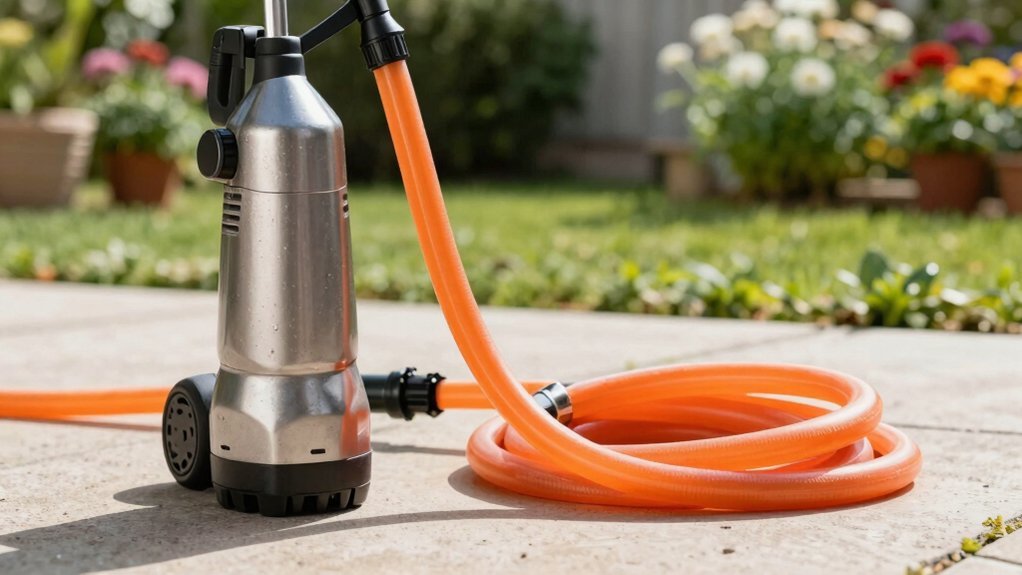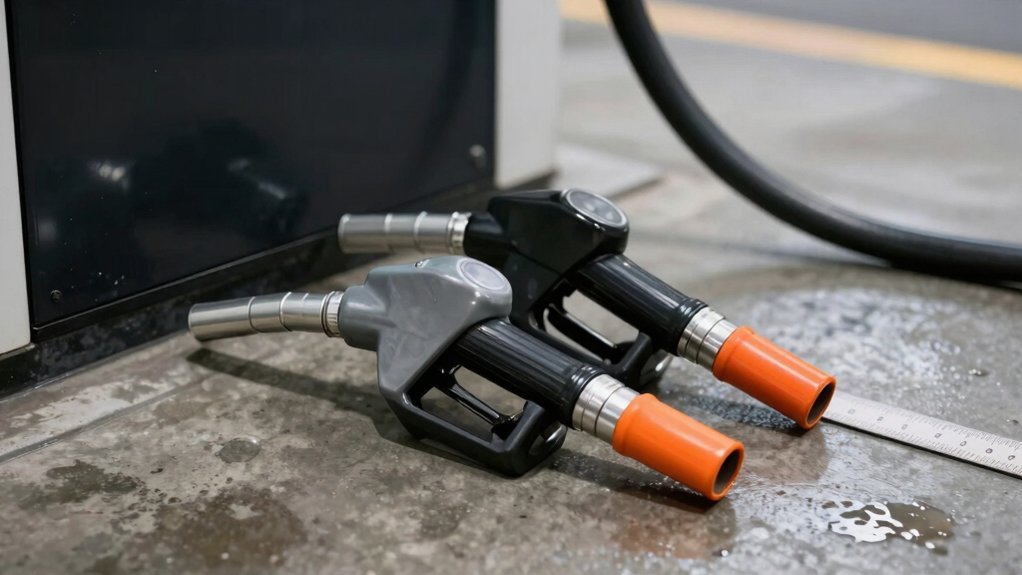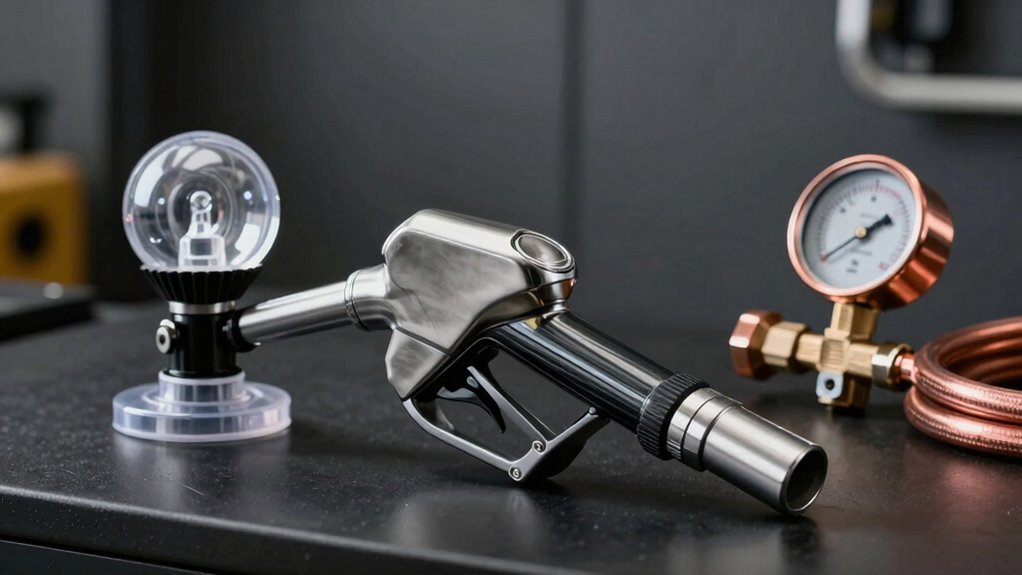
A garden‑hose pressure washer can lift surface grime, but its 150 PSI limit and 8 GPM flow make it far less effective than a true 1,500‑plus PSI unit, which concentrates energy into a high‑velocity jet and uses only 2–3 GPM. You’ll waste water, struggle with oil, rust, or deep stains, and risk mold growth from unfocused spray. It’s okay for light dusting or car rinses, yet for serious cleaning you’ll need more pressure, lower flow, and proper nozzles. Keep reading to uncover the exact performance gap and how to boost it.
How Do Garden Hose Pressure Washers Compare to Real Pressure Washers?
How do garden hose pressure washers really stack up against genuine pressure washers? You’ll notice cleaning effectiveness differences immediately. A garden hose tops out at 150 PSI, delivering a broad spray that only lifts surface grime. Real pressure washers generate 1,500 PSI or more, focusing a high‑velocity jet on a single point, which penetrates embedded mold, algae, and oil. When you face stubborn grease or deep‑set stains, specialized cleaning requirements demand hot‑water or rotary‑nozzle attachments that a hose can’t provide. The hose’s unfocused flow spreads soap, risks mold growth, and wastes water. By contrast, a true pressure washer concentrates energy, removes contaminants at the source, and leaves lasting results without over‑watering surrounding areas. This technical edge translates into faster, more efficient clean‑ups for any tough exterior surface. Foam cannon provides a more thorough and effective clean. Using a low‑pressure foam gun can adapt a garden hose for foam‑cannon use when a pressure washer is unavailable. Selecting a hose with a higher pressure rating ensures it can safely handle the increased force without bursting. Most residential hoses operate effectively between 40 and 80 psi, which aligns with typical household water pressure of 50–60 psi.

【Universal Fit for Standard US Hoses】: This high pressure water hose nozzle is equipped with a 3/4 Inch GHT Thread Garden Hose Quick Connector, connect fittings with rubber washers for a leak-free seal. Designed to match standard American garden hoses perfectly so that you can connect and disconnect in seconds — no tools, no hassle. The solid brass build and watertight rubber seal guarantee zero leaks.

【2-in-1 Foam Cleaning Spray Gun】 This high pressure water hose nozzle comes with a removable foam bottle and 9.2-inch wand. The foam bottle sprays thick, even foam onto cars, yards, windows, pets, and other surfaces, loosening dirt and stains. Switch to the spray arm, and the high-pressure stream washes away foam and dirt. No need to change tools or bend over. Whether used as a high pressure hose nozzle or with a larger system, this 2-in-1 design simplifies outdoor cleaning.
What Water Savings Can You Expect With a Garden Hose Pressure Washer?
While a garden hose can spray a lot of water, its low pressure means you’ll spend more time and gallons to get the job done. A typical faucet delivers 8 gpm, but a pressure‑washer attachment cuts flow to 2–3 gpm while raising PSI to 1500‑2000. This high‑pressure jet cleans 75 % faster, so you use roughly 25 % of the water a hose would. For patio furniture you might spend 20 L with the washer versus 100 L with a hose; a car wash drops from 66.5 L to 16.5 L. The key is flow rate optimization: reducing volume while increasing pressure multiplies cleaning power, boosting watering efficiency and slashing total consumption by up to 80 %. Karcher pressure washers can even be run from a bucket without sacrificing performance. The diameter of the hose also influences how much water can flow through it at a given pressure. Longer hoses increase friction loss, further reducing pressure. A standard garden hose typically uses 5–10 gpm which translates to 300–600 gallons per hour.
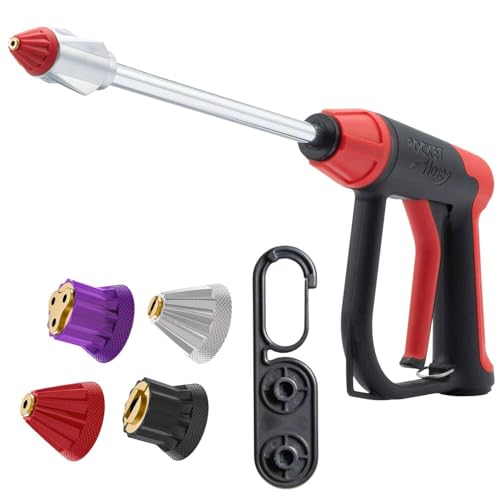
4 PRECISION TIPS INCLUDED: Comes with Jet Stream (Red), Triple Blast (Purple), Flat Spray (Black), and Wide Stream (White) for targeted cleaning, light sweeping, and gentle watering

PACKAGE CONTENTS & IMPORTANT FITMENT NOTE: This kit includes 1 high-pressure garden hose spray wand, 1 detachable foam soap dispenser, and 3 heavy-duty metal connectors (garden hose is NOT included). Important note: This wand adopts a quick-connect water inlet. To connect it to a standard US 3/4'' garden hose, you will need an additional 3/4-inch quick-connect hose adapter (sold separately). This set is ideal for users who already have a quick-connect hose system ready.

☄【Why Choose us】: Heavy and expensive electric power washer makes cleaning watering task complicated. This washer wand is inexpensive, handy, light weight(compare to electric power washer), small but enough to fulfill home cleaning watering tasks. This jet nozzle washer suit for whole family to enjoy: No electric and less pressure than electric power washer, safe to children; light weight, handy easy to use for wife and man. Please note that this is not substitute for a strong high pressure electric power washer, this wand itself is not high pressure, basically count on your house water pressure, please do not expect much pressure from it, hope you know this before purchase.
Which Stains Will a Garden Hose Pressure Washer Tackle?
A garden‑hose pressure washer can take on a wide range of stubborn stains, from oily driveway spots to mold‑covered walls, by matching the right nozzle and pressure setting to each contaminant. For oil and grease on concrete, you’ll select a shorter nozzle to focus the stream and crank the pressure just enough to break the film without etching. Add optional surfactants if the grime is thick. Mold or mildew on walls and wood needs a wide‑angle nozzle, a bleach‑water pre‑treatment, and low pressure so the suds coat the surface without splattering. Rust on metal benefits from a rotating or turbo nozzle, gradually increasing pressure after a rust remover has soaked. Calcium deposits and other mineral buildup respond best to high‑pressure bursts from a tighter nozzle, dislodging hardened particles efficiently. Using a pressure washer can also accelerate the removal of deep‑set black spots on concrete slabs when combined with a sodium hypochlorite solution. Selecting the correct nozzle influences both cleaning efficiency and safety, as a tight spray concentrates force while a wide‑angle spray distributes it more gently. Choosing the proper nozzle size ensures optimal material coverage and consistent spray pattern across varied surfaces.

HEAVY-DUTY & PREMIUM BRASS MATERIAL: Our set includes 2pcs brass hose shut off valve with brass handles & 2pcs brass hose jet nozzles. The solid brass material ensures durability and longevity, while the rugged design allows it to withstand accidental drops and bumps. Extremely durable and resistant to rust. You can use it for extended periods without worrying about wear and tear, and it can withstand high water pressure without cracking or leaking.

💦【 Adjustable Spray Gun for Targeted Cleaning】 Easily adjust water pressure and spray direction to tackle different cleaning tasks — from yard work and car washing to pet area cleanup.

Package included 1* brass hose shut off valve + 1* brass water hose high pressure jet sweeper sprayer nozzles.
When Is a Garden Hose Pressure Washer the Right Tool?
Ever wonder when a garden‑hose pressure washer actually makes sense? You’ll choose it for light, routine tasks where high PSI isn’t required—dust removal from siding, rinsing a car before a deeper wash, or cleaning a patio that only needs a gentle spray. The low pressure (50‑80 PSI) cuts surface damage risk on fragile materials like painted wood or delicate landscaping, letting you control flow without fearing gouges. Workflow convenience shines in DIY, small‑scale residential projects: the hose is already hooked up, needs no power source, and sets up in seconds, so you can start cleaning immediately. Opt for this tool when the job is short, the surface is sensitive, and you prioritize minimal setup over deep, aggressive cleaning. Typical garden‑hose nozzles generate 30‑80 psi depending on source pressure and hose length. Understanding Bernoulli’s principle helps explain why the nozzle can increase speed while reducing pressure. Connector compatibility is also crucial, as most garden hoses lack the high‑pressure fittings required for true pressure washers.

【Professional After-sales Service】 We are committed to providing excellent after-sales service, and all questions will be resolved within 24 hours. If you have any questions or concerns about our hydro jet high-pressure power washer, please feel free to contact us. We will provide professional after-sales support to make your purchase worry-free.

【FITS ALL STANDARD GARDEN HOSES】 The water hose nozzle fits all standard American garden hoses with 3/4 inch garden hose thread (GHT). No adapter required, just connect and go!
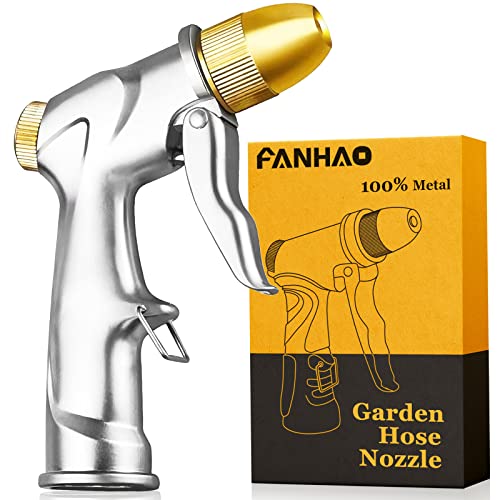
FITS ALL STANDARD GARDEN HOSES & LEAK PROOF -- Fits all USA-based garden hoses - 3/4” Garden Hose Thread (GHT). No adapters necessary! One piece design and multiple internal rubber o-ring washers provides a durable tight seal to eliminate leaks.
How Do Costs and Energy Use of a Garden Hose Pressure Washer Compare?
If you compare the numbers, a garden‑hose setup consumes far more water than a pressure washer for the same job—typically 5‑10 GPM versus 1.5‑3 GPM—so a 30‑minute driveway clean can use 180‑300 gallons with a hose but only about 60‑75 gallons with a consumer‑grade washer. The hose’s zero‑energy draw eliminates electricity costs, but the water‑use spike drives up utility bills and raises energy efficiency concerns when you factor in municipal pumping. A 1500 W pressure washer consumes roughly 1.5 kWh per hour, costing about 37 p for an hour of operation, yet it slashes water consumption by up to 75 %, delivering clear water conservation benefits. Over 50 hours, electricity expense ranges $9.75–$18.00, while the hose’s water‑only cost can exceed $0.30 per 30‑minute session, highlighting the trade‑off between energy use and water savings. The typical water flow rate for a garden hose is about 5‑10 GPM and can be calculated using local water prices. Understanding nozzle sizing helps you match flow to pressure for optimal cleaning efficiency. Proper spray pattern selection further enhances cleaning performance while minimizing waste.
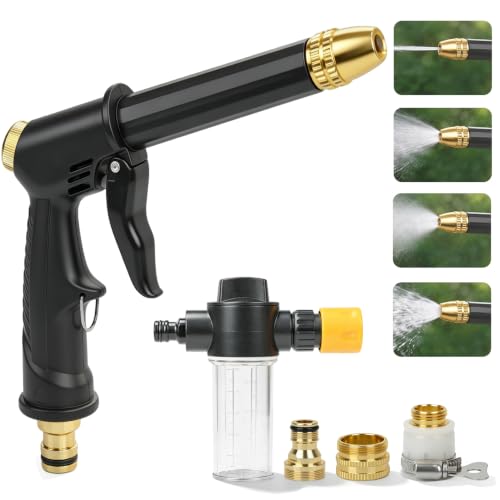
Strong water flow helps with efficient cleaning: This high pressure water sprayer can spray a strong and concentrated water flow, quickly removing dirt and dust from cars, lanes, and outdoor surfaces. It is very suitable for household cleaning and gardening purposes.
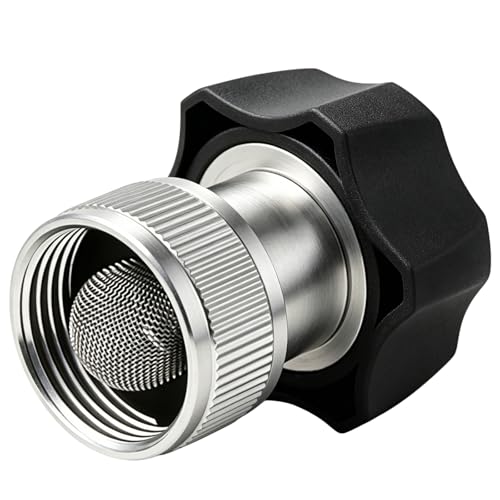
Universal Adapter: 3/4” Garden hose connection adaptor.

🌊【Use Tips】Our pressure washer for garden hose comes with a hydro jet washer wand, 2 quick connectors, 2 spray nozzles, water-resistant accessories, a user manual, and a beautiful packaging box. Please note that the pressure mostly depends on your water system pressure. If you need extra water pressure, you can use the water wand with a pump or car washer together.
What Tricks Boost Performance of a Garden Hose Pressure Washer?
Where can you squeeze the most power out of a garden‑hose pressure washer? Start by cleaning the nozzle: soak it in warm,apy water for 15‑20 minutes, scrub out mineral deposits, rinse, and reattach. Replace worn nozzles with high‑pressure models to improve nozzle performance. Submerge the hose in a 1:1 water‑vinegar mix for 24 hours to clear internal blockages, then shorten the line—keep it under 150 ft and use a 5/8‑inch or larger diameter to enhance hose flow efficiency. Eliminate kinks, tighten all fittings, and inspect for leaks; a straight, leak‑free hose maintains pressure. Adjust the regulator screw or add a booster pump to raise supply pressure, and bypass unnecessary splitters. Finally, verify gains with a gauge, staying below 60 psi. Pipe diameter also plays a critical role in maintaining optimal flow. Using a 1/4‑inch hose is ideal for light, short‑run tasks where high pressure isn’t required. Understanding the hoselength helps you balance reach and water volume for different garden sizes. Consider the pressure loss when selecting hose length to ensure efficient performance.