If your water source can’t consistently hit the pressure (psi) and flow (gpm) your sprinkler zones demand at peak times, you’ll need a pump. Check the lowest supply pressure during simultaneous zone operation and compare it to the system’s required PSI; the deficit tells you the boost needed. Verify that the pump’s flow rating meets the highest zone GPM and that its total head exceeds the pressure shortfall. Choosing the right pump style and proper installation will keep the system reliable, and the next sections explain how to size and set up the pump correctly.
Do I Need a Sprinkler Pump for My System?
Do you really need a pump for your sprinkler system? You evaluate water source accessibility and calculate the peak GPM of the largest simultaneous zone. If municipal pressure meets the PSI requirement for every sprinkler head, a pump adds no benefit. However, when pressure testing shows a shortfall, you must size a pump to lift the total head—including suction lift, elevation, and friction losses—so each zone receives the same PSI. Guarantee sprinkler zone redundancy by confirming that each zone can operate independently at the required flow; this prevents a single pump failure from disabling the entire system. Match the pump’s flow rate to the calculated peak demand, avoiding undersized or oversized units that would cause uneven coverage or head damage. Accurate pump selection requires the homeowner or system designer to provide specific flow and pressure data. Understanding head loss is essential for correctly sizing the pump and ensuring consistent pressure across all zones. Properly balancing water distribution among zones helps maintain uniform irrigation and conserves water.
Which Water Sources Need a Sprinkler Pump?
A sprinkler system needs a pump whenever its water source can’t deliver the required flow and pressure at the point of use. Domestic water often meets pressure needs for low‑volume headslers, but if the municipal line is low or you face water bans, a booster pump becomes essential. Well water typically exceeds the 15 gpm minimum for landscape irrigation, yet household pumps limited to 5 gpm won’t suffice; you’ll need a dedicated pump and must register capacities over 70 gpm. Surface ponds require pumps placed within 30 ft suction distance; centrifugal or propeller units handle low head, but sediment filtration is critical to prevent clogging. Rivers and streams provide cheap water but demand storage and reliable pumps, and permits may apply. Natural springs need basins and flow verification; rainwater or gray water generally lack pump specifications. In all cases, assess water hardness and install appropriate sediment filtration to protect valves and emitters. Municipal water systems often include pressure regulators that can affect pump sizing. Proper sprinkler head spacing ensures efficient water delivery across the field. Selecting a pump with a variable speed motor can optimize energy use and adapt to fluctuating demand.

Designed To Protect And Preserve Pump Motors
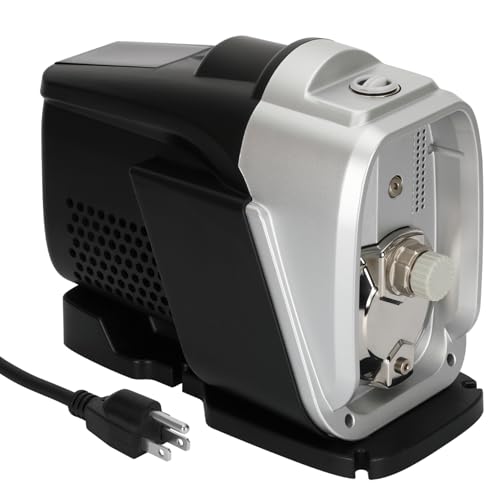
【Intelligent Constant Pressure Regulation】The water pressure booster pump whole house water booster pump is equipped with an adjustable pressure system featuring a range of 1.5 - 5.5 bar (22 - 80 PSI) and a maximum flow rate of 1347 gallons per hour. This smart pump automatically adjusts its performance based on real-time water demand, effortlessly meeting the constant pressure water supply needs of various scenarios, including whole-house, kitchen, and bathroom applications

Adjustable Pressure: Built-in precision pressure sensors monitor water demand in real time, automatically adjusting pump performance to maintain optimal water pressure at every faucet throughout the home. Maximum flow rate reaches 1268 GPH, with a maximum head of 148 FT. Pressure settings range from 22 to 73 psi.
How Low Municipal Pressure Determines Sprinkler Pump Size?
When municipal pressure falls below the sprinkler system’s design requirement—typically around 30 psi—you must calculate the deficit and select a pump that can bridge the gap while delivering the necessary flow. First, record the lowest municipal supply pressure from a gauge during peak demand. Subtract that value from the required boost pressure, which equals the sprinkler head operating pressure plus head losses. For example, if your system needs 30 psi and the supply is only 10 psi, you need a 20‑psi boost. Next, verify that the pump’s flow rating meets the zone’s GPM demand; a pump sized for 150 % of flow at the calculated pressure differential provides margin for residual pressure variations. Guarantee the pump’s total head exceeds the municipal supply pressure deficit and any friction losses, ensuring consistent delivery across all sprinkler zones. A pressure tank can also buffer pump cycling and protect the system from water hammer. Properly sizing the pump also helps maintain the sprinkler head flow rate within the design specifications. Selecting a compressor with appropriate CFM and PSI ensures efficient blow‑out of the system when pressure is insufficient.
How to Size GPM & PSI for Sprinkler Pump Zones?
One of the first steps in sizing a sprinkler pump zone is to determine the zone’s peak flow (GPM) and the pressure (PSI) required to deliver that flow. Multiply the number of heads by each head’s GPM rating; a zone with five 3‑GPM heads needs 15 GPM, while a mix of three 3‑GPM and two 5‑GPM heads demands 19 GPM. Use manufacturer nozzle charts to confirm GPM at the target PSI, typically 40‑50 PSI for most heads, increasing to 65 PSI for 50‑foot spacing and higher for radii over 45 feet. Select sprinkler heads for pump that match this flow‑pressure envelope, then size the pipe (1‑inch for 5‑15 GPM, 1 ¼‑inch for 15‑30 GPM) and calculate total dynamic head. Finally, set up pump control logic to match the zone’s peak GPM and PSI while preventing over‑pressurization. Peak flow is identified by the zone with the greatest number of heads or highest water demand. Proper nozzle selection also ensures that each head operates within its optimal coverage area for uniform watering. Zone capacity is limited by pipe diameter and available water pressure, which together determine the maximum number of heads that can be effectively supplied. Balancing soil types is essential for ensuring each zone receives the appropriate amount of water based on its specific moisture needs.
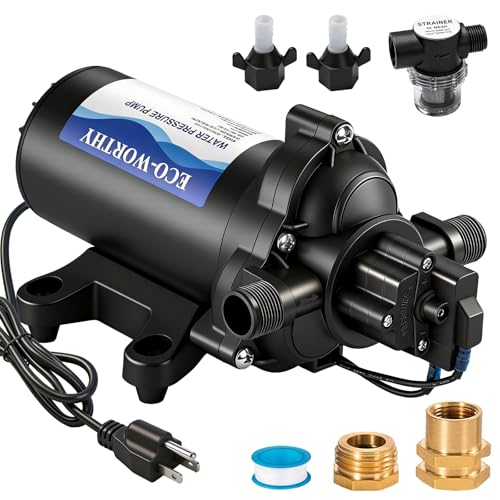
Diaphragm Pump: 110V AC water diaphragm pump provides 4.0GPM flow capacity. Turns on and off using water pressure at 50PSI, 1.3 Max amps. AC power supply, no need to carry marine battery with you

Diaphragm Pump Specifications: 110V AC water pump features 5.5 gallons per minute water flow, the pressure switch is set to 70PSI, Self-Priming up to 9.8 vertical feet, lift up to 131 feet. 1.6 Max amps; excellent performance in all aspects

[ SPECIFICATIONS ]: Model: SFDPA1-033-045-33 | Voltage: 115V | Flow Rate: 3.3 GPM (12.5 LPM) | Shut-Off Pressure: 45 PSI (3.1 BAR) | Max Draw: 1.0A | Self-Priming Lift: 6 ft | Ports: 1/2"-14 MNPT | Max Temperature: 140°F (60°C) | Diaphragm: Santoprene | Valves: EPDM | Certifications: NSF/ANSI/CAN 61 & 372, NSF 24, UL 778, | 4-Year Warranty
Which Sprinkler Pump Style Fits My Source?
After calculating the zone’s peak GPM and required PSI, you need to match those demands to the characteristics of your water source. Pump selection factors hinge on source depth, flow consistency, and priming ability. If you draw from a reservoir, lake, or shallow well, a surface centrifugal pump works, but you must prime it and accommodate suction‑line losses. For ponds or streams where you prefer self‑priming, a self‑priming centrifugal pump keeps water in its casing, reducing start‑up effort. Submersible pumps excel when the intake sits fully submerged, eliminating priming and offering stable flow for municipal or well sources. Jet or turbine pumps address fluctuating shallow groundwater, while booster pumps raise low municipal pressure without extracting from natural bodies. Align each style with your water source requirements to guarantee reliable sprinkler performance. Some sprinkler valves incorporate built‑in pressure regulators to maintain consistent pressure across varying flow conditions. Properly sized valves prevent excessive pressure spikes that can damage both the pump and irrigation heads.

[Model]: Model number of the A-Outstanding self-priming centrifugal pump: GT15.

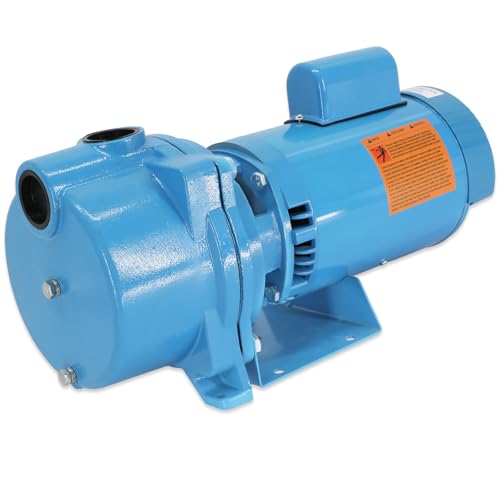
[GT15 Self-priming Pump] Self-priming centrifugal design draws water from ponds, tanks, or wells. The impeller ensures consistent flow for irrigation or water transfer without manual priming.
How to Install and Prime a Sprinkler Pump?
Need to get your sprinkler pump up and running quickly? First, turn off power at the breaker and inspect every component for cracks. Secure the pump to a concrete slab with factory‑recommended bolts, then measure pipe runs twice to guarantee accurate sizing. For pump location considerations, place the unit on a level base near the water source, but high enough to avoid flood damage. Install a basket strainer at the suction inlet, attach a check valve unless you have a self‑priming pump, and protect the suction line with insulation or bury it for freeze protection. Connect electrical wiring with wire nuts, apply Teflon tape to threaded fittings, and flush hoses before attachment. Prime by filling the casing and suction pipe slowly, using a hand pump if needed, then close the field valve and monitor pressure. After confirming flow, briefly run the pump to purge remaining air, open relief valves, and verify consistent pressure. Finally, winterizing sprinkler pump by draining water, adding antifreeze, and sealing all openings. Shut down the pump before beginning the priming process. Proper zone planning ensures each area receives the correct amount of water based on plant type and sun exposure. Ensure the system’s static pressure meets the minimum requirements for optimal sprinkler performance. Verify that the pump’s flow rate matches the sprinkler head specifications to avoid under‑ or over‑watering.

MULTIPLE HOSE KIT: This is a 13-foot (4 m) long aspiration hose set, including an adapter and check valve end with filter cover.

Electric Water Transfer Pump: Volts/Frequency:115V/60 HZ; Power:1/10 HP; Max.Flow Rate:330 GPH; Discharge:3/4 in.GHT; Max.Suction Lift:6 feet; Max.Discharge Head:40 feet; Discharge Port:3/4 Inch; Suction Port:3/4 Inch. This is non submersible transfer pump, so do not get the motor wet.

Powerful 110V Water Pump: Designed for consistent fresh water delivery, this water pressure pump provides reliable 5.5 GPM water flow at 55 PSI. This design minimizes cycling, ensures steady pressure, and enhances durability.
Common Sprinkler Pump Problems & Easy Fixes?
What’s most likely causing your sprinkler pump to falter is a combination of mechanical wear, electrical faults, and hydraulic blockages. Check power supply and switches first; a dead circuit stops flow entirely. Inspect the inlet filter and foot valve for weeds or silt, and tighten suction pipeline joints to eliminate air leaks. Look for cracks in the suction line and verify water depth in the source to prevent starved operation. For low pressure, examine impeller wear, clogged nozzles, and hard‑water deposits; clean or replace as needed. Verify that zone count doesn’t exceed pump capacity, and seal any supply‑pipe leaks. If the pump won’t start, test the capacitor, starter relay, and wiring for corrosion or looseness. Overheating often stems from low voltage or excessive load—ensure proper head and flow rates. Finally, address shaft‑seal leaks, housing cracks, and impeller debris to reduce noise and protect components, which also aids in preventing sprinkler pipe freezing and maintaining sprinkler system components. Uneven watering can also indicate a failing valve that needs cleaning or replacement. Regularly inspect the system for cracked seals to catch leaks before they worsen. Proper valve maintenance schedule can significantly extend overall system lifespan.


Compatibility: The replacement part is specifically designed for compatible with K-Rain 24V relay coil systems, which is used in sprinkler irrigation systems. This low voltage allows for safe and reliable control of the pump.

Features an internally fan cooled motor which delivers consistent performance under heavy load