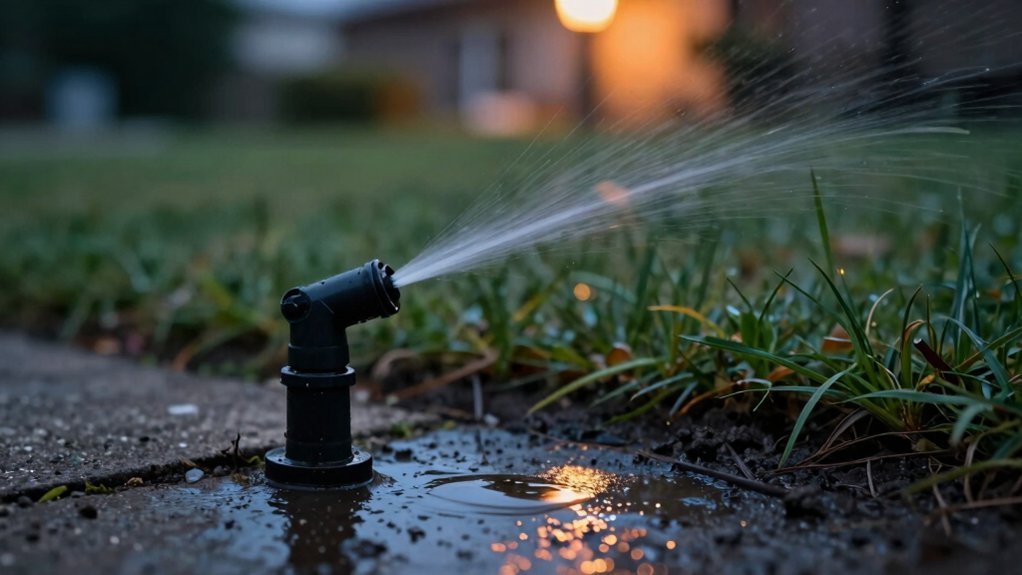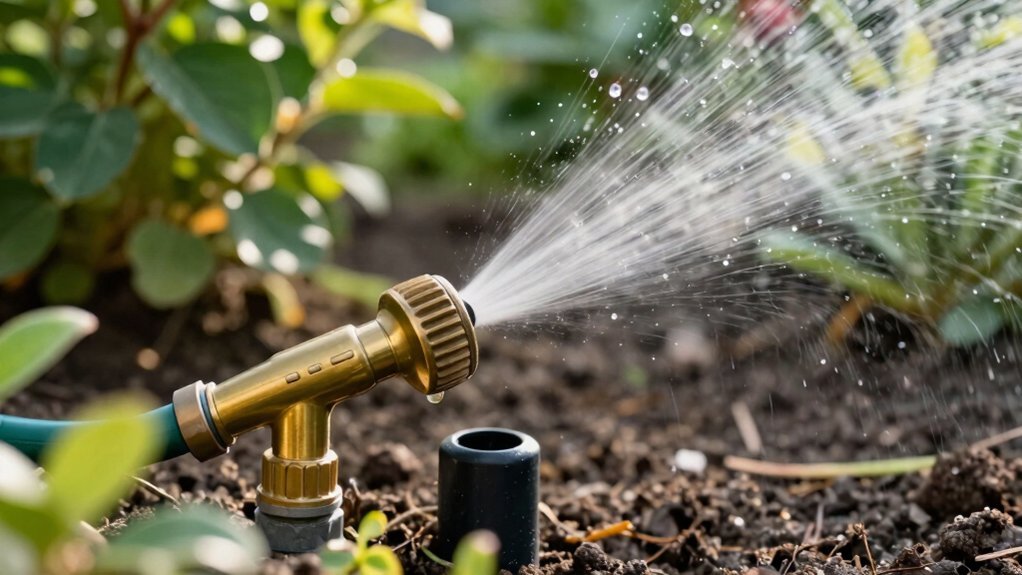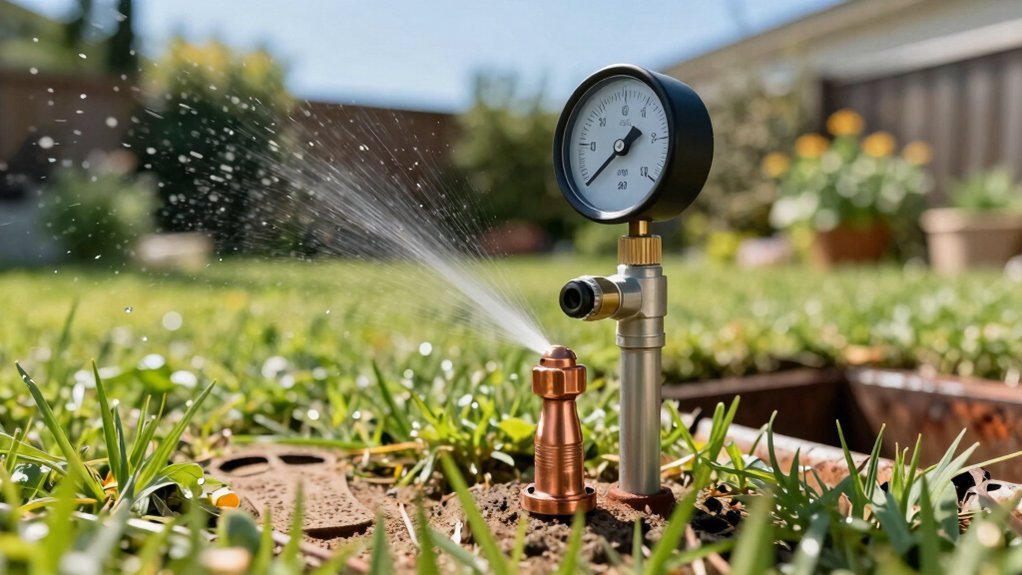
Yes, you should winterize your Texas sprinkler system whenever temperatures near 32 °F, because even a brief freeze can crack shut‑off valves, rupture above‑ground PVC, and damage backflow preventers, risking leaks and contaminating municipal water. Proper drainage or insulation removes residual moisture, protecting components and extending system life. The exact steps vary by USDA hardiness zone, but all zones benefit from shutting off the controller, draining lines, and insulating exposed parts. Continue for detailed zone‑specific guidance and a step‑by‑step checklist.
Do You Really Need to Winterize Your Sprinkler in Texas?
Why should you worry about winterizing your Texas sprinkler? Freezing temperatures in Central Texas can crack shutoff valves, and sudden overnight freezes in Austin catch unprepared systems off guard. You must compare northern versus southern Texas practices: North Texas often needs only controller resets, while Southern zones winterize only when forecasts dip below 32 °F. Evaluate cost‑effective winterization strategies by shutting off the irrigation controller, isolating the water supply, insulating exposed PVC, and draining backflow preventers. Skipping these steps risks burst pipes and costly repairs. Central Texas recommends a mid‑December shutdown before the first hard freeze; Houston requires action only if temperatures fall below freezing. Implementing these measures protects components, limits expense, and maintains system reliability. Extended cold spells have become more common in recent years, prompting many Texas homeowners to reconsider their winterization plans. Proper drainage of the system prevents frozen water damage and extends the lifespan of the irrigation infrastructure. Compressed air can be used to fully clear water from the lines, ensuring no residual moisture remains that could freeze. Understanding the 20 °F threshold helps homeowners decide when to begin winterization.
Identify Your Texas Climate Zone and What It Means for Winterization
Understanding which USDA hardiness zone you live in directly shapes how you winterize your sprinkler system. In zone 6b‑7b, expect 0°F‑10°F lows; you’ll need full shutdown, blowout, and robust above ground pipe insulation. Zone 7a‑8a tolerates 5°F‑15°F, so a controller shutoff, meter isolation, and targeted pipe insulation suffice. Zone 8b‑9b experiences 15°F‑25°F; a simple controller disable, water supply drain, and occasional pipe insulation protect against short freezes. Zone 9a‑10a rarely drops below 20°F, requiring only controller turn‑off and backflow drain, with minimal insulation. For any zone, remote access winterization lets you monitor and adjust settings without on‑site visits, reducing exposure to unexpected cold snaps. Proper water pressure management during blowout prevents pipe damage and ensures an efficient winterization process. Additionally, be sure to check for leaks after the system is re‑pressurized to avoid water loss and potential damage.
Spot the Most Vulnerable Above‑Ground Parts of a Texas Sprinkler
When temperatures dip below freezing, the components most exposed to the elements—backflow prevention assemblies, above‑ground PVC pipe sections, sprinkler heads and risers, isolation valves with fittings, and outdoor timers or controllers—become the weakest links in a Texas irrigation system. You should inspect each backflow assembly for water trapped in the chamber; any ice expansion will crack or burst the unit. Above‑ground PVC pipe sections and their fittings are prone to rupture under ice pressure, especially near water meters. Sprinkler heads and risers often misalign or leak after freeze‑thaw cycles, so verify seal integrity. Isolation valves and adjacent above ground fittings can freeze and leak, while outdoor timers risk moisture‑induced electrical failure. Even though most connections are underground, any above‑ground exposure dramatically raises failure risk. Understanding freeze thresholds helps you anticipate when water will solidify and cause damage. A well‑timed shutdown before the first hard freeze can also protect the system from thermal stress.
Texas Sprinkler Winterization – Southern Texas Step‑by‑Step Guide
After identifying the most exposed above‑ground components, you can move on to the practical steps that keep a Southern Texas sprinkler system functional through winter. First, locate the main water supply valve near the meter and shut it off, then set the controller to rain mode without unplugging its backup battery. Run each zone twice to purge water, then drain any above‑ground lines, backflow preventer, and outdoor faucets. Insulate exposed PVC with foam covers and wrap the backflow preventer in a towel secured with tape. Monitor water usage daily to catch leaks, and inspect sprinkler heads for cracks before insulation. Finally, add foam insulation to outdoor faucets and verify that all shut‑off valves are fully closed, ensuring the system stays dry until spring. The main shut‑off valve is typically located near the water meter for the home. When troubleshooting, you can also listen for a click to confirm the solenoid is receiving power. Understanding valve operation helps prevent future failures. Consider whether your valve includes a pressure regulator to maintain consistent flow across varying pressures.

Duck Brand insulating foam pipe stick covers are great for insulating both hot and cold water pipes

12-Pack: Your will get 12 pieces of foam pipe insulation tubes (40cm/16"each), totaling 15.6 ft for complete freeze protection on multiple pipes—no worries about running out mid-project!

Specification: Size: Size: 1800 x 62 x 32mm/70.9 x 2.4 x 1.3 Inch(L*OD*ID)(L*OD*ID); Thickness: 15mm/0.6Inch; Material: Rubber and Plastic; Color: Black; Flame Retardant Grade: B1; Packing quality: 1Pcs x Pipe Insulation Tubing
Configure Your Irrigation Controller for Light‑Freeze Protection
Preparation is key when light freezes threaten your Texas sprinkler system, so start by turning off the irrigation controller and setting it to rain or off mode. Next, verify that the controller’s freeze‑detection algorithm is active; if you have a smart controller, enable its auto‑shutoff feature to manage smart controller freeze detection. Check that each zone’s flow‑control valve is closed and that the isolation valve at the meter is shut, ensuring flow control valves securely closed. Test rain‑sensor and temperature alerts to confirm they will trigger a shutdown if temperatures dip below 32 °F. Record the controller settings in a log for quick re‑enable after the freeze passes. This systematic approach prevents unintended water flow and protects piping during brief cold snaps. Properly calibrated rain sensor can also detect unexpected moisture, providing an extra layer of protection. Consider installing a soil‑moisture sensor to further safeguard against accidental irrigation during unexpected thaw periods.
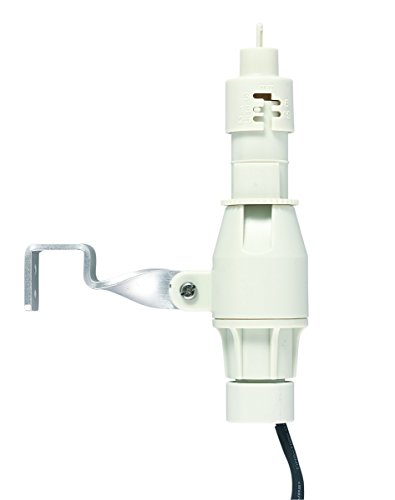
For automatically detecting rainfall or low temperature conditions

Intelligent Irrigation Control: The Orbit Smart Sprinkler Controller manages watering with a powerful smart sprinkler that supports a completely automatic watering system

DITCH THE DIAL – Upgrade to smart irrigation with the free Rachio app for precise, easy control.
Protect Pressure Vacuum Breakers and Backflow Assemblies During Freezes
With the controller set to rain mode and valves verified, turn your attention to the pressure vacuum breaker (PVB) and its backflow assembly. Locate the isolation valve separating the irrigation system from the domestic line, then turn the handle a quarter‑turn perpendicular to close it—this follows backup isolation valve procedures mandated after 2009. Open both test cocks on the PVB with a flat‑head screwdriver, turning each a quarter‑turn parallel to the opening, and leave them open all winter to let any residual water escape. Set the supply valve to closed and the outlet valve to open; position handles B and C at a 45‑degree half‑open/closed angle to prevent pressure buildup. Include these steps in your seasonal irrigation system maintenance to avoid freeze‑induced cracking or bursts. Cover the pressure breaker valve for additional protection during extreme cold. Properly installed backflow preventers safeguard potable water from contamination caused by back‑pressure events. Backflow prevention is essential to protect the municipal water supply from contamination. A properly functioning sprinkler backflow preventer ensures that any contaminated water cannot flow backward into the potable supply.

【100% Risk-Free Purchase】If you encounter any issues with our 1" 720A pressure vacuum breaker assembly, please contact us immediately for a 𝗳𝘂𝗹𝗹 𝗿𝗲𝗳𝘂𝗻𝗱 or 𝗮 𝗻𝗲𝘄 𝗼𝗻𝗲 𝗳𝗼𝗿 𝗳𝗿𝗲𝗲! If you have any questions during the usage, please feel free to 𝗰𝗼𝗻𝘁𝗮𝗰𝘁 𝘂𝘀. We will provide you with a satisfactory response within 12 hours. Customer satisfaction is our unwavering pursuit.

【What do you get 】: 2 × Vacuum Breakers, 2 × Washers, 1 × Tape (About 350" long)

Serial number visible in any installed orientation reduces labor time
Drain or Insulate Buried Lines in North Texas: When to Choose Each
A few key factors determine whether you’ll drain or insulate buried irrigation lines in North Texas. When temperatures dip below 32 °F but the ground stays unfrozen, choosing winterization method that emphasizes selecting appropriate freeze protection means insulating exposed PVC and valve boxes. Apply foam insulation, wrap backflow preventers, and stuff boxes with insulation foam for quick, temporary defense. If a hard freeze is forecast—like the 2021 event in Houston—drain the system: shut off the controller, close the isolation valve, bleed pressure, and empty above‑ground components. Draining avoids compressor risks for systems lacking blowout capability, while insulation suits mild snaps where full drainage isn’t necessary. Execute actions before the first freeze to prevent expansion damage. Ensure the backflow preventer is properly insulated to avoid valve splitting. Use self‑regulating heat tape to protect the hose from localized overheating. Regularly inspect valve housings for signs of water ingress, as moisture can corrode internal components and compromise the valve’s water resistance. Proper mineral buildup removal can also extend the life of the system by preventing clogs and corrosion.

Application: Pipe insulation foam tube for pipe freeze protection and sharp edge protection.Provides good water pipe insulation, sharp edge collision protection, and has good surface grip.(Please confirm the inner diameter before purchasing)

Premium Material: Our pipe insulation foam is crafted from durable materials like EPDM, ensuring fire resistance, high temperature tolerance (-50°C to 110°C), and exceptional insulation properties. Ideal for various piping systems.

SIZE INFORMATION: You can receive 6 pieces of pipe insulation wrap, which measure about 1.3 feet /40cm in length, the total length of 6 pieces is about 7.87 feet/240cm, suit for a 1 inch in diameter copper pipe. You can check the size carefully of your tubes before ordering.
DIY vs. Professional Texas Sprinkler Winterization: How to Decide
Three key considerations—cost, effectiveness, and risk—determine whether you’ll tackle Texas sprinkler winterization yourself or hire a professional. Review winterization timeline: a pro finishes a blow‑out in ~30 minutes, while DIY can stretch to an hour or more plus verification. Analyze DIY vs. pro cost benefit tradeoffs: professional fees $60‑$150 guarantee 100 % water removal and protect complex layouts, reducing long‑term repair risk; DIY saves service fees but may incur higher repair costs from incomplete draining, pressure mis‑steps, or valve errors. Manual drain works for mild climates, yet it’s less reliable than a high‑volume air blow‑out. If your system has elevation changes, poly pipe, or you face hard freezes, the professional’s low‑pressure, high‑volume approach minimizes damage and labor. Choose based on upfront expense versus projected savings and warranty coverage. Properly draining and storing hoses indoors prevents water freezing and extends hose lifespan. Using a metal detector can help locate buried sprinkler lines before you begin any winterization work.

【High Power Air Flow Nozzle】: JASTIND Air compressor nozzle blow gun comes with a large-capacity Venturi blast air nozzle, which uses the difference in the air blowing pressure to provide more powerful and wide range of airflow output during dust cleaning work. (Tip: Venturi nozzles are louder when working, so it is recommended to use them with ear plugs.)

470W 0.63HP Powerful Blower: The powerful air blower constantly provides airflow. Specification: 470 W, 120V, 60Hz. Boasting a robust motor, the blower pump provides strong wind to inflate, clean, or dry more quickly, efficiently, and conveniently. Help you blow up an inflatable bouncer in minutes

Powerful 470W Air Blower: 0.63HP, 120V, 60Hz. This powerful air blower is equipped with a robust 470W motor, delivering strong and consistent airflow to quickly inflate your devices, bounce house, jumping castle, or water slide. Its high-performance design ensures reliable, continuous operation, letting you and the kids enjoy hours of nonstop fun effortlessly
Run a Quick Texas Sprinkler Winterization Checklist Before the First Freeze
After weighing cost, effectiveness, and risk, you now need a concrete, step‑by‑step plan to protect your Texas sprinkler system before the first hard freeze. Begin with system maintenance: locate the outdoor shut‑off valve or main line, then close it fully to stop new water entry. Proceed to winter inspections by opening test cocks on the backflow preventer and setting ball valves at a 45‑degree angle; drain manual valves and low points until no water remains in pipes, valves, or heads. Insulate exposed components—cover vacuum breakers, copper risers, PVC pipe, and the backflow assembly with foam or tape. Finally, switch the controller off, unplug electronics, and walk the yard for leaks or damaged heads, confirming all drainage before the freeze arrives.