On a Beach Farm, first clear a 20×10 dirt patch and ditch any hardwood with an upgraded axe. Place Iridium sprinklers on a 5×5 grid, two tiles apart, six tiles from the edge, and keep Junimo huts out of their range. Use pressure nozzles on eight sprinklers for a 196‑tile reach, and upgrade to a narrow‑spout, rust‑resistant watering can for early crops. Maintain soil tilling, add paths for speed, and you’ll avoid missing tiles and timing issues. Keep going for deeper tips.
Sprinkler Layout: Why It Only Works on the 20×10 Dirt Patch
A 20×10 dirt patch is the only layout where an Iridium Sprinkler can water every tilled tile on a Beach Farm because sprinklers can’t be placed on sand. You should first clear a 20×10 rectangle of sand, then till each tile. Keep soil tilling frequency high—re‑til after each harvest—to maintain fertilizer benefits and avoid weeds. Place Iridium Sprinklers on a 5×5 grid, spacing them two tiles apart, so each sprinkler’s 24‑tile radius fills the patch without overlapping sand. Position junimo huts at the patch’s corners or edges; they don’t interfere with water but provide convenient storage and lighting. This layout maximizes coverage, respects the 200‑tile harvest cap, and guarantees every tilled square receives daily water. Quality Sprinkler offers a cost‑effective alternative for smaller farms. Remember that sprinkler radius determines how many tiles each device can water, making the Iridium Sprinkler the most efficient choice for large, sand‑free areas. Ginger Island also features a unique weather system that can affect crop growth, so consider using a rain sensor to optimize watering schedules.
Clear the Hardwood Obstacles With an Upgraded Axe
After clearing the 20×10 dirt patch, the next step is to remove the dense hardwood trees blocking further expansion. First, visit the blacksmith or designated NPC and trade the required ores and hardwood samples for the upgraded axe. Choose an axe with shorter, thicker‑cheeked head—axe material variations matter for hardwood resistance. Mark your cut line with a crayon‑equivalent for accuracy, then adopt a balanced stance on nearby logs. Execute each swing using an ideal striking motion: a forward push followed by an upward lift to keep the blade from sticking. Wear shin guards and chainmail for safety. Repeat the motion until the tree falls, then clear the debris to reveal the next dirt patch. The blade is offset at a 45‑degree angle, making it easier to mow brambles without bending down. Proper flow rate selection ensures the irrigation system delivers consistent water pressure across the newly cleared area. Selecting the correct nozzle size is essential for matching the water distribution to the cleared space.
Upgrade Your Watering Can Early While the Patch Opens
Since the sand‑softened soil opens up, grab a lightweight, rust‑resistant watering can now instead of waiting for the season to settle. Early acquisition lets you test the can’s flow, seal any leaks, and adjust the spout for precise droplets—essential for beach farm sand that drains quickly. Prioritize pre season equipment sourcing: shop local suppliers who stock UV‑coated metal or reinforced plastic, and compare weight, capacity, and handle ergonomics. Choose a model with a narrow spout to limit runoff and promote sustainable water usage. Fill the can with reclaimed rainwater, then water in short bursts to avoid over‑saturation. By upgrading early, you secure reliable tools before the patch fully opens, keeping your irrigation efficient and your crops thriving. Ensure the system maintains adequate water pressure to achieve consistent coverage across the sandy terrain. Most residential hoses operate effectively between 40 and 80 psi. Selecting the correct garden hose thread size prevents leaks and ensures a secure connection.
Select the Best Sprinkler Types for Maximum Coverage
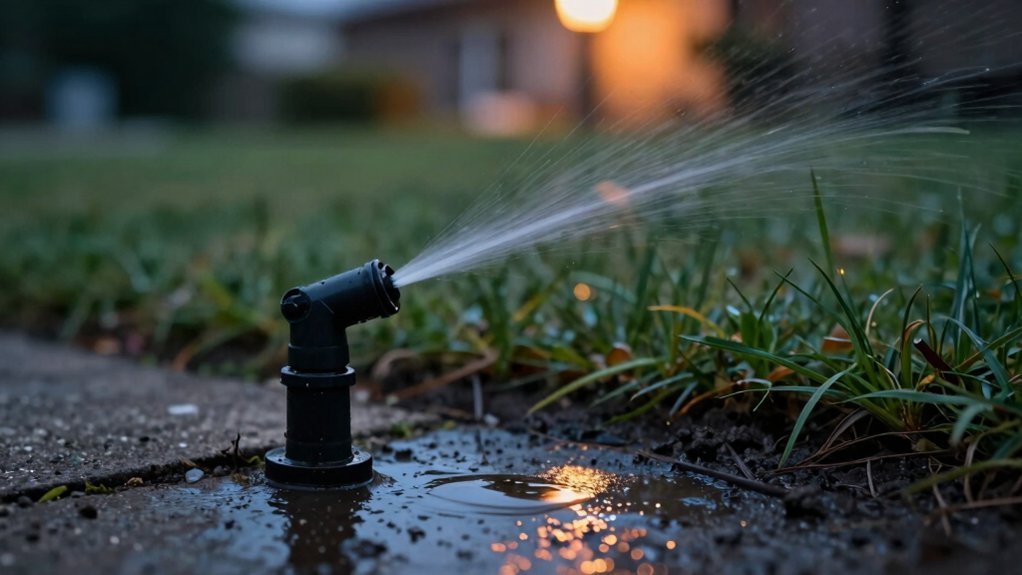
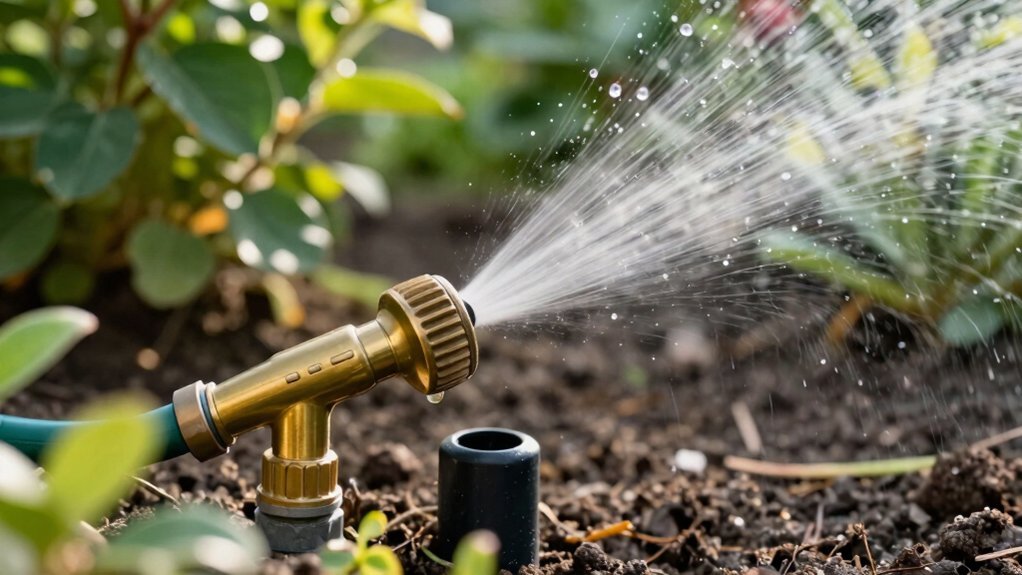
Choosing the right sprinkler type maximizes coverage on a beach farm while conserving water and resources. For a dirt‑only patch, start with Iridium sprinklers equipped with pressure nozzles; eight units spaced six tiles apart cover 196 of 200 tiles, beating basic and quality models. If you lack Iridium, upgrade quality sprinklers and use the nozzle to reach a 5×5 grid, arranging them every three tiles for efficient rows. Basic sprinklers work only on a 3×3 area and are far less efficient, so reserve them for small side plots. Remember tile limitations: sprinklers ignore sand, so keep them on dirt. Perform regular sprinkler maintenance—clean nozzles, check wiring, and replace broken parts—to sustain ideal flow. The optimal layout uses two side sprinklers to achieve symmetry and maximize efficiency. Properly zone your landscape based on plant types, sun exposure, and soil conditions can further improve water distribution. Adjust spacing according to the spray radius to ensure uniform coverage across the field. Implementing a well‑designed irrigation layout can significantly reduce water waste and improve plant health.
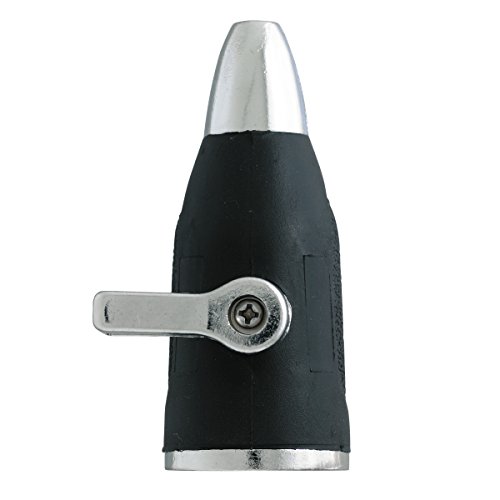
POWERFUL JET SPRAY: Maximize your available water pressure to create a jet stream that easily loosens and washes away dirt and debris.

What you will get: you will receive 10 pieces variable arc nozzles, enough for your replacements or share with friends and neighbors.
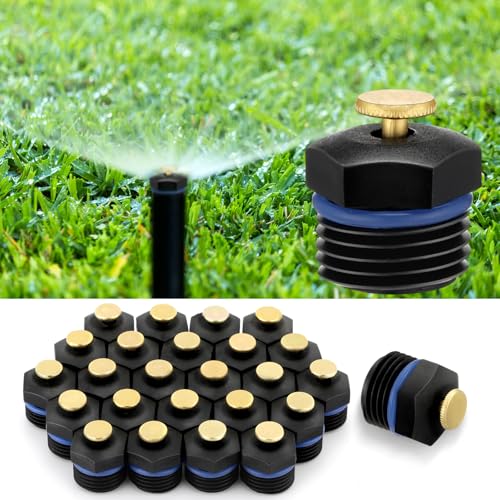
Comprehensive Pack: the package includes 30 pcs 1/2 sprinkler heads, enabling wide area coverage; The bulk pack ensures you have enough misting nozzles even for extensive irrigation schemes, delivering sustained, uniform, and effective coverage across your fields or gardens
Sprinkler Layout: Edge‑Tile Skipping & Junimo Hut Preservation
Switching from selecting sprinkler types to arranging them, place each unit six tiles in from the farm’s edge. Skipping the outer tiles gives you symmetrical placement and avoids wasting coverage on sand. Follow the pattern: two sprinklers on each side, then six tiles inward, repeat every six tiles. This covers 196 of the 200 tillable spots and lets you add two extra units on the uneven left side. To preserve the Junimo Hut, remove the six central sprinklers; the hut fits exactly where the cluster sits, sacrificing only six tiles. The remaining eight sprinklers maintain automated efficiency on the 20 × 100 dirt patch, keeping your Beach Farm fully irrigated while respecting terrain limits. Beach farm includes a designated dirt patch where sprinklers can be placed without issue. Proper water pressure ensures consistent moisture distribution across the entire area. Optimal spacing helps achieve uniform coverage and reduces water waste. Flow rate calculations allow you to size pipe diameters for balanced water delivery.
Position Eight Sprinklers and Pressure Nozzles for 196‑Tile Reach
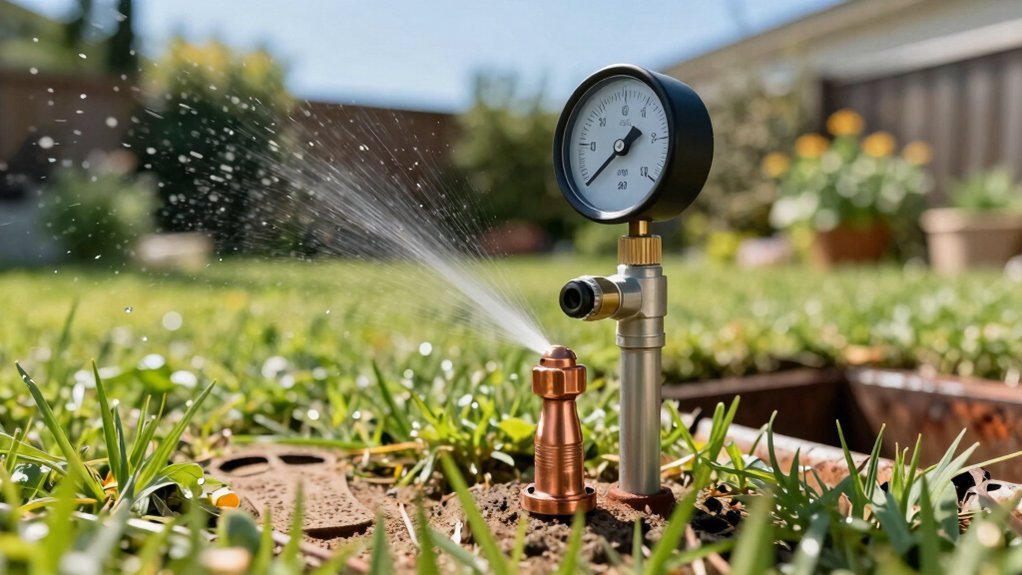
Place the eight sprinklers in a 6‑foot grid, keeping each unit at least six feet apart and no more than nine feet from any wall in the small‑room sections. Arrange the branch lines to achieve an ideal branch line arrangement, spacing each line evenly to cover the 196‑tile area. Mount deflectors one to four inches from the ceiling, parallel to the plane, and position pressure nozzles for radial outward and downward discharge. Keep nozzles four times the obstruction dimension away from racks or shelves, ensuring at least 36‑inch horizontal clearance. Use sidewall nozzles four to twelve inches from the ceiling, and maintain an 18‑inch clearance beneath deflectors. Follow these steps for minimal obstruction avoidance and reliable coverage. A well‑balanced system also requires a properly sized pressure regulator to maintain consistent flow. Understanding whether a valve includes a built‑in pressure regulator helps ensure the system operates within optimal pressure ranges. Adding a pressure tank can reduce pump cycling and protect the system from water hammer.

Maintains optimum 25 psi pressure and water flow to Drip lines and emitter devices

3/4" Y filter unit combines filtration and 30 psi pressure regulation in one piece

Easily converts a 1/2" riser or existing shrub spray to low volume Drip watering system
Hand‑Water Early Crops While the Sprinkler Patch Opens
When the sprinkler patch is still forming, you’ll need to hand‑water your early crops to keep production steady. Use a fully‑upgraded watering can and stand in the center of a 3×5 block; the click‑and‑step method lets you hit 300+ crops in 2–3 in‑game hours while conserving energy. Refill at nearby ponds, lakes, or the sea by clicking the water source, then resume watering before you run out of stamina. Plant rice near water edges, because it needs no watering, and keep early plots compact to avoid energy depletion. These crop watering techniques respect early game money constraints, letting you maintain profit without overspending on large plots or extra tools. Gold watering can can also be used to cover a larger area, reducing the number of steps needed. Automated irrigation systems can ensure consistent moisture across the garden, promoting healthier plant growth. Proper soil type selection can significantly improve water distribution and reduce runoff. Understanding timer programming basics helps you set efficient watering cycles and save water.
Add Stone or Wood Paths to Speed Up Farm‑Bed Access
After hand‑watering early crops, lay down stone or wood paths to cut travel time between rows. Choose durable path materials like angular gravel, compacted stone, or treated timber. Space stone paths two‑feet apart for easy stride, and run them north‑south to connect exits and sheds. Wood paths work well for separating sections and framing decorative farm caves. Install steel edging and check bars every 8‑10 ft on steep grades for stability. Compact the base, then water to seat fines before adding a cellular grid under pea gravel for traffic resistance. Plan seasonal path maintenance: clear sand, re‑level gravel, and reseal wood joints before winter. This keeps routes non‑slip, low‑drainage, and ready for daily farm‑bed access. Proper iridium sprinklers ensure consistent moisture across the newly paved routes.
Sprinkler Layout Troubleshooting: Missing Tiles, Hoe Damage, and Seasonal Timing
If you’re stuck with missing sprinkler‑eligible tiles, hoe damage, and timing issues on the Beach Farm, start by clearing the hardwood logs in the southwest dirt patch with a steel axe—once the area is free, lay floor tiles to create a stable, non‑sand surface for sprinklers, then schedule your purchases for mid‑ to late‑summer when quality sprinklers become available, keeping in mind that manual watering with an iridium can is a temporary fallback until you’ve secured proper placement.
Apply a floor tile strategy to protect sprinklers from accidental hoe hits and to organize the layout. Prioritize axe upgrades early to access the limited 202 eligible tiles. Align installation with seasonal sprinkler timing: use manual watering in spring, then replace with quality sprinklers in summer for ideal coverage.
Wood is essential for building the necessary floor tiles and upgrading farm structures.