Yes, sprinklers work on Ginger Island as long as you place them on tilled soil. Quality sprinklers water an 8‑tile radius when spaced three tiles apart; Iridium sprinklers cover a 24‑tile radius (or 48 tiles with a pressure nozzle) when spaced five tiles apart. Use deluxe retaining soil if you want a maintenance‑free alternative, but sprinklers still give uniform moisture and boost crop yields. Proper placement, spacing, and occasional nozzle upgrades keep everything running smoothly, and you’ll uncover more optimization tips ahead.
Do Sprinklers Really Work on Ginger Island?
So, do sprinklers actually work on Ginger Island? You’ll find they do, provided you follow the standard placement on tilled soil and keep up with sprinkler maintenance. Iridium units deliver full‑coverage, and quality models run overnight without manual input, sustaining consistent hydration. Because the island lacks seasonal rain, sprinklers become the primary water source, directly supporting crop fertility by keeping moisture levels stable. The absence of winter dormancy means the system operates year‑round, maximizing efficiency. However, you must monitor for occasional glitches that cause sprinklers to disappear, and you should inspect pressure nozzles after five years to prevent loss of function. Proper upkeep guarantees reliable irrigation and ideal yields. The island’s volcano area also contains unique materials that can be harvested for crafting advanced irrigation upgrades. Understanding the sprinkler coverage differences helps you choose the most cost‑effective option for each farm layout. Automated watering also conserves water by delivering precise amounts directly to plant roots. Sprinkler radius varies by type, affecting how many crops can be watered simultaneously.
How to Place Sprinklers on Ginger Island Farm Soil
When you clear the logs, stones, and weeds on Ginger Island’s farm, you can place sprinklers directly on the tilled soil just like on the mainland. Start with condensed soil preparation: till every tile, remove obstacles, and apply deluxe retaining soil if you want extra moisture. Position quality sprinklers three tiles apart, leaving two empty spaces between each unit; this pattern maximizes coverage without overlap. For iridium sprinklers, use five‑tile spacing with four empty spaces, then attach pressure nozzles to reach 48 tiles and fertilize automatically. Align rows along the western farmland edge to exploit the continuous growing season and sunny weather. This layout yields guaranteed crop yields while minimizing manual watering. Iridium sprinklers can be stacked easily to cover large areas. Proper sprinkler placement ensures uniform water distribution across the field. Understanding water pressure helps maintain consistent flow and prevent system strain. The main pipe distributes water from the source to each valve, ensuring steady delivery throughout the system.
Quality vs. Iridium Sprinklers on Ginger Island – Which Is Worth the Upgrade?
After placing sprinklers on the tilled soil, the next decision is whether to stick with Quality Sprinklers or upgrade to Iridium. Quality Sprinklers water eight adjacent tiles in a 5×5 area; you must space them three tiles apart for ideal sprinkler placement and sprinkler pattern optimization. Iridium Sprinklers water 24 adjacent tiles—300 % more efficient—using the same 5×5 grid, so you can keep the same pattern while cutting unit count from 45 to 15 for 683‑tile coverage. Adding a Pressure Nozzle doubles Iridium range to 48 tiles, covering entire Ginger Island plots with few units. Crafting Iridium costs higher‑tier materials and a level‑9 farm, but the profit boost from full‑farm Ancient Fruit or Pineapple harvests outweighs the upfront expense. Upgrade only if you need large‑scale, low‑maintenance yields. The Pressure Nozzle upgrade can be purchased from the Walnut Room for 20 gems. Local ordinances may restrict water usage during drought conditions, so verify any regional restrictions before installing large numbers of sprinklers. Proper water pressure ensures each sprinkler receives adequate flow for optimal coverage. Consider optimal spacing to maximize uniform water distribution and minimize waste.

What You’ll Receive: You will get 10 high-quality 12-van adjustable arc nozzles. This generous pack provides plenty of replacements for your lawn or garden needs
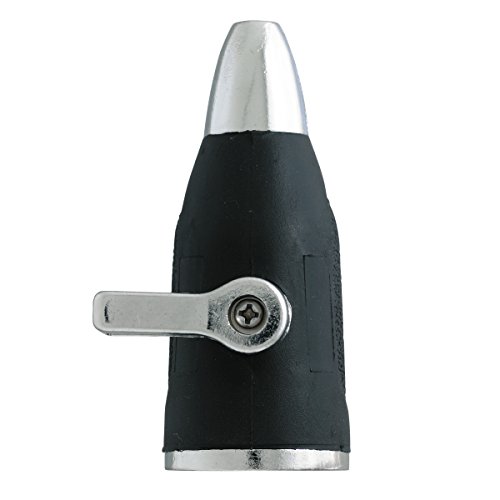
POWERFUL JET SPRAY: Maximize your available water pressure to create a jet stream that easily loosens and washes away dirt and debris.
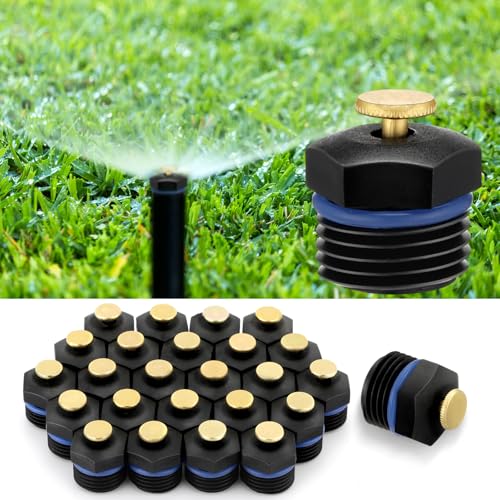
Comprehensive Pack: the package includes 30 pcs 1/2 sprinkler heads, enabling wide area coverage; The bulk pack ensures you have enough misting nozzles even for extensive irrigation schemes, delivering sustained, uniform, and effective coverage across your fields or gardens
Can You Skip Sprinklers With Deluxe Retaining Soil on Ginger Island?
If you install Deluxe Retaining Soil on Ginger Island, you can eliminate sprinklers entirely: the soil’s 100 % water‑retention guarantees that a single watering lasts until harvest, and the fertilizer stays active for the whole multi‑harvest cycle. The mechanic provides perpetual soil nutrition, so crops receive continuous moisture and nutrients without additional input. You apply the soil before or after planting, then water once; the tile retains that moisture for the entire lifecycle, supporting efficient growth cycles for ancient fruit, pineapples, and peppers. Crafting requires 50 Cinder Shards, 5 Stone, 3 Fiber, and 1 Clay per batch, and the recipe becomes available early via the Island Trader. This system replaces sprinkler infrastructure, removes daily maintenance, and works in indoor pots, greenhouses, and constrained beach farm spaces, delivering reliable, low‑overhead irrigation. Complete all Jojo Mart tasks to unlock the island trader. Using a timer can further optimize water usage by synchronizing watering cycles with local climate patterns. Proper pressure regulation ensures the drip emitters deliver consistent flow without clogging. Selecting the appropriate nozzle type can improve uniform coverage and reduce waste.
How Sprinklers Interact With the Golden Clock and Weeds on Ginger Island
A handful of sprinklers on Ginger Island still require manual watering despite the Golden Clock’s purchase, because the clock’s weed‑prevention effect is limited to the main farm and does not extend to the island’s independent weed‑spawning cycle. You must treat the clock as a separate module: its limitations stop at the farm boundary, so island management relies entirely on your sprinkler network. Sprinklers deliver water to starfruit and walnut holes, but they do not affect weed growth. Weeds spawn every Monday and spread over consecutive days, demanding daily inspection. Deploy sprinklers after planting to keep crops hydrated; schedule manual weed checks each morning. This dual‑track approach—sprinkler automation for watering plus active weed removal—ensures ideal yields despite the clock’s restricted scope. The island’s farm farm was cleared of debris on Day 4, allowing for smoother sprinkler placement. Consider the soil type when positioning sprinklers to maximize water absorption. Proper water pressure is essential for consistent coverage across the island. Using a metal detector can help locate hidden sprinkler lines without disturbing the landscape.
Best Crop Choices for Sprinkler‑Powered Farming on Ginger Island
Choosing the right crops for a sprinkler‑powered farm on Ginger Island hinges on growth cycle, water demand, and profit per harvest. You should prioritize Ancient Fruit for perpetual regrowth and high‑value wine; it yields up to eight fruits per seed without replanting, maximizing profit per water unit. Pineapples rank second, offering continuous growth and superior long‑term returns once initial planting is done. Starfruit can fill gaps where you need bulk processing, though its profit lags behind Ancient Fruit and Pineapples. Fairy Rose and Cranberry add diversity: Fairy Rose pairs with bee houses for honey, while Cranberry supports multi‑harvest wine. Design diverse crop layouts that intersperse these species, and apply sprinkler optimization tips—adjust spacing, synchronize cycles, and balance water flow—to keep each plot consistently hydrated and financially efficient. Sprinkler irrigation also enhances water distribution for water‑intensive crops, improving overall yield consistency. Uniform irrigation can boost crop yields across a variety of species. Properly grouping plants by soil type within zones further refines water usage and promotes healthier growth.

1 JUG (5 LBS.) = 3,000–3,750 SQ FT - Comes in a handy resealable container
![No-Till Cover Crop 13-Seed Mix (1 lb. Bag): [50% Clovers Plus Fenugreek, Vetch, Flax, Cowpeas, Buckwheat, Forage Peas, Millet, Lentils, Crimson Clover, Sweet Yellow, White Clover, Medium Red Clover]](https://m.media-amazon.com/images/I/61tz3UL4ZfL._SL500_.jpg)
High-Quality, Nitro-Coated, All-Natural Seed Mix, From USA only

5 COVER CROP VARIETIES INCLUDED - Oats (Avena sativa), Buckwheat (Fagopyrum esculentum), White Clover (Trifolium repens), Crimson Clover (Trifolium incarnatum), hairy Vetch (Vicia villosa)
How to Boost Sprinkler Efficiency on Ginger Island With Pressure Nozzles and Gems
When you attach a Pressure Nozzle to an Iridium Sprinkler, its coverage jumps from 25 to 48 tiles, delivering a 600 % efficiency boost over a basic sprinkler. Position the nozzle centrally within the 7×7 grid; this pressure nozzle placement maximizes cardinal and diagonal reach while leaving only one tile unwatered. Buy sets of four nozzles for 20 Qi Gems in Qi’s Walnut Room, or farm rare drops from Skull Cavern quests and Mine slimes. Avoid mixing Enricher upgrades on the same sprinkler; they’re mutually exclusive. For off season sprinkler management, keep a stockpile of nozzles and schedule replacements during low‑growth periods to maintain uninterrupted irrigation across greenhouse and island plots. This setup consolidates infrastructure, frees tile space, and sustains high‑yield cycles. Proper nozzle selection also depends on flow rate to ensure optimal coverage. Understanding nozzle size helps you match the spray to your plot dimensions.
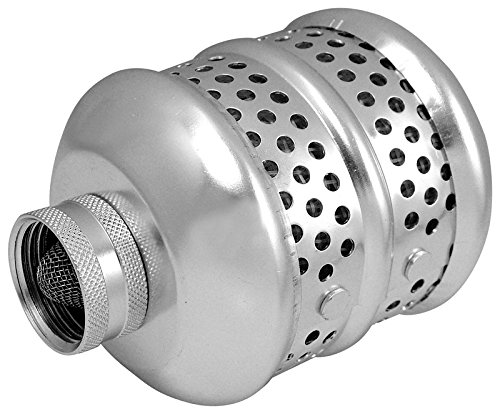
Durable rustproof aluminum flood sprinkler nozzle construction

Package Included - There are 30 pieces adjustable spray nozzle in the package, enough quantity to meet your watering needs and replacements, you can share with others or as backup. Perfect for agriculture, greenhouse , swimming pool misting fog cooling/irrigation, watering, greenhouse, lawn, garden, patio, humidification, balcony cooling, irrigation.

ADJUSTABLE NOZZLE: high-pressure and still able to control the spray; from a concentrated jet to soft stream with a twist
Common Sprinkler Glitches on Ginger Island and How to Fix Them
You’ve maximized coverage with pressure nozzles, but the island’s quirks can still sabotage your irrigation. Random sprinkler disappearance on Ginger Island occurs without inventory return, and it isn’t tied to weeds, bombs, or pickaxe damage. To implement sprinkler disappearance prevention, keep a backup list of placed units and reload the island when a loss is detected. Sand placement restrictions block standard sprinklers; use the Sandy Sprinklers mod if you must water beach plots, but remember the mod only fixes placement, not vanishing. Monitor freeze‑related glitches and farmer clipping, as they often coincide with sprinkler loss. Integrate these checks into seasonal crop planning, especially for ever‑bearing crops, to maintain consistent yields despite the island’s tech instability. Different players often have varying tolerance for such glitches.
Winter Forage Field Optimization With Sprinklers on Ginger Island
Wonder how to squeeze every winter forageable out of a tiny Ginger Island plot? You start by laying six quality sprinklers from iridium leftovers, spacing them to cover each forage tile without overlap. This arrangement maximizes sprinkler durability while delivering nightly water that prevents soil texture changes from drying out. Plant high‑density forage seeds directly under the spray zone; the perpetual moisture lets you harvest up to 600 items per cycle and immediately craft winter seeds. Replant those seeds under the same sprinklers for continuous growth, integrating golden walnut collection during idle ticks. If you need more capacity, craft additional sprinklers from the harvested forage and expand the field, keeping the soil’s retaining properties intact and avoiding any manual watering. Winter foraging yields higher prices when you reach foraging level 10.
Night‑time Checklist: Sprinklers, Water, and Crop Safety on Ginger Island
Two key actions keep your night‑time farm running smoothly: verify all sprinklers are powered and positioned before dusk, and confirm that the island’s soil moisture retention is active. Check island utility infrastructure for stable power, confirm Iridium or Deluxe Speed‑Gro‑enhanced sprinklers are online, and sync them with the automated schedule. Observe overnight rain cycles; if they occur, reduce sprinkler output to conserve water. Inspect soil moisture sensors to certify the self‑watering layer remains engaged, preventing drought stress. Walk each plot to spot weeds, clearing any overnight growth that could obstruct water flow. Secure the farmhouse, mailbox, and Obelisk connections so you can remain overnight without manual intervention, maintaining continuous crop safety.