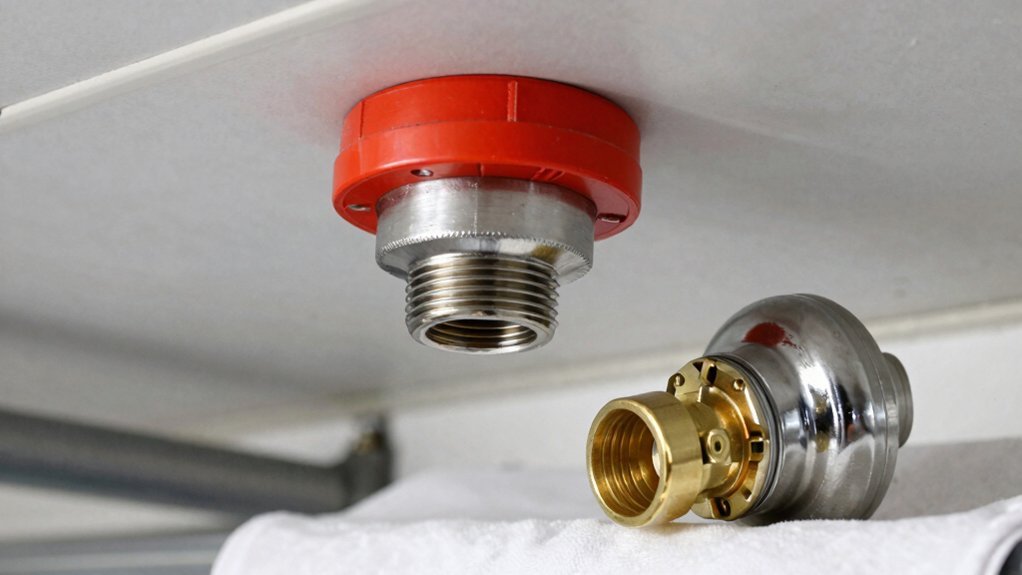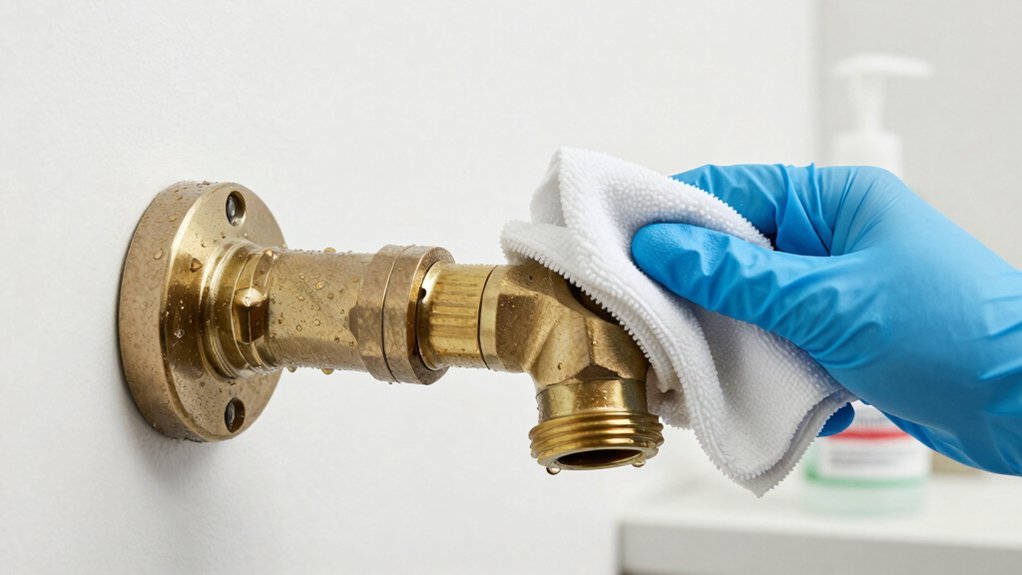
You won’t set off a residential fire sprinkler by simply touching it because the head’s glass bulb only bursts when the liquid inside reaches roughly 56 °C (135 °F). Light pressure or a brief brush can’t raise the temperature enough, and the mechanical link is designed to resist minor impacts. Only a significant strike, vibration, or over‑tightening that damages the bulb or fusible link can cause accidental discharge. If you keep going, you’ll uncover the safeguards and what to do if a head is compromised.
How Touching a Sprinkler Head Affects Sprinkler Head Activation
When you touch a sprinkler head, the mechanical link that holds the glass bulb or fusible element can be disturbed, and even light pressure may shift the valve enough to release water if the component is already weakened. In warehouses or retail aisles, ladders, forklifts, or carts frequently strike heads, shattering bulbs or bending fusible links. Because the valve is pressure‑sensitive, a minor impact can trigger accidental sprinkler discharge at full system pressure, flooding the area within seconds. The consequences of sprinkler damage include immediate water damage to inventory, equipment, and electronics, even though a single head limits overall loss compared with a full‑system activation. NFPA‑13 compliance mandates that only heat‑activated heads discharge, reinforcing the need for robust, impact‑resistant designs in high‑traffic ceilings. Only sprinkler heads where temperature reaches designated level turn on. Properly maintained systems rely on heat‑sensitive glass to ensure activation only under fire conditions. Most standard sprinklers are set to activate at around 155 °F (68 °C) temperature activation threshold. Sprinkler systems can reduce fire‑related property loss by up to 90 % property loss reduction.
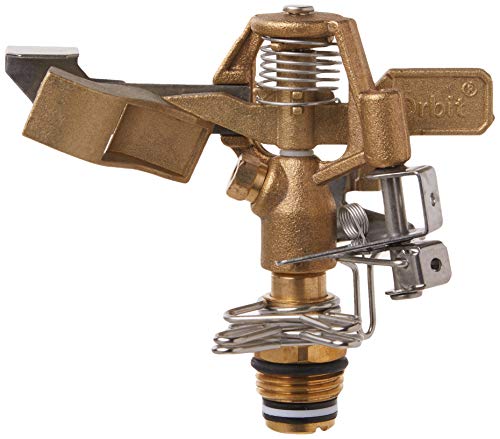
LARGE-AREA COVERAGE: Sprays up to 90 ft. in diameter, covering 6,360 sq. ft. when set to a full circle.
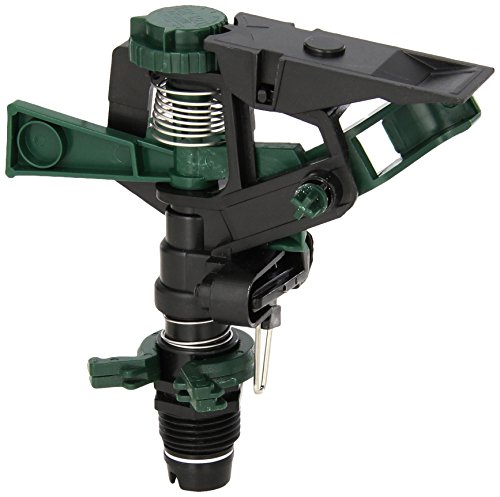
LARGE-AREA COVERAGE: Sprays up to 90 ft. in diameter, covering 6,360 sq. ft. when set to a full circle.

LARGE-AREA COVERAGE: Sprays up to 85 ft. in diameter, covering 5,670 sq. ft. when set to a full circle.
Why Normal Contact Won’t Trigger Sprinkler Head Activation in Residential Systems
Impact from a ladder or forklift can shatter a sprinkler’s glass bulb, but merely touching the head won’t set it off because residential systems rely on heat, not mechanical disturbance, to activate. You’ll find that the glass bulb contains an organic liquid that expands only at about 56 °C (135 °F). A brief touch cannot raise the surrounding air to that temperature, nor can it create the sustained convective heat needed to melt the fusible link. This design guarantees that accidental water leaks are rare and that only a genuine fire triggers a head. The heat‑only activation provides design benefits for sprinkler reliability, limiting discharge to the nearest heat‑exposed head and preventing unnecessary water damage. Sprinklers and smoke detectors are separate systems, and sprinklers lack detectors for fire detection. The fire alarm system can activate sprinkler valves when it receives a fire signal, linking the two systems for coordinated response. Proper installation of a sprinkler system also ensures compliance with local safety codes, which often require automatic fire suppression in commercial and high‑risk residential buildings.
What Mechanical Impacts Can Accidentally Trigger a Sprinkler
A handful of seemingly innocuous mechanical forces can nevertheless compromise a sprinkler head and lead to an unintentional discharge. You’ll find that installation errors—such as over‑tightening with the wrong wrench—create latent spring tension that releases the valve weeks later. High impact events dominate accidental activations: forklifts striking heads, ladders or lifts colliding with fixtures, and errant sports equipment delivering sufficient force to break the glass bulb or separate the sealing link. Construction work jostles fragile components, and routine maintenance without care can produce minor dents that evolve into full‑scale releases. NFPA data shows roughly 29,700 unintentional activations annually, with mechanical damage ranking as the leading cause. Understanding these triggers helps you enforce proper installation practices and mitigate high impact risks. Steam can also activate sprinklers when excessive heat and pressure cause the glass bulb to burst. Regular system inspections can identify early signs of damage before a failure occurs. Properly designed systems also require manual pull stations to provide a reliable means of activation when automatic detection fails.

What you will get: you will receive 10 pieces variable arc nozzles, enough for your replacements or share with friends and neighbors.
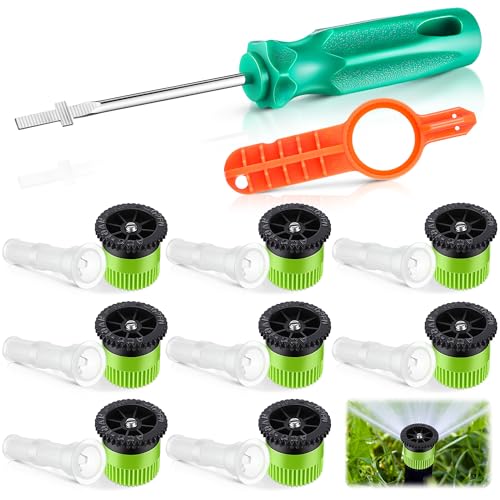
Sprinkler Tool Set: you will receive 8 green variable arc nozzles, 8 nozzle filters, 1 Spray Head Rotor Adjustment Tool and 1 rotor adjustment tool screwdriver. The complete sprinkler tool set provides you with more precise adjustment distance and arc of the lawn sprinkler system

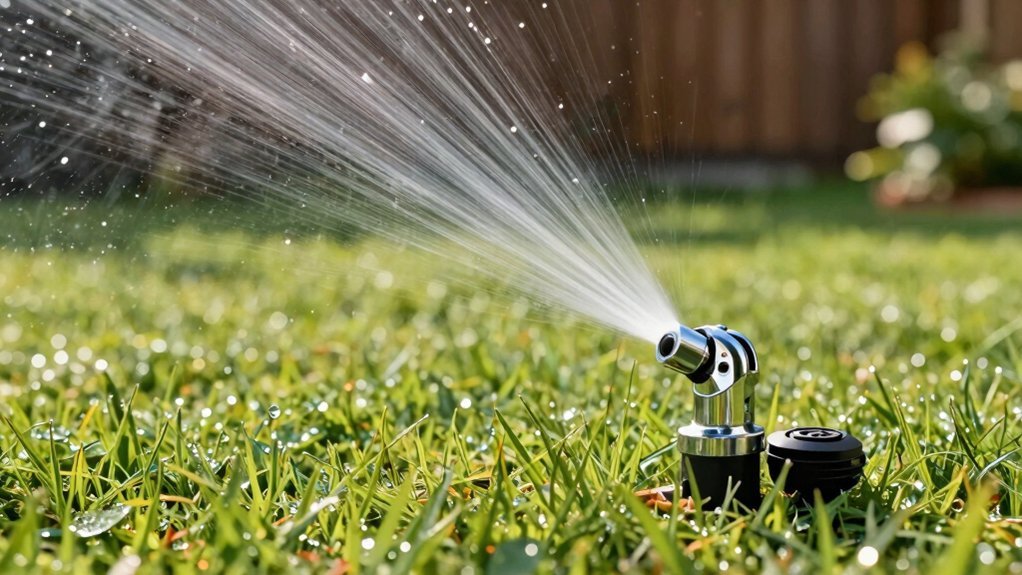
Adjustable Nozzle: with adjustable patterns from 0 to 360 degrees, slightly twist the textured center collar, you can increase or decrease the pattern; Ideally, for example, at a pressure of 2.1 bar, the maximum spraying radius of a 10van nozzle is about 6.9ft/ 3meters, the maximum spraying radius of a 12van nozzle is about 9.8ft/ 3.7m, the spraying radius of a 15van nozzle is about 14.7ft/ 4.6m, and the spraying radius of a 17van nozzle is about 15.4ft/ 5.2m
How Guards and System Design Stop Accidental Sprinkler Activation
Most facilities rely on a combination of physical barriers, proper installation, and system design to keep accidental sprinkler discharge to a minimum. You install listed head guards where NFPA 13 requires protection from mechanical injury, and you select heavy‑duty or protective cages in high‑traffic zones such as gyms, warehouses, and loading docks. Consult the AHJ before using unlisted guards, and document every guard model and location for inspection compliance. System design places heads away from high‑vibration equipment and heat‑generating devices, respecting sprinkler heat ratings and keeping temperature‑sensitive heads from ambient heat sources. Pre‑action and dual‑activation systems add a fire‑detection trigger, so water only flows after both heat and detection signals. Regular NFPA 25 inspections verify guard integrity and prevent system vibrations from compromising head operation. Qualified professionals must install the system to ensure all components function correctly. In elevator shafts, NFPA 13 § 9.5.2 mandates that sprinkler heads be protected by a fire‑resistant enclosure to prevent water damage to the hoistway. CPVC sprinkler pipe can be installed exposed when it meets the code‑approved support requirements and is protected from UV exposure. Maintaining the proper sprinkler‑to‑wall distance helps avoid wall damage while ensuring optimal fire‑suppression coverage.

🔥【EASY TO INSTALL】- The fire sprinkler head cover is provided with three wire-formed eyelets for a solid installation. The three eyelets are in a equilateral triangle....
Myths About What Actually Triggers Sprinkler Head Activation
Misconceptions about sprinkler activation linger, yet the NFPA‑13 standard makes it clear that only a rapid temperature rise—typically 135 °F (57 °C) for residential heads and 145 °F (63 °C) for commercial—can rupture the heat‑sensitive glass bulb or fusible link. You may think a light tap or a brush of dust can set a head off, but the design tolerates minor impacts and airborne particles without compromising sprinkler head reliability. Steam, cooking vapors, or ordinary smoke lack the sustained heat needed to exceed the 135 °F‑145 °F threshold, so they never trigger discharge. Each head operates independently, so a single fire source activates only the nearest sprinkler, conserving water and limiting damage. Proper sprinkler head maintenance guarantees the glass bulbs and fusible links stay calibrated, preserving the system’s intended fire‑specific response. The choice between a dry‑pipe and a wet‑pipe system depends on the environment and the risk of accidental discharge. wet‑pipe systems are the most widely installed because they keep pipes constantly filled with water, enabling faster response. Understanding closet fire risk helps prioritize sprinkler installation in high‑hazard storage areas.
What Steps to Take If a Sprinkler Head Is Damaged or Fires Unexpectedly?
When a sprinkler head bursts or activates unexpectedly, you must act immediately to isolate the system, protect assets, and begin documentation. First, execute emergency shut off procedures: turn the main control valve counter‑clockwise using the large wheel handle in the basement, mechanical room, or stair tower, and deploy a Sprinkler Stop Valve or Quickstop “Talon” on the affected head. Designate shift employees to verify shut‑off and train them with a qualified technician. Photograph and video the damage, note dents, cracks, rust, and water extraction needs, then secure undamaged property. Contact a licensed technician for replacement, inspect surrounding piping for stress, verify pressure, and tighten fittings. Schedule a professional post repair inspection to confirm code compliance before restoring the area. Allstate Sprinkler will make every attempt to answer emergency calls quickly. Check pressure before restarting the system to ensure safe operation. Moisture‑resistant wiring should be inspected regularly to prevent corrosion and electrical hazards. Installing a sprinkler backflow preventer further safeguards the potable water supply by stopping contaminated water from re‑entering the system.