Your sprinkler water turns black because rust from eroded zinc or iron pipes, accumulated sediment, and biofilm all slough off into the flow; stagnant water lets these particles settle and microbes thrive, while sulfate‑reducing bacteria and chemical contaminants can add black precipitates and foul odors. Flush the system, replace or retrofit corroded piping, install proper filtration, and treat for microbial growth to restore clarity. Keep up regular maintenance and you’ll uncover deeper diagnostics and long‑term solutions.
Why Your Sprinkler Water Is Black – Symptom Overview
Why does your sprinkler water appear black? You notice the discoloration during a fire drill or system test, indicating a breach in water clarity assessment. The root cause lies in sediment buildup—rust, dirt, and debris—that accumulates in pipes lacking regular Sprinkler flow maintenance. When water displaces this sediment, it mixes and creates a black hue. Stagnant zones further promote microbial growth and biofilm formation, releasing accumulated material upon disturbance. Ferrous iron from metal oxidation also contributes a dark tint, especially in low‑oxygen conditions. Although the color is alarming, it typically poses no health risk. Conduct systematic flushing, schedule routine flow checks, and perform exhaustive water clarity assessment to prevent recurrence. Corrosion can also contribute to the discoloration by releasing rust particles into the water. Properly sealing valve housings can prevent moisture intrusion and protect the system from environmental exposure. Consider checking the sprinkler escutcheons at major retailers for compatible replacements. The pressure regulator helps maintain consistent flow, reducing the likelihood of sediment disruption.

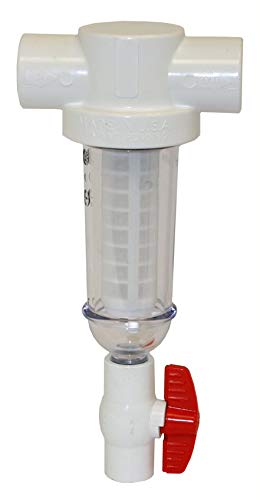
Spindown sediment filter removes sand and other sediment from well or irrigation pump applications and helps pumps, tanks and plumbing fixtures last longer
Corrosion: How Rust Turns Water Black
The black hue you see often stems from rust forming inside galvanized pipes. When the zinc coating erodes, water is exposed to iron; oxygen in the water reacts with that iron, producing iron oxide particles. These particles detach, travel through the system, and darken the water. You’ll notice orange‑brown stains on fixtures and a metallic taste, especially after periods of inactivity. To diagnose, conduct water quality testing for iron concentration and visual inspection of pipe interiors. If iron levels exceed safe thresholds, consider pipe replacement options such as full‑section galvanized removal, copper retrofitting, or PEX conversion. Installing a whole‑house oxidizing filter can temporarily reduce discoloration, but long‑term remediation requires replacing the corroded pipes. A common cause of leaks when the system is turned off is faulty valve seals that allow pressure buildup and water seepage. Regularly inspecting valve O‑rings can prevent unexpected leaks and extend system lifespan. The compact, cylindrical housing of the valve often includes a small, transparent cover that reveals the internal diaphragm mechanism controlling flow.
Sediment Buildup: Why It Darkens Water & How to Flush
When water sits idle in irrigation lines, fine particles—rust, sand, organic debris, and mineral precipitates—gradually settle and form a sediment layer that clogs filters, nozzles, and valves. This layer originates from rust, dirt, leaf fragments, well‑water sand, and mineral deposits such as calcium and magnesium. Faulty filtration allows total suspended solids to enter the system, where they accumulate in rotors, pumps, and valve seats. Over time, the buildup restricts flow, creates uneven spray patterns, and darkens water when the particles are dislodged. To flush, run a high‑velocity purge through mains and laterals, clean each nozzle by soaking and swishing, and replace spin‑down filters with centrifugal action. Regular flushing and proper filtration prevent re‑accumulation and keep water clear. A common indicator of a clogged nozzle is uneven spray that can be resolved by cleaning or replacing the head. Low water pressure can also exacerbate sediment buildup by reducing the system’s ability to clear particles during normal operation. A cracked seal can allow extra debris to enter the line, worsening the discoloration.

The Rusco clear cover is made of high impact polymer resin for maximum strength and durability. The top of the Rusco system is made of PVC.

Essential Household Must-Have: Filters impurities (sediment, debris, rust) from tap water before it reaches your equipment. This pressure washer filter extends the lifespan of your pressure washer and garden tools, saving you money on repairs/replacements.

【Advanced Sediment Filtration System–100 Mesh Screen】Built with a precision-engineered 100-mesh filter screen, this spin-down separator efficiently removes sand, silt, rust, and other fine particles from incoming water lines.
Microbial Growth: Black Slime and Odor in Sprinkler Lines
If you notice thick, oily black slime and a foul, sour odor emerging from your sprinkler heads, microbial growth is likely the culprit. Biofilm formation patterns develop when bacteria and fungi colonize interior pipe surfaces, creating a gelatinous matrix that traps iron, manganese, and salts. Nutrient composition impacts accelerate this process; organic debris, oils, and pipe joint compounds supply carbon sources, while dissolved oxygen and chlorides enhance metabolic activity. Iron‑oxidizing bacteria convert dissolved iron to insoluble oxides, producing the characteristic black sludge. Sulfate‑reducing bacteria generate acids that lower pH beneath the film, fostering micro‑bially influenced corrosion (MIC). The resulting slime mixes with rust particles, yielding inky water and a sour odor. Regular visual inspections, shock chlorination, and removal of nutrient sources are essential to control growth. Local water quality standards often require periodic microbial testing to ensure the water remains safe for irrigation. Drinking water from a sprinkler system may be safe if it meets potable water standards, but contamination can still occur from system materials, environmental exposure, and maintenance issues.

PREVENTS RUST STAINS - Quality Chemical Sprinkler Treatment Rust Stain Preventor is designed to prevent rust stains from forming on surfaces. This product will help keep your home, lawn, and outdoor areas looking beautiful.

PREVENTS RUST STAINS - Quality Chemical Sprinkler Treatment Rust Stain Preventor is designed to prevent rust stains from forming on surfaces. This product will help keep your home, lawn, and outdoor areas looking beautiful.
Stagnant Water: How It Amplifies All Causes
A few weeks of idle pipes can turn a sprinkler system into a breeding ground for every problem that darkens water. When water stagnates, it settles on porous surfaces, allowing rust, dirt, and organic debris to accumulate without flushing. This creates thick sludge and biofilm layers that trap additional particles, intensifying sediment density. The lack of flow also induces nutrient deprivation for aerobic microbes, forcing them into anaerobic metabolism that produces foul odors and black slimes. Simultaneously, oxygen trapped in still water fuels oxidation of metal walls, releasing iron oxides that darken the runoff. Air intrusion through leaks worsens corrosion, and the resulting by‑products concentrate in dead zones. Regular flushing and quarterly visual checks prevent these compounded effects. Gentle thawing of frozen pipes before winter can also reduce the buildup of sludge and biofilm.
Chemical Contaminants That Blacken Sprinkler Water
Stagnant water sets the stage for chemical contaminants to take over, and the most common culprits are specific bacteria and antifreeze by‑products. Sulfate‑reducing bacteria thrive anaerobically, digest organic material and hydrogen sulfide; their chemical reactions transform sulfates into black precipitates and generate a rotten‑egg odor. Iron‑related bacteria metabolize iron, depositing black oxides and oily slime that darken water and accelerate pipe corrosion. Slime‑forming bacteria create thick, black biofilm from iron activity, restricting flow and emitting earthy or moldy smells. Antifreeze contamination occurs when fire‑grade glycol carbonizes under heat, turning the bright‑green solution black through heat‑induced chemical transformations. This blackened antifreeze persists in the loop, masking bacterial signs while contributing to overall discoloration. Runoff can also spread pathogenic microorganisms into surrounding soil and groundwater, posing health risks for nearby residents. Properly designed sprinkler systems can reduce water waste and lower energy consumption, supporting sustainable irrigation practices. Understanding water flow dynamics helps identify stagnation points that encourage bacterial growth.

For preventing clogging of pop-up spray head nozzles for optimum performance
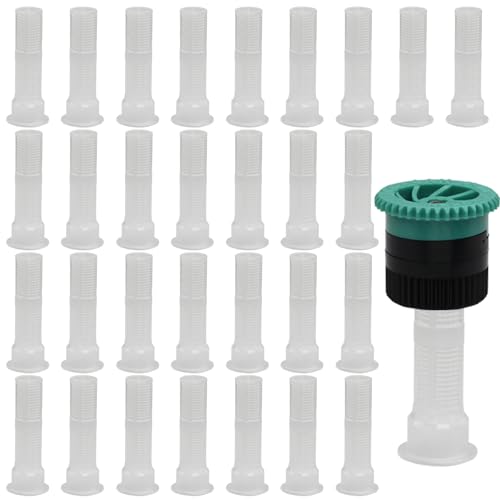
Filter upgrads Solution: This 30 pack includes durable ABS sprinkler water filters with fine mesh screen filter to block sand, rust and debris. Ideal for maintaining consistent water flow in residential lawns and garden irrigation systems

What you will get: You will receive 30 Spray Sprinkler Nozzle Filters, enough for your replacements or share with friends and neighbors.
Quick Fixes & Long‑Term Solutions for Clear Sprinkler Water
Why does your sprinkler water appear black, and how can you restore its clarity? Begin by flushing the system: open all valves, run clean water for ten minutes, and discard the runoff. Replace any visibly corroded pipe sections and install a sediment filter at the main inlet. For quick remediation, add a food‑grade polymer clarifier, circulate for 30 minutes, then rinse thoroughly. Long‑term solutions require preventative maintenance: schedule seasonal inspections to assess filter media, check for biofilm buildup, and verify pump seals. Clean or replace filter cartridges annually, and apply a corrosion‑inhibiting coating to metal components. Document each service event, monitor water color after each cycle, and adjust the maintenance calendar based on observed trends. This structured approach guarantees consistently clear sprinkler water. Listen for leaking water sound to identify the culprit valve. Check the nozzle before cleaning to ensure it isn’t already clogged. Use a gentle spray setting on the hose to avoid high‑pressure streams that could damage the sprinkler system. Understanding water pressure dynamics helps prevent future discoloration.
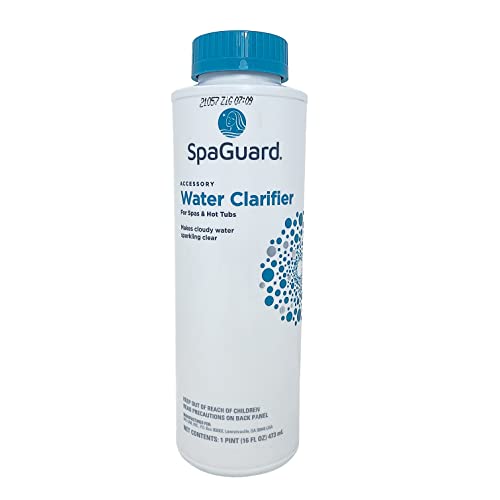
Ultimate Water Clarifier: Our SpaGuard Water Clarifier enables spa owners with a simple, effective clarifying treatment that brings back the sparkling clear water your spa used to have.
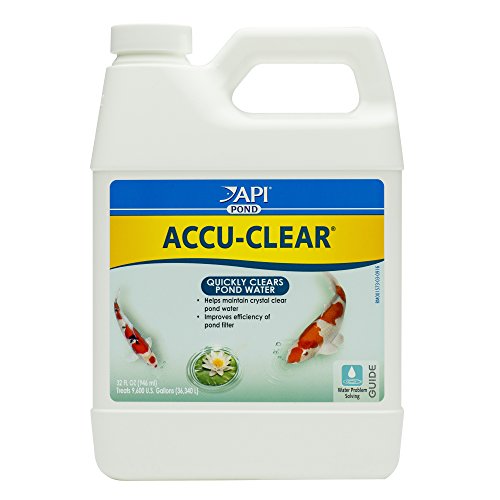
API ACCU-CLEAR – Helps clear cloudy pond water of dirt, silt, and floating particles. Works quickly and improves the overall efficiency of your pond filter.

API ACCU-CLEAR – Helps clear cloudy pond water of dirt, silt, and floating particles. Works quickly and improves the overall efficiency of your pond filter.