You’ll earn a solid median of $66,430 a year, with entry wages around $20‑$35 hourly and top earners hitting $78,000 plus; apprenticeship pays 45‑65 % of journeyman rates and climbs to $27‑$42 per hour by Class 5. Demand is strong, projected 4 % growth through 2034 and about 44,000 openings annually, especially in unionized regions. The clear ladder—from a four‑year apprenticeship to journeyman licensure—offers steady raises, benefits, and specialization pay boosts, so keep going to uncover the full career pathway.
Sprinkler‑Fitter Salary: Current Ranges and Median Pay
Sprinkler‑fitters are pulling in a broad salary band, with the 10th percentile at $43,000 and the 90th percentile hitting $100,000, while the national median hovers around $66,430 per year. You’ll notice the median rose from $56,312 in 2014 to $66,430 now, reflecting a 9 % decade‑long increase of roughly $10,118 annually. Hourly wages cluster between $20.91 and $35.34, yet union positions can exceed $45 per hour, pushing yearly earnings past $90,000 in many cities. Geographic variation is stark: Houston averages $49,823, whereas San Francisco reaches $69,049. This pay spread encourages diversity in the sprinkler fitter industry, allowing entry‑level workers to grow while maintaining a reasonable work‑life balance for sprinkler fitters. Understanding material costs helps explain why valve pricing can vary widely across projects. The overall cost of a sprinkler system is heavily influenced by head selection and the number of zones required.
Apprenticeship Pay → Sprinkler‑Fitter Salary
Because the apprenticeship blends on‑the‑job training with 19 university‑level courses, pay rises predictably every six months, starting at roughly 45 % of the local journeyman wage and climbing to 65 % by Class 5. You’ll see the hourly rate jump from about $19 in Class 1 to $27 in Class 5 when the journeyman base is $42, and the national average annual earnings for apprentices sit at $58,607 as of April 2026. Six‑month reviews lock in each class advance, so your income trajectory is transparent and data‑driven. This steady increase aligns with the sprinkler‑fitter job outlook, which remains strong due to building codes and fire‑safety mandates. Meeting the sprinkler‑fitter certification requirements—10,000 hours on‑the‑job and 144 classroom hours yearly—ensures you qualify for higher classes and the accompanying wage boost. The typical apprenticeship lasts four years, combining on‑the‑job training with classroom instruction. four‑year program. Plumbing experience provides a solid foundation for mastering irrigation system design and maintenance. Understanding how low‑voltage power supplies electric valves and controllers can also improve system reliability and energy efficiency.
Sprinkler‑Fitter Salary Outlook & Demand Trends
You’ll find that the salary outlook for sprinkler‑fitters remains robust, with median annual pay hovering around $56,921—15 % above the broader plumbing, pipefitting, and steamfitting average—and top earners reaching $78,300 or more. Data show a $43,000‑$100,000 spread, with high‑paying hubs like Washington, Anchorage, and San Jose pushing averages above $68,000. Experience and sprinkler fitter specialization drive earnings; senior‑level technicians command $73,100‑$78,300, while entry‑level roles start near $48,200. Demand stays steady, projected 4 % growth through 2034 and roughly 44,000 openings per year, fueled by construction, maintenance, and fire‑safety regulations. This stability translates into strong sprinkler fitter job satisfaction, as consistent work and clear advancement pathways reinforce both income potential and professional fulfillment. Union membership can significantly boost pay, especially in states like New Jersey where hourly rates can exceed $50. The cost of sprinkler head replacement typically ranges from $150 to $300 per head, depending on the model and installation complexity. Homeowners should also verify local water usage rules to avoid unexpected fines. Proper installation of a backflow preventer on a garden hose can protect against contamination risk and is often required by municipal codes.
Entry Requirements for Sprinkler‑Fitter Positions
If you’re aiming to become a sprinkler‑fitter, you’ll need to meet a few concrete entry requirements that balance legal standards, basic education, and physical capability. Age restrictions are clear: you must be at least 18, and most apprenticeships verify this during the application process. Educationally, a high school diploma or GED satisfies the baseline, while courses in science, math, or technical education boost your profile. Physical qualifications matter just as much—employers expect you to lift up to 90 pounds, climb scaffolding, and maintain stamina for long shifts. A driver’s license and OSHA 10 certification are typically required, and some firms value NCCER credentials. Submit a concise CV, cover letter, and be ready for any aptitude test to secure your spot. Understanding the wiring diagram helps you visualize how the controller, valves, and power supply interconnect for reliable operation. Proper conduit protection ensures the wiring meets NEC safety standards. Low‑voltage control circuits are often used to integrate sprinkler systems with building alarm networks.
Training Path: Apprenticeship to Journeyman
While the five‑year apprenticeship blends on‑the‑job experience with classroom learning, it delivers a clear, data‑driven roadmap from novice to Journeyman. You’ll spend 8,000 on‑the‑job hours, roughly 2,000 per year, under contractor supervision, while the classroom structure supplies at least 160 instructional hours annually. The curriculum includes 19 university‑credited correspondence courses covering fire codes, pipefitting, blueprint reading, safety, math, and tool use. Every six months you undergo a performance review that ties wage increases to both practical application and classroom mastery. Successful completion of four one‑year levels, each with 150 instruction hours, earns you a state license, a Journeyman wage averaging $42.12 per hour, health benefits, and pension eligibility. Proper water pressure management is essential to ensure the system operates efficiently and avoids damage. Understanding sprinkler valve pressure regulation helps prevent over‑pressurization and extends the lifespan of irrigation components. A solid grasp of solenoid operation also aids in troubleshooting valve failures.
Sprinkler‑Fitter Career Ladder and Promotion Timeline
Many aspiring sprinkler‑fitters see their career path as a series of clearly defined steps, and the data backs that view. You spend five years, roughly 8,500–10,000 hours, moving from 45 % to 90 % of journeyman wages. After completing a 4‑5‑year apprenticeship and passing the licensing exam, you become a journeyman, earning about $55,000 in 2018. Within another 1–2 years you can earn on‑site leadership experience by assisting foremen, positioning you for a foreman role typically 4–5 years from apprenticeship start. The foreman oversees teams, handles safety, and takes on project coordination roles, boosting hourly rates to $45+. Specializations such as CNC operation or fire‑protection design open after 2+ years, keeping growth open‑ended. Proper water quality management can significantly extend the lifespan of the sprinkler systems they maintain. Installing a sprinkler backflow preventer helps safeguard the potable water supply by blocking contaminated water from re‑entering the system. Backflow prevention is essential to protect drinking water from agricultural runoff and chemical exposure.
Highest‑Pay Areas for Sprinkler Fitters
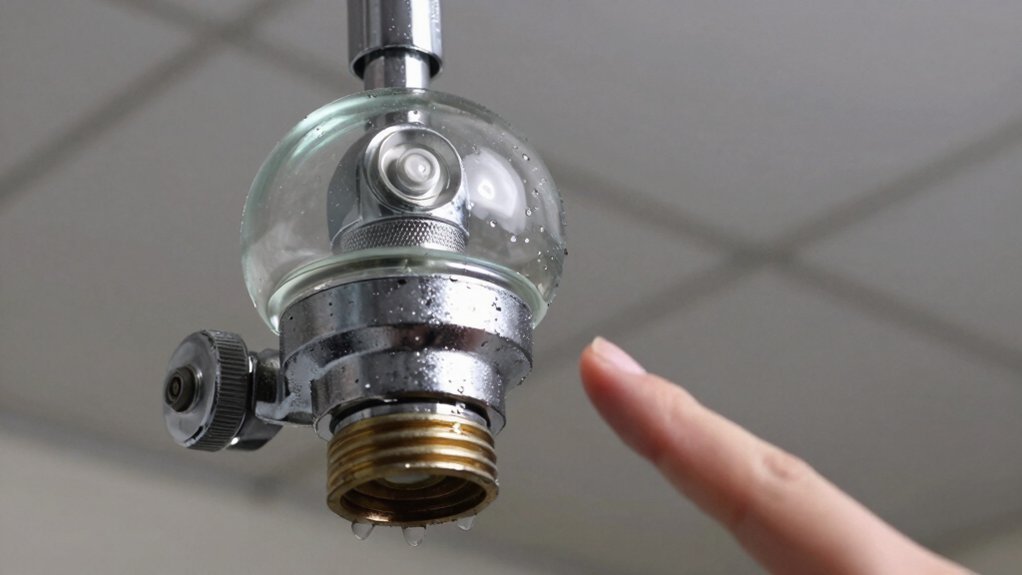
Because demand for fire‑protection expertise varies by region, salaries for sprinkler‑fitters spike in a few key markets. Washington State tops the list, with an average of $102,301 and Bellingham leading city‑level pay; the $43‑100 k range reflects construction growth. New York, NY follows, offering $84,395 average and a tight $78,904‑$90,513 band driven by strict codes and dense competitive urban markets. Anchorage, AK provides $79,626 average, where harsh weather and a talent shortage push wages above $74,445‑$85,398. Denver, CO boasts the highest hourly rate at $36.00, while Portland, OR sits at $34.93, both exceeding the national $28.51 benchmark. These highest pay locations illustrate how regional demand and market conditions shape lucrative opportunities. Building size thresholds also affect where sprinkler systems are required, influencing local labor demand. The upper practical size of an ESFR system is often limited by water supply capacity and ceiling height constraints. The transparent cover lets technicians quickly inspect the internal diaphragm for wear.
Sprinkler‑Fitter Salary Benefits: Retirement, Health, Security
The impressive pay in Washington, New York, and Anchorage makes it clear that earnings are just one piece of the compensation puzzle for sprinkler‑fitters. You’ll find that union membership benefits add a robust retirement layer: a defined‑contribution plan contributes $7.00 per hour (rising to $7.30 by 2024) and a defined‑benefit option guarantees lifelong payouts. Retiree benefit programs extend these guarantees, with Merrill Lynch managing investment choices. Health and welfare are equally strong—$11.91 per hour now, climbing to $12.40, funds extensive coverage through the National Automatic Sprinkler Industry Welfare Fund, praised by Local 704. Job security follows, as wages track the U.S. BLS construction index and union contracts protect both active workers and retirees, delivering long‑term financial stability. Sprinkler fitters see hazards that others overlook, ensuring safety beyond the paycheck.
Certifications That Boost Sprinkler‑Fitter Earnings and Advancement
When you add a recognized certification to your résumé, your earning power and promotion prospects jump noticeably. The apprenticeship’s 4‑5‑year program already gives you a solid base, but coupling it with license certifications such as the NCCER portable technician license or the NY FDNY S‑12 Certificate of Fitness amplifies your market value. Data show NCCER‑certified journeymen earn 12‑15 % more, while S‑12 holders command premium rates in NYC’s dense building stock. Pursuing the NFPA WBITM certification adds a skilled specialization in water‑based system maintenance, opening higher‑pay inspection roles. Finally, the STAR Fire Sprinklerfitting Mastery credential signals mastery beyond the 8,000‑hour apprenticeship, positioning you for senior foreman or project‑lead positions and a measurable salary boost.