You’ll find basic anti‑siphon valves start around $14.99 and go up to $48.69, with popular Rain Bird and Weathermatic models averaging $24‑$35. Inline 1‑inch male‑threaded options sit near $24.95, while ½‑inch MPT filtered units are under $20. Professional‑grade anti‑siphon or electric flow‑control units exceed the $150‑$300 range, especially when access is difficult or extra piping is needed. DIY kits typically cost $88‑$219 per valve, covering parts and labor‑free installation. For a deeper exploration into brand comparisons, bulk discounts, and a cost‑calculator checklist, keep going.
How Much Do Sprinkler Valves Cost? Price Ranges by Type and Brand
What’s the price range for sprinkler valves? You’ll find anti‑siphon models between $14.99 and $48.69, with Rain Bird and Weathermatic averaging $24‑$35. Inline options sit near $24.95 for 1‑inch male‑threaded units, while the lowest‑priced inline 1/2‑inch MPT filtered valve falls below $20. Globe and angle valves vary, but rotor‑specific types start at $35.30. Valve quality differences drive these gaps: professional‑grade anti‑siphon and electric flow‑control units cost more than basic manual FPT parts. Installation complexity impacts overall expense; simple replacements run $125‑$225 per valve, whereas multi‑valve assemblies or complex retrofits can exceed $300. Brand pricing aligns with these trends, with Rain Bird, Hunter, and Orbit each offering distinct quality tiers within the $10‑$70 market spectrum. Proper use of an anti‑siphon valve helps prevent backflow contamination in irrigation systems. The backflow preventer is typically installed near the water main to safeguard the potable water supply. Local jurisdictions often require a certified cross‑connection inspection to verify compliance.
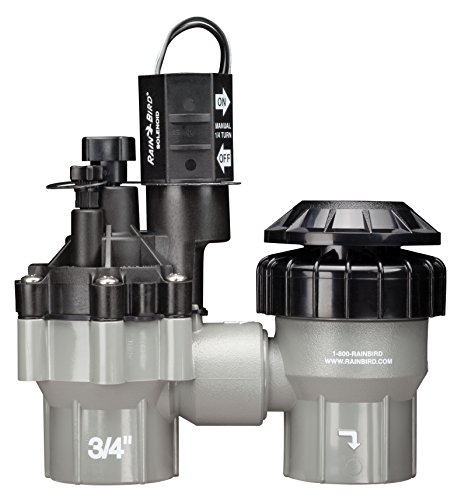
Professional grade 3/4" anti-siphon valve with flow control; compatible with any standard sprinkler timer

Professional grade 1" anti-siphon valve with flow control; compatible with any standard sprinkler timer

Included components: Anti-siphon valve
What Factors Influence Sprinkler Valve Prices? (Access, Materials, Wiring, Etc.)
The price ranges outlined earlier reflect only the base cost of the valve itself; the real expense comes from factors such as access, material choices, wiring, damage type, and labor. Access drives labor intensity—hard‑to‑reach or buried valves can add $75‑$300 per unit, and valve box replacement may cost $150‑$350. Material selection influences both initial spend and long‑term maintenance requirements; sprinkler valve cost parts range $14‑$150 per part, while PVC and polyethylene pipe cost $1.30‑$3.90 and $0.45‑$1.30 per foot, respectively. Wiring adds $0.50‑$1.90 per foot, and controller or timer issues can push repairs to $120‑$350. Damage type—leaks, clogs, or age‑related failures—varies $75‑$400, and labor dominates, with professional rates $150‑$300 and installation labor up to $3,000. Some sprinkler valves also incorporate built‑in pressure regulators to maintain optimal system pressure. Understanding how the solenoid coil activates the valve can help diagnose electrical issues early. Proper flow control ensures even water distribution across zones.
DIY Sprinkler Valve Replacement: Costs, Brands, and Step‑by‑Step Guide
A DIY sprinkler valve replacement typically costs between $88 and $219 per unit, covering the valve itself, PVC pipe, fittings, and labor‑free installation. You’ll choose a 1‑inch valve—Rain Bird, Hunter, Orbit, Toro, or generic brass/plastic—priced $35‑$75, then add 3 ft of Schedule 40 PVC ($9) and Teflon tape. Required tools: pipe cutter, screwdriver set, multimeter, and shovel for box access. Steps: shut off water, excavate box, label and disconnect wiring, unscrew unions or cut pipe, install the new valve, reconnect, and test each zone. Anticipate diy installation challenges such as precise pipe cuts and secure wiring seals. Consider aftermarket valve alternatives if you need UV resistance or specific flow ratings. Savings versus professional service can reach $152 per valve. Some systems use manual valves for zones that do not require electronic control. uneven watering may indicate a partially clogged or failing valve and should prompt inspection before replacement.

Replacement diaphragm for Orbit 100-series automatic 3/4-inch. (57100) and 1-inch. (57101) internal bleed valves, except Anti-Siphon.

USAGE: This valve cover/cap assembly is designed to replace components for both 3/4" and 1" DAS/ASVF series anti-siphon sprinkler valves

【765 1" & 1-1/4" Repair Kit】All parts work for Febco 765 EBV 1" & 1-1/4" Backflow Preventer and Vacuum Breaker. Maximum working pressure: 150 psi. Perfectly replace for Febco OEM 905-212, 905-052 & 300-089. Replacement part for Febco 765-1 Repair Kit. ( NOT for 1/2" & 3/4" Models)
Simple Professional Sprinkler Valve Replacement Prices (Parts + Labor)
If you’ve already seen how a DIY swap can save you money, the next step is to understand what a professional install actually costs. A simple professional replacement typically runs $75‑$215 per valve, including parts and labor. Parts alone range $10‑$150, with most valve brands priced $14‑$150; a basic valve box adds $10‑$100. Labor is billed hourly, $56‑$115, national average $90, and most jobs require a one‑hour minimum. Expect 1‑2 hours of work, so a single‑valve job usually totals $150‑$300, depending on installation location and accessibility. If the valve sits in a hard‑to‑reach box, the price leans toward the upper end. This structured estimate isolates the core cost components without extra variables. Understanding sprinkler repair costs helps you budget more accurately. Proper water quality can significantly extend valve lifespan. Regularly inspecting for worn seals can prevent costly leaks.

COMPATIBLE WITH POPULAR HUNTER VALVES: Designed for use with Hunter PGV, SRV, ASV, PRO-ASV, PGV Jar Top, PGV-100G, PGV-101G, PGV-100A, and PGV-101A plastic 3/4" and 1" valves. Ideal for quick replacements without digging or full valve swaps.

Replacement sprinkler valve/controller diaphragm kit

Package length :7.25"
Why Some Valve Replacements Are Complex (and Cost More)
Because modern sprinkler systems integrate electrical, hydraulic, and environmental variables, a seemingly simple valve swap can quickly become a multifaceted task. You’ll encounter electrical troubleshooting complexities when faulty wiring, corroded solenoids, or proprietary thread types prevent proper actuation. Matching color‑coded wires and waterproof connectors often requires a licensed technician. Water quality impacts add another layer: sand, silt, mineral flakes, and organic debris can clog pilot ports, damage diaphragms, and cause irregular flow, especially in hard‑water zones without filtration. Soil conditions, frozen temperatures, and cramped valve boxes further extend labor time, while precise PVC cutting, glue curing, and torque control are essential to avoid leaks. These intertwined factors raise both material and labor costs, making some replacements considerably more expensive. Additionally, installing drip tubing under heavy weed cloth can make future inspections nearly impossible. Proper water resistance of valve housings is crucial to prevent moisture intrusion and prolong system life. Understanding the difference between dry‑pipe and wet‑pipe configurations helps technicians choose the appropriate valve type for each environment. Regular maintenance can also prevent seal wear that leads to leaks.
Multi‑Valve Sprinkler Discount Prices: Bulk Savings Explained
Many irrigation professionals discover that ordering sprinkler valves in bulk can reduce unit costs by 15‑30 % compared with single‑item purchases. Volume based pricing structures typically tier discounts at 10‑item, 25‑item, and 50‑item thresholds, with each tier lowering the per‑valve price by roughly 5‑10 %. Wholesale distribution channels enforce these tiers by requiring a minimum order quantity and a signed reseller agreement, which also grants access to pre‑negotiated freight rates. When you place a 30‑valve order through a certified distributor, you often see a 20 % reduction versus retail, while a 100‑valve contract can approach a 30 % cut. These savings stem from manufacturers’ ability to amortize tooling, packaging, and shipping expenses across larger shipments, translating directly into lower invoice totals for the buyer. Bulk purchasing also simplifies inventory management for large‑scale irrigation projects. Using Schedule 40 PVC for irrigation piping is generally prohibited by most plumbing codes due to its limited pressure rating and lack of approval for potable water systems.
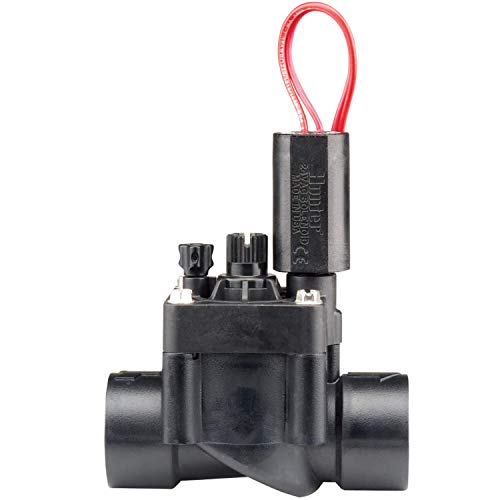
BUILT-IN FLOW CONTROL FOR ZONE PRECISION: Control water flow to each irrigation zone and prevent overwatering. Helps improve system efficiency, reduce misting, and support healthier landscapes.
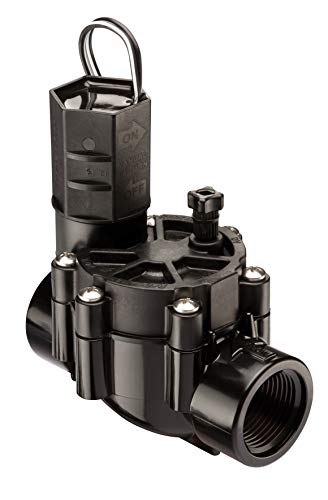
Residential / light commercial grade 1" female threaded inlet and outlet valve

PREVENT WATER BACKFLOW - Our automatic anti-siphon valve with an atmospheric vacuum breaker protects your irrigation system and culinary system from water contamination.
Brand‑By‑Brand Sprinkler Valve Price Comparison (Hunter, Rain Bird, Irritrol, Etc.)
Bulk pricing highlights the cost advantage of ordering multiple valves, but choosing the right brand still hinges on per‑unit price and feature set. You’ll find Hunter’s 1″ PGV series ranging from $19.90 for a plastic globe valve to $35.64 retail, with a double‑beaded diaphragm seal that sustains 20–150 PSI and 0.2–30 GPM flow. Rain Bird typically posts $30‑$45 per unit, emphasizing ceramic‑disc valve manufacturing techniques that boost wear resistance. Irritrol’s models sit near $28‑$38, featuring stainless‑steel bodies and integrated pressure regulators. Valve performance comparisons show Hunter’s anti‑siphon and flow‑control options excel in low‑flow micro‑irrigation, while Rain Bird’s ceramic discs deliver higher durability under abrasive water. Irritrol balances cost and robustness, making it a solid middle ground for residential installations. The valve’s transparent cover reveals the internal diaphragm that regulates water flow. When swapping solenoids, verify the thread size matches to avoid leaks. Properly wiring the solenoid to a low‑voltage AC source ensures reliable operation and protects against power surges.

Irrigation Valve With Water Flow Control. External/internal manual bleed allows for quick and easy activation at the valve

PREVENT WATER BACKFLOW - Our automatic anti-siphon valve with an atmospheric vacuum breaker protects your irrigation system and culinary system from water contamination.

For controlling the flow of water in sprinkler or drip irrigation zones; 25 VAC solenoid includes manual actuation with a twist of the solenoid
Cost‑Calculator Checklist for Your Next Valve Project
Efficiency hinges on a clear, itemized checklist that captures every material and labor variable before you start budgeting for a valve project. First, list valve unit costs—basic broken valve $15, 1‑inch sprinkler valve $79.50, inline or anti‑siphon $15‑$150, solenoid‑operated zone valves included in system pricing. Add valve box, manifold ($80‑$181), connections ($1.50‑$9 each), and timer integration ($60‑$349). Next, calculate labor: 1‑2 hours at $50‑$100 per hour, installation $200‑$400 for four hours, or per‑square‑foot $1.04‑$1.91. Include pipe integration $0.50‑$2.50 per foot, pressure or wiring fixes $50‑$500, and any soil‑condition adjustments. Finally, factor valve placement considerations and overall irrigation system configuration to guarantee accurate totals for your specific acreage and zone count. The water source must maintain adequate pressure to ensure consistent spray from each sprinkler head.