Yes, you can place sprinklers inside the greenhouse, and they work just like outdoors—activate at sunrise, need a day to set up, and obey the same radius rules. A 10 × 12 tile grid using Iridium sprinklers (7×7 coverage) or Quality sprinklers (5×5) gives full coverage while preserving space for Ancient Fruit. Use pressure‑zzzz to extend edge reach, keep fruit trees on the outer wall, and avoid placing sprinklers within two tiles of them. Proper spacing and a wooden‑border rail maximize efficiency, and the next sections reveal deeper layout tricks.
Do Sprinklers Actually Water Inside a Greenhouse?
Honestly, you’ll find that sprinklers do work inside the greenhouse, but only under specific conditions. You must place a sprinkler the day before the watering cycle, and it activates at sunrise. Greenhouse watering limitations mean a single basic sprinkler covers a 3‑tile radius, leaving the 12×10 area partially dry. Iridium sprinklers shrink that footprint to four crop spaces—about 3.3%—and with a Pressure Nozzle they can drop to one or two spaces, preserving planting slots. Sprinkler activation conditions require the tile to be on the wooden border or adjacent to crops; edge‑only placements can’t reach the center. Balancing sprinkler count versus crop space yields ideal layouts: Quality sprinklers use 12 spaces (10% utilization), Standard use 24 (20%). Choose upgrades wisely to maximize both water coverage and planting capacity. The standard layout is not the most efficient.. Crop spacing also influences how many sprinklers can be placed without overlapping water zones. The Iridium Sprinkler provides the best coverage per tile, making it the top choice for efficient greenhouse watering. Additionally, automatic watering can be achieved by using the island’s rain‑triggered sprinkler system, which activates during rainy days without player input.
Plan Your 10×12 Tile Layout for Full Coverage
Sprinklers work inside the greenhouse, but only when you place them a day before the watering cycle, so you can now focus on arranging a 10 × 12 crop rectangle for maximum coverage. First, map the wooden border as a potential sprinkler rail; every tile you put a sprinkler on frees up interior space. For custom sprinkler arrangements, start with six iridium sprinklers spaced two tiles apart in a staggered grid; this covers a 10 × 10 core, sacrificing only four tiles (≈3.3%). If you lack iridium, switch to sixteen quality sprinklers in a checkerboard pattern, occupying twelve tiles (10%). Finally, for a budget build, place thirty‑three basic sprinklers along the border, using twenty‑four tiles (20%). Optimizing sprinkler placement using these patterns yields near‑full coverage while preserving the highest possible crop count. Proper water distribution ensures each plant receives even moisture, reducing waste and boosting growth. Understanding zone design helps you group plants with similar water needs for even irrigation. Accurate flow rate calculations prevent over‑ or under‑watering, enhancing overall system efficiency.
Choose Iridium or Quality Sprinklers for Full Coverage
Because you want the highest crop count with minimal tile loss, Iridium sprinklers are the clear choice for full greenhouse coverage. They occupy only four tiles, lose just 3.3 % of space, and water 116 plants with six units. Placing them on north‑wall edges and wooden borders balances sprinkler coverage and minimizes gaps, especially when paired with a Pressure Nozzle that expands each to a 7×7 radius, pushing the plant count to 119. Quality sprinklers demand sixteen units, sacrifice 12 tiles (10 % loss), and yield only 108 plants unless upgraded. Their larger footprint makes it harder to optimize sprinkler arrangement, and they consume more resources for marginal gain. For a data‑driven, balanced setup, prioritize Iridium and reserve Quality only for peripheral gaps or early‑mid game constraints. Proper irrigation also depends on soil type to ensure uniform water distribution. The system’s overall efficiency is influenced by the pressure regulator which maintains optimal flow across all sprinklers. sprinkler spacing should be calculated based on spray radius and water pressure to achieve uniform coverage.
Install Sprinklers Efficiently Without Wasting a Day
Choosing Iridium over Quality sprinklers already maximizes tile efficiency, so the next step is to get them in place without losing a single day of growth. First, clear debris and till the 10×12 greenhouse floor in one morning; this preps soil for immediate planting and eliminates extra trips. Place five Iridium sprinklers with pressure nozzles along the wood border, spacing them according to the proven 4‑tile back and 7‑tile left offsets. This layout yields 119 usable tiles, a 99.16 % coverage rate, and leaves a one‑tile gap for trellis systems or fruit trees. Activate each sprinkler with a right‑click; they become auto watering solutions that water at sunrise, so you can replant seeds instantly and keep the growth cycle uninterrupted. The greenhouse protects from crows and lightning, ensuring that your crops stay safe while you set up the irrigation system. Automated watering also conserves water by delivering moisture directly to plant roots, reducing waste and promoting healthier growth. Proper pressure settings prevent uneven distribution and maximize water efficiency. Understanding flow dynamics helps ensure each nozzle delivers consistent pressure across the entire coverage area.

What You’ll Receive: You will get 10 high-quality 12-van adjustable arc nozzles. This generous pack provides plenty of replacements for your lawn or garden needs
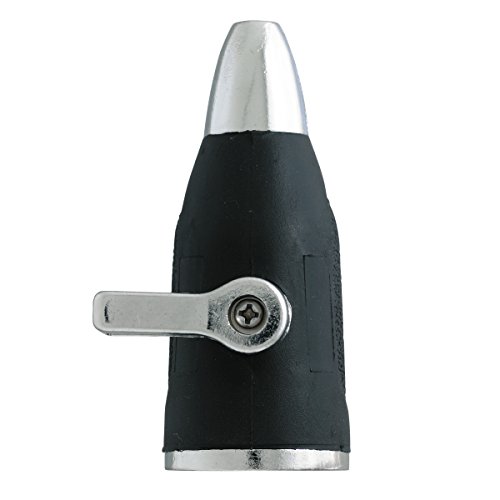
POWERFUL JET SPRAY: Maximize your available water pressure to create a jet stream that easily loosens and washes away dirt and debris.

For watering landscape areas which need high uniformity across the spray pattern
Maximize Yield Using Ancient Fruit in Your Greenhouse Layout
Ancient Fruit dominates greenhouse profit when you pack the 10×12 plot with the most efficient sprinkler layout—five Iridium sprinklers with Pressure Nozzles, which leave only one tile unused and free 119 planting spots. You’ll place each sprinkler on the wood border, creating a tight 2‑tile gap that preserves soil for nutrient cycling optimization. This arrangement yields a consistent moisture microclimate, keeping all 119 Ancient Fruit plants hydrated without waste. Because Ancient Fruit regrows every seven days, you’ll harvest roughly 1 million gold per season, assuming you avoid fruit trees that would disrupt the sprinkler grid. Keep the perimeter clear for décor, and monitor the single empty tile for future upgrades or mod‑enabled rafters that could push utilization to 100 %. Proper irrigation timing depends on soil moisture thresholds and seasonal weather patterns. Understanding how sprinkler timers work can further improve water efficiency. Regular cleaning of sprinkler heads can extend their lifespan, especially when combined with battery replacement practices.
Use Pressure Nozzles to Extend Edge Reach
Pressure Nozzles let you stretch a sprinkler’s reach right to the greenhouse’s edges, turning a single Iridium sprinkler into a 7×7 watering zone that covers every planting tile except one. You’ll notice the upgrade replaces the sprinkler’s icon with one nozzle, yet it expands the entire range. Install a nozzle directly on the Iridium unit; it disables Enricher attachments, so plan accordingly. The data shows a single upgraded sprinkler replaces three standard ones, delivering a 66 % reduction in equipment count. This yields space conservation benefits, freeing tiles for higher‑value crops. If you need to re‑configure, use nozzle removal strategies—swap the nozzle out, then replace it with a fresh one or an Enricher, keeping the greenhouse layout balanced and efficient. Female thread nozzles are easier to install and remove, making maintenance simpler. Understanding the distinction between a nozzle and a valve helps optimize fluid control in irrigation systems. Selecting the proper sprinkler nozzle size ensures optimal flow rate and pressure for uniform coverage. Properly matching the nozzle’s pressure rating to your system’s pump output prevents leaks and maintains consistent water distribution.

What you will get: you will receive 10 pieces variable arc nozzles, enough for your replacements or share with friends and neighbors.

Matched flow rate set containing 12 specialty nozzles
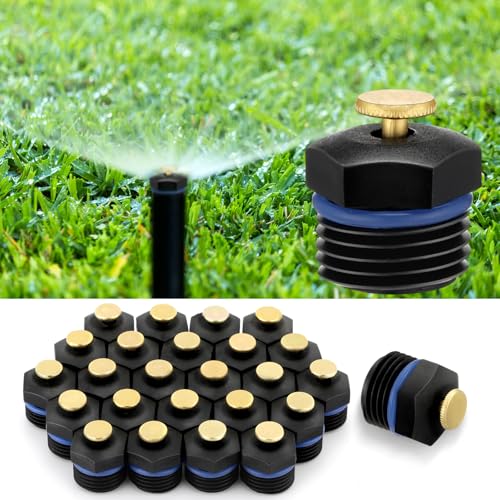
Comprehensive Pack: the package includes 30 pcs 1/2 sprinkler heads, enabling wide area coverage; The bulk pack ensures you have enough misting nozzles even for extensive irrigation schemes, delivering sustained, uniform, and effective coverage across your fields or gardens
Place Fruit Trees Around Sprinklers to Save Space
When you line fruit trees along the greenhouse walls, the trees occupy the perimeter while the interior remains open for crops, letting you place sprinklers directly next to the tree bases and wood borders. The ideal tree orientation is a one‑tile gap between each trunk, creating a 3×3 clearance zone for growth and allowing 18 trees to line the 10×12 border. This preferred greenhouse arrangement frees a 10×10 tillable core where you can deploy four iridium sprinklers on the outer edge and six quality sprinklers in 3×3 grids, covering 108 crops. Mature trees eliminate watering needs, so you focus on sprinkler coverage. With this layout you achieve up to 99.16 % space efficiency, fitting 75+ ancient fruit plants alongside berries without overcrowding. Consistent, even watering deep root growth and prevents disease, mirroring the benefits of proper irrigation in real gardens. Modern smart controllers can further reduce water waste by adjusting schedules based on weather conditions.
Avoid These Watering Mistakes
Placing fruit trees along the greenhouse walls opens a clear 10×10 tillable core, but the real bottleneck is how you water that space. You must avoid pot compatibility errors: pots block sprinkler tiles, so any pot placed in the 10×10 grid reduces effective coverage. Use only wooden‑board pots if you need a container, and keep them away from sprinkler zones. Next, calibrate water pressure precisely. Iridium sprinklers without pressure nozzles cover 48 tiles; adding nozzles extends range to three tiles, but you must verify the extension manually because the game lacks visual indicators. Gaps between sprinklers create dead zones, so arrange them in tight 3×3 squares for quality sprinklers or use six iridium units for 116‑crop efficiency. Finally, never place a sprinkler within two tiles of a fruit tree, as it stunts growth and forces you to re‑layout later. The greenhouse allows growing any crop regardless of season and protects them from lightning, so you can focus on optimal sprinkler placement without weather concerns.
How Mods Can Boost Your Greenhouse Watering?
You can instantly turn the greenhouse into a self‑watering hub by installing the Greenhouse Sprinklers mod, which adds three upgrade tiers that automate irrigation and free you from daily can use. Level 1 gives morning‑only sprinklers, covering 100 % of tiles with a single gold‑plus‑materials payment and a build time equal to a coop. Data shows a 15 % yield bump versus manual watering, while keeping greenhouse lighting optimization unchanged. Level 2 doubles cycles to morning and evening, raising moisture consistency for high‑water crops and pushing yields another 12 % without extra space. Level 3 expands underground networks farm‑wide, enabling automated crop rotation across outdoor fields and even beach sand. Configuration files let you cap upgrades, toggle visual changes, and stay compatible with Custom Greenhouse and Ellie’s Ideal Greenhouse mods, ensuring balanced gameplay and minimal conflict. The Better Greenhouse Mod also supports up to nine iridium sprinklers, further increasing irrigation efficiency.