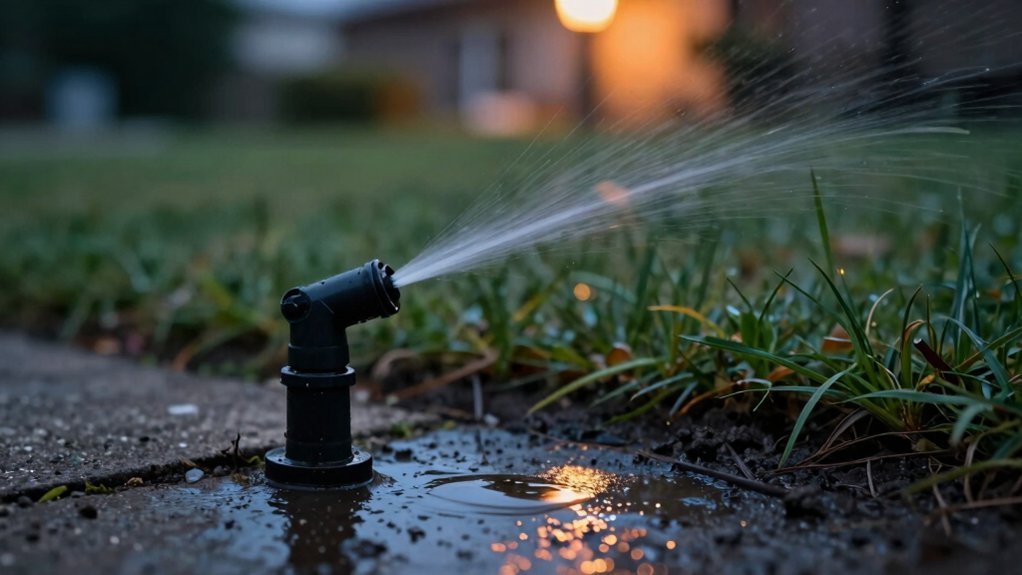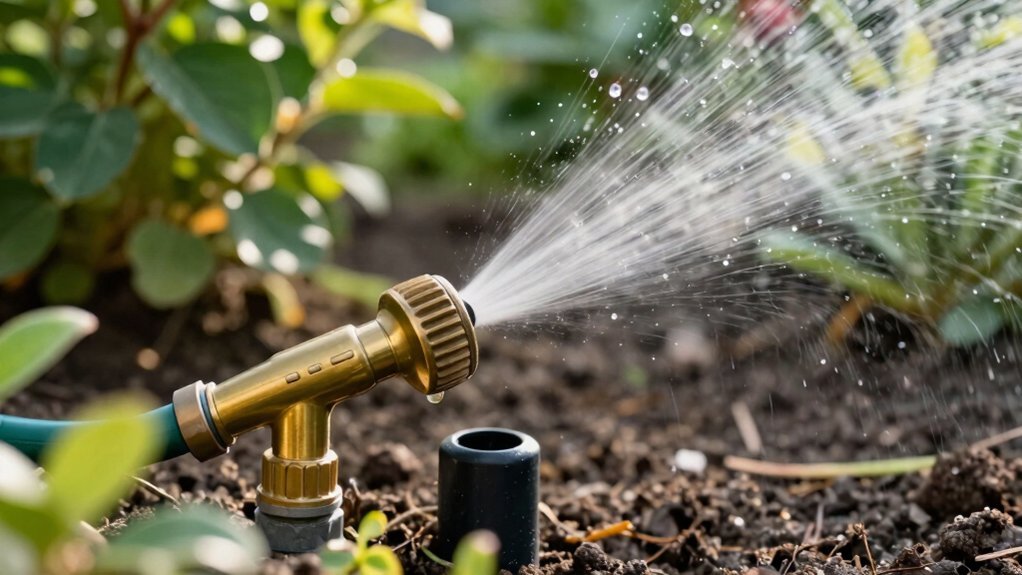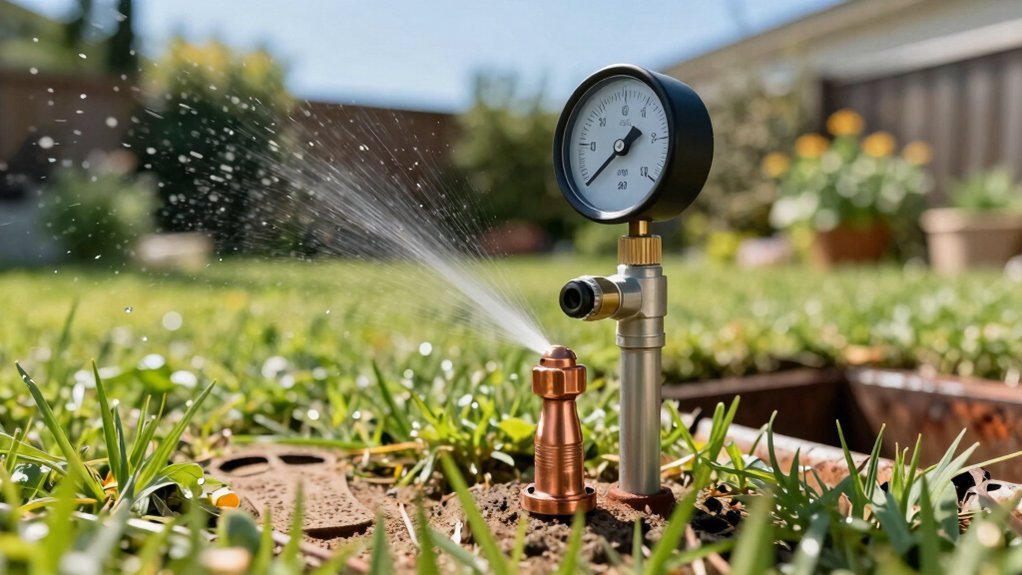
A smart sprinkler system cuts your garden’s water use by up to 30 % and delivers moisture exactly where plants need it, eliminating the guesswork of hand‑watering. Soil‑moisture sensors shut off irrigation once the preset threshold is reached, preventing over‑watering and disease. Weather‑based controls cancel cycles when rain is forecast, while early‑morning scheduling reduces evaporation to under 10 %. Proper head selection and drip lines further boost efficiency, and the system’s savings and curb‑appeal benefits become clear as you explore the details.
Why a Sprinkler System Beats Hand‑Watering for Garden Health
When you install an automatic sprinkler system, you cut water use by up to 30 % compared with hand‑watering, because the system tailors flow to each zone instead of delivering a uniform spray. The controller schedules pulses that match soil‑moisture data, delivering the appropriate amount at the right time, which yields clear plant health benefits: roots receive consistent moisture, stress from weather fluctuations drops, and foliage stays dry, reducing disease risk. Water conservation advantages arise from zone‑specific dosing and drip‑line precision, which limit evaporation and runoff. The system also avoids over‑watering and underwatering, maintaining ideal hydraulic balance across diverse plant types. Consequently, your garden develops stronger, pest‑resistant growth while your water bill declines. Consistent, even watering also encourages deep root development and minimizes disease, promoting healthier lawns. Modern timers can integrate soil moisture sensors to further optimize water usage. Adding a rain sensor to the system automatically shuts off watering during precipitation, preventing waste and protecting plants from excess moisture.

🔹 [Smart Timer Included – Hands-Free Watering, Fully Programmable | 2026 Upgraded]No more daily hose duty. The built-in automatic timer lets you customize watering schedules by time, frequency, and duration. Features Rain Delay Mode (1–15 days) to pause watering during rainy days and resume automatically, plus a Child Lock for added peace of mind. Note: Batteries are not included. Please follow the instructions to set watering schedules

【Easy to Program】Rotate the dial and press the buttons to set clock, how often (watering frequency), how long (watering duration), start time, auto, and off. Watering Frequency from 1Min to 23h59Min or 1 to 7 days, each Watering Duration is 1min-23h59min. The sprinkler timer can customize your watering time to meet your flexible watering needs.

【Upgraded Tube Design & Water Saving】 Our adjustable garden watering system is upgraded to 1/2” diameter to support high water pressure. The 1/2” tee connector in the package so you can easily set up 2 drip irrigation systems as needed. Garden watering systems minimize stage water loss by recharging water directly to plant roots. While traditional irrigation often results in wasted water, this drip irrigation system saves up to 70% of water, no need for manual watering, saves water.
How Sprinkler System Soil‑Moisture Sensors Keep Plants Hydrated Without Over‑watering
A soil‑moisture sensor measures the dielectric constant in the root zone to estimate volumetric water content, then instantly shuts off irrigation once the pre‑set moisture threshold is reached, overriding any scheduled cycles. You install the probe at 6‑12 inches for shrubs or 18‑24 inches for trees, positioning it in the driest spot of the root zone for accurate moisture level testing. The sensor feeds real‑time data to the controller, which bypasses timer‑based watering and only activates when moisture falls below the programmed limit. This precise feedback protects root zone health, prevents over‑watering, and reduces nutrient leaching. Adjustable thresholds let you fine‑tune for soil type and plant demand, while one‑touch overrides handle dry spells without manual reprogramming. The result is efficient hydration, lower utility bills, and healthier, more vibrant garden growth. Check valves can also be installed to prevent backflow, ensuring that pressure fluctuations do not disrupt sensor readings. Properly installed anti‑siphon valves safeguard water quality by blocking reverse flow into the potable supply. Backflow preventers are required by many local codes to protect the drinking water system from contamination.

A soil meter designed specifically for AC Infinity AI Controllers to help monitor and maintain soil saturation.
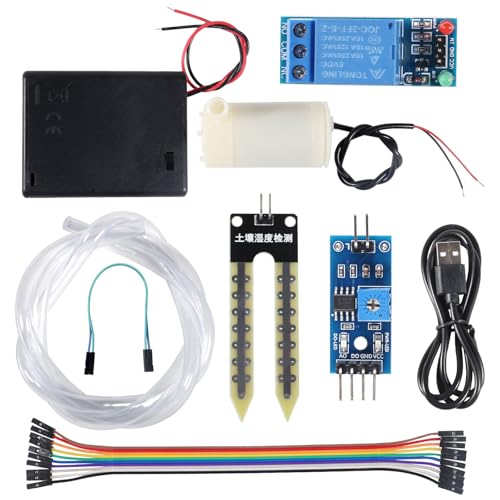
Automatic Irrigation DIY Kit: LM393 Soil Moisture Detect Sensor,Mini Water Pump, Tubing, Battery Case,One Channel 5V Relay Module and Jumper Wires in One Plant Watering System, It Can Water Plants and Flowers Automatically ,According to Monitor the Soil Moisture
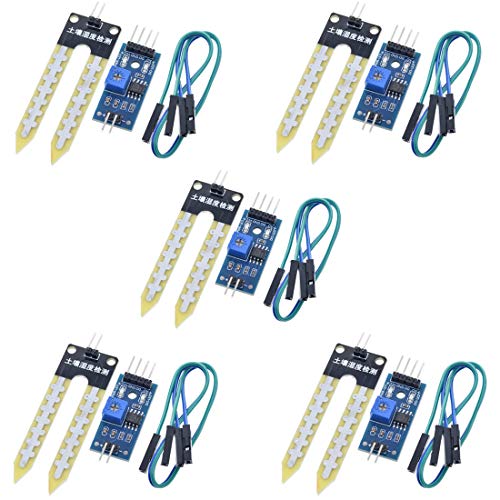
This is a simple moisture sensor can be used to detect soil moisture, when the soil water shortage, the module outputs a high level, whereas the output low.
Using Weather Forecasts With Your Sprinkler System to Skip Irrigation
Typically, a weather‑based controller pulls real‑time forecast data and automatically cancels any scheduled watering if rain is predicted within the next 48 hours. You configure it to query on demand weather data every 12 hours and again one hour before each cycle, using an API such as OpenWeatherMap. When the forecast shows precipitation, the controller returns a “not_rainy” flag, and the system skips the run, preserving water and preventing runoff. This logic integrates with Home Assistant or native firmware, allowing you to set accurate scheduling recommendations that adapt to seasonal shifts and plant needs. By automating skip decisions, you eliminate manual overrides, maintain landscape health, and achieve the water‑saving performance certified by WaterSense. Rain sensors detect soil moisture to further reduce unnecessary watering.
Deliver Water Directly to Roots to Cut Evaporation & Runoff
If you route water straight to the root zone with low‑pressure emitters or tubing, you eliminate most evaporation and runoff. Direct‑root delivery injects water at 0.5‑4 gph, allowing deep soil absorption while maintaining soil aeration benefits that improve root respiration. Low‑pressure operation (15‑30 PSI) with filtration prevents clogging and supports schedule flexibility advantages, letting you program short bursts during off‑peak hours without risking surface pooling. Targeted placement avoids wetting inter‑plant spaces, cutting water loss by up to 60 % and reducing runoff that carries nutrients away. Efficiency reaches 90 % in hot weather, using 30‑50 % less water than sprinklers and fostering deeper, drought‑resistant root systems. This method maximizes moisture use while preserving soil structure. Properly sized backflow preventer ensures that water does not contaminate the municipal supply. Backflow preventers are typically installed near the water main or at the point where the irrigation line connects to the household supply. Installing a backflow preventer can also protect against cross‑connection hazards that may arise when garden hoses are left submerged in standing water.
Schedule Early‑Morning Watering for Peak Efficiency
About 30 % of the water you apply in the middle of the day evaporates before it reaches the roots, whereas watering at dawn cuts that loss to under 10 %. Schedule your sprinkler to run between 4 a.m. and 7 a.m.; the cool air and low wind minimize evaporation and drift, ensuring more water reaches the root zone. Early‑morning moisture aligns with stomatal opening, boosting uptake and supporting soil temperature regulation, which stabilizes root metabolism. The timing also promotes photochemical growth by supplying water before peak sunlight, allowing photosynthesis to proceed without water stress. Rapid drying of foliage in daylight curbs fungal disease, while reduced leaf moisture deters slugs and insects. Use programmable timers and soil sensors to automate the schedule and conserve water. Selecting drought‑tolerant plants further reduces water demand and enhances landscape resilience. Incorporate regional frost dates into your schedule to avoid watering when temperatures are too low for effective absorption. Adjust the runtime based on soil type to achieve deep root watering while preventing runoff. Proper irrigation also encourages the development of a robust root network, which enhances the lawn’s ability to retain moisture during dry periods.

【Easy Programming Program】Through the Sprinkler Timer to program, you can set the Start Time, Watering Duration is 1min-3h59min, Watering Frequency from 1h to 12h or 1 day to 7 days, so you can customize your watering time, and can be more accurate.

Smart Automatic Watering Control: The Orbit Programmable Digital Hose Watering Timer transforms a faucet into an automatic watering system using a reliable single outlet hose timer

Effortless Irrigation: This hose timer features a full-view LCD display, schedule watering in 3 minutes—faster than brewing coffee. It supports customized timed watering or programs, with adjustable run times from 1–300 minutes and frequencies (every 6/12 hours, or once every 1–7 days). Your garden and lawn will stay in great condition even while you’re away on business or travel
Choose the Right Irrigation Heads for Each Garden Zone
A well‑designed irrigation system starts with matching each garden zone to the head type that best meets its water‑delivery requirements. Use spray heads for small, even lawns, spacing them no more than 15 ft apart and setting pressure at 20‑30 psi to achieve water distribution uniformity. For larger, irregular areas or slopes, install rotary heads; they operate above 30 psi, require head‑to‑head overlap, and reduce runoff. In flower beds, vegetable rows, and under trees, choose drip irrigation, delivering water slowly to the root zone and keeping foliage dry. Apply precision nozzle selection for each zone: high‑flow nozzles for lawns, low‑flow drippers for beds. Keep zones homogeneous—don’t mix head types—to prevent over‑ or under‑watering and to maintain consistent performance. Selecting the correct nozzle size ensures optimal flow rate and pressure compatibility across the system. Understanding flow dynamics helps you choose the most efficient nozzle for each application.

2.0 gallon per hour pressure-compensating emitter delivers same uniform flow rate from beginning to end of tubing runs

NO MORE HARD INSTALLATION - SET UP IN MINUTES. Tired of struggling with stiff barbed fittings? This drip irrigation system features quick-connect fittings that let you push, lock, and secure tubing effortlessly. No tools, no leaks, just a smooth setup experience. Enjoy a frustration-free installation and get your garden watering system running in minutes.

Be a Gardening Master with the help of our superior and complete Drip Irrigation Kit: 10 Drip Irrigation Emitters Vortex + 20 Drip Emitters Spray + 50ft flexible & durable 5/16 irrigation tubing + 50ft 1/4 inch Drip Irrigation Tubing + 12 tubing coupler + 5 ¼ Tubing Tee Splitter + Tubing End Plugs + Water Connector + 1 x Complete Instructions Guide Hard Copy + 2 Grow your Own Vegetables & Fruits Guide full with pieces of advice and practical tips Digital Format.
How to Keep Your Smart Sprinkler Running Smoothly
Choosing the right heads set the stage; now you need to keep the smart system itself in top shape. Inspect each sprinkler head for breakage, clogging, or mis‑aligned spray patterns, and test zones individually to confirm activation and coverage. Clean or replace built‑in filters, then test rain, soil‑moisture, freeze, and flow sensors to guarantee they trigger shutoffs or alerts correctly. Adjust controller settings seasonally, update firmware and Wi‑Fi, and program the system to synchronize with local weather data. Diagnose pressure drops or underground leaks using flow‑sensor diagnostics, repairing damaged heads promptly. Schedule professional tune‑ups each spring, checking backflow preventers and backzoning efficiency. By following these steps you’ll troubleshoot common problems and optimize performance reliably. If a sprinkler head fails to pop up fully, check for low water pressure as it can restrict the head’s ability to fully extend. Clogged nozzles can also cause uneven spray and reduced coverage, so regularly inspect and clean them.
How Sprinkler Systems Enhance Curb Appeal & Home Value
When a sprinkler system keeps your lawn uniformly green and free of patchy spots, it instantly boosts curb appeal—the first impression buyers form as they approach the home. The system delivers even water distribution via gear‑driven rotors and pop‑up heads, preventing yellow patches and promoting vibrant foliage. Automated scheduling and smart controllers maintain consistent health, signaling meticulous upkeep to prospective buyers. This visual consistency drives first impression enhancements that translate into measurable property price impact: homes with lush, well‑maintained lawns sell for 5.5 %‑12.7 % more, and in slow markets up to 14 % above comparable listings. Professional installation also adds a technological premium, reinforcing the perception of a low‑maintenance, high‑value residence. Proper irrigation design can also reduce fire risk by maintaining greener, moistened landscapes that are less prone to ignition. Local climate conditions often dictate the optimal watering schedule, ensuring water efficiency and plant resilience.
How Much Money a Sprinkler System Saves vs. Hose Watering Over 5 Years
If you compare a typical sprinkler system’s $2,539 upfront cost to the $60 you’d spend on a 100‑foot hose, the savings emerge only after accounting for water‑bill reductions and labor time over five years. You’ll spend roughly $100 annually on maintenance, plus occasional $400 repairs, while hose users avoid those fees. Sprinklers cut monthly water bills by up to $50, totaling $3,000 in five years. Time saved from automating watering translates into indirect monetary value, roughly $1,200 assuming a $20 hourly rate for 60 hours saved. Combining direct water‑bill savings and labor value yields about $4,200 in cost savings, delivering a solid return on investment despite the higher upfront expense. Drip irrigation uses a fraction of the water compared to a hose. Efficient scheduling can further reduce consumption by up to 30 % when paired with rain sensors.

✔Comprehensive Drip Irrigation Kit:MIXC drip irrigation system, equipped with a versatile range of components, caters to all your garden watering needs.Includes essential parts such as 197ft 1/4'' irrigation tube, 33ft 1/2'' irrigation tube, 1/2‘’ Lock Barbed Tee connectors, drip emitter streams, vortex emitters, Blue Mist Nozzles, Quick connection tees, Faucet Connector, and more.
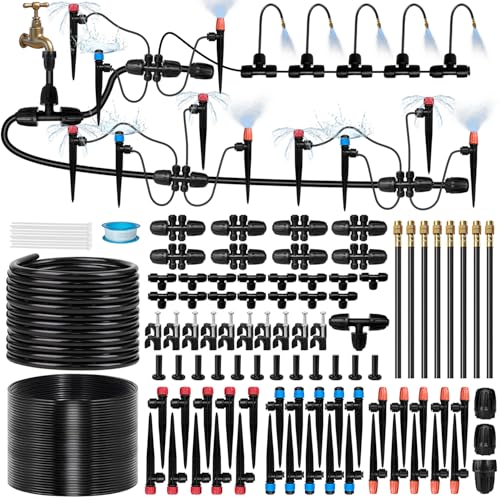
【Upgraded Tube Design & Water Saving】 Our garden watering system is upgraded to 1/2” diameter to support high water pressure. The 1/2” tee connector allows seamless splitting into 2 independent zones for customized watering schedules. By delivering moisture directly to root zones, this drip Irrigation system significantly reduces evaporation and runoff—saving more water compared to conventional sprinklers while eliminating the need for manual watering.

ULTIMATE FLEXIBILITY FOR ANY GARDEN SHAPE – Place sprinklers exactly where you need them- Perfect for lawns, flower beds, raised gardens, and more.