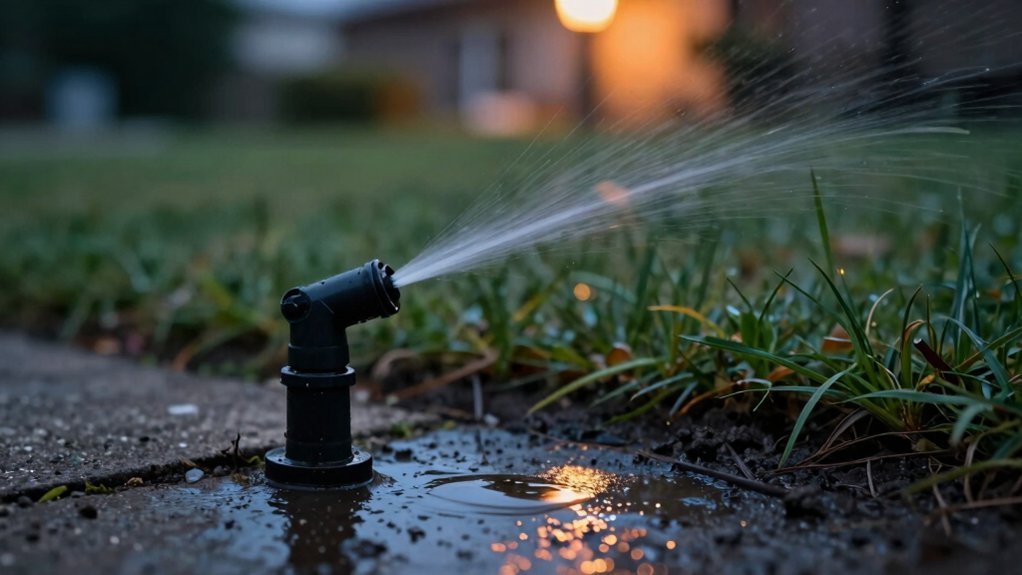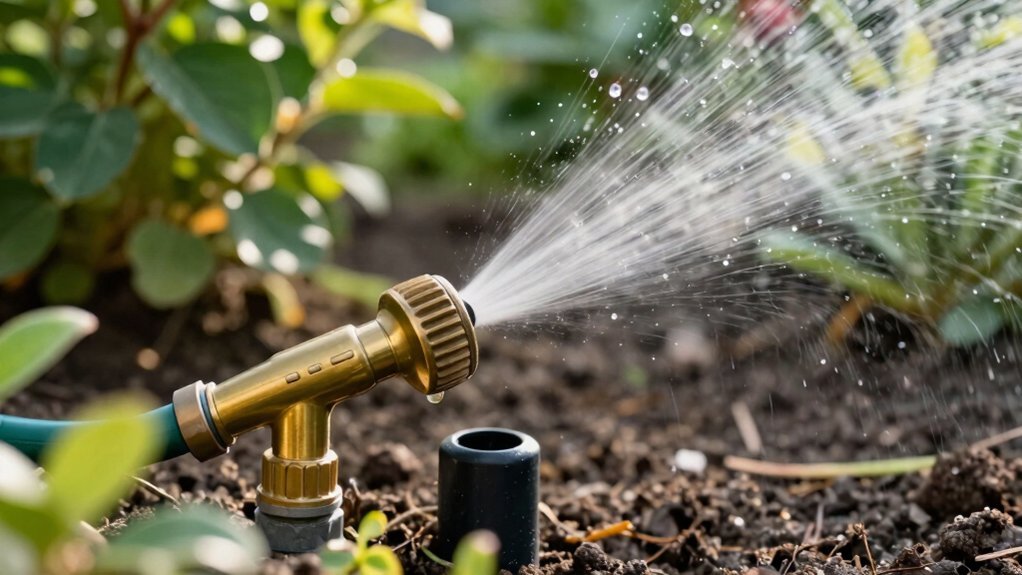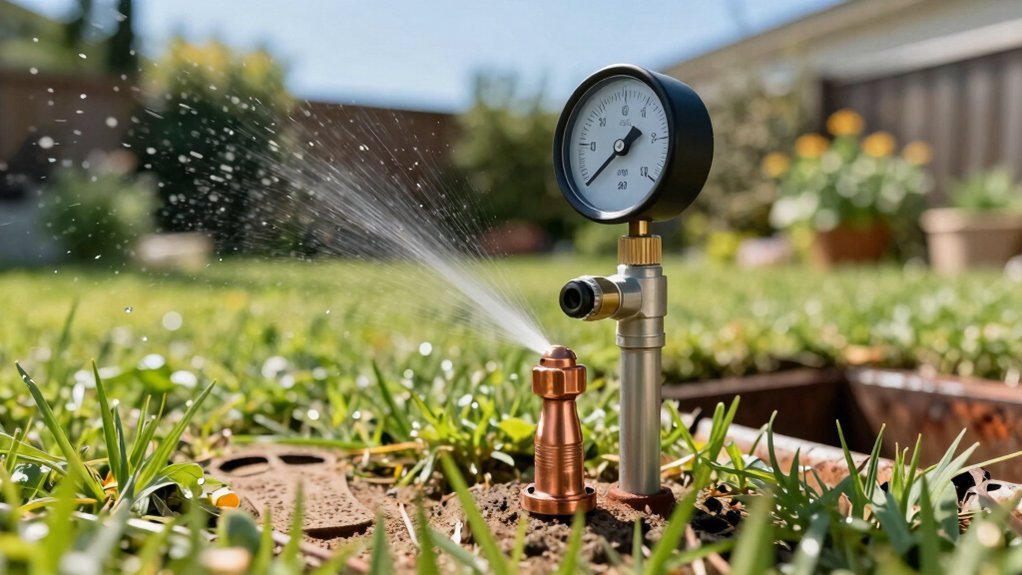
Hunter sprinkler heads generally last 10‑15 years if you install them correctly and keep up with routine maintenance; high‑quality models often come with a 10‑year warranty. Proper installation avoids dry spots, over‑tightening, and mis‑alignment, all of which can shorten lifespan. Use corrosion‑resistant brass or stainless‑steel heads, match valves and fittings for hydraulic balance, and regulate water pressure within manufacturer limits. Regularly clean nozzles, inspect gear drives, and protect components from debris and extreme climate; the next sections explain how valves, controllers, and local soil conditions further affect durability.
Quick Answer: Hunter Head Lifespan in a Nutshell
Typically, a Hunter sprinkler head lasts about 10 to 15 years when you keep up with routine maintenance and choose a high‑quality model. You’ll see that Hunter head warranty coverage often mirrors this lifespan, offering a 10‑year guarantee on premium units. Your system’s performance in different climates hinges on material resilience; plastic gears degrade faster in extreme heat, while metal components resist cold‑induced brittleness. Regular spring startups and winterization preserve rotation, preventing gear wear that causes slow or stuck pop‑ups. Filter cleaning restores water flow, extending service life to the upper 15‑year range. If you replace broken heads promptly and avoid low‑quality alternatives, you maintain alignment with valve expectancy and keep overall system reliability within the 20‑year design horizon. Properly installed wiring should last the lifetime of the system, and underground wires are designed to endure for 80‑100 years. Choosing a low‑flow nozzle can further improve water efficiency and reduce wear on the sprinkler head. Consistent soil moisture monitoring also helps prevent over‑watering, which can accelerate component fatigue. Investing in advanced water‑saving technology can lower long‑term water waste and reduce repair frequency.
How Installation Quality Determines Early Head Failure
Even when you follow Hunter’s recommended 10‑to‑15‑year lifespan, a poorly executed installation can cut that timeline dramatically. Improper installation introduces spacing errors that create dry spots or overwatering, forcing heads to work beyond design pressure and accelerating wear. An irrigation mismatch—mixing Hunter heads with Rain Bird or Toro units, or pairing fixed sprays with rotors—distorts precipitation rates and stresses gear drives. Over‑tightening fittings cracks threads, while hand‑tightening alone can leave leaks at the base. Depth and alignment mistakes expose heads to mower damage or cause uneven rotation, leading to premature failure. Finally, neglecting debris management lets dirt infiltrate seals and filters, clogging gears and reducing performance long before the expected 10‑year mark. Proper maintenance also includes checking for clogged filters to prevent premature wear. Regularly inspecting the system for high water pressure can help identify and correct another causes before they damage the heads. Applying the correct lubricant type during routine maintenance reduces friction and extends the life of moving parts.
Factors That Extend Hunter Head Life to 10‑15 Years
When you combine high‑quality materials, disciplined maintenance, proper pressure control, seasonal adjustments, and environmental protection, you can reliably push a Hunter sprinkler head’s service life to its full 10‑15 year potential. Use PVC or PEX piping and select corrosion‑resistant brass or stainless‑steel heads; these quality components resist wear and avoid premature failure. Guarantee proper installation by matching heads, valves, and fittings to maintain hydraulic balance. Inspect heads mid‑season, clean nozzles every two years, and repair leaks promptly to keep performance steady. Regulate water pressure within manufacturer limits, avoiding misting and water hammer. Adjust watering schedules for summer heat, winterization, and local climate. Finally, protect heads from shade, debris, and landscaping changes to preserve overlap and drainage. Regularly test for water quality variations, as mineral buildup can shorten head lifespan. Understanding valve lifespan helps you schedule timely replacements and avoid unexpected failures.
Why Low‑Quality Heads Fail in 2‑3 Years
Even with the best installation practices, low‑quality sprinkler heads collapse within two to three years because their components can’t endure the stresses of regular use. You’ll notice clogged nozzles and filters caused by poor water quality issues; debris infiltrates the outer body, contaminates gear drives, and accelerates wear on plastic gears. Internal gears, often made of low‑grade polymers, break after a few hundred rotations, leading to sticking or complete failure. Improper installation techniques can misalign seals, allowing water to bypass wiper seals and erode the stem base. Low pressure, often a symptom of blocked supply lines, prevents proper head inflation, while excessive pressure forces contaminants deeper into the mechanism. These combined factors shorten head lifespan to 2‑3 years. Understanding valve operation helps diagnose why pressure fluctuations can accelerate wear. The system’s low‑voltage power can also affect valve timing and head performance. Hunter’s reputation for durability further underscores the importance of using high‑quality components.
How Valves and Controllers Influence Your Sprinkler System’s Longevity
If you want your irrigation system to last, you must treat the valves and controllers as the critical components that dictate overall longevity. Valves operate as the system’s heart; high‑quality units survive 10‑20 years when installed correctly, while low‑grade parts fail in 3‑4 years. Regular inspections, debris removal, and protecting connections from corrosion guarantee wear caused by extreme temperatures, freeze‑thaw cycles, and mineral‑rich water. Controllers typically exceed 20 years, but electrical surges can cause abrupt failure; smart upgrades recoup costs within two years via water savings. Proper controller calibration ascertains each zone receives the intended flow, preventing over‑pressurization that stresses valves. Optimizing head spacing reduces uneven demand, further extending valve life. Coordinated maintenance of both components maximizes system durability. If you notice uneven watering across your lawn, it may indicate a failing valve or a clogged nozzle. Additionally, a faulty wiring connection can prevent a zone from activating, leading to dry patches. Regularly testing the timer’s click intervals can reveal early signs of power or software issues.
Seasonal Maintenance Tips to Keep Your Hunter Sprinkler Heads Running 15+ Years
Your valves and controllers set the foundation, but the true lifespan of a Hunter sprinkler head hinges on disciplined seasonal care. In spring, inspect each head for winter damage, remove caps, and perform weekly filter cleaning with needle‑nose pliers to clear debris that impedes rotation. Test pop‑up extension and retraction under pressure, then adjust rotor arcs counter‑clockwise to the left stop and clockwise to the right stop. During summer, rotate heads quarterly, flush nozzle turrets, and monitor gear wear. In fall, purge water, blow out lines, and store removable components—backflows, seals, and spare heads—using seasonal component storage indoors to prevent corrosion. Winterize fully, inspecting connections and repairing waterproof wire nuts. Follow this schedule to sustain 15‑plus‑year operation. Properly measure spray radius to ensure uniform coverage and reduce wear on the heads. Consider soil type when setting spray radius to avoid over‑watering and improve efficiency. Check head compatibility before swapping models to ensure proper fit and performance.
Detecting Early Signs of Wear: Slow Rotation & Stuck Pop‑Ups
Some early symptoms—slow rotation or a pop‑up that won’t fully extend—often point to clogged nozzles or filters, low water pressure, worn gears, improper adjustments, or debris lodged in the mechanism. You should first verify contamination control by removing the nozzle and filter, flushing them to clear mineral deposits and dirt that impede flow. Next, confirm an optimized water supply: inspect supply lines, gate valves, and connections for leaks or blockages that reduce pressure. Examine the gear drive for wear; particles that bypass seals indicate inadequate filtration and will degrade gears. Finally, check arc and radius settings; mismatched nozzle flow and stator presets cause sluggish rotation. Clean visible debris, replace compromised parts, and re‑test to guarantee proper pop‑up operation. Adjusting the screw in the middle of the sprinkler can reduce water distance and amount when tightened. Proper head alignment also helps maintain consistent coverage and prevents uneven watering. Additionally, purchasing from reputable retailers such as Home Depot can ensure you receive genuine parts and warranty support. Understanding the sprinkler valve operation clarifies how pressure changes trigger the head to open and close.
Austin Climate & Soil Impact on Hunter Head Durability
Because Austin’s scorching summers and clay‑rich soils create a harsh environment, Hunter sprinkler heads experience accelerated wear that shortens their service life to roughly 10‑15 years. You’ll notice that UV protection on the housing slows polymer breakdown, yet extreme heat still drives thermal expansion, cracking housings and stressing seals. Clay retains moisture, promoting corrosion on metal components and eroding wiper seals, while alkaline pH accelerates seal degradation. Mineral‑rich soils clog nozzles, and sandy loam abrasively wears pop‑up mechanisms. Hard water deposits calcium, and chlorine attacks rubber parts, further shortening durability. Selecting heads with heat‑resistant materials, installing proper filtration, and conducting annual flushing mitigate these effects, helping you approach the upper end of the 10‑15 year expectancy. String trimmers can sprinkler nozzles and cause split, cracked, and distorted spray patterns.
Repair or Replace? Deciding the Right Time for a Hunter Head
When should you repair a Hunter sprinkler head versus replace it? You repair when leaks are minor, a filter clogs, or a spring loses tension; proper filter maintenance and an effective winterization strategy can restore function without full replacement. Replace when you see corrosion, cracked housing, stuck pop‑up mechanisms, or rotation slows to five minutes per turn—symptoms that indicate irreversible wear. Compare repair cost against the price of a new head, especially after 10–15 years of service, because high‑quality units typically last up to 15 years while lower‑grade parts fail in 2–3 years. Conduct annual inspections, weigh observed performance loss, and factor environmental stressors; if failure signs exceed repair thresholds, schedule replacement promptly.
Pick the Best Hunter Head Model for Your Landscape Needs
Choosing the right Hunter head starts with matching the head’s spray‑type to the specific geometry and water‑demand of each zone. For broad lawns, a pop‑up spray head offers adjustable radius and shape, supporting an ideal sprinkler layout that balances coverage and pressure. Fixed spray heads excel in small to medium areas—flower beds or shrub rows—where their consistent full‑, half‑, or quarter‑circle patterns deliver targeted watering efficiency with minimal overlap. MP rotators combine rotary water‑saving flow with spray flexibility; they operate best at 40 psi and require head‑to‑head spacing to avoid dry or soggy zones. Rotary nozzles (PGP series) provide long‑reach, high‑efficiency arcs for expansive turf or specific plant groups, while specialty sprinklers such as bubblers and micro‑sprays address precise, localized irrigation needs. Selecting the model that aligns with each zone’s shape and demand ensures uniform distribution, reduces runoff, and maximizes system performance. The extra thick body of Hunter Pro 4 sprinklers further prevents leaks and extends service life.