You’ll need conduit for most sprinkler wiring unless you use NEC‑approved UF or direct‑burial cable that meets the required depth, soil‑type, and splice‑protection rules. Direct‑burial cable must be at least 6 inches deep (2 inches under concrete) and have moisture‑proof splices; otherwise, a wet‑rated PVC, RMC, or IMC conduit is required. Local ordinances often mandate conduit even when the NEC permits direct burial, especially in shallow trenches or wet locations. Choose the proper gauge—18 AWG for short runs, up to 12 AWG for longer or higher‑current circuits—and follow bend‑radius and spacing guidelines to avoid damage. Follow these basics, and you’ll uncover the details on voltage drop, testing, and code‑compliant backfilling.
Do You Need Conduit for Sprinkler Wiring?
Do you need conduit for sprinkler wiring? You don’t have to if you follow direct burial precautions. Use UF‑rated cable or multi‑strand wire, trench 6–12 inches deep, and keep a 4‑inch bend radius. Lay sand bedding over rocky soil, place warning tape 6 inches above the line, and keep the pipe at least 12 inches from high‑voltage circuits. For any splice, install moisture proof splice connections—waterproof, grease‑filled kits that seal tightly. Avoid standard wire nuts and electrical tape; they fail underground. Test each splice for a watertight seal before backfilling. This method cuts material costs, speeds installation, and lets you route around obstacles without the rigidity of conduit. Follow these steps, and your irrigation system stays reliable and code‑compliant. direct burial requires that the cable be rated for underground use and protected against moisture and UV exposure. Using low‑voltage thermostat wire can be acceptable for sprinkler controllers if it meets the required amperage and insulation standards.
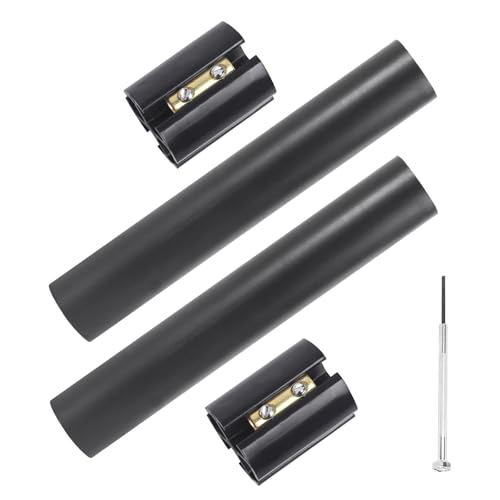
Widely Applicable: The 600V maximum voltage cable splicing kit offers versatile functionality, supporting voltages up to 600V, making it ideal for a wide range of electrical projects. Industrial-grade reliability, meets industry standards for heavy-duty use, and is designed for underground burial and indoor/outdoor repairs

High-Voltage Underground Wire Splice Kit: Our underground wire splice kit is designed to handle up to 600 volts, making it perfect for use with 14/3 to 8/3 UF cables. It is ideal for outdoor projects and heavy-duty applications, providing reliable connections in challenging environments.
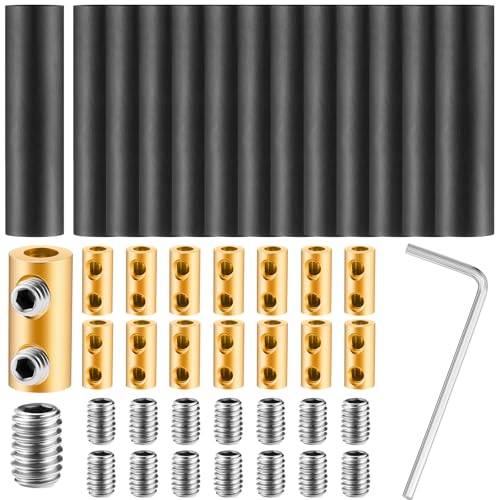
Complete Nut Kit Package: the package includes 15 sets of wire connector nut kits; Includes 15 connect terminals, 30 fixing screws, 15 heat shrink tubing and a hexagonal wrench to cater all your wire connection needs
What Does the NEC Say About Sprinkler Wiring Conduit?
The NEC mandates that any conduit used for sprinkler wiring be a wet‑rated, mechanically strong raceway—typically PVC Schedule 40 or 80, RMC, or IMC—sized between ½ inch and 6 inches, with junction boxes and conduit bodies sized for easy access and adequate splice space. You must follow conduit fill requirements: no more than 40 % fill for a single conductor and 53 % for three or more, using tables in Article 352. Conduit identification requirements demand that PVC raceways be marked “wet‑rated” and that metallic raceways display proper grounding and bonding labels. Outdoor runs are wet locations, so conductors must be THWN‑2 or equivalent. Grounding conductors go inside PVC, sized per NEC 352.60, and burial depths are at least 18 inches for PVC, 6 inches for RMC/IMC. Junction boxes must be accessible and sized for splices. Additionally, CPVC sprinkler pipe should be protected from UV exposure and physical damage to maintain system integrity. Fire‑sprinkler systems typically rely on heat‑sensitive glass to trigger valve opening without extensive wiring. Regular inspection can detect corrosion early, preventing costly repairs.
When Do Local Codes Still Require Conduit?
You’ll find that many municipalities still call for conduit even when the NEC permits direct burial, especially for outdoor sprinkler and irrigation runs. Local ordinances often mandate conduit when trench depth falls short of NEC tables, or when the installation traverses wet locations, mechanical‑damage zones, or where rigid metal protection is required. Chicago, for instance, insists on siamese connections outside the building and enforces NFPA 13‑2013 pipe standards, so you must use conduit that meets Manufacturer conduit specifications and passes Conduit inspection requirements. Residential codes typically demand PVC conduit for any outdoor wiring, and many jurisdictions raise burial depths beyond the NEC minimum. Always verify the specific local code before you begin. Permit requirements vary significantly between cities, making it essential to consult your local building department. Homeowners should also confirm whether a sprinkler system license is required in their area. Understanding sprinkler regulations can help avoid costly fines and ensure safe operation.

Liquid Tight Conduit Kit: Our liquid-tight conduits are made of antioxidant PVC material, featuring a smooth interior for easier wire pulling. Length: 25 feet, Comes with 4 straight and 3 90-degree conduit connectors

【Premium Liquid-Tight Conduit】- Length :25',ID:1/2inch,OD:0.83inch,Thick: 2.5 mm The Flexible Non Metallic Liquid Tight Electrical Conduit kit is constructed with Resists corrosion PVC to ensure quality and service life.

❤Application❤---This non-metallic PVC electrical conduit is perfect for using in multiple applications for electrical, telephone, cable, HVAC, refrigeration, landscape lighting and more. This product features a strong yet flexible covering that is smooth inside for easy wire pulling.
How to Pick the Proper Wire Gauge for Sprinkler Wiring Conduit?
When selecting a wire gauge for sprinkler wiring conduit, start by matching the gauge to the run length and system size: 18 AWG works for most residential installations up to about 800 ft, 16 AWG is advisable for longer residential runs, 14 AWG handles commercial or extended distances up to 2,500 ft, and 12 AWG can support the maximum 7,500 ft distance. Proper wire sizing hinges on resistance considerations; longer runs demand lower resistance, so you move to thicker gauges. For each valve, run one control conductor and a shared common; add one or two spares for future expansion. Use solid copper, multi‑strand cable rated for underground use, and keep conduit fills within code limits. Remember that 16 AWG offers better surge protection than 18 AWG, especially with pigtail coils. Always verify the splice integrity with a continuity test before final installation. Modern sprinkler systems often rely on low‑voltage DC power for their controllers and valves, enhancing energy efficiency and allowing integration with solar or battery backup options. Adequate water pressure is essential to ensure consistent valve operation across the entire system.

HIGH CONDUCTIVITY: The 18/2 sprinkler system wire uses 2 solid copper conductors. Pure copper ensures stable and efficient current transfer, ensuring reliable and long-lasting performance of your irrigation system

HIGH CONDUCTIVITY: The 18/9 sprinkler system wire uses 9 solid copper conductors. Pure copper ensures stable and efficient current transfer, ensuring reliable and long-lasting performance of your irrigation system

ELECTRICAL IDC 314 WIRE CONNECTORS: Can withstand voltages up to 600V and connect 22-14 AWG wires
Depth, Bend, and Spacing Rules for Sprinkler Wiring Conduit (Conduit‑Free)
If you’re burying sprinkler wiring without conduit, you must keep the cable at least six inches below grade in most locations, but that depth drops to two inches when the trench is lined with two‑inch‑thick concrete. For streets, highways, or driveways, increase cover to 24 in; under residential driveways or parking, use 18 in. In solid rock, a two‑inch concrete overburden suffices. Keep trenches straight; avoid bends to simplify pulling and maintain weather resistance. Space laterals 6‑8 in deep, aligning them with a 25 × 25‑ft spray layout, and place marker tape six inches above the cable. Label each run clearly for future maintenance. Follow local code for bend access and guarantee utility locates before digging. Properly burying sprinkler lines at a depth of 6‑12 inches helps maintain consistent water pressure and protects against frost damage. Always request a pre‑dig locate to identify existing underground utilities before starting any excavation.
Typical Sprinkler‑System Voltage‑Drop and Conduit‑Code Mistakes
Because voltage drop and conduit‑code errors are the most common reasons a sprinkler system won’t fire reliably, you need to understand both the electrical and the installation pitfalls. A 24 VAC valve needs 28‑30 VAC at the controller because cable resistance, wet joints, and more than 50 splices can shave off up to 10 V. Exposed copper, corroded connections, and long runs increase loss, sometimes leaving distant zones at 15 V. To avoid code violations, keep joints under 50, protect all connections with conduit or UF cable, and use the correct multimeter setting (AC ≤ 30 V). Regularly monitor voltage changes and review cable maintenance; clean copper, tighten splices, and verify continuity before backfilling. This prevents intermittent coil failure and keeps the system within the required voltage envelope. Check valve solenoid resistance with a multimeter set to the ohms range. Proper grounding practices also help reduce electrical noise and protect the controller from surges. Faulty solenoids often cause irregular watering and clicking noises. Use a magnetic tracer to locate hidden solenoid wiring quickly.

For replacing solenoids which open and close 24V automatic irrigation valves

BUILT FOR RELIABILITY, RATED TO 150 PSI: This Hunter PGV sprinkler valve is built to handle high-pressure systems with rugged, proven construction. Ideal for residential lawn zones and landscape irrigation.

Manual operation switch for added convenience
What Should You Test and Check Before Backfilling the Trench?
Three key checks protect a sprinkler system before you cover the trench: a thorough visual inspection of all pipe, wire, and conduit placements; a pressure test that confirms water lines hold at least 222 psi on the first check valve and 111 psi on the second; and an electrical continuity test that verifies each zone’s voltage and insulation integrity. While inspecting, confirm secure conduit connections and that the backflow preventer is installed correctly. Look for sharp rocks, debris, or misaligned fittings that could puncture lines. Verify the pressure gauge reads 222 psi and 111 psi, then watch for leaks at every joint. Test wire continuity, voltage, and insulation, ensuring no shorts. Finally, check that the backflow device is properly installed and documented before you backfill. Additionally, ensure the water line is fully installed and tested before backfilling. The backflow preventer must be positioned near the water main to protect against contamination. Properly installed backflow preventers are essential to keep potable water safe from irrigation runoff. Understanding backflow risk helps homeowners decide when a preventer is necessary.

Specially designed for fire sprinkler systems
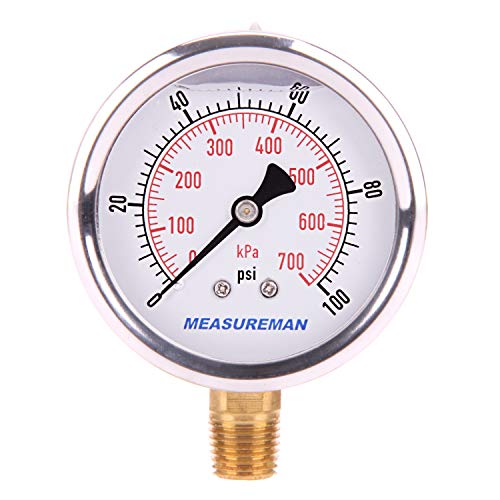
Accurate Pressure Monitoring: It measures pressure between 0 and 100 psi/kpa in gas and liquid systems. It is ideal forboth industrial and domestic uses

Precision Dual-Scale with Peak Memory: This pressure meter measures 0-200 PSI/0-14 Bar with ±2-1-2% accuracy (ASME B40.1 Grade A). Red max pointer tracks and retains peak pressure spikes, easily reset for monitoring faucets, spigots, or hydraulic systems.