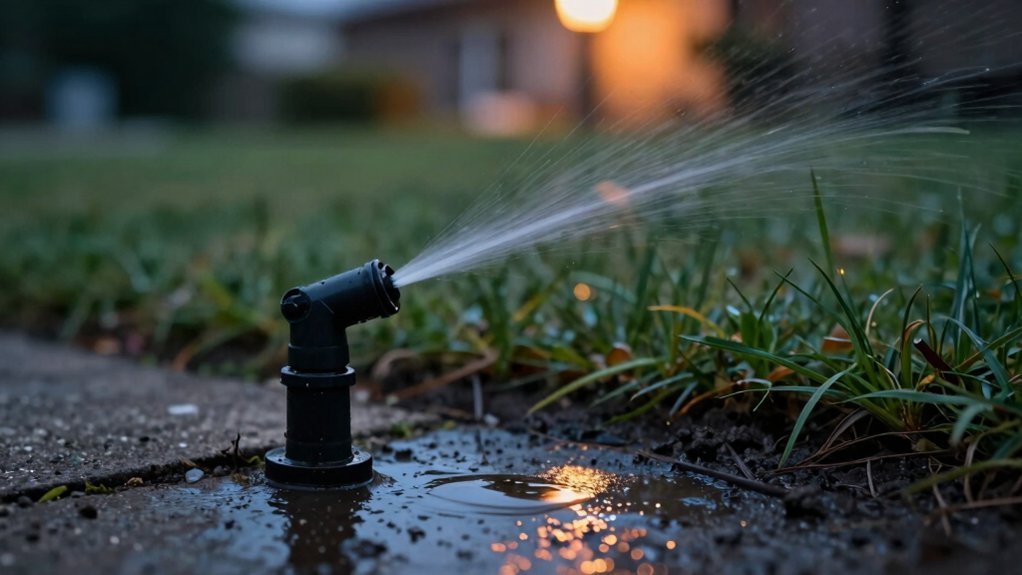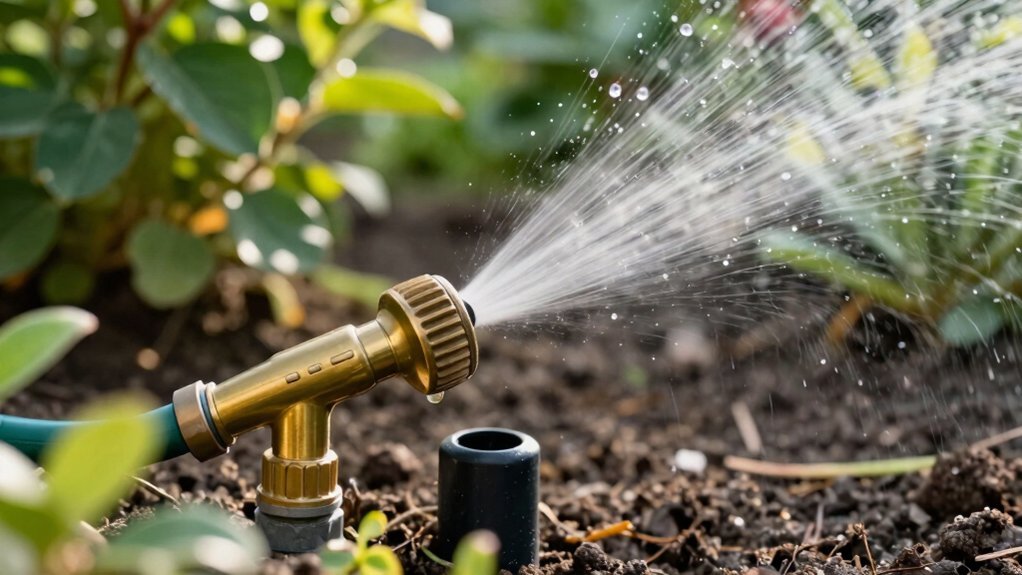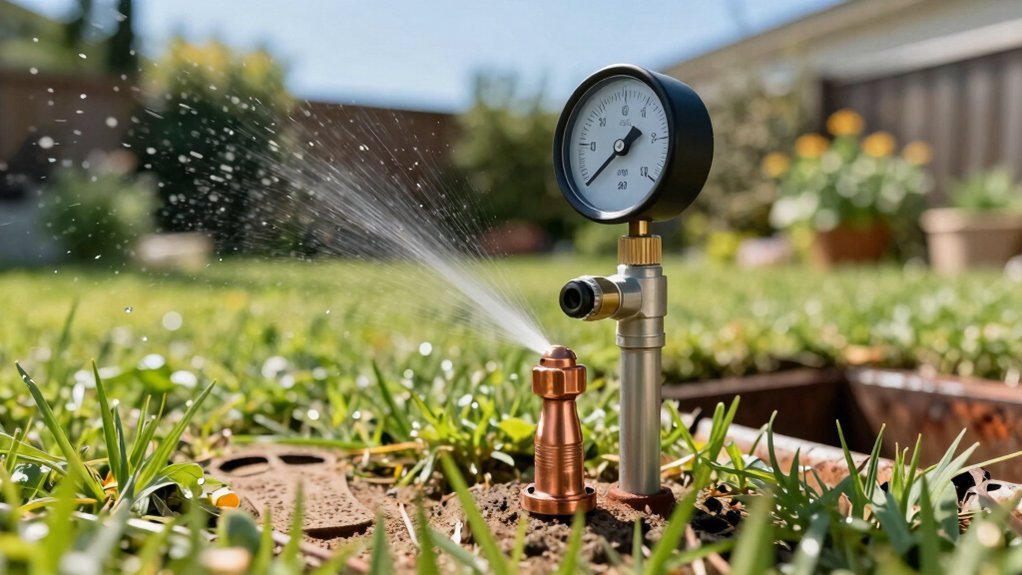
Set each sprinkler head so the nozzle sits about 0.25 inches above the fresh sod surface. This clearance stops mower damage and tripping hazards while keeping the spray pattern even and unobstructed for 0.5‑0.75‑inch‑thick sod. Use a sod‑depth gauge, mark the riser at the correct height, cut precisely, and verify the head clears the ground after flushing. Proper body size and spacing maintain consistent pressure, and fine‑tuning the riser later keeps the height stable as the lawn settles. Continue for deeper design details.
Why Sprinkler Height Is Critical for Fresh Sod
Because fresh sod’s surface is still vulnerable, setting sprinkler heads at the correct height is essential for both safety and performance. You must keep heads low enough to eliminate tripping hazards and mower damage, yet high enough to clear the sod’s ½‑¾‑inch thickness. When heads protrude more than a quarter inch, pedestrians stumble and mower blades strike the tops, leading to frequent repairs. Conversely, if the heads sit too low, growing grass and thatch become sprinkler obstructions, degrading spray effectiveness and uneven water distribution. By aligning the head height with the sod layer, you preserve a flush profile that minimizes physical obstacles, protects equipment, and maintains a consistent, unobstructed spray pattern across the new lawn. Properly cutting the risers ensures the heads can be set at the required head height above grade. Selecting the appropriate spray pattern for the lawn’s layout helps achieve uniform water distribution while minimizing waste. Adjusting head spacing based on spray radius further ensures each zone receives adequate coverage without overwatering. Understanding flow rate limits prevents undersized zones that could cause low pressure and uneven coverage.
How to Measure Sprinkler Height for Sod Above Grade
When you measure sprinkler height for sod above grade, start by establishing the finished‑sod surface as your reference point rather than the bare‑soil grade. Use a sod depth gauge to confirm the 0.5‑0.75 in. thickness, then place a sprinkler head marking on the riser at the exact height that leaves the head no more than 0.25 in. above the sod. Cut the riser stage to that marking, ensuring the head sits just above the surface without protruding. Verify the adjustment by flushing the system and checking that the spray clears the sod without hitting the ground. After the sod settles, re‑measure the head with the gauge; any deviation indicates a required riser trim. This method guarantees consistent coverage and prevents mower damage. Shorter sprinklers are less tolerant of lawn growth and thatch. Properly aligning the spray pattern with the lawn’s contour helps avoid over‑watering dry spots sprinkler pattern adjustment. Properly burying sprinkler lines at a depth of 6 to 12 inches helps maintain stable water pressure and protects the tubing from frost damage. Consistently applying ¼ to ½ inch of water multiple times daily during the first two weeks promotes rapid root establishment and prevents soil drying.

【PACKAGE INCLUDES】Includes 12 pieces in 3 common sizes: 7x 2" double male, 2x 6" double male, and 3x 2" double female fittings. The perfect versatile set for any sprinkler head height adjustment or irrigation repair.

1/2" x 6" Poly Cutting Riser
Which Sprinkler Body Height Fits Sod Law?
Having verified the sprinkler head sits within the 0.25‑inch tolerance above the fresh sod, you now need to choose a body height that maintains that clearance as the lawn settles and grows. A 4‑inch body offers the most robust buffer for sod that will thicken and develop thatch, reducing the frequency of sprinkler flow adjustment. If trench depth is limited, a 3‑inch body balances clearance with labor, while a 2‑inch body risks exposure as the sod expands, especially during wintertime maintenance when soil contraction can lower the surface. Select the taller body when you can dig 8‑12‑inch trenches and use Funny Pipe risers; this design minimizes mower damage, tripping hazards, and long‑term repair costs while preserving ideal spray geometry. Properly sized electric valves can manage low‑voltage power to ensure consistent operation even during power fluctuations. Always verify that the sprinkles used for labeling are nut‑free to avoid cross‑contamination concerns. Consider the sprinkler spacing guidelines to achieve uniform coverage across varying room dimensions.

HEAVY DUTY, LONG LASTING SPRINKLER BODY: Built with an extra-thick body and cap for maximum durability, this pop-up sprinkler resists cracking and leaks, delivering dependable performance season after season for your lawn or garden.

For watering areas with up to 15 feet of spacing between sprinkler heads; Professional-grade pop-up spray body in 2, 3, and 4-inch riser stem heights

Approved for sale/meets pressure regulation legislation requirements in: CA, CO, HI, VT, MA, ME, NY, OR, RI, WA, and Washington DC
Setting the Ideal Sprinkler Height for ½‑Inch to ¾‑Inch Sod
If you want the sprinkler to clear fresh sod without digging it up, set the head ½ to ¾ inch above the final grade. Begin by confirming proper sprinkler head selection that matches the ½‑inch to ¾‑inch sod thickness. Hold the head at the sod level, mark the riser where threads align, and cut precisely; this guarantees the head sits exactly at the required clearance. Verify that the cut riser end presents starter threads for a direct screw, then re‑check height after trimming. This approach satisfies sod preparation requirements while maintaining consistent spray overlap. Use staged risers for fine‑tuning, and ascertain each head remains within the 15‑foot spacing grid to avoid dry pockets. The result is a uniform, low‑angle distribution that protects new sod during establishment. Consider the soil type when adjusting head depth to ensure optimal water penetration. Properly calculate the total water demand by assessing sprinkler head flow to match the irrigation needs. Selecting the correct sprinkler head type helps achieve uniform coverage across varying plant zones.

For connecting a spray head, impact, or gear-drive rotor to a sprinkler line UV-resistant HDPE construction suitable for lateral line use Male threads in 1-inch increment sections which allows riser to be cut to fit Cut-off riser extension allows you to extend a riser as landscape matures Compatible with equipment from Orbit, Hydro-Rain, and other major brands

Tapered inside ends allow standard pop-up head to slide up and down without restriction
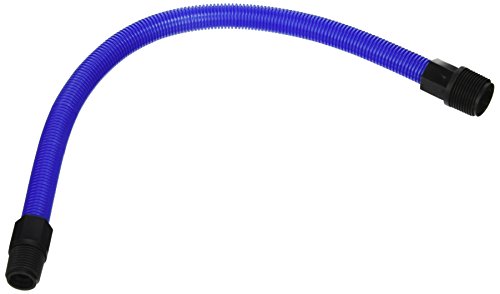
Semi-flexible design: Bends 90 degrees under pressure without leaking; returns to original position to prevent damage from mowing or foot traffic
Adjusting Risers or Re‑digging Funny Pipe When Height Is Off
Although the sprinkler head sits too high, you can correct the issue by trimming the riser or re‑digging the funny pipe; first, remove the internals, measure the exact clearance needed—typically ¼ inch above the soil surface—and cut the staged riser at the marked point while preserving the threads for re‑attachment. After cutting, leave the head unscrewed to flush the line, then reinstall at the new height. If trimming won’t achieve the ¼‑inch limit, excavate an 8‑12‑inch trench, soften the soil two days prior, and reposition the funny pipe with a tee or elbow so the head sits flush with mower‑passable height. Account for water table considerations to prevent over‑drainage, and respect thatch tolerance, ensuring the final head position accommodates expected thatch buildup without compromising pop‑up performance. Properly sized zones help maintain consistent pressure across all heads, and zone flow limits must be observed when adjusting individual head heights.

Effortless Setup: Quickly raise your sprinkler heads with the KAP-IT riser. Simply attach it to the top—no digging, tools, or underground fittings needed—saving time and eliminating the hassle of traditional adjustments.

For installation and maintenance of spray head sprinklers, nozzles, and risers

Elevate Your Sprinkler Height for a Perfect Spray: Tired of sprinkler heads buried in tall grass or blocked by plants? Our FRUSSONIA riser extensions lift your nozzles to the ideal height, ensuring an even, uninterrupted spray pattern. They are perfect for thick ground cover and raised flower beds, guaranteeing your entire lawn gets the water it needs
Spacing Sprinklers for Uniform Coverage on a Sod Lawn
When you design a sod‑lawn irrigation system, the key to uniform water distribution is setting each sprinkler at a distance equal to its spray radius, ensuring head‑to‑head overlap. Calculate the radius for each head—15 ft for a Toro 570, for example—and place the heads no more than that distance apart. Use a compass to draw arcs and verify measured uniformity across the layout. In windy zones, apply a wind exposure adjustment: reduce spacing to 90 % of the radius or less when prevailing winds exceed 8 mph, aligning the tighter grid with the dominant direction. Position full‑circle heads in central zones, half‑circle heads on borders, and quarter‑circle heads in corners to eliminate dry spots while respecting obstacles. This analytical spacing strategy maximizes coverage consistency and minimizes water waste. Proper spacing calculations also help maintain optimal water pressure throughout the system.

Multi-Angle Sprinkling Irrigation System:As a premium piece of lawn & garden watering equipment, this sprinkler compatible with drip irrigation features 3 interchangeable refraction angles (90°/180°/360°). It produces fine and uniform mist droplets,which not only protect plant roots but also save water, making it suitable for gardens, vegetable plots, greenhouses and other scenarios

ULTIMATE FLEXIBILITY FOR ANY GARDEN SHAPE – Place sprinklers exactly where you need them- Perfect for lawns, flower beds, raised gardens, and more.
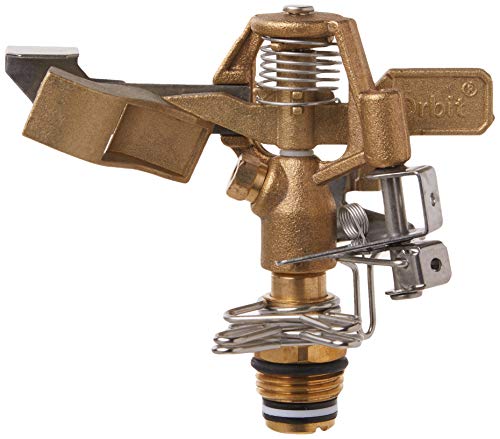
LARGE-AREA COVERAGE: Sprays up to 90 ft. in diameter, covering 6,360 sq. ft. when set to a full circle.
How to Keep Sprinkler Height Stable After Sod Installation
Uniform coverage hinges on precise head placement, but the next step—maintaining that height after sod is laid—requires careful control of protrusion and anchoring. First, verify that each head protrudes no more than 0.25 inches above the finished soil. If it exceeds that limit, trim the riser or re‑dig the pipe to the correct depth, then screw the sprinkler onto the cleaned threads. Apply sod settling techniques such as gentle compaction and controlled watering to prevent uneven sinkage. Conduct sprinkler seal maintenance after each adjustment to keep the joint watertight and prevent drift. Periodically inspect for visible protrusion; any excess indicates that the head has settled or that thatch has built up, prompting a quick re‑trim or body swap to preserve the design tolerance. Consistent moisture is essential for root establishment, so a sprinkler system can help maintain optimal water levels during the critical growth period. Understanding the role of the pressure regulator ensures the system delivers water at the correct flow rate, protecting both the sprinkler heads and the newly laid sod.