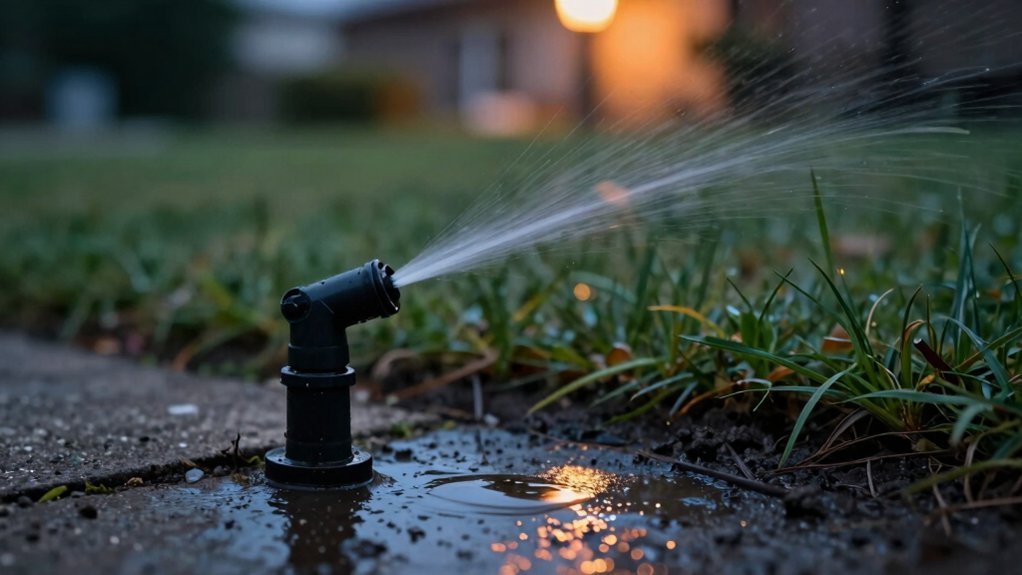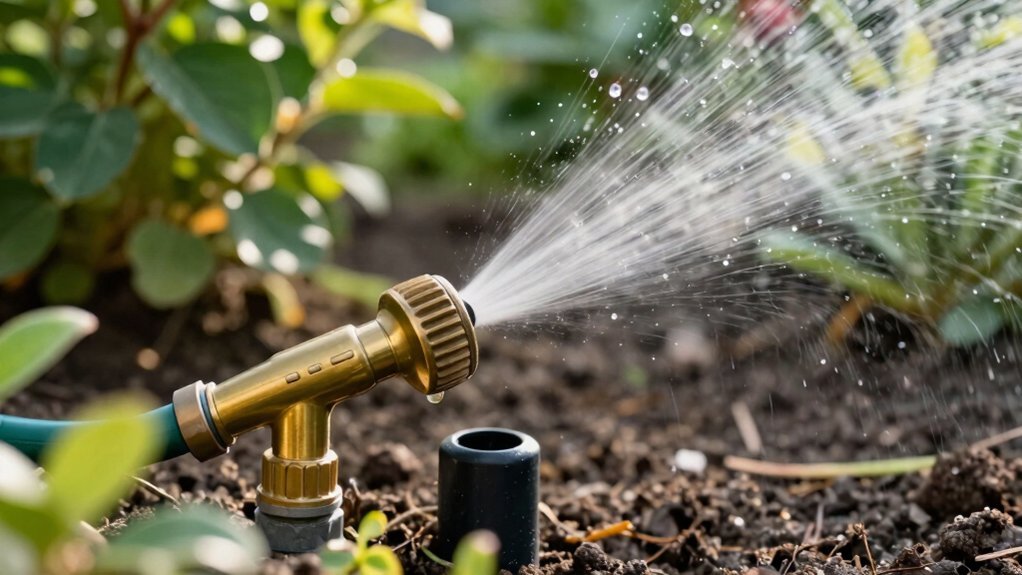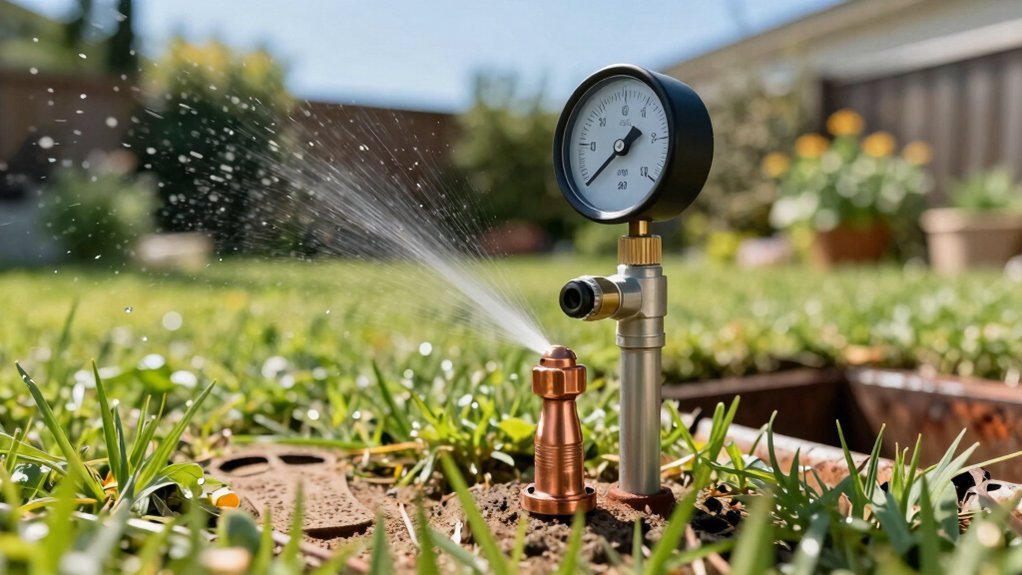
You should bury sprinkler heads about 8 inches deep on average—at least 4 inches plus the pipe diameter—to meet professional standards and guard against frost, soil movement, and surface damage. In sandy or loamy soils keep the depth at 8‑10 inches; in clay aim for 10‑12 inches, and add extra depth if the local frost line exceeds 6 inches, using a 6‑inch safety buffer. Adjust for pipe size by adding 4 inches to the diameter, and ascertain the head’s top aligns with the final backfill level. Follow these steps and you’ll uncover more details about climate influence, soil adjustments, and protection methods.
What Is the Recommended Sprinkler Burial Depth?
What’s the ideal depth for burying sprinkler lines? You should target 8‑12 inches, with 8 inches as the professional average. In sandy or loamy soils, meet at least 8 inches; in clay, consider deeper placement to safeguard against freezing. Minimum depth equals 4 inches plus pipe diameter—so a 1‑inch supply line needs 5 inches. Avoid shallow 6‑inch trenches; half‑inch pipes in frost‑prone zones often require 12‑14 inches. Use proper trench backfill techniques: compact each layer, eliminate air pockets, and maintain soil moisture to prevent settlement. Schedule annual depth verification to confirm the line remains below the root zone and aeration depth. This guarantees protection from foot traffic, lawn equipment, and pressure fluctuations, extending system longevity. Trench depth should be verified before backfilling to ensure compliance with local frost line requirements.

ULTIMATE FLEXIBILITY FOR ANY GARDEN SHAPE – Place sprinklers exactly where you need them- Perfect for lawns, flower beds, raised gardens, and more.

For installation and maintenance of spray head sprinklers, nozzles, and risers

Effortless Yard Irrigation Setup: The Orbit All-in-One Automatic Watering System simplifies yard irrigation with a complete 2-zone automatic sprinkler system designed to deliver consistent watering
How Climate and Frost Line Influence Sprinkler Burial Depth
The recommended 8‑12‑inch depth works for most lawns, but climate and frost line depth dictate whether that depth will keep the line from freezing. In mild zones, where site specific climate data shows frost never exceeds 6 inches, you can stay within the 8‑12‑inch band. In colder regions, the frost line may reach 36‑48 inches (e.g., Northern Colorado) or even 100 inches, so you must add a 6‑inch safety buffer below the local frost depth, yielding 42‑54 inches for sprinkler pipe burial. Consult regional code variations—International Plumbing Code and local amendments—because they require water lines at least 6 inches beneath the frost line. Apply a 12‑14‑inch depth for half‑inch pipe in marginal freeze‑thaw zones, and always verify the latest climate data before finalizing depth. Proper soil preparation helps maintain consistent water pressure and protects the buried lines from damage. Homeowners should also check if a sprinkler system permit is required by local building authorities before installation.
Adjust Sprinkler Burial Depth for Soil Type and Pipe Size
Adjusting burial depth for soil type and pipe size guarantees stability and prevents damage. In sandy soil, set depth to 8‑10 inches; this prevents pipe lift during heavy rains and secures sprinkler head orientation for consistent coverage. Clay requires 10‑12 inches to counter expansion pressure and maintain sprinkler flow optimization; aim for the upper range when moisture retention is high. Rocky ground needs at least 6 inches to avoid puncture, then increase toward 12 inches if landscaping will disturb the surface. For pipe size, add 4 inches to the pipe diameter: a 1‑inch line sits 5 inches deep, a 2‑inch line needs 6‑12 inches, with larger diameters demanding deeper trenches and possible risers. Follow these guidelines to keep heads aligned, flow steady, and system durable. Proper irrigation design also considers uniform water distribution to maximize efficiency. Checking for kinked hose before installation can prevent unexpected pressure loss. Accurate flow rate calculations help ensure each zone receives the correct amount of water.

COVERAGE: Sprays up to 24 ft. in diameter, covering 452 sq. ft. when set to a full circle.
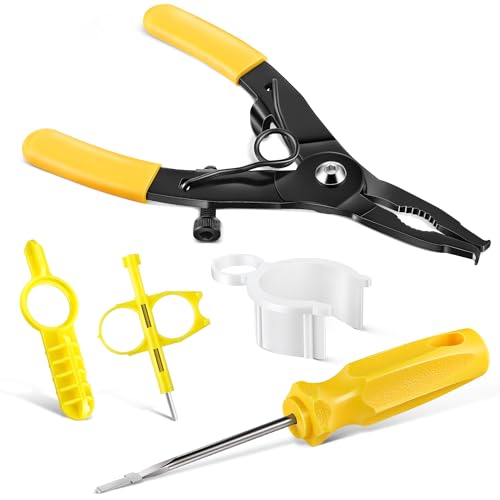
[5 Pack Sprinkler Head Tool for Lawn Irrigation]This 5 Pack sprinkler head tool kit includes everything you need to maintain and adjust your sprinkler system: rotor adjustment tool screwdriver, spray head pull up tool, hold up collar, sprinkler rotor adjustment tool and sprinkler key tool. Whether you're adjusting rotor heads or replacing nozzles, this Gulfmew all in one set is designed compatible with RainBird, compatible with Hunter

1/2" and 3/4" Nipple Extractor Head.
Match Sprinkler Head Height to Burial Depth
Three key steps guarantee the sprinkler head sits at the correct height relative to its burial depth: first, determine the required riser length from the pipe’s burial depth; second, select a head body height that matches turf thickness and maintenance needs; third, install the head so its top is flush or slightly above the final backfill level. Measure the pipe depth (typically 6–12 in) and cut a riser that brings the head to the surface. Choose a 3‑in body for sod ½–¾ in thick, or a 4‑in body if the trench is deeper (≈200 mm). Attach the head, hand‑tighten, then perform the critical head flushing procedure before backfilling. Apply proper backfill placement in three compacted layers, avoiding rocks near the pipe, and verify final height after pressure testing. Riser must be cut at the appropriate location to set the head height correctly. Proper positioning of the valve at 12–18 inches above ground helps maintain uniform water distribution. Understanding crop water demand is essential for selecting the optimal sprinkler spacing. Sprinkler systems often use cross‑contamination protocols to prevent the spread of allergens in shared irrigation networks.

【PACKAGE INCLUDES】Includes 12 pieces in 3 common sizes: 7x 2" double male, 2x 6" double male, and 3x 2" double female fittings. The perfect versatile set for any sprinkler head height adjustment or irrigation repair.

Effortless Setup: Quickly raise your sprinkler heads with the KAP-IT riser. Simply attach it to the top—no digging, tools, or underground fittings needed—saving time and eliminating the hassle of traditional adjustments.

Effortless Setup: Quickly raise your sprinkler heads with the KAP-IT riser. Simply attach it to the top—no digging, tools, or underground fittings needed—saving time and eliminating the hassle of traditional adjustments.
How to Protect and Repair Sprinkler Lines From Mowers, Aerators, and Roots
Protecting and repairing sprinkler lines from mowers, aerators, and roots starts with a layered defense system: install steel‑wire guards or PVC sleeves around each head, position low‑growth shrubs or decorative stones to create impact‑free zones, and bury lines deeper or use swing joints to absorb mechanical stress. For mower protection, mount steel wire guards, use sprinkler donuts, or fashion PVC pipe caps that protrude above soil; flag heads for visual avoidance. Aerator safety relies on low shrubs, mulch rings, and heavy‑equipment head guards; keep grass cleared for visibility. Root intrusion is mitigated by deeper burial, PVC sleeves, and barrier plants; swing joints relieve pressure. When damage occurs, replace broken heads, patch lines with flexible connectors, realign swing joints, and pressure‑test. These steps guarantee preventing sprinkler line damage and Maintaining sprinkler performance. The wider flange of Grassho’s protection head also blocks grass roots from reaching the sprinkler. Root pressure can cause pipes to crack or shift, leading to uneven irrigation. Using a metal detector can help locate underground lines before any digging begins.
Verify Sprinkler Burial Depth Before First Watering
Before you turn on the system, confirm that each line sits at the proper depth—typically 8 inches for standard residential layouts, but adjusted for climate, soil type, and local codes. Dig a narrow inspection trench, expose the pipe, and measure from pipe top to surface. Use a calibrated gauge to verify that 4‑12 inches matches the design; frost‑prone zones demand 12‑18 inches, sandy soils 8 inches, clay may allow 4‑6 inches if non‑freezing. After confirming depth, perform test equipment calibration: run water at low flow, monitor pressure, and check for leaks at each valve. Record pressure readings; any drop indicates a depth‑related obstruction. Adjust trench fill if needed, then re‑measure before backfilling completely. This guarantees proper water pressure monitoring and prevents premature failure. Smart sprinkler heads often require deeper trenches to protect built‑in valves. Proper sprinkler placement also depends on room dimensions to ensure adequate coverage. Calling 811 before digging helps you locate existing underground utilities and avoid accidental damage. Optimize sprinkler spacing to achieve uniform coverage while conserving water.