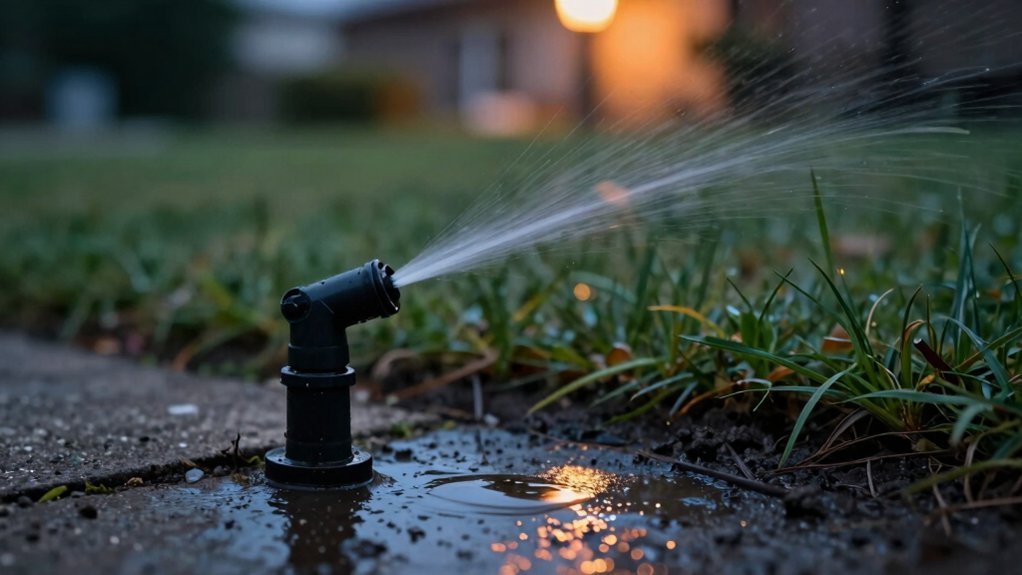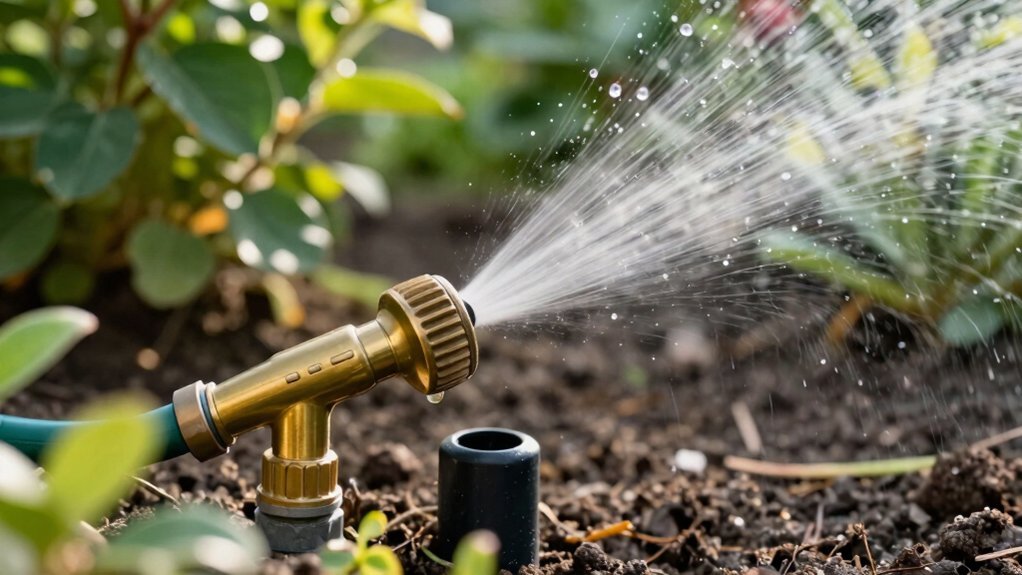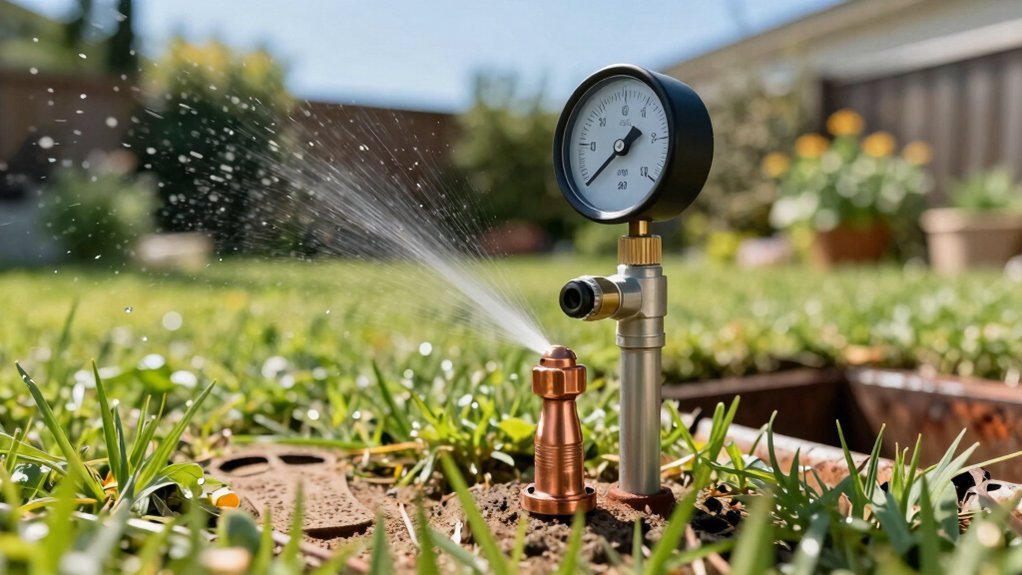
You get sprinkler water mainly from the municipal supply, which delivers pressurized, treated water through eight‑inch mains straight to your landscape, accounting for up to 70 % of household use and spiking 25‑35 % during dry spells. In some areas you may use pump‑powered systems that draw from lakes, ponds, or rivers, or ground‑source wells with tanks for fire protection and redundancy. Backflow preventers safeguard the potable supply, and proper sizing, sensors, and maintenance keep the system efficient and sustainable. The next sections reveal how to choose the best source for your needs.
Why Most Sprinklers Use the City Water Supply
Because city water is already treated, pressurized, and metered, most residential sprinklers plug directly into the municipal supply rather than relying on rain barrels or cisterns. You’ll see that irrigation can make up to 70 % of household water use in places like Boca Raton, and demand spikes 25‑35 % during dry spells. The demand‑driven model treats and delivers water exactly when sprinklers run, so higher usage inflates treatment and distribution volumes and raises utility costs. Municipal water conservation hinges on sprinkler system upgrades that cut runoff and evaporation while maintaining pressure. Pressurized units outperform gravity‑fed alternatives, delivering reliable flow with less waste. By quantifying seasonal spikes and tracking metered consumption, you can target upgrades that reduce overall demand and support sustainable urban water management. Hot weather significantly boosts irrigation demand, further stressing the system. Selecting a low‑flow head can cut water use by up to 30 % without sacrificing coverage. Modern controllers can integrate soil moisture sensors to automatically adjust watering schedules based on real‑time ground conditions. Understanding proper zone layout helps balance pressure and ensures uniform coverage across the landscape.

Excellent choice for hard water, "dirty water", or reclaimed water irrigation systems

For watering areas with up to 15 ft. of spacing between sprinkler heads

Lush Lawn Coverage: The Orbit H2O-Six Gear Drive Sprinkler delivers efficient watering for lawns and gardens with six spray patterns, offering large-area coverage
How Municipal Sprinkler Water Source Powers Your Landscape
When municipal water feeds your sprinkler system, it delivers pressurized, treated flow directly to the landscape, eliminating the need for wells or pumps. The city’s eight‑inch mains, anchored by thrust blocks and gate valves, provide reliable volume and pressure, meeting water quality standards without extra equipment. Backflow preventers safeguard drinking water while allowing subsurface irrigation to operate safely. Because the supply is regulated, you receive consistent quantities even during droughts, aligning with local conservation policies. Infrastructure maintenance rests with the utility, so you avoid costly private pump upkeep and drilling. This data‑driven, sustainability‑focused arrangement reduces capital outlay, simplifies installation, and guarantees stable performance across residential and commercial sites. The system includes a hand‑turn valve for quick shut‑off when the sprinkler key is unavailable. Proper waterproof conduit installation helps prevent corrosion and electrical hazards in sprinkler wiring. The pressure regulator maintains optimal flow rates to protect system components. Backflow preventers are required by most local codes to prevent contamination of the potable water supply.
How Pump‑Powered Systems Draw From Lakes, Ponds, and Rivers
Around three main pump types dominate when you tap lakes, ponds, or rivers for irrigation: centrifugal, submersible, and surface centrifugal units. You’ll match a centrifugal pump to moderate flow and pressure, a submersible unit for deep lakes or ponds, and a surface centrifugal model when the source sits above the pump. Data show that placing the foot valve within 20 ft of the source and limiting suction to 25 ft maximizes pump energy efficiency. You’ll also install a reverse flow prevention switch and timer to avoid deadheading, which protects both the pump and the water source. Booster stages can raise pressure to 45 psi for large zones, while variable‑speed controllers fine‑tune flow to meet 10‑20 GPM residential requirements, ensuring sustainable, low‑energy irrigation. Properly sizing the pump based on system elevation helps maintain consistent pressure across varied terrain. Accurate GPM calculations are essential for matching pump capacity to the sprinkler layout. Submersible pumps can be paired with pressure regulators to fine‑tune output and protect downstream components.

Specs & Dimensions: 4.33*3.5*4.1 inches; Max flow rate: 800 GPH (3000L/H); Max lift height: up to 10 ft.; Wattage: 50W; Voltage: 110-120V

Efficient Sump Pump: Aquastrong sump pump with 1HP powerful motor. Draining water up to 4500GPH Per Hour( 75 gallons per minute) at 5ft. Lift water up to 30ft of vertical height

Oil-Filled Motor: Submersible sump pump motors utilise oil-filled technology to effectively mitigate motor overload issues,extend operational lifespan.Efficiently drains up to 2450 gallons per hour (GPH) and lifts water vertically up to 31 feet, tackling tough water removal jobs.
How Ground‑Source Wells and Dedicated Tanks Support Fire Protection
Pump‑powered systems draw water from surface sources, but fire protection often relies on subsurface solutions that guarantee volume and pressure regardless of seasonal fluctuations. Ground‑source wells, engineered for high‑demand fire suppression, let fire trucks draft directly from a 6‑inch pipe that reaches bedrock, delivering flow rates that meet NFPA standards. Underground tanks—modular, 25,000‑gallon or four 50,000‑gallon units—stay below grade, maintaining temperature and preventing freeze‑over. Their compatibility with building design reduces site‑plan intrusion and aesthetic impact. A cost effectiveness analysis shows a single well costs about $4,000 and covers a 700‑foot radius, while several hundred wells can secure an entire village for under $1 million. Solar‑powered pumps with battery backup add redundancy, supporting sustainable, reliable fire protection without relying on municipal hydrants. Proper sizing of the pump capacity ensures the system meets peak demand without excessive energy use. The flow rate of each sprinkler head is calculated by dividing the required gallons per minute by the number of heads covering the area. Selecting the correct compressor CFM is essential for efficiently clearing sprinkler lines during maintenance.

【36" Round Fire Pit Mat】Rumlick fire pit mat, designed for Solo Stove Bonfire/Ranger 2.0, is crafted from double-sided fireproof fiberglass. It shields your deck and patio from sparker embers and hot grease. Versatile in use, it serves as an under grill mat, fireplace mat, and camping stove mat. Ideal for your patio.


How Backflow Preventers Keep Sprinkler Water Safe and Clean
Even if your sprinkler system draws from a municipal potable line, a backflow preventer is the only safeguard that guarantees the water you spray stays clean; it blocks reverse flow caused by pressure drops or pump surges, preventing contaminants—such as fertilizers, pesticides, or debris—from re‑entering the drinking‑water supply. You’ll choose an atmospheric vacuum breaker for low‑hazard zones, a double‑check valve assembly for underground lines, or a reduced‑pressure zone valve when chemicals are present. Each device uses check valves that close automatically, and the RPZ adds a relief valve that discharges water if debris sticks a gate. Installing these devices necessitates preventing cross‑contamination, meets code‑compliant installations, and aligns with sustainability goals by protecting public water resources and reducing health‑risk liabilities. The backflow preventer is typically installed near the water main or at the point where the irrigation line connects to the household supply, ensuring easy access for regular inspection and maintenance. Local plumbing codes often require a backflow prevention device for any outdoor irrigation system that could introduce contaminants into the potable water supply.
How to Pick Between Municipal, Pump, and Well Water Sources
Backflow preventers keep your sprinkler water clean, but the source of that water still determines cost, reliability, and environmental impact. To decide among municipal, pump, and well options, compare ongoing expenses, pressure stability, and sustainability considerations. Municipal supply offers regulated quality, unlimited volume, and minimal homeowner upkeep, yet it adds per‑gallon fees and can raise security concerns if utility infrastructure fails. A well eliminates bills after drilling, provides independence from public restrictions, and reduces transport energy, but you must test water annually and manage pump maintenance. Pump systems draw from a private well using electricity; they lower transport emissions but deliver variable pressure and shift repair responsibility to you. Weigh long‑term savings, reliability, and ecological footprint before choosing. In Idaho, 70% of water comes from underground aquifers, making well water a prevalent choice for many homeowners. Sprinkler automation on Ginger Island can be achieved using the newly introduced “Island Sprinkler” item, which functions similarly to the farm version but requires a specific placement on the island’s soil tiles. Sprinkler efficiency can be maximized by arranging crops in 3‑by‑3 grids for the Quality Sprinkler, allowing full coverage with minimal overlap.
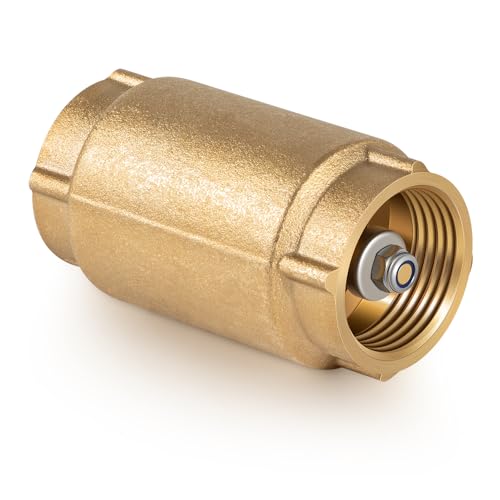
Premium No-Lead Brass Construction - Crafted from high-quality, corrosion-resistant no-lead brass for long service life and compliance with drinking water safety standards

Reliable Material: The backflow preventer cover is made of Oxford cloth, sponge interlayer, and aluminum film in the inner layer, which is insulation, waterproof, abrasion resistant, durable and can be used for a long time.

Reliable Material: The backflow preventer cover is made of Oxford cloth, sponge interlayer, and aluminum film in the inner layer, which is insulation, waterproof, abrasion resistant, durable and can be used for a long time.
Common Myths About Metered vs. Free Sprinkler Water
Most homeowners assume that free‑flow sprinkler water saves money, but data shows dedicated irrigation meters actually cut wastewater charges and improve billing accuracy. You’ll find that the myth of “no‑cost” water ignores dual meter considerations: a separate irrigation meter isolates outdoor use, preventing indoor wastewater fees from inflating your bill. Seasonal billing factors reveal that high‑volume summer irrigation can shave hundreds off the total, offsetting upfront installation and permit costs within one to two seasons. Accurate measurement eliminates over‑estimation, while independent shutoff controls protect indoor supply and simplify troubleshooting. By tracking outdoor consumption precisely, you can identify inefficiencies, adjust watering schedules, and achieve a sustainable, data‑driven reduction in overall water expenses. Homeowners should also review their policy exclusions to ensure sprinkler damage is covered. Understanding the main water valve location simplifies emergency shut‑offs and prevents accidental flooding. Automated watering systems further enhance efficiency by delivering consistent moisture exactly when plants need it.
How to Maintain Your Sprinkler Water Source for Reliability
A reliable sprinkler water source hinges on regular, data‑driven maintenance that minimizes waste and maximizes efficiency. Start by running each zone alone, noting spray patterns and wet spots that signal leaks. Listen for hissing or bubbling, then clean heads with a brush and a rinse, installing filters to catch debris. Measure output with a tuna can to confirm one‑inch delivery, then adjust arcs and timing to match zone needs. Install rain sensors and schedule watering for early mornings, three to four days a week. Conduct monthly inspections, tighten fittings, and replace worn nozzles every 5‑8 years. Analyze operating costs by logging water use per zone, and evaluate water quality through backflow tests and filter checks. This systematic approach sustains reliability while cutting waste. Check for debris blockage in the sprinkler heads.

The Gap Hole Anti-Clogging Cleaning Brush is specifically designed to tackle the tough clogs and buildup in your shower heads. With its innovative design, it swiftly removes deposits, restoring powerful water flow and ensuring a refreshing shower experience every time.

HEAVY-DUTY STEEL SHAFT – 5/8" powder-coated structural steel resists bending and rust

A Unique Bi-Level Shaped Design: Tackle unwanted outdoor messes with this soft bi-level brush that cleans from multiple angles. The unique design allows you to access tight corners and hard to reach spaces for more thorough cleaning