You’re covered for sudden, accidental damage to your sprinkler system—fire, burst pipes, vandalism, or storm‑related incidents—under a standard homeowners policy, but only if the system is considered part of the residence. Outdoor components, routine wear, and neglect are typically excluded because they’re classified as “external plumbing” or “non‑residence premises.” To keep your coverage valid, maintain the system and document inspections; the rest of the guide will show how add‑ons and discounts can fill the gaps.
What Homeowners Insurance Actually Covers About Sprinkler Insurance
What exactly does your homeowners policy cover when a sprinkler system is damaged? You’re protected against fire‑related damage, including intense heat and smoke that impair components, because fire is a covered peril. Accidental discharge scenarios—sudden pipe bursts or unexpected spray—trigger coverage for direct water loss and secondary mold. Vandalism or theft of parts also falls under the policy, provided you document the incident. Storms, wind, and hail qualify, but flooding and rising water do not unless you hold separate flood insurance. The policy excludes gradual degradation issues, normal wear, and any damage stemming from poor maintenance or faulty installation. In short, coverage applies only to abrupt, covered‑peril events, not to slow, neglect‑related wear. Regular inspections can catch early signs of failure, reducing the likelihood of a claim for preventable damage. The typical duration a sprinkler remains active during a fire depends on heat levels and system design, and is often limited by automatic shut‑off mechanisms.

Compact Design: With dimensions of 1x1x8 inches, this rooftop sprinkler is compact and can fit in most spaces.


🛠️ EASY TO INSTALL – Features a standard 1-inch inlet connection for fast, tool-free setup with most residential water or irrigation systems.
Why Outdoor Sprinkler Systems Are Usually Excluded From Sprinkler Insurance
Because most policies treat outdoor irrigation as “external plumbing,” they automatically exclude it from the standard homeowners coverage that protects indoor fixtures. You’ll notice that insurers classify sprinkler pipes as non‑residence premises components, so any rupture is handled under surface‑water exclusions. This classification means sprinkler repair costs fall outside the usual water‑damage exception, even when water see into a basement. An operational risk assessment shows underground lines raise liability for undetected leaks, and carriers cite the lack of a specific lawn‑pipe endorsement to deny claims. Maintenance tasks—winterization, root intrusion checks—are also excluded, so failure to perform them triggers outright denial. Consequently, without an add‑on, your outdoor system remains uninsured. Homeowners can mitigate risk by installing a leak detection valve that alerts them to abnormal flow. The presence of a backflow preventer ensures safe water by stopping contaminated water from re‑entering the potable supply.
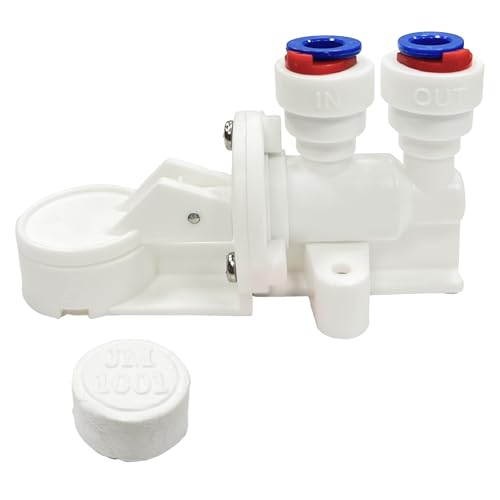
Leak Stop Valve: Enjoy peace of mind with your under sink reverse osmosis water filtration system with the help from Max Water leak stop valve.

PROTECT YOUR HOME OR OFFICE: Automatically shut the water off to your system in the event of a leak. Once water makes contact with the high-absorption pad at the bottom, it activates expanding the pad until the water is automatically shut off saving you costly water damage making it an express leak blocker for your system

PROTECT YOUR HOME OR OFFICE: Automatically shut the water off to your system in the event of a leak. Once water makes contact with the high-absorption pad at the bottom, it activates expanding the pad until the water is automatically shut off saving you costly water damage making it an express leak blocker for your system
How Sprinkler Insurance Add‑Ons and Discounts Fill Coverage Gaps
Since outdoor irrigation is usually excluded, insurers offer add‑ons and discounts that plug those gaps. You can purchase a design‑error endorsement that adds liability protection against faulty plans, and an equipment‑failure rider that covers costly replacements when pumps or valves malfunction. Fire‑sprinkler installations often qualify for premium reductions ranging from 10 % to 60 %—the higher discounts reward systems that exceed code requirements or serve hazardous zones. Some carriers also bundle inspection services, ensuring that missed deficiencies don’t become revealed losses. When you add these endorsements, the policy expands to cover water‑damage claims that stem from external leaks, while the discount offsets the added cost. This combination directly addresses the typical exclusions of standard homeowners policies. The overall cost of a sprinkler system can be estimated at $7‑$12 per square foot based on size, type, and local labor rates. Understanding the price breakdown helps homeowners budget for both installation and insurance coverage.
Inspection & Maintenance Rules to Keep Your Sprinkler Insurance Valid
If you want your sprinkler insurance to stay in force, you must meet the strict inspection and maintenance rules that insurers and fire codes impose. Follow a sprinkler maintenance schedule that aligns with NFPA 25 and local fire codes, documenting every step to satisfy insurance compliance standards. Licensed technicians must conduct annual inspections of gauges, valves, alarms, hangers, bracing, pipes, fittings, and heads, plus test backflow preventers and fire‑department connections. Quarterly checks on connection caps and five‑year interior inspections of city‑pit check valves prevent gaps. Replace pre‑1920 heads, test standard heads at 50 years and every decade thereafter, and service hydrants annually. Keep detailed reports; insurers may request them, and missing any test can trigger claim denial, premium hikes, or policy cancellation. Bi‑annual inspections help catch clogged heads and leaks early, ensuring optimal performance and water conservation. Regular monitoring also enables early detection of system leaks before they cause extensive water damage. Mineral buildup can cause uneven watering and should be removed during routine cleanings.

Waters your lawn automatically the whole season

---US Patent Pending---

For installation and maintenance of spray head sprinklers, nozzles, and risers
How to Verify and Extend Your Sprinkler Insurance Coverage
Ensuring your sprinkler system stays fully covered starts with a systematic verification process that aligns policy language with on‑site reality. First, contact your insurance provider. Request current policy details on sprinkler coverage, ask for documentation requirements like alarm monitoring certificates, and confirm eligibility for a “sprinklered” rate and any monthly premium savings. Verify that local fire codes don’t limit coverage and explore incentives for smart‑monitoring upgrades.
Next, gather documentation: name‑plate specifications, blueprints of underground piping, and material/test certificates for hydrostatic and flushing tests. Keep as‑built drawings and hydraulic calculations on hand.
Review policy terms for explicit sprinkler inclusion, annual drain‑test mandates, alarm‑wiring specs, and any endorsements for enhanced water damage protection. Conduct required tests, document results, and update the policy when you add upgrades, pollution‑liability endorsements, or umbrella coverage. This disciplined approach secures extensive protection and maximizes cost efficiency. A well‑designed system includes a pressure regulator to maintain optimal flow across all zones. Understanding how the solenoid activates the valve can help you explain coverage needs to your insurer. The valve housing often features a transparent cover that reveals the internal diaphragm, allowing easy inspection during compliance checks.

Maintains optimum 25 psi pressure and water flow to Drip lines and emitter devices

【Choose certified products】ONDAQUA holds the UPC Certification issued by IAPMO, and our products are also compliant with the ASSE 1020-2020 standard

Easily converts a 1/2" riser or existing shrub spray to low volume Drip watering system