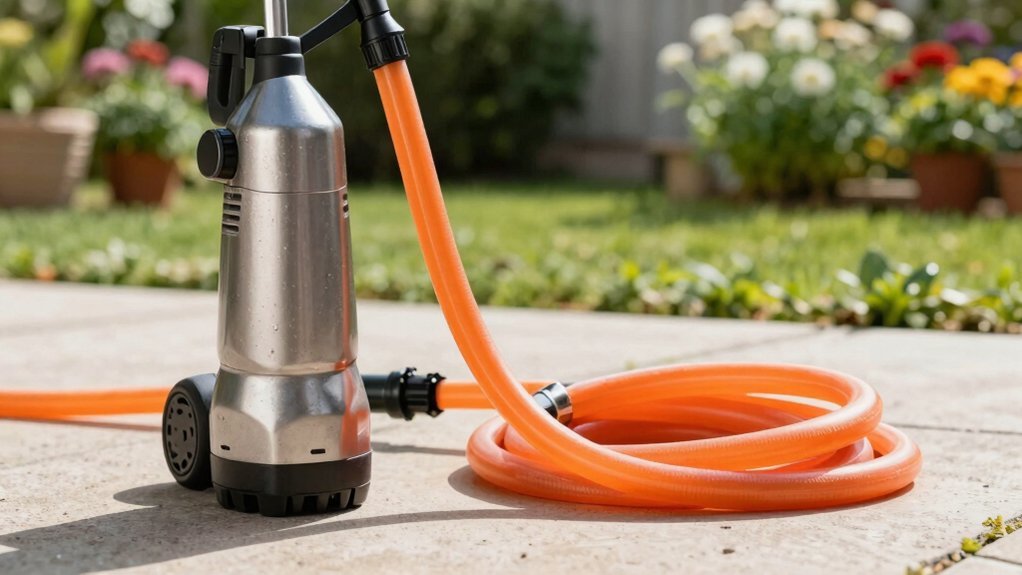
You can safely wash a dog with a garden hose if you control temperature, pressure, and flow. Use lukewarm water below 60 °F and keep pressure between 20–60 psi, matching the dog’s size (20–30 psi for under 20 lb, 30–45 psi for 20–50 lb, 45–60 psi for over 50 lb). Choose a hose with adjustable PSI markings, avoid direct spray on the face, and rinse thoroughly to prevent residue. Proper ear protection, low‑pressure shower heads, and a non‑slip bathing area further reduce risk, and the following sections detail each step.
Is It Safe to Use a Garden Hose on Your Dog?
Is it safe to use a garden hose on your dog? You must evaluate hose material toxicity, temperature, and flow. Lead, BPA, and rust can leach into water, triggering gastrointestinal upset or potential hose material allergies if your dog chews or ingests water. Sun‑heated hoses often deliver scalding water; always run the hose until the temperature drops to a safe range. Stagnant water harbors bacteria and mold, increasing infection risk. Maintain appropriate water flow—neither a torrent that could cause inhalation‑related water intoxication nor a trickle that encourages prolonged exposure. Use a certified “safe for drinking” hose, flush it before use, and supervise your pet closely. Provide fresh indoor water to limit excessive intake and reduce contamination hazards. Chewing on hose can cause choking or intestinal blockage if fragments are swallowed. Regularly cleaning the hose helps prevent biofilm buildup that can harbor harmful pathogens. Legionella can proliferate in stagnant hose water, posing a Legionella infection risk during high‑pressure sprays.
How to Pick the Right Water Pressure for Your Dog’s Size
When you match water pressure to your dog’s size, you protect skin, eyes, and ears from irritation while ensuring an efficient rinse. For small dogs under 20 lb, set the nozzle to 20‑30 PSI, use a gentle mist, and keep flow at 2‑4 GPM. Test the spray on your hand; it should feel like light rain. Medium dogs (20‑50 lb) need 30‑45 PSI and a 4‑GPM rate, positioned 2‑3 ft away with a wide fan pattern. Large dogs over 50 lb tolerate 45‑60 PSI and 6‑8 GPM, directing the stream to the body while shielding the face. Use alternative hose attachments with PSI markings for fine control, and always monitor water temperature to prevent thermal shock. Adjust gradually, observe stress signals, and stay below 60 PSI for safety. Ensure the water source is free of chemical contaminants to protect your dog’s health. The flow rate also depends on hose diameter, with larger diameters allowing higher GPM at the same pressure. Selecting a hose with an appropriate diameter, such as a ½‑inch size, helps maintain consistent flow while minimizing pressure loss.
Setting Up a Dog‑Friendly Outdoor Bath Station
Choosing a level spot near a garden hose, you’ll first verify utility lines by calling 811, then excavate a 2‑3‑inch‑deep basin, lay a weed barrier, and fill it with pea gravel or river rock to guarantee rapid drainage and a stable, non‑slip surface for the bath station. Next, install low‑threshold ramps and non‑slip mats to aid entry, and mount grab bars into wall studs for handler stability. Position a trellis backdrop to anchor leashes and to serve as a visual screen, addressing privacy considerations. Select hardy, low‑maintenance plants for surrounding borders, ensuring they do not obstruct hose reach. Add mounted hooks, shelving, and a towel rack within arm’s reach to keep shampoo and toys organized, while a hair trap protects drainage pipes from fur buildup. The station includes a shower wand for efficient rinsing. Applying penetrating oil can also help loosen any rusted hose connections that may cause leaks. Using a hose of the appropriate diameter helps maintain water pressure for thorough rinses. For optimal performance, keep the hose pressure within the recommended 40‑80 psi range.
Step‑By‑Step Shampoo Application With a Garden Hose
Now that the bath station is set up, you’ll move on to the shampoo phase. You select a dog‑specific, skin‑sensitive shampoo and dilute it in a bucket with lukewarm water at a 1:10 dilution ratio. Test the temperature on your wrist, then attach a gentle spray nozzle to the hose and wet the coat from neck to tail, avoiding the face. Using a large sponge, pour the diluted shampoo into your palm, then apply it using consistent shampoo application patterns: start at the neck, work in circular motions toward the tail, and massage against the fur grain. Extend the pattern to legs and underbelly, keeping pressure light and avoiding eyes, mouth, and genital areas. Allow the lather to sit for two to five minutes before proceeding. Hydrophobic soil can cause water to run off the surface, so ensuring the coat is fully saturated helps the shampoo penetrate the fur. The hose’s pressure gradient determines how quickly water flows through the nozzle, influencing how evenly the shampoo spreads. Understanding nozzle design helps you choose a spray pattern that maximizes coverage while minimizing water waste. Proper nozzle sizing ensures the flow rate matches the desired coverage area without excess splashing.
Rinsing Techniques Using a Garden Hose to Prevent Residue
If you keep the hose on a low‑pressure, shower‑mode setting and direct a steady stream from the dog’s head toward its tail, you’ll rinse the coat thoroughly without startling the animal. Begin by selecting a proper nozzle selection—an 8‑pattern showerhead provides gentle, wide coverage while maintaining low force. Move the fur section by section, parting it manually to expose skin on the belly, armpits, and legs. Apply a consistent, lukewarm flow, ensuring water penetrates each layer until it runs clear. Double‑rinse each area to eliminate any remaining shampoo residue, checking for suds under the fur. After the final pass, allow the dog to shake, then visually confirm that no shampoo quantity needs remain. This systematic approach minimizes residue, prevents skin irritation, and satisfies shampoo quantity needs. The quick‑release adapter allows easy connection to various hose types, ensuring a secure fit during the wash. Garden hose fittings are designed to maintain steady pressure, which helps avoid sudden bursts that could startle the dog. Properly tightening the connector with plumber’s tape helps prevent leaks and ensures a steady flow. Using a ¾‑inch garden hose thread ensures compatibility with most standard garden hoses.
Caring for Ears, Eyes, and Private Areas During the Bath
When you bathe a dog, protecting its ears, eyes, and private areas is essential to prevent irritation and infection. Begin by inserting a cotton plug into each ear and tilt the head upward to keep water out; remove the plug after the wash and dry the canal with a dog‑specific ear dryer. Conduct an ear inspection frequency of at least once per grooming session, looking for wax, redness, or discharge. Avoid any soap or essential oil near the eyes; direct the hose away from the face and use sterile saline wipes for post‑bath cleaning. Apply pet‑friendly shampoo to the genital region, rinse thoroughly, and pat‑dry with a soft cloth. Follow strict genital hygiene practices, inspecting for odor, redness, or discharge after each bath. Remember that sprinklers are separate fire safety systems that do not contain detectors. Regularly test the water quality for contaminants to ensure it is safe for both pet and human use. Consider checking the source water for microbial load before each bath.
Drying Options After an Outdoor Dog Bath
Although the bath is over, selecting the right drying method is essential to prevent skin irritation and matting. Use post hose drying techniques that begin with a microfiber towel; gently squeeze excess water, then blot without vigorous rubbing. Rotate towels as they saturate, focusing on ears, tail, face, feet, belly, paws, neck, chest, and back. For short coats, massage in any direction; for long coats, scrunch carefully. If you choose air dried grooming benefits, move the dog to a warm, well‑ventilated indoor space or a sunny garden patch, laying a clean towel or mat underneath. Avoid outdoor dirt exposure. For medium to thick coats, apply a pet‑safe blow dryer on low heat, keeping the nozzle above skin and moving it in short strokes. Finish with a leave‑in conditioner spray, then brush to detangle and distribute oils. Make sure the low‑voltage supply is properly insulated to prevent electrical hazards. In winter, consider insulated hose covers to protect the hose from freezing temperatures that could otherwise cause cracks.
Common Mistakes When Bathing Dogs With a Garden Hose
A common mistake many owners make is using the wrong shampoo—human formulas disrupt a dog’s skin pH, strip its natural barrier, and can cause rashes, while some dog shampoos are too harsh or require dilution that isn’t followed. You then often set the hose at an improper hose position, causing uneven wetting of the coat and leaving dry patches where soap accumulates. High water pressure can startle the animal, so you should switch to a low‑flow nozzle and keep the stream gentle. Rinsing must continue until water runs clear; otherwise residue will irritate skin around ears, collar, and paws. Finally, neglecting pre‑bath combing or ear protection invites matting and infections, compromising the entire cleaning process.