You’ll find a well‑installed Rain Bird system can keep watering efficiently for a decade or more. Premium heads usually last 10‑15 years, while cheaper models may quit after 2‑5 years; valves typically survive 5‑15 years, and the underground network—if built with quality PVC or polyethylene and buried at the right depth—can endure 80‑100 years. Proper winterization, regular pressure checks, and occasional smart‑controller upgrades further extend life. Keep reading to uncover the key maintenance steps and upgrades that maximize durability.
How Long Do Rain Bird Sprinkler Heads Typically Last?
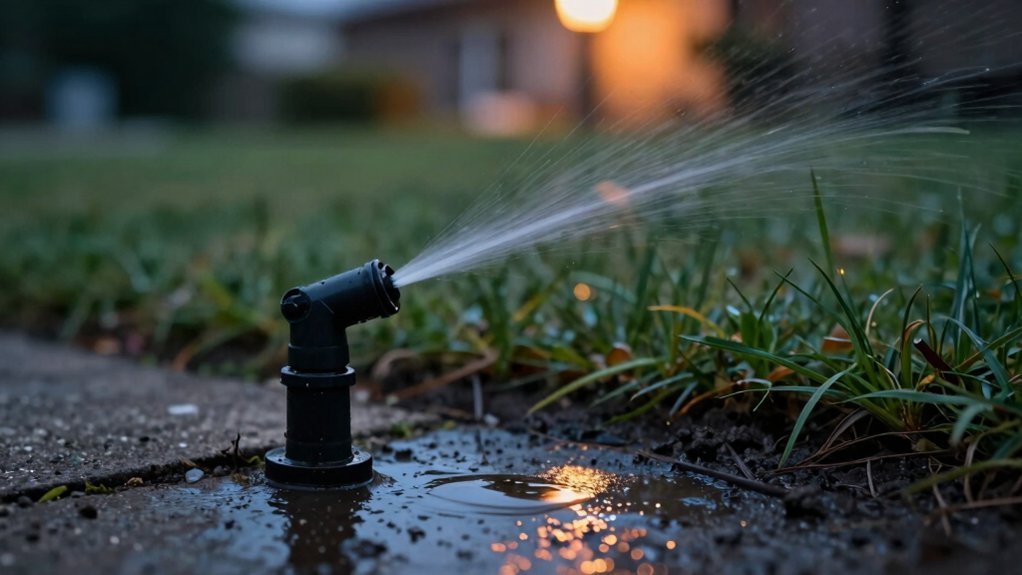
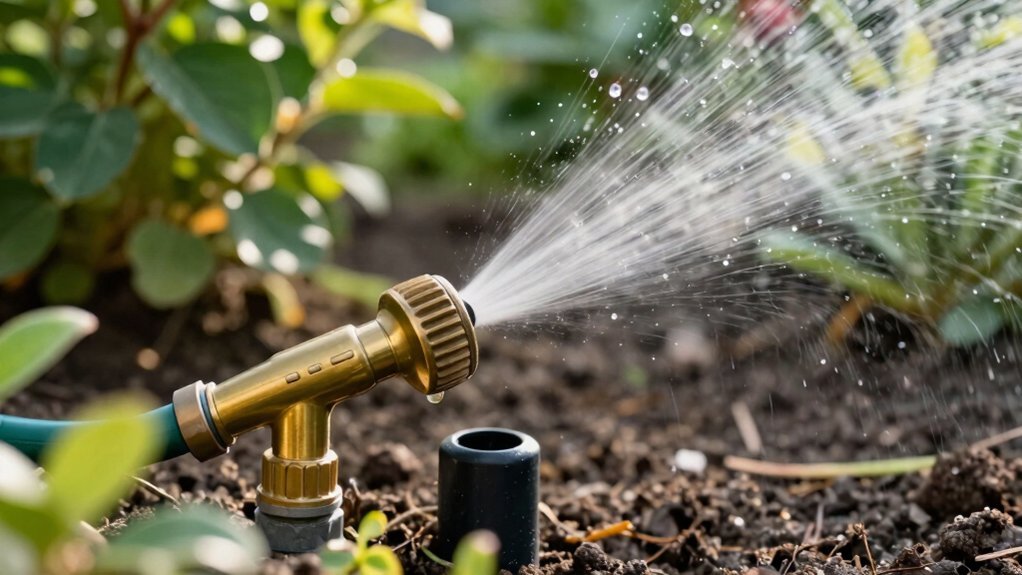
How long do Rain Bird sprinkler heads usually last? You’ll find they survive 10 to 15 years when you choose high‑grade sprinkler head build quality and keep sprinkler head water pressure within spec. Inexpensive models may quit after 2 to 5 years, while low‑grade, underground heads often stick in just 1 to 2 years. Plastic gears wear out faster, so robust materials push the lifespan toward the upper 15‑year range. Regular winterization and spring startups prevent premature wear, and a smooth, slow rotation signals the need for replacement. By installing quality components and protecting them from sun and corrosion, you sustain performance, avoid costly repairs, and extend the functional life of your irrigation system. Water quality can significantly affect component wear, with hard water accelerating corrosion and mineral buildup. Proper installation techniques can further mitigate wear caused by high‑pressure stress. Hunter valves are praised for their robust construction and resistance to corrosion, which contributes to long‑term reliability.
What Factors Influence the Lifespan of Rain Bird Valves?
Because your irrigation system faces varying climates, the lifespan of a Rain Bird valve hinges on four key domains: environmental exposure, water quality, maintenance habits, and the valve’s construction. You’ll notice that extreme temperatures and freeze‑thaw cycles stress seal material quality, while harsh weather accelerates wear. High mineral content and debris in the water promote solenoid corrosion and block ports, reducing efficiency. Regular inspections, cleaning, and proper winterization counter these effects, extending cycle life. Managing pressure spikes and avoiding excessive cycling protect the diaphragm and flow‑control stem. Finally, choose a valve with robust construction—high‑grade seals, corrosion‑resistant solenoids, and rebuildable internals—to guarantee a sustainable, long‑lasting system. Properly sized and installed sprinkler valves can further mitigate wear and improve overall system reliability. Understanding the solenoid operation helps diagnose common failures quickly. Valve thread compatibility is also essential when swapping solenoids to maintain proper fit and function.
How Does Underground Piping Affect Overall Rain Bird System Longevity?
When you install underground piping for a Rain Bird system, its material, burial depth, and joint quality become the backbone of long‑term durability. Your pipe material selection—whether Schedule 40 PVC or polyethylene—sets the corrosion resistance, pressure tolerance, and frost‑line performance. Proper burial shields pipes from UV, roots, and mechanical stress, while solvent‑weld fittings create permanent bonds that outlast decades. Consistent irrigation pipe maintenance, including seasonal inspections, winterization, and prompt repair of cracked joints, preserves integrity and prevents premature failure. By aligning high‑quality materials with correct installation depth and diligent upkeep, you can extend the system’s life to 80‑100 years, achieving a sustainable, aesthetically reliable irrigation network. Schedule 40 PVC is allowed for irrigation when it meets local code requirements and pressure ratings. Selecting the appropriate thread type for hose connections, such as garden hose thread, ensures a secure, low‑pressure seal that complements the high‑pressure NPT fittings used in the main supply line.
Which Rain Bird Controllers Are Most Durable and Why?
Durability in Rain Bird controllers hinges on rugged housing, weather‑rated components, and modular upgrade paths. You’ll find the ESP‑ME3 leading the pack; its robust frame and proven long‑term zone handling earn high marks in exhaustive testing methods and homeowner performance reviews. The ESP‑TM2 adds a weather‑resistant cord and a back‑lit LCD, while its Wi‑Fi‑ready LNK module lets you upgrade without replacing the unit, extending service life. For smart‑home integration, the ST8I‑2.0 delivers consistent indoor Wi‑Fi performance and tops 2026 reliability rankings, thanks to video‑analysis validation. TRU series models, especially the TRU4I and SST‑600I, combine battery backup with compact design, reducing wear from frequent adjustments. Across all, these controllers balance technical rigor, aesthetic simplicity, and sustainable durability. The app provides weather‑based adjustments that further protect the hardware by preventing unnecessary operation during adverse conditions. Their long‑term water efficiency also contributes to lower operating costs and environmental impact. Regular maintenance can mitigate power surge effects, extending the controller’s functional lifespan. Understanding sprinkler timer basics helps users maximize these durability benefits.
How Do Climate and Seasonal Use Affect Your Rain Bird System?
Rain Bird controllers like the ESP‑ME3 and ST8I‑2.0 already prove their ruggedness, but the climate you live in determines how long that durability lasts. In freezing zones, you must follow winter storage recommendations: drain lines, protect valves, and store the unit in a dry, insulated space to avoid cracked fittings caused by freeze cycles. Even mild climates need seasonal shutdowns; otherwise pressure spikes from sudden thaws will wear seals and heads. Excessive rainfall raises water pressure, so you should calibrate regulators and enable Rain Delay to curb overwatering and reduce water quality impact on filters. In dry seasons, lower pressure can cause poor coverage, prompting longer run times. Smart controllers that read temperature, humidity, and wind let you fine‑tune schedules, preserving components while conserving water. Freeze risk increases when exposed pipes drop below 20 °F and water solidifies. Properly blowing out your system before winter can prevent ice blockages that lead to costly pipe bursts. Understanding freeze‑damage thresholds helps you schedule maintenance before temperatures reach critical levels.
What Maintenance Practices Keep Your Rain Bird System Running Long?
If you want your Rain Bird system to stay efficient for years, start with a disciplined maintenance routine that blends technical rigor and sustainable practice. Inspect heads quarterly for cracks or misalignment, and check valves annually for leaks or odd noises. Flush lines yearly and clean heads after each mowing season to support sprinkler nozzle clogging prevention. Test water pressure monthly, adjusting run times and head spacing for head‑to‑head coverage. Disassemble valves every two years, wipe controllers seasonally, and replace worn nozzles every 5‑10 years. Winterize by draining pipes, blowing out with compressed air, and storing exposed controllers. Upgrade to smart controllers after a decade, and schedule professional tune‑ups every 2‑3 years to keep the system resilient and eco‑friendly. Perform a bi‑annual inspection in early spring and late fall to catch clogged heads, leaks, misaligned spray patterns, and pressure issues. Use a lightweight silicone lubricant on moving parts to prevent rust and ensure smooth operation. Regularly reviewing fire safety codes helps ensure the system remains compliant and effective.
What Early Warning Signs Should I Watch for in Rain Bird Valves and Pipes?
When you notice a steady drip from a valve as soon as it’s activated, it’s a clear early warning that pressure is exceeding the component’s limits, often due to broken o‑rings, damaged seals, or blocked distribution lines. You’ll also see brown patches on the lawn, a sign that a valve isn’t opening fully because of debris or valve seal failures. A solenoid that stays warm or hums indicates solenoid overheating, which can cause the plunger to stick and produce continuous flow. Listen for irregular clicks; they betray electrical faults that prevent proper activation. Inspect pipe joints for cracks or sediment buildup—excessive pressure and blockages stress both valves and pipes, accelerating wear and compromising sustainability. Leaking can also occur when the system is off if pressure buildup exceeds the design limits of the plumbing. Regularly check for corroded connections to prevent leaks before they become severe.
Should I Repair or Replace a Faulty Sprinkler Head?
Pressure spikes that cause drips or brown patches often point to a failing valve, but the next logical step is evaluating the sprinkler head itself. You’ll unscrew a faulty head by turning it left after loosening the soil, push a thumb into the hole to free it, then remove it. If the head is cracked, leaks persist, or the threads are damaged, head replacement planning is wiser; a new head threads directly onto the fitting, no pipe dope or Teflon tape needed, saving material costs and time. Minor nozzle or seal issues can be repaired DIY, tightening the head securely without over‑tightening. Incorporate seasonal maintenance tips—inspect heads each spring, replace worn models, and keep soil tidy—to guarantee reliable coverage and sustainable water use. Compacted soil can cause head cracks and affect performance. Properly aligning the spray radius can be achieved by using the adjustment screw, which allows you to fine‑tune coverage for uniform watering.
Low‑Cost Upgrades That Extend Rain Bird System Life
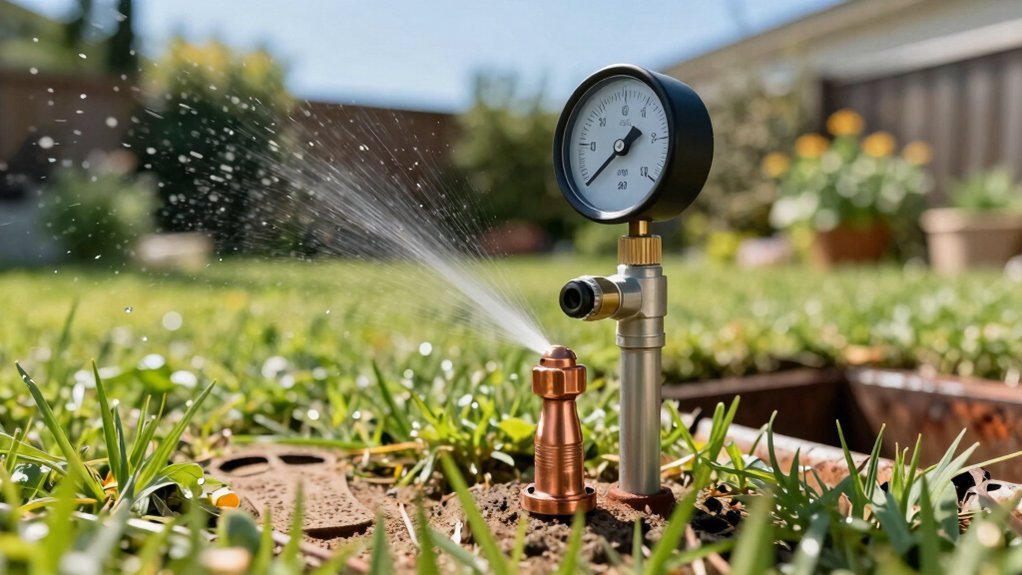
Integrating low‑cost upgrades can dramatically extend the life of your Rain Bird system while slashing water waste. Adding a Wi‑Fi module lets you control schedules from any device, while a smart controller syncs watering to real‑time weather, cutting runoff and energy use. Retrofit existing heads with MP rotator nozzles for uniform, low‑pressure distribution that prevents overwatering and dry patches. Install pressure regulators on 1804 sprinklers to keep flow at 30 PSI, reducing mist and wear. Pair a flow meter with a rain gauge to catch leaks early and pause cycles during rain. Finally, integrate drip lines in non‑turf zones for targeted hydration. These system upgrades streamline sprinkler management, boost efficiency, and sustain your garden for years. Adding an Errol I‑Pro PR retrofit provides a consistent 30 PSI pressure regulation that further prevents misting and ensures proper water distribution.