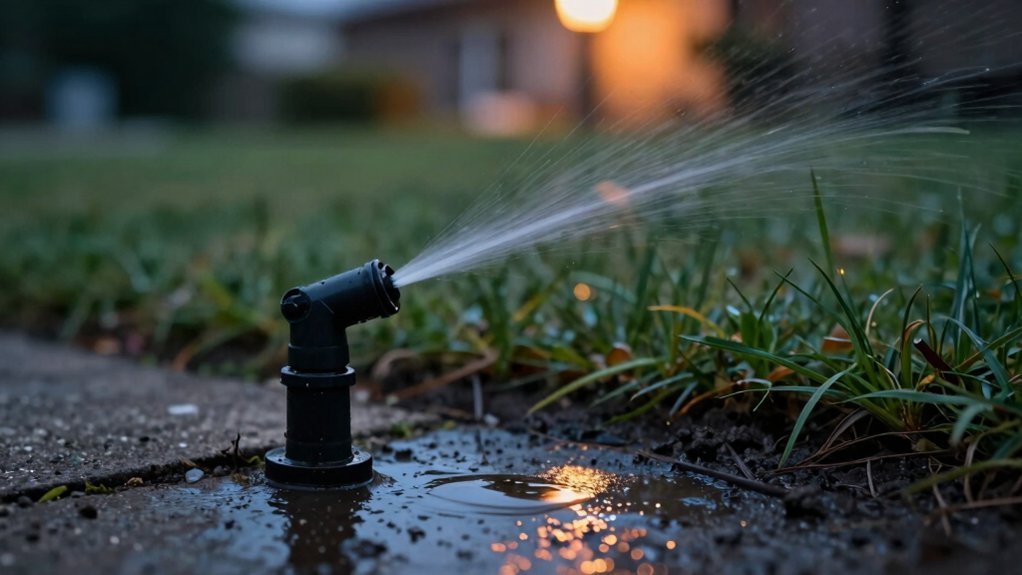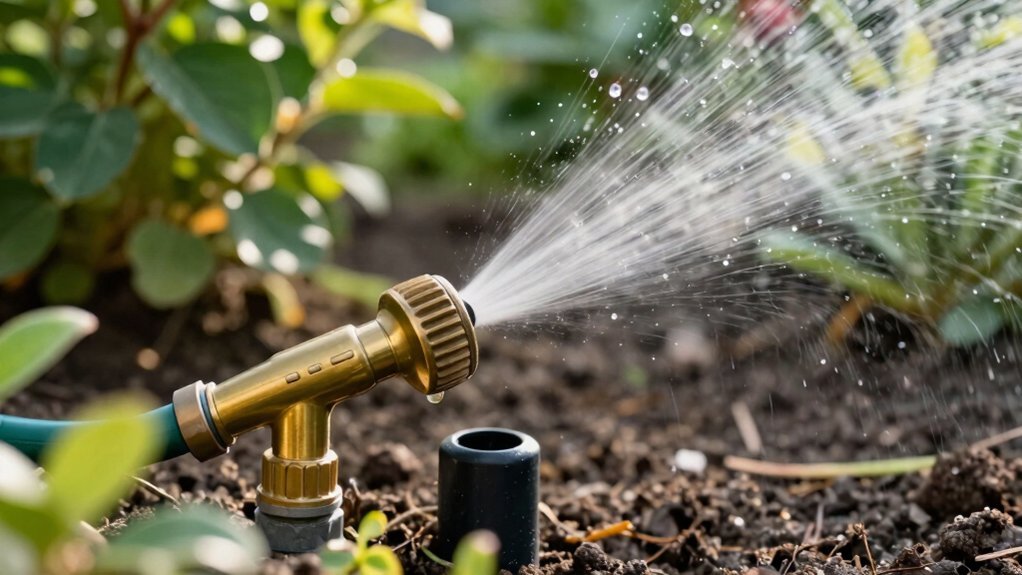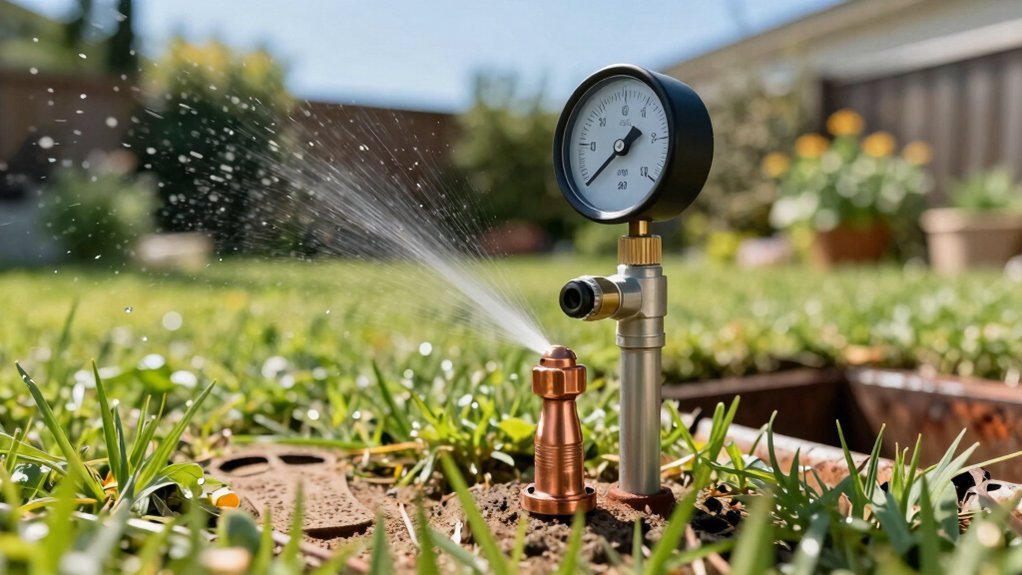
Sprinkler heads usually last 5‑15 years, but stainless‑steel bodies and Teflon‑coated nozzles can push that to 20 years or more if you winter‑ize and clean regularly. Plastic‑gear pop‑ups wear faster, especially under UV, corrosion, or mineral buildup, while rotary and subsurface drip heads hold out longer. Spot low pressure, uneven spray, or rattling noises early, then clear debris, tighten fittings, and apply a light WD‑40 coat to moving parts. Keep up with monthly inspections and seasonal flushes, and you’ll uncover deeper tips for extending every component’s life.
How Long Do Sprinkler Heads Typically Last?
How long do sprinkler heads typically last? You’ll find most irrigation heads guarantee 5–15 years, depending on manufacturer quality and environmental factors. Plastic gears wear out, causing slow rotation—often a five‑minute turn versus a one‑to‑two‑minute spin—signaling replacement. Below‑grade spray heads survive only 1–2 years before sticking or failing to pop up. With proper installation and regular maintenance, the broader irrigation system can reach 20 years, and some components even stretch to 30 years. Fire sprinkler heads generally hit a 20‑year useful life, with standard response heads tested up to 50 years in mild settings. Quick‑response units match the 20‑year mark. Annual inspections, cleanings, and adherence to NFPA 25 guidelines verify longevity while minimizing waste and environmental impact. Properly installed wiring should last the lifetime of the system, around 80–100 years, and can support reliable operation of the sprinkler heads. Regular testing of sprinkler activation times ensures they meet response time specifications for safety. Monitoring water pressure trends helps predict head wear before failures occur. The main line distributes water from the source to each zone, ensuring consistent flow and pressure throughout the system.

ADJUSTABLE ARC & SPRAY DISTANCE: Includes a preinstalled 3.0 GPM nozzle with an arc that adjusts from 40° to 360°, ideal for both full and part circle coverage. Delivers a spray distance of approximately 22 to 52 feet, with optional nozzles (sold separately) allowing further customization.

Smart Irrigation Starts Here - The Rain Bird 1804VAN 1800 Series Pack of 4 features 4-inch pop-up sprinkler heads with a fixed spray, variable arc nozzle and 1/2 in. female threaded inlet, made in the USA and built for precise irrigation in lawns, garden beds, and landscaped areas in residential and professional systems.
Smart Irrigation Starts Here - The Rain Bird 1804VAN 1800 Series Pack of 5 features 4-inch pop-up sprinkler heads with a fixed spray, variable arc nozzle and 1/2 in. female threaded inlet, made in the USA and built for precise irrigation in lawns, garden beds, and landscaped areas in residential and professional systems.
What Shortens a Sprinkler Head’s Lifespan?
Why do some sprinkler heads fail far sooner than expected? You’ll find that corrosion, environmental exposure, water‑quality issues, physical damage, and neglect all accelerate wear. Dry or dusty spaces and high humidity let oxygen linger in pipes, sparking rust. Chemical vapors and airborne dust erode seals, while temperature swings force expansion‑contraction cycles that stress internal components. Hard water deposits mineral crusts, and reclaimed water introduces algae and sediment that clog passages. Impacts, rodent gnawing, or tree‑root proximity cause immediate leaks or gear wear. Neglecting regular inspections lets paint, grime, and unnoticed corrosion accumulate, shortening the head’s functional life. By monitoring these factors and scheduling timely maintenance, you sustain performance and extend service intervals. Regularly check for mineral buildup to catch early clogging before it worsens. Additionally, black water can indicate rust or algae contamination, signaling the need for a system flush and filter cleaning. Properly tightening fittings can prevent leaks caused by loose connections.
Which Sprinkler Head Types Last the Longest?
Among the common irrigation components, those built with stainless‑steel bodies and Teflon‑coated nozzles consistently outlast the rest, often reaching the upper end of the 5‑to‑15‑year range or beyond. When you prioritize material selection, stainless steel and Teflon dominate because they resist corrosion and wear, especially in aggressive soils. Pop‑up heads, while convenient, usually employ plastic gears that degrade faster than rotary or subsurface drip units. Rotary heads, with robust metal bodies, hold a slight edge, but subsurface drip systems—installed via underground placement—excel, achieving 12‑15‑year lifespans protected from UV, freeze‑thaw cycles, and physical impact. Bubbler heads fall in the middle, offering precise delivery but sharing the same material limits as other surface‑mounted types. Choose durable materials and sheltered installation to maximize longevity. Proper maintenance, such as draining after each use, further extends the service life of stainless‑steel components. Properly blowing out the system before winter prevents water from freezing inside pipes, which can cause cracks and costly repairs. Installing a new head after thorough inspection can be safe if it meets all compatibility requirements.

Water-lubricated, durable gear-driven rotor with Stainless-steel shaft for a longer life

Solid Brass & Stainless Steel Build – Features durable solid brass sprinkler heads and a corrosion-resistant stainless steel spike that safely inserts into soil without contamination, ensuring long-lasting performance in all weather conditions.

How Can You Spot a Failing Head Before It Breaks?
Even before a sprinkler head catastrophically fails, subtle signs—low pressure, uneven spray, puddling, or odd noises—can alert you to a problem. You’ll notice weak, short‑range streams or a sudden drop in distance, often caused by clogged debris buildup or mineral scale accumulation inside the nozzle. Look for dry patches alongside over‑watered zones; uneven spray patterns usually point to a misaligned or partially blocked head. Persistent puddles or soggy soil around a head signal a crack or hidden leak that erodes system pressure. Listen for buzzing, rattling, or irregular popping during cycles—these noises betray internal wear or obstructions. By monitoring pressure, coverage, moisture, and sound, you can intervene early, preserving water efficiency and extending the head’s service life without invasive repairs. Low water pressure may also indicate a faulty control valve that needs inspection. Improper water pressure can cause leaks, reduced coverage, and system shutdowns, making it a critical factor to address in maintenance.

Sprinkler Head Pull Up Tool: Effortlessly lift and adjust sprinkler heads with the Spray Head Pull Up Tool, designed for easy use on buried pop up sprinklers. Compatible with Hunter, Rain Bird Sprinkler Heads, it's perfect for lawn irrigation system maintenance, nozzle replacement, rotor adjustment, and sprinkler cleaning
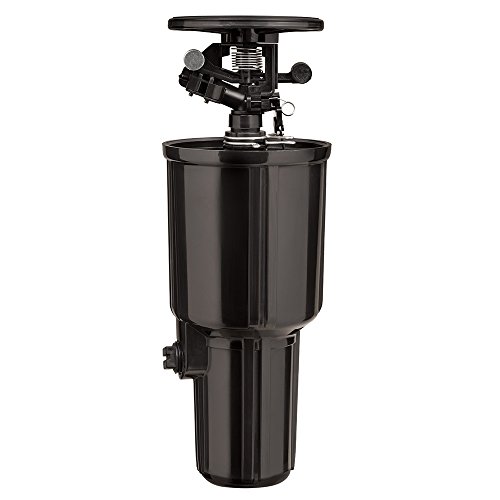
For watering areas with up to 35 feet of spacing between sprinkler heads; 3-inch pop-up riser height ensures that the nozzle clears medium grass
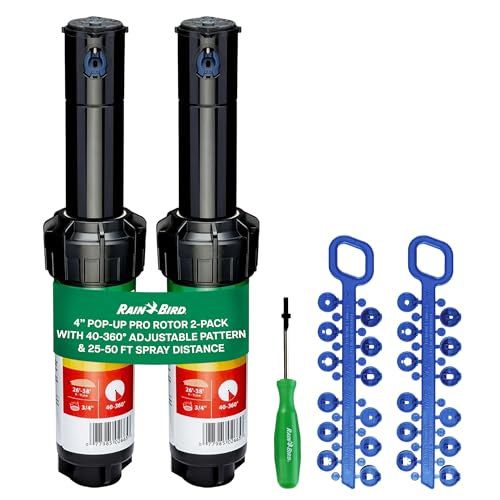
All-In-One Rotor Service Bundle - Rain Bird 5000 rotor 2-pack with Rain Curtain nozzles (8 low-angle, 8 standard-angle) plus CPRTOOL. 40–360° adjustable arc, 25–50 ft spray, supports even coverage and fast adjustments without digging.
Maintenance & Quick Fixes to Extend Sprinkler Head Longevity
Consistency in routine care keeps sprinkler heads performing efficiently for years. You’ll want to inspect each head monthly for dirt, grass, or debris that cause uneven watering, then deep‑clean filters and heads twice a year—late spring and fall. Soak clogged units in warm water with rust remover for 30‑60 minutes, scrub with a toothbrush, and rinse under running water. Adjust spray direction by rotating the head counter‑clockwise while the system runs, marking positions with a grease pencil for repeatability. Clear surrounding mulch, trim overgrown grass, and replace worn seals promptly. Apply a CLR‑water mix to mineral deposits, rinse, then coat moving parts with WD‑40. Follow winterizing recommendations, and flushing lines, and program the controller seasonally to keep pressure stable, thereby maximizing sprinkler efficiency and extending lifespan. To safely relieve pressure before adjustments, turn off the main valve and use a pressure‑relief valve to let excess water out gradually. Regularly check for corroded seals to prevent leaks before they become severe. A worn nozzle can cause stringing spray that reduces coverage and wastes water.
When Should You Replace a Sprinkler Head, and How Do You Do It?
After you’ve established a regular cleaning routine, the next step is to recognize when a head has outlived its service life and needs replacement. Look for springs that no longer retract, rusted or bent bodies, or persistent leaks from the riser—these physical signs betray weakening seals and internal springs. Uneven watering, puddles, or “swampy” patches signal performance loss, while a head that won’t pop up after mowing marks the end of its useful life. When any of these appear, shut off the zone, dig out the faulty head, and match a new model to the original specifications or upgrade the whole zone for uniform aesthetic appeal. Consider cost implications: replacing a whole zone at once can reduce labor and future leak repairs, while selective swaps keep expenses low and conserve water. Install the new head at the correct height, tighten the riser, and test for proper spray before restoring pressure. Improper tools can cause the head’s brittle plastic housing to crack, leading to costly damage. High pressure can also accelerate wear and cause premature failure. Understanding sprinkler head compatibility ensures the new component works seamlessly with existing tubing and controllers.

What you will get: you will receive 10 pieces variable arc nozzles, enough for your replacements or share with friends and neighbors.
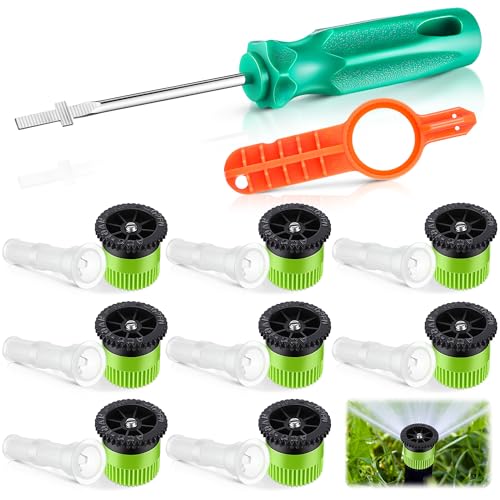
Sprinkler Tool Set: you will receive 8 green variable arc nozzles, 8 nozzle filters, 1 Spray Head Rotor Adjustment Tool and 1 rotor adjustment tool screwdriver. The complete sprinkler tool set provides you with more precise adjustment distance and arc of the lawn sprinkler system
How Do Sprinkler Heads Compare to Valves, Pipes, and Controllers?
Three to five years is the typical service life of a sprinkler head, far shorter than the 8‑15 years you’ll get from a valve, the 25‑100 years possible for undisturbed pipe, or the 5‑20 years of a controller. You’ll notice heads wear faster because they face direct water pressure, sunlight, and moving parts; valves, pipes, and controllers endure less mechanical stress. When evaluating sprinkler head condition, check for clogging, gear wear, or misalignment—issues that rarely affect valves or buried pipes. Sprinkler head maintenance tips include regular cleaning, torque checks, and prompt replacement of cracked nozzles. Valves need yearly leak inspections, pipes require soil‑shift protection, and controllers demand seasonal programming updates. Prioritizing these practices keeps the system sustainable and minimizes costly whole‑system overhauls. Bi‑annual inspections help catch early signs of clogging or pressure loss before they become major issues. Uneven watering often signals a clogged or misaligned head that should be cleared promptly. Proper lubrication schedule extends head lifespan by reducing wear on moving parts.
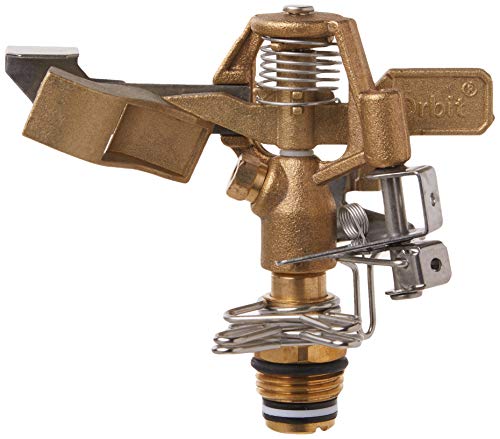
LARGE-AREA COVERAGE: Sprays up to 90 ft. in diameter, covering 6,360 sq. ft. when set to a full circle.

Adjustable Nozzle: with adjustable patterns from 0 to 360 degrees, slightly twist the textured center collar, you can increase or decrease the pattern; Ideally, for example, at a pressure of 2.1 bar, the maximum spraying radius of a 10van nozzle is about 6.9ft/ 3meters, the maximum spraying radius of a 12van nozzle is about 9.8ft/ 3.7m, the spraying radius of a 15van nozzle is about 14.7ft/ 4.6m, and the spraying radius of a 17van nozzle is about 15.4ft/ 5.2m
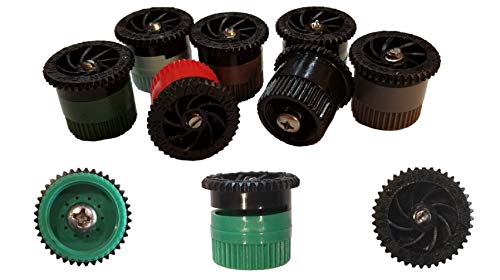
Spray nozzle with adjustable 0 to 360° pattern; spray distance from 2.9' -18.7'