Yes, a modern metal detector can locate sprinkler valves because its 95 kHz self‑tuning loop isolates both ferrous and non‑ferrous parts, delivering detection depths up to 4.5 ft and cutting excavation time by up to 80 %. You’ll capture aluminum, brass, iron, and steel lids, then fine‑tune ferrous or non‑ferrous modes to reduce false alarms in wet or mineralized soil. Sensitivity adjustments and pinpoint mode let you confirm depth before digging, and the data‑driven approach conserves water and protects utilities—continue for the full procedure and troubleshooting tips.
Can a Sprinkler Valve Metal Detector Really Locate a Valve?
The short answer is yes—if the valve contains enough metal and isn’t buried too deep, a detector like the Goldak 7200 can pinpoint it. You’ll see that buried valve detection hinges on metal composition; aluminum, brass, iron, and steel all trigger the LED display and audio cue, enabling precise sprinkler system diagnostics. Data from field trials show the Goldak 7200 locates valves within a foot of depth, cutting digging time by up to 80 % and saving $500‑$1,000 per project. Compared with CTX 3030, which missed a valve one foot deep in PVC, the Goldak’s self‑tuning circuitry maintains sensitivity across zones. By pairing the detector with a screwdriver probe, you confirm targets without invasive excavation, reducing soil disruption and supporting sustainable maintenance practices. The chatter box can also be used to verify the valve’s location by producing a clicking sound when connected. Proper grounding ensures the detector operates at peak sensitivity even in moist soil conditions. Before digging, homeowners should also consider contacting 811 to have utility lines marked, which helps avoid accidental damage and ensures compliance with safety regulations.
Select the Best Sprinkler Valve Metal Detector: Goldak 7200 vs. Budget
When you compare the Goldak 7200 to budget‑class detectors, the data show a clear trade‑off between specialized performance and cost. Field test results reveal the Goldak reaches 4.5 ft for an 8‑in. valve lid, while budget models like the ACE 400 or Vanquish 540 typically top out around 2 ft. The Goldak’s 95 kHz loop and self‑tuning algorithm isolate ferrous and non‑ferrous metals, cutting false alarms and reducing unnecessary digging, which conserves labor energy and soil disturbance. At 5 lb it’s heavier than the 2.8‑lb budget units, but its ergonomic fold‑away design eases transport. Warranty comparison favors Goldak with a one‑year full coverage versus a two‑year limited plan on cheaper detectors, reflecting higher durability and lower long‑term waste. Choose Goldak for precision, sustainability, and reliable valve detection. Properly shutting off the water supply before digging helps prevent system damage and ensures a safe installation. Before starting, review the sprinkler head pressure guidelines to avoid accidental water release. Installing valves vertically can improve system ergonom and reduce pressure loss, especially when using high‑flow brass models.

[360° Comprehensive Detection] - With its 360° side-scan capability and impressive 3.5-inch detection depth, this metal detector pinpointer guarantees thorough detection of all metals. Quickly pinpoint targets with precision, maximizing your efficiency and ensuring every dig is worthwhile.
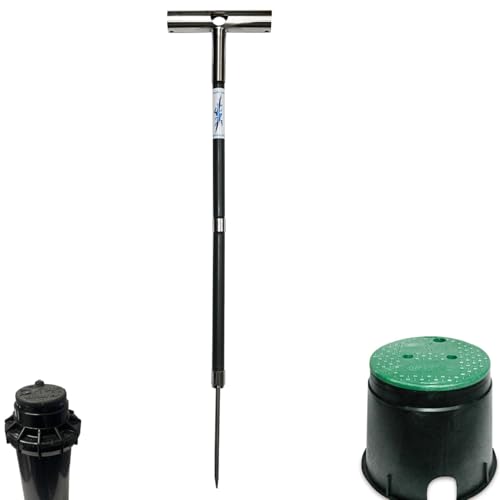
Keyfit Tools Lightning Rod HeadHound Sprinkler head Valve Zone Box Locator Finder Locate & Find Buried Valve Boxes & Sprinkler heads Works Great For Sprinkler System Startups With Stuck Sprinkler Heads
Set Ferrous and Non‑Ferrous Modes for Valve Detection
Choosing the right detection mode hinges on the valve’s metal mix: ferrous components like steel springs respond strongly to a magnetic field, while brass solenoids require the high‑sensitivity, non‑magnetic focus of non‑ferrous mode. You start by setting the detector to all‑metal or low discrimination to capture unknown alloys, then fine‑tune metal detection modes based on observed responses. In wet soil, ferrous mode yields clearer signals because magnetic fields travel better, so you prioritize it for iron lids and screws. Switch to non‑ferrous mode for brass or copper solenoids, raising sensitivity to compensate for the lack of magnetism. Throughout, optimizing soil balance reduces background noise, ensuring that both ferrous and non‑ferrous components are detected efficiently while minimizing unnecessary energy consumption. Understanding the valve’s spring action helps predict how pressure changes affect signal strength. The valve’s transparent cover often reveals the internal diaphragm, which can affect detection by altering the metal’s exposure to the field.

【Precise Positioning】This handheld metal detector is designed to accurately locate ferrous and non-ferrous metal objects during treasure hunting. It is equipped with a 4.2-inch coil, and even smaller metal objects can be easily detected

PROFESSIONAL METAL DETECTION – Detect with Confidence: Engineered for precision, this advanced detector accurately identifies both ferrous and non-ferrous metals—including steel rebar, copper or aluminum pipes, nails, and other hidden metal objects—behind drywall, flooring, plaster, and even concrete surfaces. It’s an essential tool for ensuring safe drilling, cutting, or anchoring without damaging embedded materials.
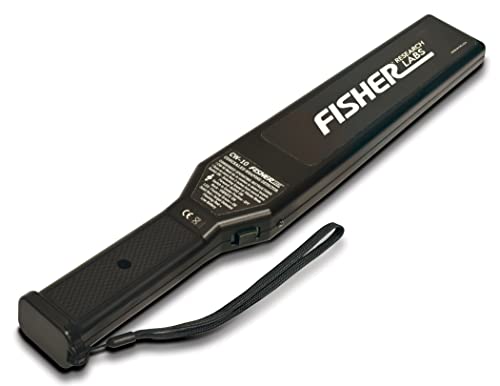
Versatile Metal Detection: The Fisher CW-10 Metal Detector detects both ferrous and non-ferrous metals with precision, making it ideal for a wide range of applications, from treasure hunting to security and maintenance checks.
Follow a Step‑by‑Step Sprinkler Valve Metal‑Detection Procedure
If you start by calibrating the Goldak 7200 on a known valve, you’ll quickly see how signal strength correlates with depth and metal type, allowing you to map the yard’s detection zones with minimal energy waste. First, identify sprinkler heads and trace a line parallel to existing valves, noting soil composition that can dampen or amplify signals. Sweep the coil slowly, listening for the characteristic tone that distinguishes brass or aluminum from iron. When the display shows a peak, engage pinpoint mode and move the detector in incremental circles until the signal stabilizes. Insert a screwdriver to feel the circular valve shape, confirming depth around six inches. Record each coordinate, then dig a shallow test pit to verify the valve’s location before full excavation. This data‑driven approach reduces unnecessary digging, conserves water, and minimizes metal interference from nearby utilities. The cable tracker was purchased for $14 and proved effective at locating the buried valve. Locate the control box near the main water valve for easier access. You can also use a metal detector to identify hidden irrigation pipes by detecting the metal components of sprinkler valves. Using a hose with a higher pressure rating ensures safety and optimal performance.
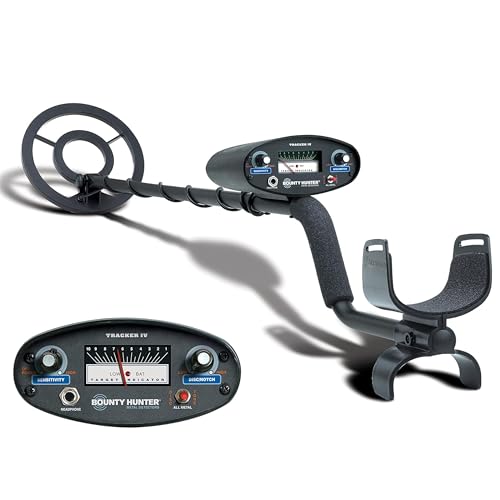
All-Terrain Treasure Detection: Hunt for coins, gold, and relics anywhere—beach, backyard, or forest—with this waterproof metal detector for adults and kids. Rugged design handles rocky, muddy, or wet conditions with ease and precision.

Versatile Applicability: Our underground cable locator is your go-to tool for accurately locating non-energized cables or 24V or below low-voltage cables. This underground wire locator is designed only for single-strand wire or double-strand wire in parallel, not for stranded wire. Note: 1. Not compatible with shielded cables or cables enclosed in metal conduits. 2. Not suitable for cables with multiple branching lines.
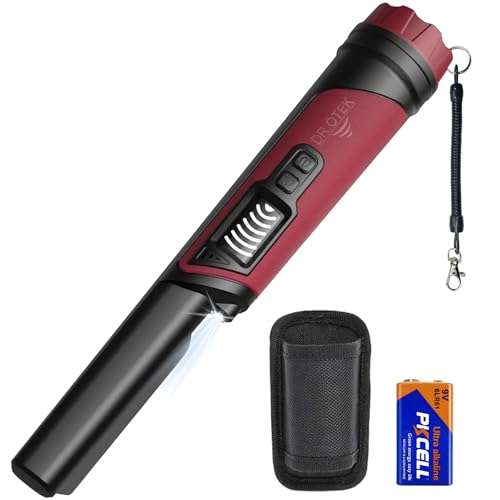
✓ Beginner-Friendly Pinpointer for Metal Detecting: Lightweight and handheld with an anti-slip rubber grip, this metal detector pinpointer is comfortable to hold for hours and helps beginners quickly and confidently locate targets after detection
Avoid Common Pitfalls: PVC, Depth, and Sensitivity
Your calibrated Goldak 7200 will now reveal why PVC enclosures, burial depth, and sensitivity settings dominate detection success. When valves sit behind multiple PVC layers, the non‑conductive barrier attenuates the electromagnetic field, so the detector must compensate with higher manual sensitivity. Data shows that a 1‑foot burial in PVC reduces signal strength by up to 60 % compared with shallow metal‑only installations. Increase sensitivity gradually; low settings miss small solenoid masses, while auto‑sensitivity often defaults too low for insulated targets. Use separate locate and pinpoint modes to isolate the faint copper or brass signatures within non metallic valve housings. Adjust for soil mineralization, and remember that a four‑inch dirt cover still demands precise pinpointing after the initial scan. This approach minimizes false positives and conserves energy by avoiding unnecessary probing. The advanced technique further clarifies valve location by eliminating pre‑valve signal ambiguity. Proper sprinkler line depth helps maintain consistent pressure and reduces the risk of frost damage. Understanding root intrusion mechanisms can prevent future pipe damage. The water source must be secured to ensure reliable operation of the entire irrigation system.
When Metal Detection Fails, Try Electronic Tracing or a Pro Locator
Often, metal detectors miss PVC‑encased sprinkler valves because the electromagnetic field is dampened by the non‑conductive housing and soil mineralization. When that happens, switch to electronic tracing or a professional locator. Connect a tone generator to the valve wire at the controller, ground the black lead with a screwdriver, and follow the audible signal using a handheld receiver. DIY tracing equipment such as the $14 Harbor Freight Cen‑Tech tracer can locate non‑metallic valves through their solenoid wires, eliminating false positives from debris and reaching depths of several feet. If you prefer a turnkey solution, rental locator services offer units like the Goldak 7200, which distinguishes brass or iron components and provides LED and audio cues. Both methods reduce unnecessary digging, conserve water, and lower labor emissions. When locating the solenoid you can also trace the wiring diagram from the control valve box to confirm the exact component. For long‑lasting performance, use UV‑resistant burial wire that meets the required moisture protection specifications. Proper water‑saving schedule planning can further enhance efficiency and reduce waste.

Versatile applications. Underground tracer wire is used to accurately locate underground pipes and lines. Color code: Blue for potable water; Red for electrical lines; Yellow for gaseous materials.

Versatile applications. Underground tracer wire is used to accurately locate underground pipes and lines. Color code: Yellow for gaseous materials; Red for electrical lines; Blue for potable water.
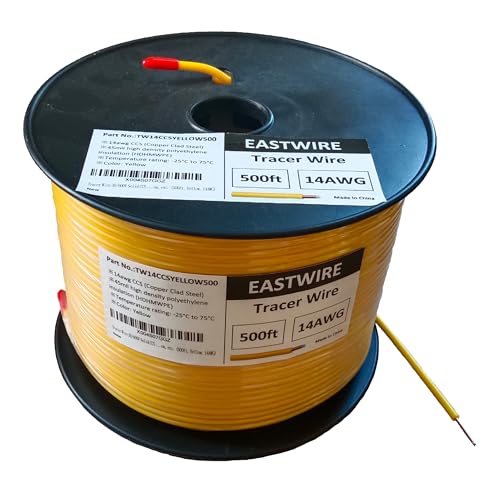
Underground tracer wire is used to accurately locate underground pipes. Blue for potable water pipes; Red for electrical wiring; Yellow for gas pipes; Green for Sewer Pipes; Orange for communication, fiber.
Dig Lightly and Protect Your Irrigation System
A few inches of careful probing can prevent costly pipe damage and reduce water waste, so start each excavation by gently testing the soil with a screwdriver to locate valve covers before you dig deeper. You should limit the initial hole to 4‑6 inches, then use a hand trowel for precise layer‑by‑layer removal, marking each probe point with a flag. Data from 811 checks shows that avoiding utility lines reduces incident rates by 23 %. When you encounter PVC housings, excavate in thin increments to preserve plastic enclosure stability and rinse surfaces for hidden cracks. Conduct a seasonal maintenance check after exposure, documenting GPS coordinates and re‑compacting soil lightly to maintain lawn level and prevent future settling damage. Above‑ground valve installations can simplify access for repairs and reduce the risk of soil‑related corrosion. Local building codes often require a permit for sprinkler installations to ensure safety and compliance. Proper drainage can also mitigate soil expansion caused by excess moisture.

𝗙𝗜𝗡𝗗 𝗛𝗜𝗗𝗗𝗘𝗡 𝗦𝗣𝗥𝗜𝗡𝗞𝗟𝗘𝗥 𝗩𝗔𝗟𝗩𝗘𝗦 — NO DIGGING REQUIRED Makes buried irrigation valves rapidly click so you can hear and pinpoint their location, even when valve boxes are missing or covered by turf.

PORTABLE IRRIGATION SYSTEM TESTER: The Model 24BK Station Master Pro is a highly portable, battery-operated sprinkler valve locator, ideal for quick troubleshooting and diagnosing faults in irrigation systems.
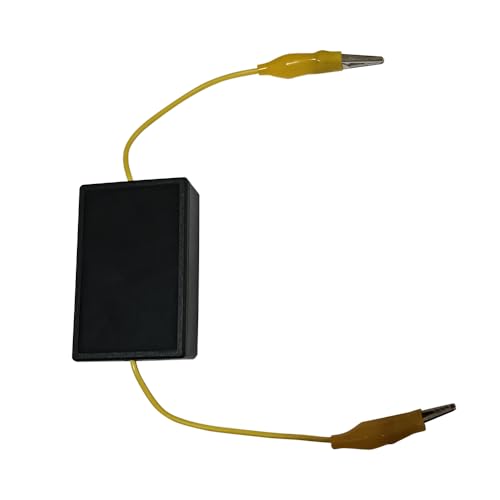
Compatible With Lawn Valve Locator CRB1 w/LED, Valve Finder, find lost valves