You must call 811 to mark public utilities, but it won’t locate your private sprinkler pipes. 811 will flag any public irrigation lines in purple, showing where the non‑potable system runs, and you’ll need to keep at least 24 inches away from those marks. After the ticket is issued, hire a private locator to scan for and mark any hidden sprinkler lines before you dig. This protects your system and avoids costly damage—continue for the full checklist and tips.
Do I Need to Call 811 for Sprinkler Lines?
Most homeowners think calling 811 covers everything underground, but sprinkler lines are a private irrigation system and aren’t included in the 811 service. You must still call 811 for public utilities, then hire a private locator for your sprinkler network. Before you start any digging, schedule the 811 call at least three working days ahead; the response will mark gas, water, electric, and telecom lines with colored paint or flags. For DIY sprinkler repairs and seasonal sprinkler maintenance, arrange a separate locate to avoid striking hidden irrigation pipes. Ignoring this step can cause costly damage, void warranties, and lead to fines. Treat the private locator as a safety checklist item, just like the 811 call for public lines. Local building codes often require a permit for any new irrigation installation, so verify with your municipality before proceeding. Using a metal detector can help you spot underground sprinkler lines without extensive digging. A metal detector can also identify sprinkler head casings by detecting the metal components in the head assembly.

𝗙𝗜𝗡𝗗 𝗛𝗜𝗗𝗗𝗘𝗡 𝗦𝗣𝗥𝗜𝗡𝗞𝗟𝗘𝗥 𝗩𝗔𝗟𝗩𝗘𝗦 — NO DIGGING REQUIRED Makes buried irrigation valves rapidly click...
How Does 811 Public Marking Work for Sprinkler Lines?
When you request a 811 public marking, the utility companies first receive your dig notification and then send locators to paint or flag the exact paths of their underground lines. For sprinkler installations, locators will either paint a single point, draw a solid or dashed line, or outline a large area with corner brackets, depending on the scope of work. Expect the marks to appear within two business days; JEA typically finishes in three to four days. The paint and flags indicate the approximate location, so you must dig no closer than 24 inches to the marked line. Remember, 811 only covers public utilities, so you’ll need private line verification for any non‑public irrigation pipes. This process guarantees thorough utility mark coverage and helps you avoid accidental strikes, service interruptions, and costly fines. Pre‑marking should be completed for all planned excavation zones before contacting 811. Proper pressure regulation ensures that sprinkler heads receive consistent water flow, preventing damage to both the irrigation system and nearby utilities. Understanding municipal water supply is essential for matching pressure requirements to your sprinkler system. The control box is typically housed in a metal or plastic enclosure near the main water valve.
What Color Codes Identify 811‑Registered Irrigation Lines?
One key thing to know is that irrigation lines registered with 811 are marked in purple. The APWA uniform color code designates purple for reclaimed water, irrigation, and slurry lines, so you’ll see purple line markings wherever a non‑potable irrigation system runs. When a utility crew arrives, they spray‑paint or flag the trench with purple tags to signal that the pipe carries water not intended for drinking. This visual cue distinguishes irrigation from blue potable water and from red, yellow, orange, or green utility lines. If you’re planning a dig, look for these purple markers to avoid damaging the system and to stay compliant with local excavation regulations. Properly installed backflow preventers protect the potable water supply by stopping contaminated water from flowing backward. Backflow preventers are required when a garden hose is connected to a non‑potable source, ensuring that contaminated water cannot re‑enter the household plumbing. The backflow device is typically installed near the water main or at the connection point to the irrigation line.
How to Verify Private Sprinkler Lines After Your 811 Call?
Purple markers tell you where public irrigation lines lie, but they don’t cover any sprinkler pipe that runs from the meter into your yard. After you receive a clear 811 ticket, start a sprinkler system inspection by walking the property. Identify heads, valves, pumps, or any equipment that hints at underground lines. Locate the meter to mark the demarcation point, then note fences, gates, or landscaping that could hide private irrigation. Review the 811 ticket to confirm every public utility responded and that no pending marks exist. Cross‑reference the paint marks with any private underground utility mapping you have. If gaps appear, hand‑dig or use a ground‑penetrating radar near the suspected area, keeping a 25‑inch safety buffer, and document every finding before you dig. Garden hose diameters affect flow rate and pressure compatibility for residential irrigation systems. Choosing the correct thread size ensures that your hose connectors and sprinkler heads fit securely and operate efficiently.
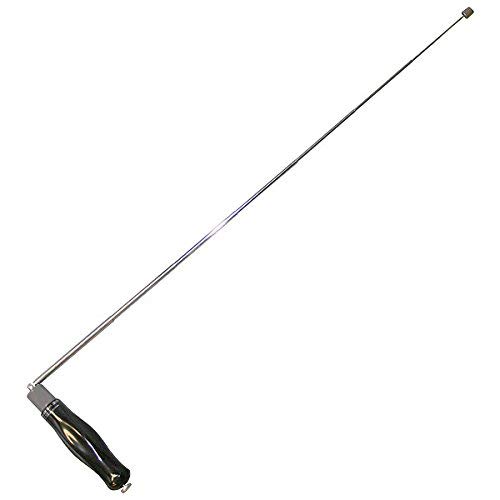
PIPES IT CAN DETECT: Iron, Steel, Ceramic, Transit, Asbestos Cement & Plastic Pipe (PVC) with or without magnetic tracers

【Accurate Tracking】Locate and trace buried and hidden wires quickly and efficiently. The underground wire locator helps identify cable direction and position, ideal for tracking underground sprinkler wires, invisible fence wires, buried wall cables, and communication lines. Avoid blind digging and save landscaping repair cost.

ACCURATE WIRE LOCATION: Quickly and accurately locates buried wires, irrigation valves, and faults in a buried cable. Precisely follows the path of buried wires with the 521E underground wire locator.
When Should I Hire a Private Locator for 811 Projects?
Typically you’ll want to bring in a private locator as soon as you have your 811 ticket and before any excavation begins. At that point you can start verifying private utility mapping and avoid costly surprises. Schedule the locator three to five business days before digging, giving them time for an extensive site review and to mark all non‑public lines—irrigation, sprinklers, private water or gas pipes, and any hidden conduit between structures. Provide the address, site plans, and photos so they can use ground‑penetrating radar or concrete scanning to locate what 811 missed. By acting early you protect yourself from injuries, property damage, and service interruptions, while keeping your project on schedule and budget. Properly shielding sprinkler valves prevents damage from weather, debris, and accidental impact during excavation.
What Common 811 Mistakes Homeowners Make With Sprinkler Lines?
After you’ve scheduled a private locator, many homeowners still trip up on the same easy mistakes that cause expensive sprinkler damage. First, you might assume the 811 call will mark your sprinkler lines, but 811 only flags public utilities; your irrigation system is a private utility, so you must hire a private locator afterward. Second, don’t skip 811 for small projects—shallow digs can still hit buried sprinkler pipes, and the buried utilities risk remains high. Third, avoid rushing the dig without waiting the required two‑day verification period; impatience often leads to unmarked strikes and costly leaks. Finally, remember your responsibility includes confirming all markings, public and private, before you break ground. Also, a faulty valve can prevent a zone from activating even when the line is correctly marked. Leaks can also result from pressure buildup when the system is shut off. Regularly inspecting worn seals can catch early signs of valve leakage before they cause major system failures.
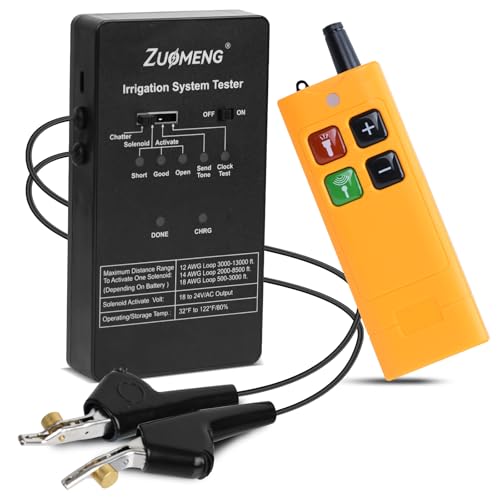
Fast and Accurate Irrigation System Diagnostics: Quickly locate and troubleshoot underground sprinkler system issues with built-in solenoid activation and wire identification functions. Bright LED indicators clearly display voltage, solenoid status, and battery level, reducing repeated testing and improving overall efficiency

【Precise Pinpoint Location with T-Shaped Probe】 This underground wire locator adopts a professional T-shaped induction probe — when the probe sits directly above the cable at a 90° angle, you get the strongest signal and loudest buzzer alert, so you can accurately judge the exact path and position of hidden wires. It reaches up to 1000ft in length and 3ft in depth in soil, and 1-2ft inside PVC/steel conduits; adjustable sensitivity lets you narrow the detection range for higher accuracy.Note: For non-live wires only; do not connect to live circuits to avoid device damage.
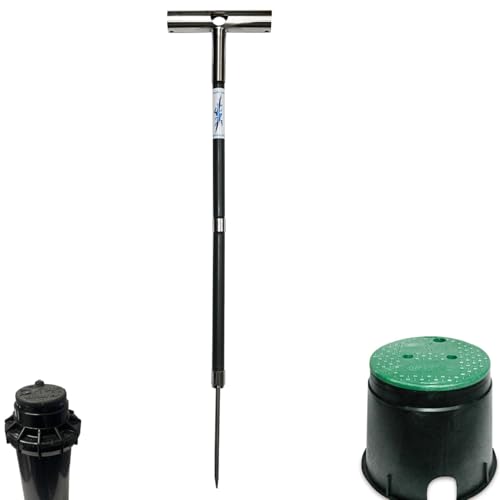
Keyfit Tools Lightning Rod HeadHound Sprinkler head Valve Zone Box Locator Finder Locate & Find Buried Valve Boxes & Sprinkler heads Works Great For Sprinkler System Startups With Stuck Sprinkler Heads
What’s the Final 811 Checklist for Safe Digging?
When you’re ready to break ground, follow this concise 811 checklist to keep your dig safe and compliant. First, call the local 811 center 2‑3 business days ahead, get a ticket, and post the number where everyone can see it. Mark the excavation area with white paint or flags, then review all plans for buried utilities. Walk the site, noting transformers, water valves, and any private lines like sprinkler pipes. Verify all marks use correct color codes; if anything’s missing, call 811 again. Use hand tools or a vacuum within 24 inches of marks, digging a two‑foot offset and exposing each utility’s exact depth. Apply proper trench shoring, then backfilling safely after exposure, and finish with fencing, signs, and an evacuation plan. Confirm that all utilities have responded to the locate ticket before beginning any excavation. Ensure that any buried sprinkler wire is UV‑resistant to maintain performance over time. Thermostat wire can safely supply low‑voltage irrigation controllers when it meets the required amperage and insulation standards. Properly splice sprinkler wire using waterproof connectors to prevent moisture intrusion.