Flex Tape can seal a low‑pressure PVC sprinkler line if you clean the pipe, sand it lightly, and apply the tape with at least a two‑inch overlap on each side, but it’s only a temporary fix. The rubber‑based adhesive holds up under 10 psi, so it works for drip‑irrigation hoses and modest supply lines. It won’t survive high‑psi spikes, fluctuating pressure, or long‑term exposure to heat and humidity. If you follow proper surface prep and pressure control, you’ll see how pressure affects seal longevity and when a professional coupling is the better choice.
What Sprinkler Pipe Leaks Look Like and Why They H
You’ll notice a leak the moment the lawn stays soggy after a dry spell or the water bill spikes without any change in watering habits. Examine underground soil moisture patterns: persistent wet spots, muddy pools, or darker grass patches pinpoint where water is escaping. Undetected slow leaks often hide beneath the surface, feeding the soil continuously while the sprinkler heads appear normal. Cracked pipes, misaligned emitters, or broken seals produce hissing or erratic spray, yet the system may still run, masking the loss. Low pressure at heads, trickling after shutdown, or reduced spray distance signals a breach in lateral lines. Track utility bills for abnormal spikes, and correlate them with soggy zones to confirm a hidden leak before damage escalates. Faulty valves can cause water to drip even when the system is turned off, especially if the valve seals are worn or the spring mechanism is faulty. Pressure buildup can also force water through tiny cracks, leading to leaks that persist after shutdown. A valve that closes too quickly can generate a water hammer surge, amplifying the stress on pipe joints and seals. Regularly inspect for clogged nozzles to maintain optimal flow and prevent pressure loss.
When a Flex Tape Quick‑Fix Is the Right Choice?
If you need a fast, low‑effort seal on a low‑pressure irrigation line, a Flex Tape quick‑fix can be the right choice. You spot a pin‑hole or cracked joint with basic leak detection techniques—visual inspection, pressure drop test, or a simple water‑flow check—and you confirm the line runs under 10 psi. Apply the tape to a clean, dry or wet PVC surface; the adhesive bonds instantly, stopping drips without tools. This method works well for drip‑irrigation hoses and garden‑sprinkler supply lines where the pressure stays low, and it adds a barrier that can aid freeze damage prevention by sealing micro‑cracks before ice expands. Remember, the fix is temporary; replace the section promptly to avoid future failures. Joe B demonstrated the technique on three removed drip‑irrigation lines, confirming its effectiveness. The tape’s rubber‑based adhesive struggles with flexible, high‑pressure hoses, making it unsuitable for those applications. Using a pressure regulator can further protect low‑pressure lines from sudden spikes that might otherwise cause leaks.
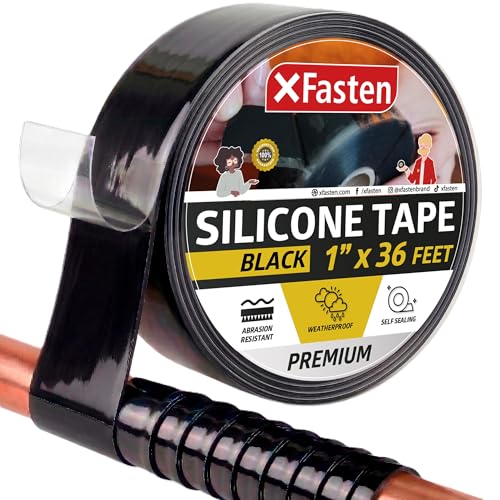
Self-fusing Silicone Tape that does not melt up to 260°C (500°F) making it ideal for emergency repairs for automotive, plumbing, marine, hose, electrical, indoor and outdoor applications.

✅Black silicone tape,1 inch wide and 15 feet long, weather resistant/high temperature resistant/chemical resistant self fusing tape, stronger than other silicone tapes;

SIZE: Teflon tape roll has a width of 1/2 inch and a length of 520 inches, which can be used multiple times.
Preparing the PVC Surface for a Reliable Tape Seal
A clean, dry PVC surface is the foundation for a reliable Flex Tape seal, so start by inspecting the pipe for stains, loose material, or moisture and remove any defects before you begin. First, remove loose flakes with a soft brush, then wipe the area with a 50‑70 % IPA cleaning process solution to dissolve grease and dust. Let the surface air‑dry completely; any residual moisture will weaken bond strength. If the PVC appears glossy, lightly abrade with fine‑grit sandpaper to increase mechanical grip—avoid aggressive profiling, as Flex Tape adheres best to smooth, clean substrates. Finally, verify temperature is above 60 °F (15 °C) and humidity is low before proceeding to tape application. These surface preparation techniques guarantee a durable seal. A clogged nozzle can cause filament extrusion issues, but a proper cold pull can often clear the blockage.

Bring old sandpaper and used sanding discs back to life with the WEN Sandpaper Cleaning Stick

NON-SLIP SURFACE RENEW: Features a textured PVC sandpaper surface that provides superior grip and traction, preventing slipping during calf stretches and balance exercises. Fit Slant Board for Calf-Stretching, Wooden Incline Wedge Stretcher, Balance Block.

NON-SLIP SURFACE RENEW: Features a textured PVC sandpaper surface that provides superior grip and traction, preventing slipping during calf stretches and balance exercises. Fit Slant Board for Calf-Stretching, Wooden Incline Wedge Stretcher, Balance Block.
Step‑by‑Step: Applying Flex Tape to a Sprinkler Line
After the PVC is clean, dry, and lightly sanded, cut a piece of Flex Tape that exceeds the damaged section by at least two inches on each side, then round the corners to reduce lift. Peel off the transparent backing, then press the tape onto the pipe, starting at the center and moving outward with a squeegee or credit card. Hold firm pressure for at least one minute, smoothing out any air bubbles or trapped water. For added strength, apply a second layer on the opposite side, overlapping the first and repeating the pressure routine. If you’re working in remote locations, protect the repair from UV light exposure by storing the pipe in shade until the adhesive cures fully. This method yields a reliable, temporary seal under normal sprinkler pressure. It is also important to inspect the valve for signs of water damage such as corrosion or water ingress to ensure the overall system remains functional. Proper shielding helps prevent weather damage to the repaired area. Regular inspection can catch early signs of rodent damage before they cause major failures.

Stays flexible and pliable

Includes two 3” x 4” squares
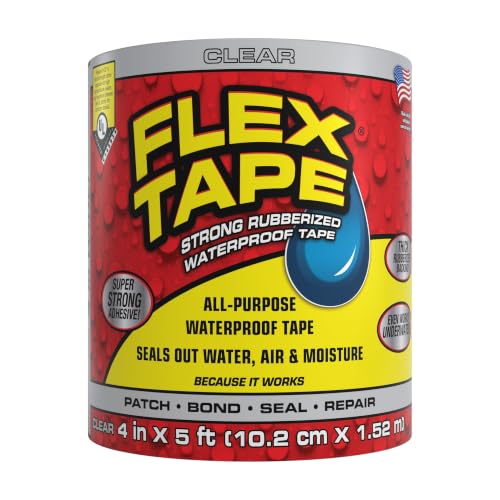
FLEX TAPE is a super strong, rubberized, waterproof tape that can patch, bond, seal and repair virtually everything!
How Water Pressure Impacts Tape‑Seal Longevity
When water pressure fluctuates, the forces acting on a Flex Tape seal change constantly, which directly influences how long the repair will hold. You must meet interface pressure requirements; otherwise the seal will slip or delaminate. High cyclic pressure creates pressure induced deformation, thinning the adhesive layer and weakening its bond. Proper surface preparation—clean, smooth, and dry—reduces stress concentrations that accelerate deformation. Apply the tape in a single, uninterrupted layer to avoid voids that act as pressure‑relief points. Test a small patch first to verify that the substrate can sustain the expected pressure range. Avoid exposing the seal to extreme heat, humidity, or chemicals, as these exacerbate material degradation and shorten service life. The flow rate of the system determines the maximum volume of water the seal must contain without failure. Selecting the correct nozzle type is essential for maintaining consistent pressure and preventing premature seal failure. Understanding nozzle sizing helps ensure the pressure stays within safe limits for the tape seal.
Real‑World Example: Multiple Tape‑Sealed Points in One System
In a typical sprinkler system, applying Flex Tape to several leak points dramatically multiplies the risk of failure because each seal must independently withstand the same 60 psi operating pressure. When you patch three joints with single‑layer tape, the laboratory test shows that any one seal will give way under normal sprinkler pressure, causing the entire line to leak again. Doubling the wrap at each spot stops the leak only while the line is depressurized; once you restore pressure, the seals still fail. This multi‑point approach forces you to repeat the same unreliable process, increasing labor and material waste. Instead, consider sustainable installation methods and extensive repair options—such as couplings, clamps, or professional welding—that provide a single, robust joint capable of handling the full system pressure without the compounded risk of multiple tape seals. Flex tape can only provide a temporary emergency repair. Regularly inspecting for worn seals can prevent these issues before they start. Understanding the spring‑loaded valve mechanism helps ensure proper pressure regulation. Proper irrigation systems often incorporate a built‑in pressure regulator to maintain consistent flow and protect components.
Temporary Tape vs. Professional PVC Coupling: Key Differences
A few key differences set temporary tape apart from a professional PVC coupling: tape provides a quick, hand‑applied seal that relies on adhesive strength and can be repositioned, while a coupling creates a permanent, solvent‑welded joint that fuses the pipe material itself. You’ll notice adhesion limitations with tape; its rubber or acrylic glue weakens under pressure and moisture, so it’s best for short‑term fixes. The PVC film carrier offers material advantages like heat resistance and flexibility, letting you wrap irregular shapes without wrinkling. In contrast, a coupling’s rigid polyvinyl chloride guarantees structural integrity without adhesives, delivering a solvent‑welded bond that outlasts tape’s tensile rigidity. Installation of tape needs no tools, whereas coupling requires primer, cement, and precise alignment, but the latter provides indefinite durability for permanent plumbing. Verify that the pipe meets Schedule 40 pressure specifications before selecting a repair method. Consider the hose’s flow rate to ensure the irrigation system can handle the water volume needed. Longer hose runs increase friction loss and can significantly reduce water pressure.

【DURABLE CONSTRUCTION】 Made from urable PVC that resist corrosion, cracking, and degradation. Built to withstand long-term use and harsh outdoor conditions

【Durable Male Couplings】: Includes 5 x 1/2” NPT male thread adapters. These connectors have male threads on both ends to join two female-threaded pipes or fittings. Made from high-quality PVC for high impact strength and a long service life.

Complete Package Includes: 2pcs 1" PVC repair kit and 2pcs 1" PVC pipe coupling for comprehensive plumbing solutions
Risks to Watch and Monitoring Tips After a Tape Repair
You should keep a close eye on the repair because tape fixes are inherently temporary and can quickly turn into larger problems. Inspect the joint daily for new drips, moisture rings, or weakening tape edges. Watch for pressure drops in the line; a sudden dip often signals a breach. Test water quality for off‑odors or discoloration, as Flex Seal can leach harmful chemicals. Record any changes, because homeowner liability rises if contamination spreads. Review your policy: insurance implications are severe—most carriers void coverage when non‑approved products like Flex Seal are used on pressurized plumbing. Schedule a professional inspection within a few weeks to confirm the temporary fix hasn’t compromised the system and to avoid denied claims. The plumber’s test showed the tape failed at low pressure, suggesting limited pressure tolerance. Properly sizing your pump according to the system’s required flow rate helps prevent excessive pressure that could exacerbate tape failures. Understanding nozzle dynamics can also guide you in selecting appropriate pressure‑reducing devices for future installations.
Bottom Line: Cost‑Benefit of Tape Repair vs. Full Pipe Replacement
When you weigh a tape fix against a full pipe swap, the immediate savings of a Flex Tape patch are clear—materials cost pennies, labor is limited to surface prep, and you avoid digging up the yard. For a single low‑pressure leak, you can apply a roll in minutes, staying well within tight budget constraints. However, tape’s long term durability is limited; it may fail after a season, forcing a repeat repair that doubles the total expense. Full pipe replacement costs more upfront—excavation, new PVC, fittings, professional labor—but delivers a pressure‑rated, permanent seal that endures seasonal shifts and eliminates recurring re‑repair fees. If leaks are frequent or extensive, the higher initial outlay yields lower lifetime cost and greater system reliability. The creator demonstrated that a 1‑inch strip of FiberFix could stop a sprinkler leak with just two layers.

FLEX TAPE is a super strong, rubberized, waterproof tape that can patch, bond, seal and repair virtually everything!

FLEX TAPE is a super strong, rubberized, waterproof tape that can patch, bond, seal and repair virtually everything!
THE FIX-IT-ALL TAPE: Most versatile tape for quick repairs; add to repair kit for indoor and outdoor fixes including home, plumbing, automobile, marine, sporting and recreational equipment and more