You’ll need to weld because NFPA 13 and most local codes require permanent, pressure‑rated joints that exceed the strength of base metal, eliminate crevice corrosion, and avoid extra mechanical fittings. Welded connections sustain 300‑1,000 psi, resist thermal cracking, and meet seismic bracing requirements, while documented weld procedures and NDT results satisfy inspection mandates. If you master flux‑cored arc, 90‑degree angles, and proper nozzle control, you’ll see how welding outperforms threaded or grooved options and why it remains the preferred skill.
Why Sprinkler Fitters Must Weld
Because fire‑sprinkler systems demand the highest reliability, you must weld when fitting them. Welding creates permanent bonds that exceed base‑material strength, ensuring joints hold under high pressure and reducing long‑term maintenance costs. You’ll need welding accreditation and meet training requirements that cover fire‑code compliance, safety protocols, and material‑specific techniques. Data show welded connections eliminate the need for extra mechanical fittings, cutting installation time in fabrication shops and supporting custom pipe arrangements. Skill‑based training guarantees you can cut, thread, and bond steel pipe while adhering to local, state, and national regulations. By mastering these certified processes, you deliver leak‑proof, robust sprinkler networks that meet stringent performance standards. The apprenticeship program typically begins three months after high school graduation. Proper installation also requires low‑voltage monitoring to integrate fire‑sprinkler systems with building alarm networks. The typical apprenticeship lasts four years, combining on‑the‑job training with classroom instruction. Understanding wiring diagrams helps ensure safe and efficient electrical connections throughout the system.

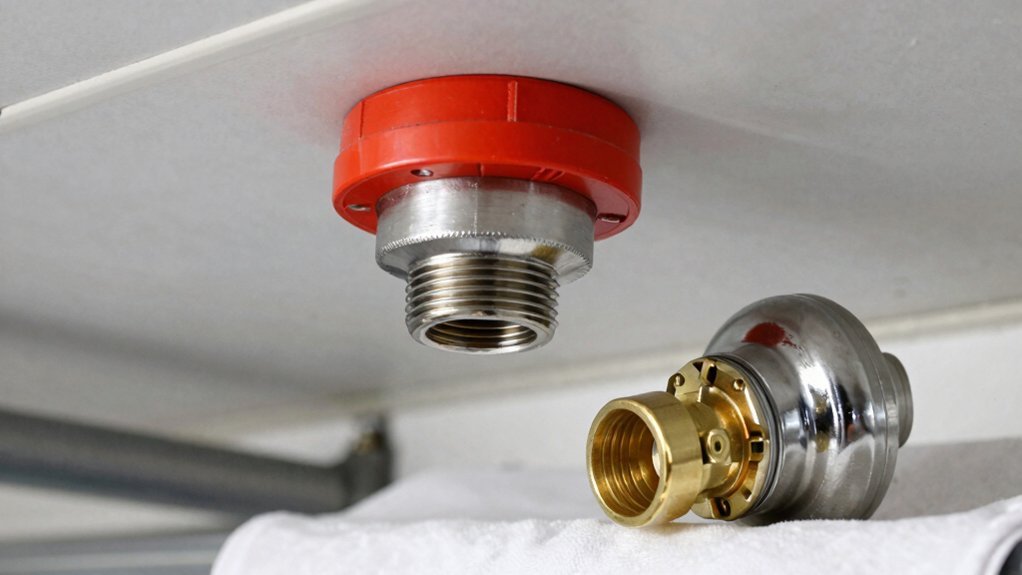
Compact Design: With dimensions of 1x1x8 inches, this rooftop sprinkler is compact and can fit in most spaces.

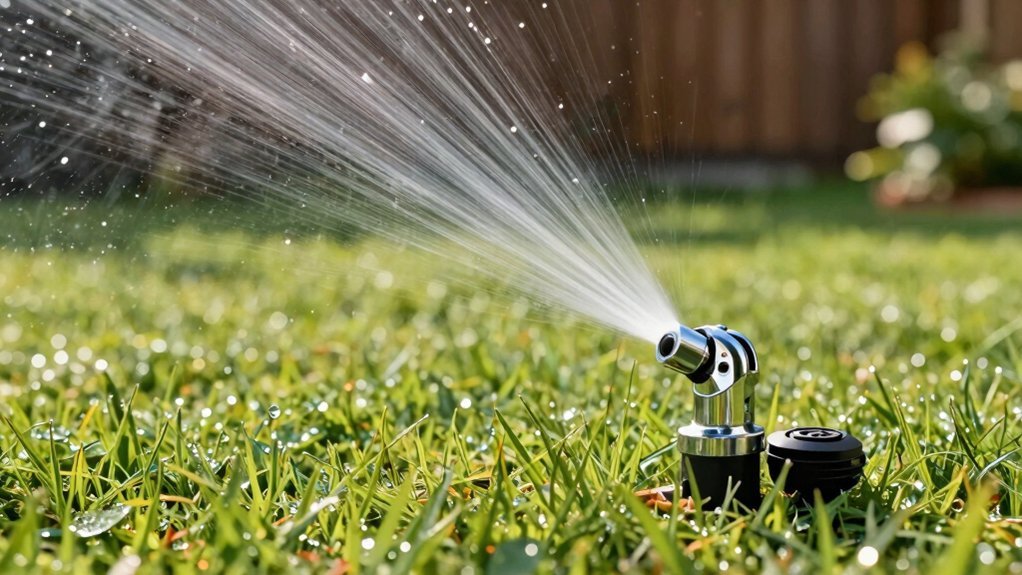
🛠️ EASY TO INSTALL – Features a standard 1-inch inlet connection for fast, tool-free setup with most residential water or irrigation systems.

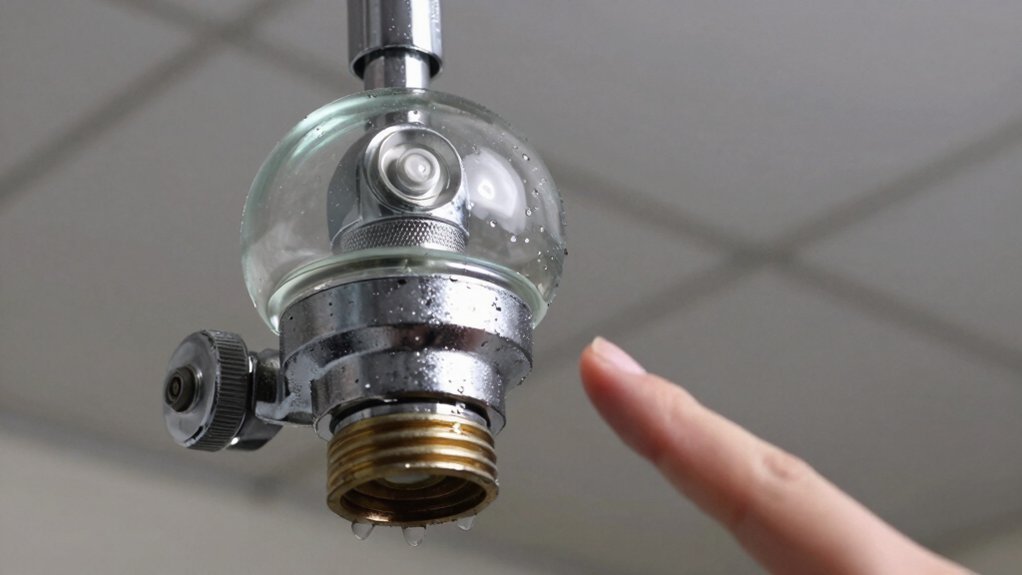
The Patented WASP Gutter Mount is made in North America and was developed for and is used by over 200 Fire Departments.
Understand Core Sprinkler Welding Techniques
You’ll find that mastering a handful of core welding techniques—flux‑cored arc fundamentals, drag‑based gun handling, and position‑specific bead placement—directly translates into measurable improvements in joint strength and installation efficiency for sprinkler systems. First, feed the continuous hollow wire and set polarity per the wire spec; the flux core supplies shielding gas, eliminating external gas and creating protective slag. Apply the drag rule (“if there’s slag, drag”) with a 90‑degree work angle for flat butt welds, adjusting travel angle to 5‑15°. For vertical down, weave side‑to‑side; for vertical up, drop 5‑15° and weave on thicker stock. Clean material, tack pieces, and maintain steady travel. After cooling, perform weld quality control and weld joint inspection to verify bead consistency, penetration depth, and slag removal. Use an auto‑darkening helmet to improve positioning and support while welding. Understanding the role of a nozzle in shaping fluid flow helps select the right welding approach for different sprinkler components. Selecting the appropriate material, such as stainless steel for corrosion resistance, is essential for long‑lasting sprinkler performance. The conversion of pressure energy to kinetic energy in a nozzle demonstrates Bernoulli’s principle in action.
When Sprinkler Welding Beats Threaded or Grooved Options
Mastering flux‑cored arc, drag‑based handling, and position‑specific bead placement gives you the quantitative edge needed when welding outperforms threaded or grooved connections. You’ll find that welded joints sustain 300–1,000+ PSI, exceeding grooved limits and making them ideal for high‑pressure steam or gas lines. In hygienic settings, smooth welds eliminate crevice corrosion, reducing bacterial buildup compared with gaskets. Permanent, rigid bonds resist loosening and thermal cracking, which threaded fittings cannot guarantee. When working with hybrid piping materials, supplement the primary weld with supplementary welding practices—such as post‑weld heat treatment—to boost corrosion resistance and meet schedule‑10 durability targets. Although labor costs rise, lifecycle maintenance drops, delivering a cost‑effective, leak‑free system for critical sprinkler installations. The maximum practical size of an ESFR sprinkler system is limited by water supply capacity, hydraulic calculations, and hazard classification. Understanding wet‑pipe configurations helps determine when a dry‑pipe system is necessary for freeze‑prone environments.
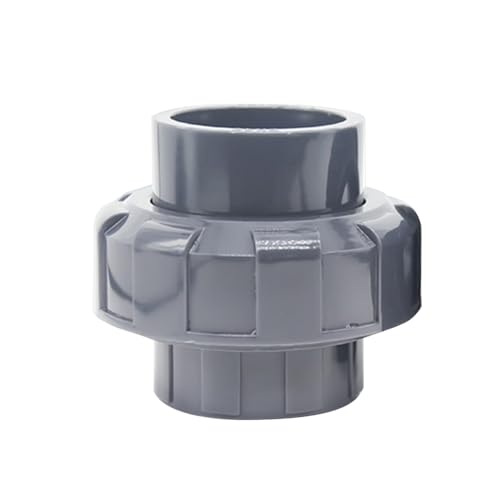
【Pressure Resistance】PVC union pipe fittings are made of thickened material to increase their performance, it can withstand a pressure of 1.6Mpa/232Psi, which is suitable for most of the industrial or domestic water pipes.

Use for any residential or commercial high-pressure water flow management needs; It is perfect for indoor plumbing, outdoor irrigation and sprinkler systems,

Wide Applications:The Female Weld on Bung Fitting suit for fuel tank, intercooler piping,sensor ports, drain lines,radiator, custom fluid reservoir, oil pan, or heat exchanger ect
How NFPA 13 and Local Codes Shape Welding Rules
When NFPA 13 and local jurisdictions intersect, they impose a clear hierarchy of welding requirements that dictate when, where, and how you can join sprinkler piping. NFPA 13 Chapter 6, section 6.5.2 mandates shop welding for Schedule 10 steel up to 300 psi, allowing field welding only when design calls for in‑place assembly and NFPA 51B criteria are met. AWS B2.1 and ASME Section qualify welders; local codes, such as Sonoma County’s waiver, eliminate inspections for pre‑manufactured pipe if certification paperwork is submitted. Seismic zones add bracing tabs welded per NFPA 51B, while weather restrictions ban welding under rain, snow, or high wind. New welding technologies must still satisfy the same welding documentation requirements, including material certificates and the NFPA 13 checklist, ensuring consistent compliance across jurisdictions. A proper vacuum head can be attached to a garden hose to create suction for cleaning debris. Permit requirements vary by municipality, so homeowners should verify local building codes before beginning any sprinkler installation. Maintaining a minimum clearance of 6 inches between sprinkler pipes and ductwork helps prevent heat transfer and condensation issues.
How to Document Sprinkler Welding for Code Compliance
NFPA 13 and local code hierarchies dictate exactly which welds must be recorded, so the next step is to capture those welds in a systematic, code‑compliant package. You begin by linking each weld to its as‑Built Drawing, noting pipe size, head location, and any revisions. Then you perform record reconciliation: cross‑check the welding documentation against the Welding Procedure Specification, Welder Qualifications, and Inspection Records. Log the date, technician name, joint preparation, parameters, and any NDT results in a tabular log. Attach certified welder cards and WPS approvals as appendices. Store the complete file in a centralized repository, indexed by project and date, to satisfy auditors, insurance reviewers, and local fire officials. Proper testing ensures system reliability and helps maintain compliance with fire protection standards. The wet‑pipe system’s constant water fill provides a rapid response that critical for effective fire suppression. Fire sprinklers significantly reduce property damage and improve occupant safety.
Analyze Cost‑Benefit of Sprinkler Welding vs. Prefabricated Fittings
If you compare the total cost of a welded sprinkler system to a prefabricated‑fitting solution, the numbers speak for themselves: prefabrication typically shaves $2,000‑$18,409 off material and labor expenses, while labor savings can reach 30‑45 % because skilled welders are replaced by faster press‑fit or Pyplok installations. In your cost benefit analysis, quantify material differences: CPVC pipe costs 24.3 % less than steel, and lighter Schedule 7 pipe trims material spend versus Schedule 40. Labor metrics show press‑fit installations cut labor from $23,832 to $2,992 for 394 fittings, delivering up to 37 % overall project savings. Prefab material selection also reduces onsite welding, limiting high‑rate labor and accelerating assembly. The data‑driven comparison demonstrates that prefabricated fittings deliver superior financial performance while maintaining reliability. Pop‑up sprinklers can further enhance water efficiency by automatically adjusting flow based on seasonal demand conditions. A pressure tank can also maintain consistent pressure and protect the system from water hammer. Sprinkler pricing guides homeowners on typical cost ranges for residential and commercial systems.
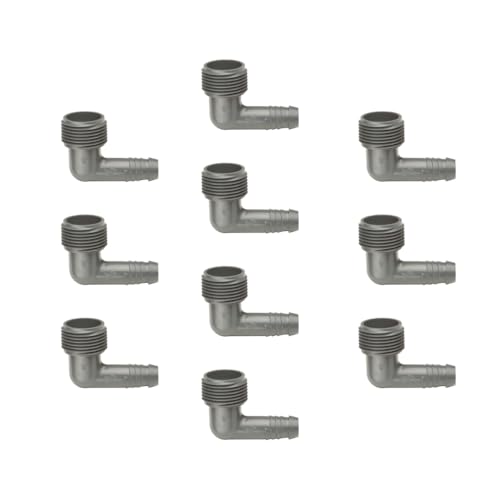
10-pack of spiral barbed elbow fitting for use with Rain Bird's EZ Pipe system

Kit contains twelve drip irrigation coupling fittings. Use these durable barbed 1/2 inch drip irrigation fittings to connect half inch drip irrigation tubing together to easily repair or extend your drip system.

Shrub Sprinkler Head Adapter Pack: This shrub adapter comes in a convenient pack of 10 so you will always have enough and can easily adapt any 1/2-inch riser. Each 1/2" female NPT x nozzle thread adapter easily connects a 1/2-inch sprinkler nozzle to a 1/2-inch head riser
Safety Protocols for Sprinkler Welding Near Active Heads
Because hot‑work near active sprinkler heads poses both fire and electrical hazards, you must follow a strict sequence of protective steps. First, secure sprinkler head access with a wet rag and maintain at least 18 inches clearance between the deflector and storage. Post a conspicuous danger sign and surround the zone with red DANGER tape to enforce the barrier. Verify welding procedure oversight: inspect the machine’s grounding, replace damaged cables, and guarantee electrode holders stay clear of personnel and tanks. Deploy non‑combustible screens that preserve airflow, and wear goggles if screens aren’t feasible. Limit portable controls to AC ≤ 120 V, and use respiratory protection when engineering controls fall short. Document each step in the hot‑work permit and pause work if the sprinkler system is offline. Red pipe coding is mandated by fire‑code standards to ensure quick identification of fire‑suppression components. A sprinkler will only activate when its thermal element reaches a temperature sufficient to melt the fusible link.
Outsourcing Welding: When It Makes Sense – Pros & Cons
After securing the work area and documenting hot‑work safeguards, the next logical step is evaluating whether to keep welding in‑house or outsource it. First, quantify cost savings: outsourced metal fabrication eliminates equipment purchases, reduces space overhead, and cuts recruiting, training, and retention expenses. Second, assess quality control: professional shops own industry‑standard tools and employ certified welders, delivering consistent results and faster installation. Third, weigh liability risks: external contractors assume insurance coverage, but you must verify their compliance records to avoid transfer of liability. Fourth, consider staffing flexibility: contractors supply skilled personnel on demand, handling HR and safety training, which simplifies management. Finally, match project complexity; highly controlled specifications or rapid response needs may still favor in‑house labor despite the financial advantages of outsourcing. Additionally, the high material cost of advanced sprinkler components can significantly impact overall project budgets.

PRE-CUT WELDING COUPONS: 2 x 4 in mild steel plates are sized for bead practice, TIG, MIG, stick, gas welding, and small fabrication work without cutting sheet stock.

COMPLETE PRACTICE SET: Includes 6 welding practice coupons, each 2" x 4" and 3 mm thick; compact mild steel plates form a convenient welding starter kit

APPLICABILITY:This product is only suitable for repairing copper, iron, stainless steel, etc. It cannot weld heavy objects as they are prone to falling off
Choosing Sprinkler Welding vs. Other Connections for Custom Layouts
When you design a custom sprinkler layout, the choice between welding and alternative connections hinges on three quantifiable factors: code compliance, material compatibility, and installation logistics. First, assess code compliance by comparing NFPA 13 weld inspection exemptions against local mandates; pre‑fabricated pipe can reduce onsite inspection time but requires certified documentation. Second, evaluate pipe material tradeoffs: steel tolerates welding, while CPVC demands soldering or threading to avoid degradation from heat‑sensitive sealants. Third, weigh installation logistics—welding near heads needs heat‑management protocols, whereas threaded or soldered joints simplify confined‑space work. Current Technological innovations disruption, such as high‑strength push‑fit couplings, narrows the gap between weld and non‑weld methods, allowing you to prioritize speed and safety without sacrificing compliance.

For making polyethylene pipe connections in sprinkler systems


Universal coupler quickly connects two lengths of 1/2" Drip tubing in a straight line
Future Trends: Is Sprinkler Welding Still the Preferred Skill?
So, is sprinkler‑welding still the go‑to skill as automation reshapes the trade? You’ll find that 35 % of welding tasks could be automated by 2030, pushing you toward programming and maintenance. The robotic welding market, worth $7.8 B in 2022, grows over 10 % CAGR, so emerging welding automation risks—system failures, cybersecurity, and skill obsolescence—must be managed. Hybrid systems now pair human judgment with robots for repetitive joints, while laser and friction‑stir processes boost efficiency and strength. Your changing welding skill requirements now include digital literacy, blueprint analysis, and multi‑process proficiency; welders with coding expertise earn 22 % more. To stay relevant, you’ll need to master robotics supervision, AI‑assisted fabrication, and advanced metallurgy while monitoring automation risks.