You need a 5/8‑inch hose that matches your washer’s GPM and pressure rating, otherwise you’ll throttle flow and lose PSI. Choose a hybrid‑polymer hose for UV‑resistant, abrasion‑proof, and low‑memory performance, and make sure it’s anti‑kink, crush‑proof, and has M22 steel or brass connectors for leak‑free operation. Check the hose’s PSI rating (≥150 psi) and length (60 ft is typical) to keep pressure steady, and you’ll see the full cleaning power of your machine. The guide below details the top models and maintenance tips.
Why Does Hose Diameter Matter for a 5/8‑Inch Pressure Washer?
Why does hose diameter matter for a 5/8‑inch pressure washer? You must match the hose’s internal cross‑section to the washer’s GPM rating to avoid flow rate limitations. A 3/8‑inch hose transports roughly 40 % more water than a 1/4‑inch hose at the same PSI, so a 4 GPM unit needs the larger bore to keep pressure steady. When you extend the line, friction increases; a pressure drop calculation shows that longer or smaller‑diameter hoses reduce the delivered PSI, weakening cleaning power. Undersized hoses create bottlenecks, lowering flow and raising temperature, which can damage seals. Conversely, an adequately sized hose preserves the rated PSI, maintains ideal flow, and prevents premature wear. Longer hoses further reduce pressure and volume, so selecting the appropriate diameter is crucial for reliable performance. Using a hose with a higher pressure rating ensures safety and durability under demanding conditions. Selecting a hose with the proper inner diameter maximizes water delivery efficiency. Understanding Bernoulli’s principle helps explain how pressure and velocity interact within the hose.
What Makes Hybrid‑Polymer Hoses the Best Material for 5/8‑Inch Pressure Washers?
Because a hybrid‑polymer hose combines a high‑density outer sheath with a reinforced mid‑layer, it delivers the durability, flexibility, and safety that a 5/8‑inch pressure washer demands. The abrasion‑resistant outer cover endures rough terrain, while the mid‑layer resists UV, mold, and temperature extremes from subzero to 140 °F. Its zero‑memory design gives you ideal flexibility, letting the hose lay flat without twists and maintaining flow at 150 psi. The lightweight construction provides superior grip during maneuvering, reducing fatigue around obstacles. Drinking‑water‑safe inner tubing, lead‑free composition, and non‑toxic hybrid‑polymer formulation meet safety standards, ensuring no chemical leaching. Anodized aluminum fittings with durable O‑rings secure a leak‑free connection, supporting consistent performance. Installing a backflow preventer on a garden hose can protect your home’s water supply from contamination. Backflow preventer is required by many local codes when a hose is connected directly to a potable water line. Proper placement of the backflow preventer near the water main helps prevent reverse flow and complies with local plumbing codes. Most residential hoses operate best within 40‑80 psi to maintain optimal pressure and flow.

Non-Expandable Light Weight Garden Hose - EOOIO 100 feet garden hose is made of blended with rubber and PVC. The outer and inner layers of the water pipe are both mixed materials, while the middle layer is woven material, which has the advantages of lightness, non fading, and abrasion resistance. Lighter than traditional garden hoses, easy to carry and store when going out.

Heavy Duty Non Kinking Garden Hose 75ft with a Smooth Swivel Handle
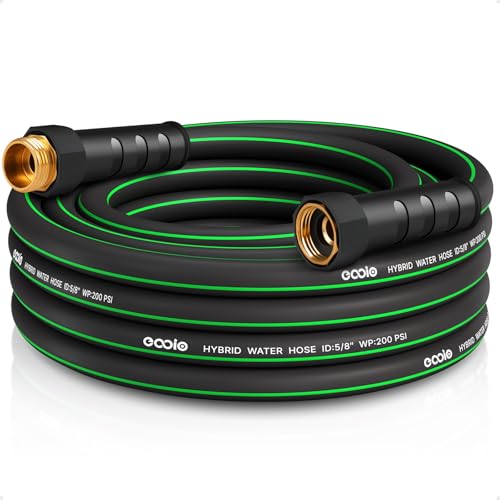
Non-Expandable Light Weight Garden Hose - EOOIO 20 feet garden hose is made of blended with rubber and PVC. The outer and inner layers of the water pipe are both mixed materials, while the middle layer is woven material, which has the advantages of lightness, non fading, and abrasion resistance. Lighter than traditional garden hoses, easy to carry and store when going out.
Which Anti‑Kink, Crush‑Proof, and Leak‑Resistant Features Should You Look For?
Hybrid‑polymer hoses already give you flexibility and durability, but the next step is ensuring the hose won’t kink, crush, or leak under pressure. Look for a memory‑resistant design and spring‑bend restrictors that keep the hose straight at connection points; OEM‑grade polyvinyl material adds bend resistance without sacrificing flow. Crush‑proof performance demands a 4,000 PSI rating for regular use and a 5,800 PSI working load, with rubber‑wrapped construction that tolerates up to 10,000 PSI bursts and resists stepping or equipment weight. Leak‑resistance hinges on M22‑14 MM steel and brass connectors, universal M22 hose, and quick‑connect fittings that maintain seals up to 250 °F. Verify hose attachment compatibility and pressure ratings for longevity to match your washer’s specifications. The kit also includes a 60‑ft high‑pressure hose for extended reach. Longer hose runs can cause noticeable pressure loss, so consider using a high‑flow hose to mitigate the drop. When using snow foam with a garden hose, a foam‑compatible nozzle ensures proper mixing and prevents clogs. Garden hose pressure is limited by psi and gpm, making it suitable only for light cleaning tasks.
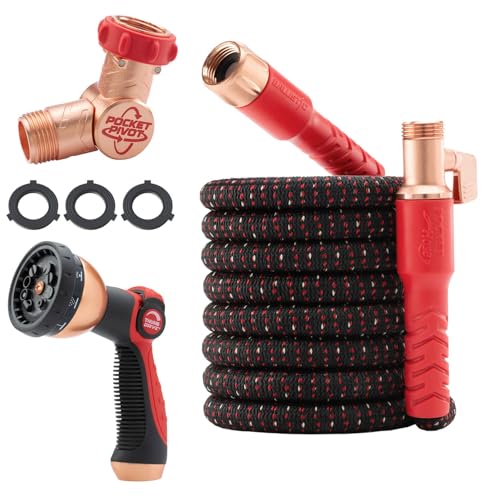
WORLD’S #1 EXPANDING HOSE — BACKED BY 100+ PATENTS: Pocket Hose Ballistic expands up to 3X into a full size hose, then shrinks back for compact, practically bone-dry storage. Lightweight, easy to handle, and built for everyday watering

【Durable Non-Expanding Garden Hose】HDKing non-expanding garden hose features a fixed structure that delivers consistent, powerful water flow—critical for efficient gardening and cleaning tasks. Extremely lightweight, the 75FT size weighs only 4.7lb, paired with durable materials, making it easy enough for kids to handle (perfect for family gardening activities).Suitable for all outdoor scenarios: watering plants, washing cars, cleaning patios/decks, and bathing pets.

Ultra-Lightweight 50ft Garden Hose for Effortless Maneuverability: This NON-expanding garden hose weighs 65% less than traditional rubber hoses, so elderly users, women, and children can carry and maneuver it without fatigue, drag it around flower beds, tight fence corners, and backyard obstacles with zero strain, while the special braided polyester outer layer maintains structural rigidity, preventing sagging or kinking mid-use
5 Best Hoses for a 5/8‑Inch Pressure Washer
When you upgrade to a 5/8‑inch pressure‑washer hose, you gain a noticeable boost in flow while keeping pressure loss manageable, provided you choose a hose rated for at least 150 PSI and compatible fittings. The Eley 5/8‑inch polyurethane hose meets those criteria, offering a 150 PSI rating, 165 °F tolerance, and a 10‑year no‑leak guarantee that guarantees a long lasting lifespan. Its 0.629‑inch fittings mate with standard 3/4‑inch GHT ports, and its lightweight, kink‑resistant construction minimizes flow loss—0.5 GPM per 50 ft and a 5 PSI drop. For budget‑friendly options, consider the YAMATIC 50‑ft model with M22 fittings, which delivers comparable durability at a lower price point while maintaining the same pressure‑loss profile. The Uberflex hose, known for its flat‑laying design, also offers excellent flexibility and minimal memory, making it a solid alternative for users seeking a lightweight, non‑cumbersome option. Selecting the right hose material can prevent premature wear and extend the life of your pressure washer. Expandable hoses provide space‑saving convenience for those with limited storage. The most common garden hose diameter for residential use is 5/8 inch, which balances flow rate and pressure for typical lawn and garden tasks.

These garden hose filter washers are made of stainless steel mesh and high quality rubber, durable to use.
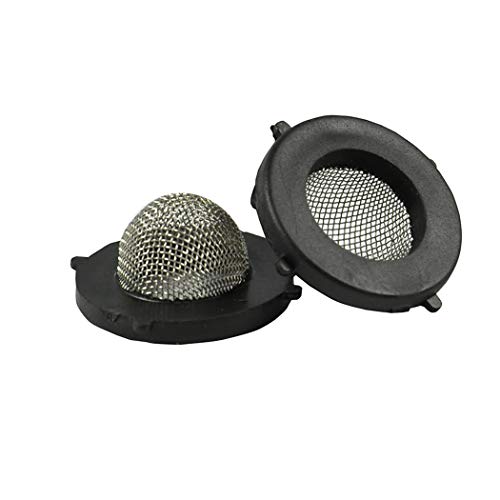
Black rubber construction for durability
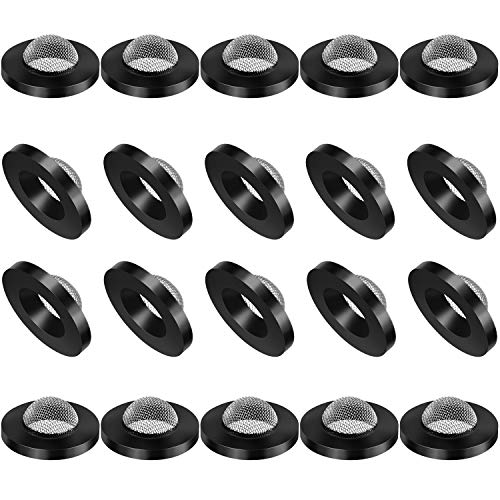
Good material: the hose washers are made of stainless steel and quality rubber, durable for you to use
How to Install and Maintain a 5/8‑Inch Pressure Washer Hose for Steady Pressure?
If you follow the proper steps, installing and maintaining a 5/8‑inch pressure‑washer hose becomes a straightforward process that preserves steady pressure. First, locate the water inlet on the pressure washer and attach the 5/8‑inch garden hose, ensuring a tight, leak‑free fit that maintains water inlet pressure. Run water through the hose for 30–60 seconds to flush dirt and air, then connect the high‑pressure hose to the pump outlet and spray gun, checking for kinks or twists. Tighten all fittings, verify the nozzle matches the washer’s specs, and test flow before powering on. After each use, flush both hoses, inspect connections for wear, and store uncoiled. Replace any hose showing damage to keep high pressure water flow consistent. Remember that a standard garden hose cannot provide the necessary water pressure for optimal performance. Also, consider checking for kinks and blockages before each use to prevent pressure loss. Selecting the correct garden hose thread size ensures a leak‑free connection throughout the system.

【TWO SPRAY NOZZLES】This high pressure hose nozzle includes a focused jet nozzle for targeted rinsing and a broad fan nozzle for larger areas. Easily switch between the two spray patterns for different cleaning and watering tasks.

Ultra-Lightweight & Durable Hybrid Garden Hose: Crafted with advanced PVC and rubber-polymer hybrid technology, Our 25 feet heavy duty garden hose is lighter than traditional heavy-duty water hoses yet incredibly durable, to meet your daily garden requirements.The middle woven layer ensures non-fading, abrasion-resistan, perfect for daily gardening, commercial tasks, and outdoor use.

Best Care for Car: Make your car cleaning uncomplicated with the Siapupy foam sprayer! Just turn the nozzle screw to easily remove dirt and grime from your vehicle, leaving it spotless and shiny in no time
Quick‑Reference Buying Guide: Price, Length, and Durability Comparisons
After installing and maintaining a 5/8‑inch hose, the next step is to compare price, length, and durability so you can pick the suitable model for your pressure washer. Prices span $24‑$571, averaging $72; budget options like the Expert Gardener Light Duty sit at $25.57 + shipping, while commercial 50‑ft HD hoses cost $74.95. Length choices affect water flow rate and hose application type: 25‑ft and 50‑ft for light duty, 1/4‑in × 50‑ft for kink‑free runs, 3/8‑in × 25‑ft for extended reach, and 5/8‑in × 100‑ft for large‑area cleaning. Durability hinges on PSI rating and construction: Teknor Apex Zero‑G offers semi‑collapsible, abrasion‑resistant casing; Westinghouse tolerates 3400 PSI; MorFlex handles 3300 PSI and 140 °F; 3/8‑in × 25‑ft endures 4500 PSI. Match these specs to your pressure washer’s PSI and intended hose application type for ideal performance. A typical stored hose height is about 3‑4 feet when coiled on a reel. The hose’s diameter determines the flow rate, with larger diameters allowing more water to pass through. Understanding the nozzle’s psi range helps you select a hose that maintains optimal pressure for different gardening tasks.
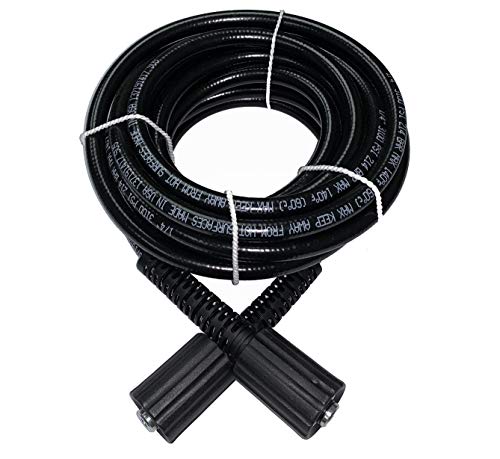
This ProPulse hose is Made in USA - Stamped on hose

The maximum heat resistance temperature of this high-pressure hose is 140 ℉/60 ℃

DOUBLE YOUR RANGE: 50 ft pressure washer hose capable of 3400 PSI allows you to extend twice as far as a standard pressure washer hose