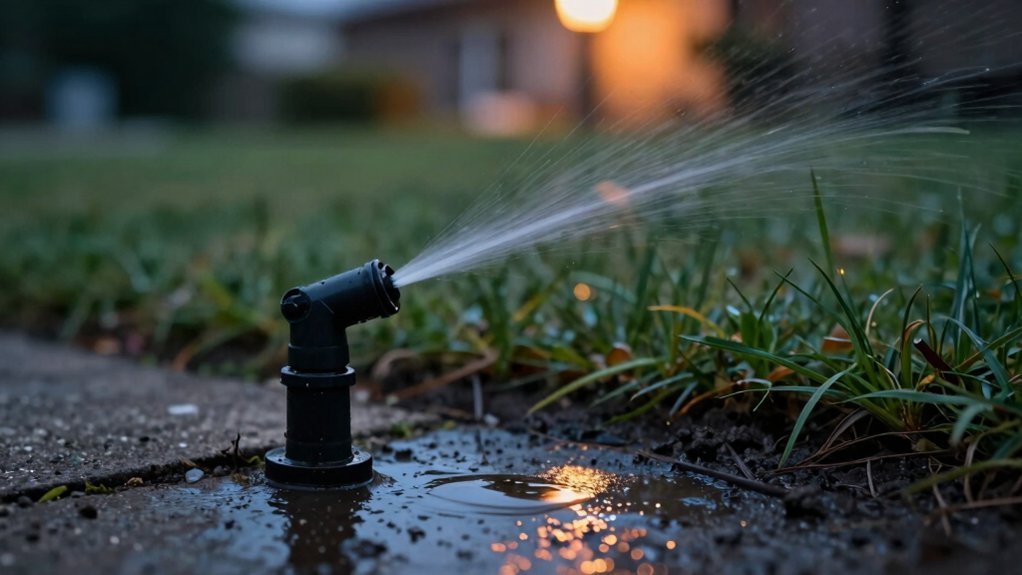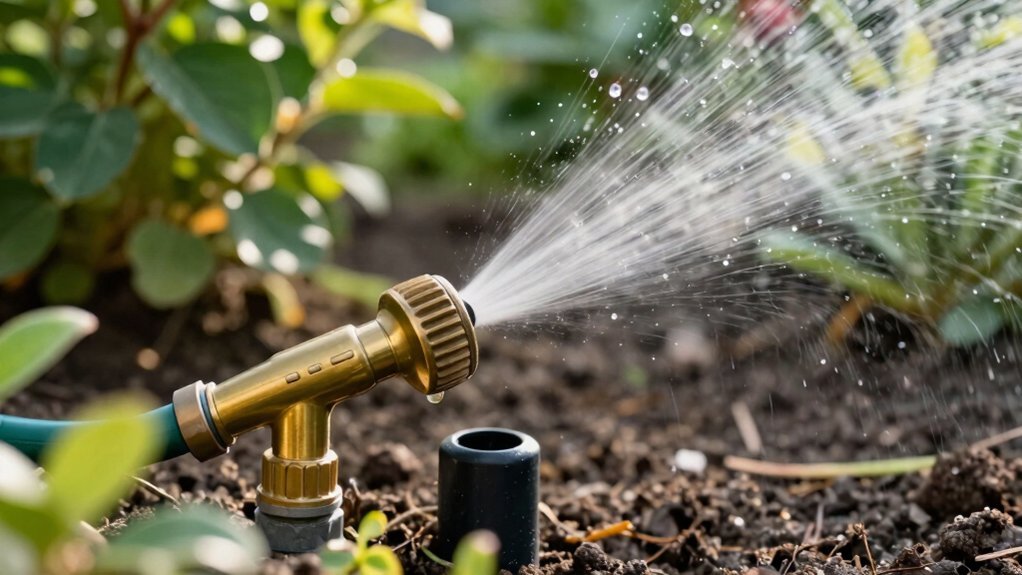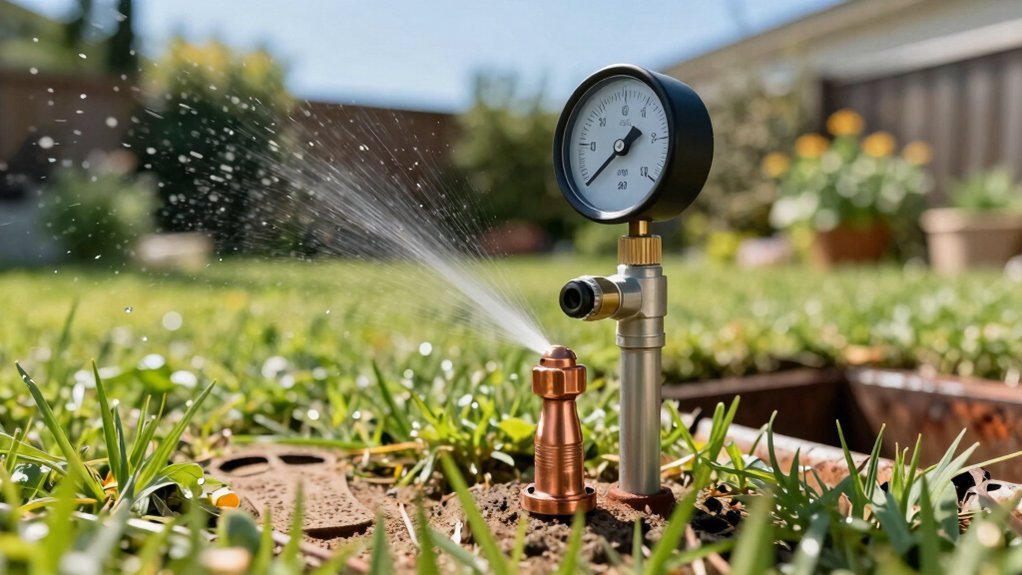
You’ll find most modern sprinkler systems draw municipal water that meets drinking‑water standards, but only if backflow protection, regular testing, and proper maintenance are in place. Without those safeguards, heterotrophic bacteria, heavy metals, and even Legionella can build up, especially in stagnant lines. Low‑flow emitters and ET‑based scheduling help keep the water fresh, yet contaminated, must still be screened for PFAs, pH, and trace elements. Continue for detailed guidance on testing, regulations, and maintenance.
Is Sprinkler Water Safe for Use?
When you evaluate whether sprinkler water is safe for use, you must first verify that the water source meets the applicable quality standards and that the system includes proper back‑flow protection. Assess the water supply composition against criteria for flow, pressure, and volume; the source must sustain the required fire‑protection demand for up to eight hours without human intervention. Confirm that any recycled or reclaimed water has been chemically screened for combustible or corrosive contaminants. Examine backflow prevention reliability: devices must be installed per local codes, tested annually, and maintained to block fertilizer, pesticide, or pet‑waste intrusion. Guarantee pressure tanks retain automatic air‑pressure monitoring and that fire‑alarm signals trigger low‑pressure alerts. Document all inspections to demonstrate compliance with municipal or well‑water regulations. The backflow preventer is typically installed near the water main or at the point where the irrigation line connects to the household supply, and it may be a double‑check valve or a reduced‑pressure zone device. Properly sized backflow devices also protect against cross‑connection hazards that can introduce contaminants into the potable supply. In many jurisdictions, an anti‑siphon valve is required to prevent reverse flow when pressure drops.
Which Sprinkler System Gives the Freshest Water?
One key factor in determining which sprinkler system delivers the freshest water is how effectively it limits exposure to contaminants and minimizes stagnation. You should compare sprinkler water quality by examining system design, nozzle materials, and flow control. Rachio’s Wi‑Fi‑linked, ET‑based scheduling cuts idle time, reducing microbial growth; its WaterSense certification guarantees low‑leakage components. Rain Bird’s rotary heads use low‑GPM emitters and Rain Curtain™ technology, keeping water moving quickly and limiting pool formation; its sprinkler nozzle materials are UV‑stable polymers that resist degradation. Toro’s RapidSet rotors and rotating nozzles deliver precise, high‑velocity spray, preventing stagnation on large lawns. Hunter’s PGP ADJ pop‑up rotors with interchangeable nozzles provide low‑volume, targeted delivery, further protecting sprinkler water quality. The Orbit Heavy‑Duty Tripod Sprinkler features a solid brass head that enhances durability and reduces corrosion risk. Selecting a system with low‑flow design can also help maintain water freshness by limiting surface pooling. Using high‑temperature alloys in nozzle construction can further resist wear and maintain performance under intense sun exposure. Metal garden hoses, known for their long‑term durability, can also contribute to cleaner water delivery when paired with quality sprinkler components.
What Contaminants Are Common in Sprinkler Water?
Ever wonder which contaminants lurk in your sprinkler water? You’ll find heterotrophic bacteria that discolor water, iron‑related bacteria that leave oily sheens, and slime‑forming microbes that coat pipes in white, beige, grey or black film. Sulfate‑reducing bacteria turn water black and emit rotten‑egg odors, while sulfur‑oxidizing bacteria mimic iron slime. Acidic irrigation water corrodes pipe alloys, releasing lead, cadmium, mercury, chromium and nickel—often exceeding EPA limits without filtration. Microbially induced corrosion accounts for up to 60 % of leaks, making corrosion mitigation essential. Trace elements such as selenium, boron, molybdenum, arsenic appear in drainage and groundwater, sometimes breaching state criteria. Backflow can introduce fertilizers, pesticides, pet waste and chemicals. Regular bacterial testing and vigilant corrosion mitigation keep the system within regulatory standards. Potable water is typically used for sprinkler systems, but contamination can still occur from system materials, environmental exposure, and maintenance issues.
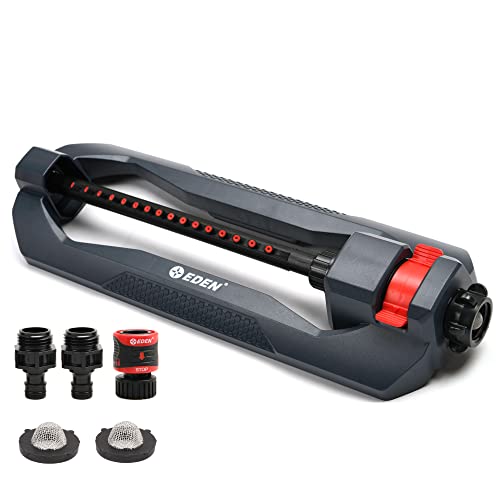
16 PRECISION NOZZLES- Provides even, consistent watering coverage for lawns and gardens up to 3,600 sq. ft..
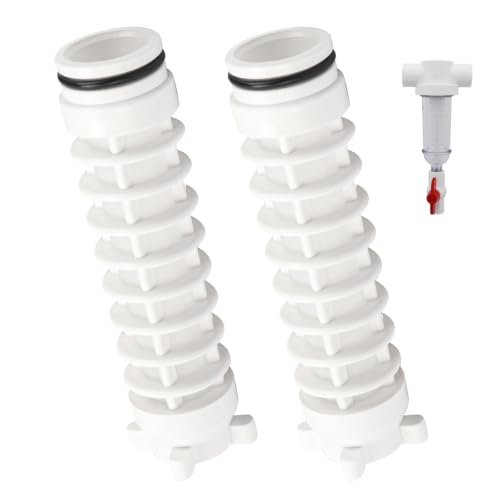
【Wide Compatibility】: Well pump spin-down sediment filter is compatible with Vu-Flow systems & Rusco Inc FS1 sand separator/ sediment trapper. Perfect for well pumps, sprinkler irrigation, and drinking water systems. Ensures a perfect fit and optimal performance
Why Does Stagnant Sprinkler Water Promote Legionella?
If water sits idle in your sprinkler system, the temperature stays in the 20‑50 °C range that Legionella loves, and the lack of flow lets that heat linger. That thermal stability eliminates shock that would otherwise curb bacterial replication, allowing exponential growth during extended residence times. Stagnant water also encourages biofilm formation on pipe interiors; these slimy layers protect Legionella from oxidative disinfection and decay free chlorine within 48 hours, raising infection risk dramatically. Nutrient buildup from sediment and organic debris fuels the microbes, while dead legs and storage tanks become reservoirs of contamination. Because biofilm shields the bacteria, conventional chlorine dosing fails, and aerosolized spray during operation can disperse viable Legionella into the air, posing an inhalation hazard. Implementing regular flushing, biofilm disruption, and robust oxidative disinfection protocols is essential to mitigate these regulatory‑compliant concerns. Garden hoses can also become a source of Legionella when left unused for long periods, especially in warm climates. The risk is heightened when water is stored in the hose’s interior, creating a micro‑environment where optimal temperature promotes bacterial growth. Thermal activation of sprinklers occurs only when a fire‑induced heat source raises the surrounding temperature above the sprinkler’s rated trigger point.

Prevent rust and mineral stains in irrigation systems, sprinklers, and outdoor water lines

PREVENTS RUST STAINS - Quality Chemical Sprinkler Treatment Rust Stain Preventor is designed to prevent rust stains from forming on surfaces. This product will help keep your home, lawn, and outdoor areas looking beautiful.

PREVENTS RUST STAINS - Quality Chemical Sprinkler Treatment Rust Stain Preventor is designed to prevent rust stains from forming on surfaces. This product will help keep your home, lawn, and outdoor areas looking beautiful.
What U.S. Rules Govern Sprinkler Water Discharge?
Because fire‑sprinkler systems discharge large volumes of water, you must navigate a layered regulatory landscape that includes federal, state, and local rules. At the federal level, the Clean Water Act’s NPDES program may require a permit whenever discharge volume or contaminant load exceeds jurisdictional thresholds. State water‑quality control boards enforce discharge containment regulations that dictate where water may flow, often mandating pretreatment before it reaches public sewers. Local codes, frequently adopting NFPA 30 and NFPA 400, specify sprinkler system backflow prevention and require backflow devices be inspected per NFPA 25. The International Building Code and International Fire Code add provisions for hazardous‑material spill containment. You must verify that your system meets minimum flow rates, maintains a ten‑minute supply, and includes strainers, shut‑off valves, and proper testing documentation. Additionally, many municipalities require a stormwater impact assessment to determine if the sprinkler discharge will affect local drainage basins. Buildings larger than 5,000 sq ft typically need sprinkler systems under the International Building Code. The wet‑pipe system remains the most common and reliable type for these installations.
How Do I Test Sprinkler Water for PFAs, Heavy Metals, and pH?
Regulatory compliance demands that you verify not only where sprinkler water can discharge but also what it contains, so testing for PFAS, heavy metals, and pH becomes a mandatory step. First, collect a pre‑treatment sample from a cold kitchen tap, running water 3–5 minutes, then pour into a field‑blank bottle and seal. Use a certified EPA‑accredited lab; request Method 537.1 for 25 short‑chain PFAS or Method 1633 for up to 40 compounds, and ask for a thorough panel that includes heavy metals and pH. Expect costs $250–$600, and make certain the lab provides blanks and duplicates. Interpret results against EPA precision data, and if concentrations exceed guidance, consider well water treatment or install home water filters to mitigate contaminants before irrigation. Backflow prevention is essential to protect the potable water supply from cross‑contamination when irrigation systems draw from the same source. Drinking from a garden hose can introduce biofilm bacteria that cause gastrointestinal illness. Installing a sprinkler backflow preventer ensures that contaminated water cannot flow backward into the potable supply.

Compatible with FEBCO 765-1 & 765 Series — Specifically engineered to fit FEBCO 765-1 and 765 backflow preventers and vacuum breaker valves. Direct replacement for Part# 905-212. Fixes leaks, pressure drops, and worn seals with a precise, reliable fit every time.
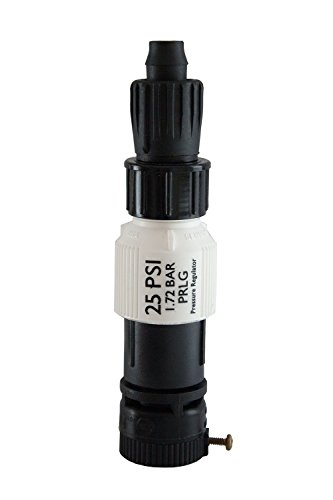
Ensure accurate and reliable drip system performance with this all-in-one faucet to drip irrigation connection kit. Connect your drip irrigation system to your water supply, keep out debris with a filter, maintain optimally low flow water pressure, and prevent backflow all with a single pre-assembled unit.

Custom Fit: This 0887718 Retrofit Kit is specifically designed for 1" 800M4 series pressure vacuum breaker (PVB) backflow preventer, converting your 800M4-QT into a freeze-resistant 800M4-FR model.
What Maintenance Practices Keep Sprinkler Water Clean?
Keeping sprinkler water clean starts with a disciplined inspection routine: run each zone for five minutes, watch for leaks or uneven spray, and verify that pressure stays within the 40‑65 PSI sweet spot. You must then flush each zone for one to two minutes to purge sediment, because sprinkler debris impacts can clog nozzles and distort flow. Follow a strict sprinkler maintenance schedule: clean pump‑intake filters weekly, wipe internal filters with a damp cloth, and soak heads in rust remover to dissolve mineral buildup. Replace worn nozzles every five to eight years, repair cracked lateral lines, and reseal end caps after each flush. Adjust arcs to avoid spraying non‑target surfaces, program seasonal run times, and install rain or freeze sensors to prevent unnecessary discharge. Document every inspection, repair, and adjustment to stay compliant and keep water quality consistently high. Conduct a bi‑annual inspection to catch clogged heads, leaks, misaligned spray patterns, and pressure issues before they affect water cleanliness. Regularly check for mineral buildup on heads, as it can cause uneven watering and reduce spray efficiency. A common cause of leaks is a cracked seal that allows water to escape between the head and the pipe.

Generous Product Quantity: The set contains 30 nozzle filters, providing ample supply for daily maintenance or emergency replacement needs, offering exceptional value and convenience for extended use

For preventing clogging of pop-up spray head nozzles for optimum performance

PREVENT DEBRIS FROM CLOGGING EMITTERS: The "Y" filter prevents particulates from clogging and potentially damaging emitters downstream
When Must Sprinkler Water Be Treated as Hazardous Waste?
One key moment you must treat sprinkler water as hazardous waste is when it contains any pollutant or additive that triggers federal hazardous‑waste criteria—such as corrosion inhibitors, fire‑suppressant chemicals, antifreeze, or volatile organic compounds listed under the Clean Water Act, RCRA, or CERCLA. You’ll need to assess whether the water meets RCRA characteristic thresholds in 40 CFR 261.21‑24 or matches a listed waste in 40 CFR 261.31‑33. If it contains VOCs like TCE, PCE, or CT, or mixed waste with non‑hazardous components, enhanced requirements under RCRA §1004(41) apply. Disposal options then shift to permitted land‑fill, treatment, or underground injection, while regulatory exemptions may exist only for systems free of those additives. Always verify NPDES, MS4, and sewer pretreatment rules before any discharge. A diesel nozzle’s larger size helps prevent accidental cross‑fueling, but proper labeling is still essential. Understanding the role of nozzle design is critical for ensuring safe and efficient water distribution.
How Does Sprinkler Water Stack Up Against Fire‑Hose Waste?
When you move from evaluating hazardous‑waste criteria to comparing overall environmental impact, the key difference lies in pollutant load and water efficiency. Sprinkler discharge contains far fewer persistent pollutants, such as heavy metals, and maintains neutral pH, whereas fire‑hose waste shows high pH and heavy pollutant loads that threaten ecosystems. Sprinklers use 13‑20 gpm versus 250 gpm for fire hoses—a factor of 8.5× less water—cutting fire suppression costs and water usage by 50‑91 %. Targeted activation limits runoff, supporting water pollution mitigation. Properly maintained sprinkler systems confine discharge to the fire source, preventing the broad dispersal and environmental damage typical of fire‑hose operations. This analytical comparison underscores the regulatory advantage of sprinkler water in both pollutant control and resource efficiency. Firefighters typically arrive 7‑12 minutes after a 911 call, during which time the fire can spread rapidly.