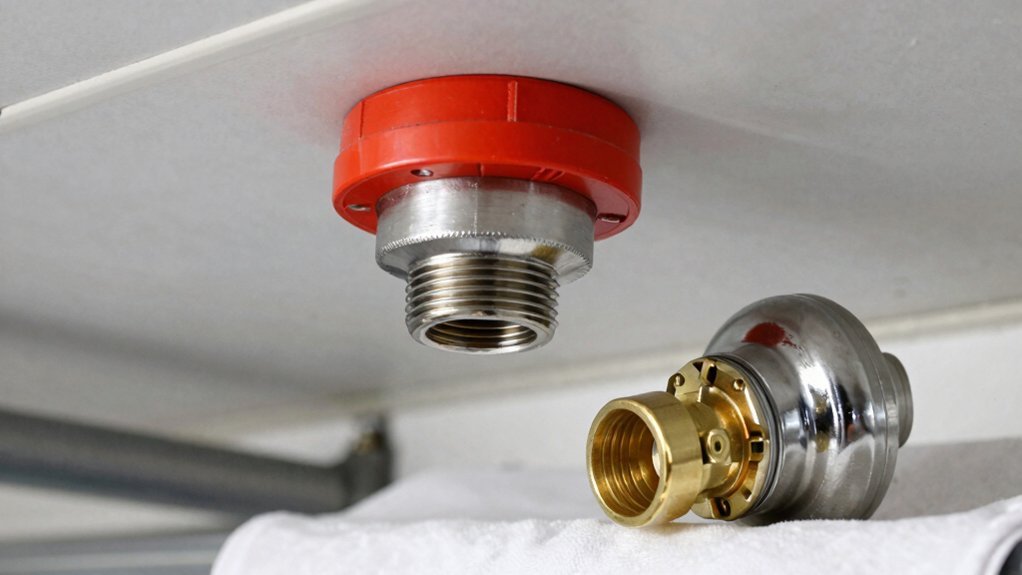
You’ll spend roughly five years—about 60 months—on a fire‑sprinkler fitter apprenticeship, logging 8,500‑10,000 on‑the‑job hours and completing dozens of classroom hours before you can earn journeyman status. Most states follow a 5‑year model, though California offers a 30‑month track and a few regions have unique module requirements. You’ll need a high school diploma, a driver’s license, pass a physical and background check, and meet regular performance milestones. Keep an eye on the progress logs, because the next section explains how wage bumps and certifications fit into the timeline.
Should You Pursue a Fire‑Sprinkler Fitter Apprenticeship?
Why consider a fire‑sprinkler fitter apprenticeship? You’ll gain career stability through a union‑backed five‑year program that guarantees a steady wage increase every six months and solid benefits—medical, dental, optical, pension, and vacation—without tuition fees. The structured progression, from Class 1 to Class 10, safeguards you acquire hands‑on expertise while earning a percentage of journeyman wages. You’ll also enjoy job satisfaction as you master complex systems, receive CEUs, and see tangible results in protecting lives and property. Union sponsorship means you’re covered by excellent insurance and education plans, while the apprenticeship’s 8000‑hour requirement and 150‑hour annual instruction keep you engaged and advancing toward journeyman status. This blend of security, growth, and meaningful work makes the path compelling. The field also benefits from strong job growth driven by increasing construction activity and stricter fire safety regulations. Understanding sprinkler compliance helps ensure installations meet legal standards and avoid penalties. Proper water management can also contribute to environmental sustainability in residential and commercial projects.


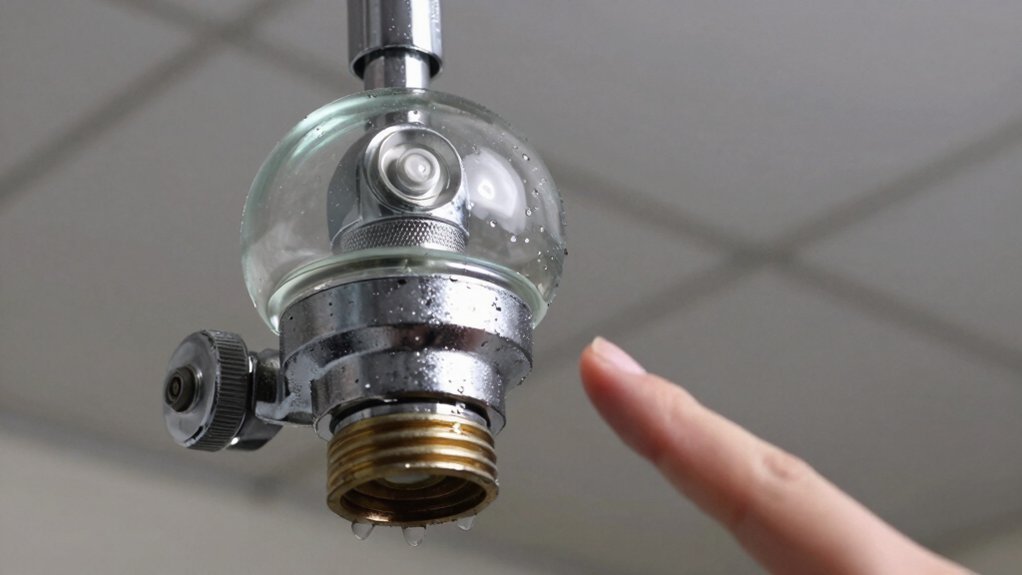
INDISPENSABLE TOOL TO HAVE AT HOME OR OFFICE: Quickstop fire sprinkler heads emergency shutoff tool can shut off an accidentally activated fire sprinkler in seconds, reducing water damage and keeping the rest of the building safe by allowing the other fire sprinklers in the system to remain active while waiting for the damaged head to be replaced.

This design is perfect for fire sprinkler fitters and safety professionals. It's All Fun And Games Until Someone Sets Off The Sprinklers highlights the essential work of keeping buildings safe.
What Are the Core On‑the‑Job Training Hours and Milestones?
You’ve already seen how a fire‑sprinkler fitter apprenticeship offers stability and benefits; now let’s look at the on‑the‑job training hours and key milestones. You’ll log 8,500‑10,000 OJT hours over five years, with union Local 692 demanding the full 10,000 at job sites. Every six months you undergo periodic performance reviews that gauge Hands on skill attainment and OJT progress. After each 1,000‑hour block you earn a wage bump, reaching 90 % of journeyman pay at the tenth milestone. The first six months serve as a probationary period before full union membership. By the five‑year endpoint you’ve satisfied all work‑process outlines, secured journeyman classification, and completed the required correspondence coursework. It’s also wise to verify local water‑usage regulations and any homeowner association rules before installing a residential sprinkler system, as local licensing requirements can vary. Understanding the overlapping skill set between plumbing and irrigation can further accelerate your apprenticeship progress. Modern sprinkler control panels often rely on low‑voltage AC power, which can be supplemented by solar backup to improve energy efficiency.
How Do Classroom Hours and Module Requirements Vary by Region?
Regional requirements can differ dramatically, so you’ll need to match your apprenticeship plan to the specific curriculum and hour mandates of the state or local union you’re joining. In California you’ll log at least 144 instructional hours per year, taught by accredited instructors whose qualifications meet J.A.C. standards, while Pennsylvania demands 880 total classroom hours over five years, covering mathematics, economics, human relations, and safety topics. Local 669’s 2026 schedule varies by city, offering CEU‑eligible classes that only count when state‑approved. Texas’s Automatic Sprinkler program requires 19 university‑level courses, each delivered by instructors with proven industry credentials. These regional program differences affect how many modules—like Basic Safety (12.5 hrs) or Steel Pipe and Fittings (20 hrs)—you must complete before advancing. Proper wiring is essential for low‑voltage control circuits in modern sprinkler systems. Conduit protection helps meet code requirements and ensures safety. Understanding parallel token output can reduce installation time and cost.
Which States Offer 30‑Month or 60‑Month Fire‑Sprinkler Fitter Apprenticeship Programs?
After reviewing how classroom hours and module requirements shift by region, you’ll want to know which states actually offer the 30‑month or 60‑month fire‑sprinkler fitter apprenticeship tracks. California is the only state that lists a 30‑month apprenticeship duration, with a starting wage of $20.74 per hour and an 18‑year‑old minimum age. No state in the data provides a 60‑month program; instead, Florida, Wisconsin, Michigan, and the multi‑state Local 669 track span five years (60 months) but differ in structure. Florida’s program, hosted by Seminole State College, blends paid on‑the‑job training with classroom instruction and requires Florida residency. Wisconsin and Michigan each run five‑year apprenticeships through local unions, while Local 669 spreads the five‑year curriculum across several states, adjusting wages and benefits by region. These regional differences illustrate how apprenticeship duration varies nationwide. Understanding sprinkler pricing helps apprentices anticipate equipment costs in future projects. Properly sizing irrigation systems can reduce water waste and improve crop yields, especially when considering sprinkler head spacing for optimal coverage. average repair cost can also inform budgeting decisions for future maintenance.
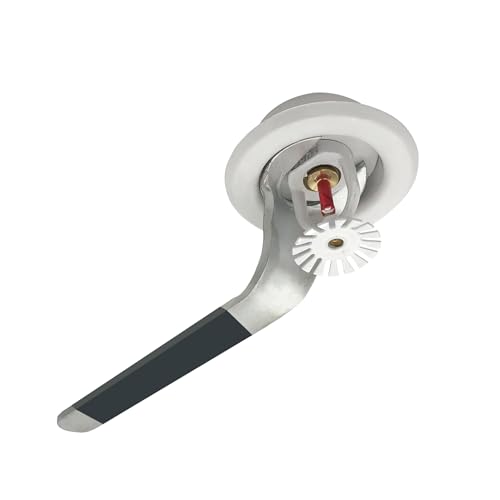
UNIVERSAL FIRE SPRINKLER WRENCH designed for 1/2 inch semi-recessed, concealed, and exposed sprinkler heads, ensuring a perfect fit every time. With its UNIVERSAL FIRE SPRINKLER HEAD WRENCH capability, it's a must-have for any fire safety toolkit.

Fire Safety Installation design. This design is perfect for fire sprinkler fitters and safety professionals. Making Buildings Safer, One Sprinkler At A Time. highlights the essential work of keeping buildings safe.

Fire Sprinkler Head Emergency Shut-Off Tool Quickly shuts off accidentally activated fire sprinklers and can stop damage caused by open sprinklers without shutting down the entire system, effectively reducing water damage and keeping buildings safe.
What Qualifications and Physical Standards Are Required Before Starting?
Before you step onto the job site, you’ll need to meet several baseline qualifications and physical standards. You must be at least 18, hold a high‑school diploma or GED, and have a valid driver’s license. A personality assessment and criminal history review are standard parts of the application, ensuring reliability and safety. Expect a physical‑fitness test that checks hand‑eye coordination, lifting capacity, and comfort working at heights. Drug testing and a medical clearance are required before you start, and you’ll need reliable transportation to attend the 144–720 classroom hours and eventual on‑the‑job training. If you’ve served, an honorable discharge and DD214 are also necessary. Regular water testing can help prevent bacterial contamination in the area where you work. Additionally, potable water sources should be verified to avoid health risks. Stagnant water in hoses can foster Legionella growth if not properly maintained.

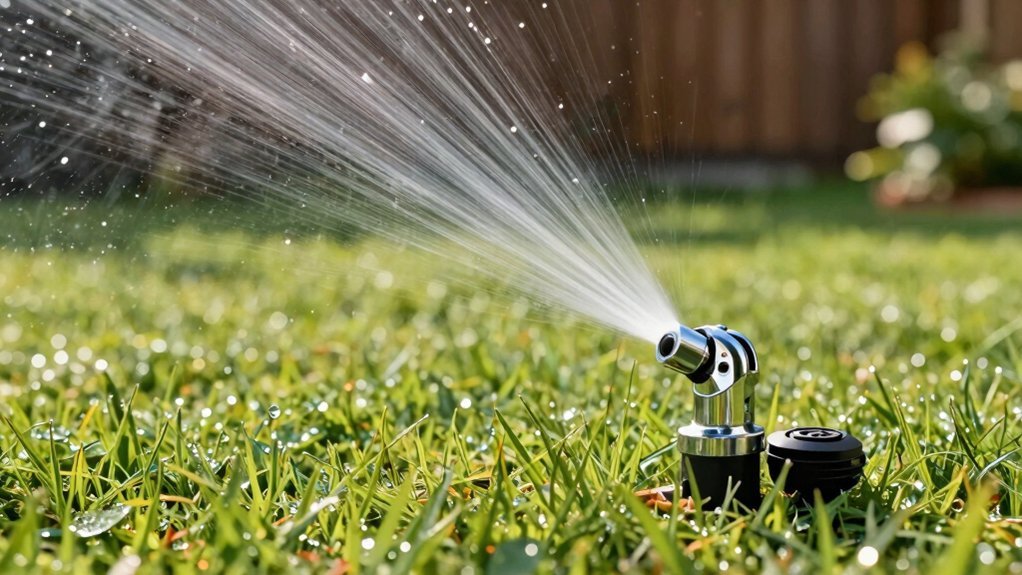
SUPERIOR YARD WATERING - The Saturn III gear-drive rotor offers precise and efficient water distribution for your yard sprinklers.

High-strength nylon construction offers superior wear resistance for long-lasting performance.

Are you a fire sprinkler fitter and you love maintaining and installing sprinklers? If so, this product might be a nice choice.
How Is Progress Tracked and When Do You Become a Journeyman?
Typically, your progress is logged and reviewed every six months, with a semi‑annual evaluation that compares your on‑the‑job hours, classroom credits, and competency assessments against the apprenticeship milestones. You’ll find rigorous assessments administered by journeymen and supervisors, while consistent milestone tracking records each measurable goal you hit. The apprenticeship platform aggregates on‑the‑job hours, related instruction credits, and skill‑development portfolios, and a LMS stores test scores for verification. When you reach 1,700 on‑the‑job hours and 160 classroom hours in a year, you earn a wage increase and move to the next classification. After completing four one‑year levels—totaling 8,000 on‑the‑job hours, documented competency evaluations, and required instruction—you become a journeyman. Regular maintenance can prevent issues like uneven watering and extend system lifespan. Bi‑annual inspections help identify clogged heads before they affect water distribution. Checking for kinks and blockages in the hose is essential for maintaining optimal pressure.