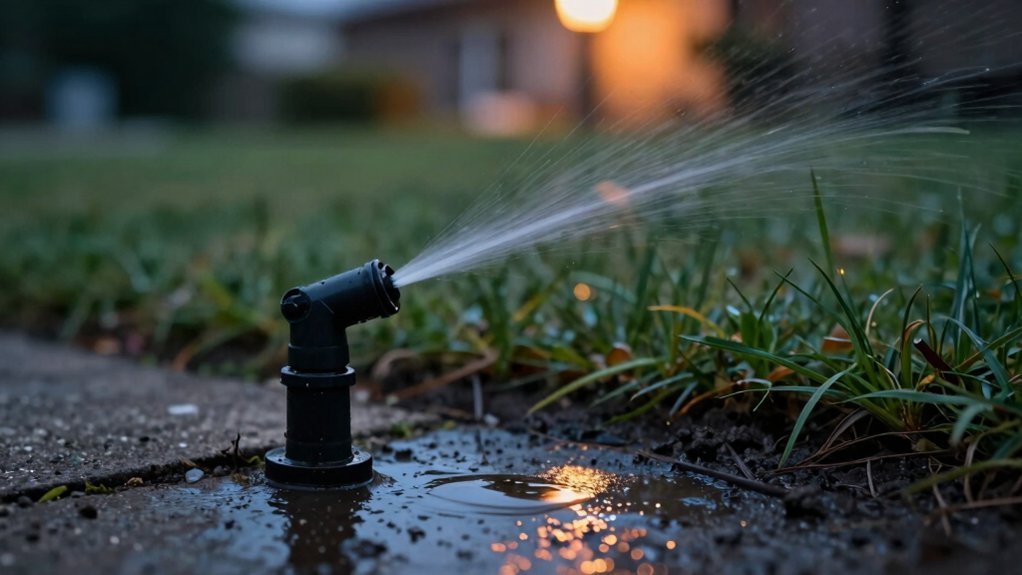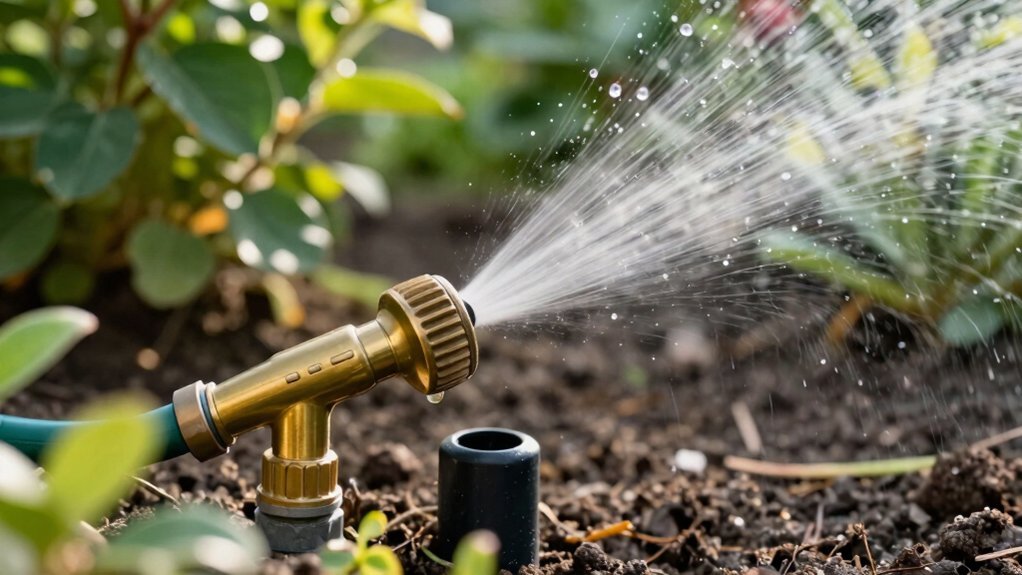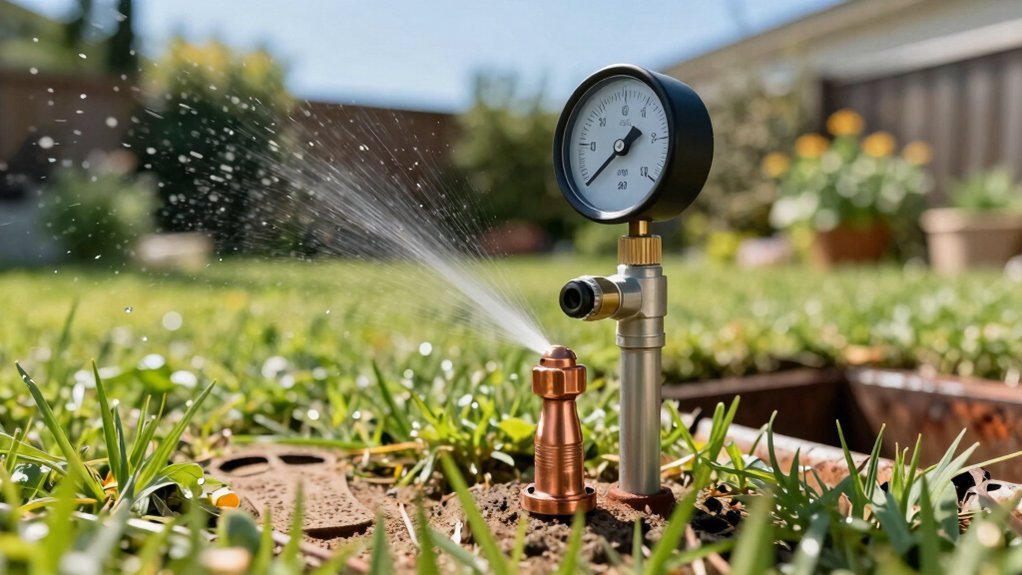
You’ll find Rainbird sprinklers a solid investment because they combine durable, pressure‑regulated heads with a lower upfront price than many rivals, delivering steady 30 PSI output that cuts overspray and waste. Their thicker shells, stronger springs, and tight seals keep the system running smoothly for a decade with minimal upkeep, while the 3‑year warranty (5 years on LF Series heads) protects against defects. If you keep going, you’ll uncover how their smart controllers and water‑saving features further boost value.
Is a Rainbird Sprinkler Worth the Investment?
If you’re weighing the cost of a Rainbird sprinkler system, the answer hinges on durability, reliability, efficiency, performance, and long‑term value—each of which Rainbird backs with concrete engineering. You’ll notice the 1800 series spray heads use thicker plastic shells, stronger springs, and tighter seals, giving you durable components that survive high PSI and harsh weather. The 5004 rotors hold up in rough soil, and the SAM heads stay steady on slopes, delivering consistent performance across terrain. DV100 valves boast the lowest warranty rate, while pressure‑regulated heads maintain a steady 30 PSI output, cutting overspray and waste. Rain Curtain technology spreads water evenly, and multiple pop‑up heights let you fine‑tune coverage. Over a decade, these engineering choices translate into lower maintenance, water savings, and reliable lawn health. Low‑point water leaks can be eliminated with the integrated check valve. Toro’s diffusion‑based design can also improve multi‑head synchronization, reducing water usage and cost efficiency. Hunter’s advanced water‑saving technology further enhances efficiency by adjusting flow based on real‑time pressure readings.
How Does Rainbird Sprinkler Pricing Compare to Competitors?
One of the first things you’ll notice is that Rain Bird’s component prices sit just a shade below Hunter’s equivalents, yet the gap narrows once you factor in long‑term ownership. You’ll find Rain Bird valves and 1800‑series pop‑ups cheaper upfront, but Hunter’s dual‑screw valves cut repair costs, boosting long‑term affordability. Full‑lawn installations run $3,500–$6,000 for both brands, so the price difference hinges on component quality and warranty support. Hunter adds a three‑year warranty at select installers, while Rain Bird’s lower initial outlay appeals to budget‑conscious buyers. Smart controllers are similarly priced, though Hunter’s UI feels more intuitive. Overall, you balance short‑term savings against durability to gauge true value. Hunter valves are praised for their robust construction and resistance to corrosion. A plumber transitioning to sprinkler fitting can leverage their pipe‑sizing expertise to streamline system design. Additionally, Nelson’s larger‑area coverage can be advantageous for expansive lawns, offering broader irrigation with fewer units.
What Reliability Factors Keep Rainbird Systems Working for Over 10 Years?
While the price gap with Hunter narrows when you factor in warranties and long‑term repair costs, the real value of a Rain Bird system shows up in its durability. You’ll find that component durability stems from professional‑grade valves and modules that resist wear, while the pressure‑regulated heads maintain even distribution without over‑pressurizing fragile parts. Regular maintenance—inspecting heads, cleaning debris, and checking controller settings—keeps pressure in the best, ideal, or suitable range, preventing leaks and clogs. Filtration guards against hard‑water mineral buildup, preserving nozzle function. Smart controllers adapt to heat, wind, and rain, reducing stress on the system. Together, these factors deliver reliable performance that easily exceeds ten years. Proper water water quality management, such as using filtration, can significantly extend the lifespan of sprinkler heads. A clogged sprinkler head can also cause rotation issues, so regularly checking for debris buildup helps maintain smooth operation. Bi‑annual inspections ensure that any seasonal changes or storm damage are promptly addressed.
How Do Rainbird Pressure‑Regulated Heads Deliver Even Water Distribution?
Because the pressure regulator is built right into the stem, each Rainbird head keeps a constant flow regardless of fluctuations in the water supply, so you get uniform coverage across the entire zone. The patented regulator stabilizes outlet pressure at the nozzle, delivering constant pressure performance even when mains pressure swings. You can select 45 PSI‑rated R‑VAN nozzles or 30 PSI adjustable patterns, achieving water delivery customization that matches plant needs. By balancing flow per head, the system eliminates misting, fogging, and runoff, ensuring every square foot receives the same amount of water. The integrated design removes extra parts, cuts installation time, and reduces maintenance, while the even distribution translates into lower water bills and healthier landscapes. High water pressure is a leading contributor to water waste, causing sprinklers to mist and fog and increasing water bills. Modern sprinkler systems often incorporate moisture sensors that detect soil wetness and pause irrigation when sufficient moisture is present. Applying the recommended 15‑30 minute runtime per zone helps promote deep root growth while conserving water. Pipe diameter also influences the achievable flow, as larger pipes reduce friction loss and help maintain the regulator’s set pressure.
Which Rainbird Features Provide the Best Water‑Saving Performance?
The built‑in pressure regulator that keeps Rainbird heads delivering a steady flow also sets the stage for the system’s biggest water‑saving features. Its in‑stem regulation drops pressure by 5 psi increments, cutting use 6‑8 % each time, so a 70 psi line trimmed to 30 psi saves over half the water. Pair that with high‑efficiency nozzles—U‑Series, MPR, or Rain Curtain—to achieve uniform water distribution and eliminate overspray, delivering 30 %+ savings. Smart controllers like ET Manager and RSD rain sensor fine‑tune run times based on evapotranspiration or real‑time rain, shaving another 20‑40 % off consumption. Finally, Grit‑X emitters and S5 dripline provide precision irrigation control, targeting roots directly and maintaining flow uniformity without clogging. Together these features maximize efficiency while keeping your landscape thriving. Proper installation and regular maintenance can add up to 10 years to the system’s lifespan. Adjusting sprinkler head spacing according to the spray radius ensures uniform coverage and further reduces water waste. Designing zones based on soil type helps match water needs to each area’s infiltration rate.
What Does the Rainbird Sprinkler Warranty Cover and How Do Plastic Parts Affect Longevity?
If you install a Rain Bird system correctly, the warranty protects you against defects in heads, valves, and controllers for three years—five years for LF Series heads—starting from the purchase date, while excluding lightning, flooding, voltage mishaps, and improper installation. The three‑year coverage applies to all heads, electric valves, timers, and rain sensors, with the LF Series enjoying an extra two years. Exclusions such as acts of nature and improper installation define the warranty limitations impact, so you must follow installation guides and protect the system from power spikes. Plastic components, however, dictate plastic composition longevity; UV exposure, soil acidity, and pressure fluctuations can degrade seals, springs, and nozzles. Regular cleaning, proper pressure settings, and UV‑resistant coatings can push a head’s life well beyond the warranty term, often reaching 15 years or more. A well‑maintained system can also benefit from regular valve inspection to catch early signs of wear. Uneven watering often signals a clogged or failing valve, prompting timely maintenance. Mineral buildup can cause clogs that reduce spray efficiency.
How Do Homeowners Rate Their Real‑World Experience With Rainbird Sprinklers?
You’ll find that most homeowners rate Rain Bird sprinklers as consistently reliable, citing decade‑long performance with minimal upkeep. You notice the “set it and forget it” vibe in Maryland, where users report ten‑year durability and only occasional clunky controller quirks. Installations feel straightforward; the 1800 series arrives with all parts, saving time and money. Adjustable patterns and a self‑flushing pop‑down keep debris out, delivering convenient irrigation control. Maintenance stays affordable—replacement parts are cheap and widely stocked, while upfront costs undercut rivals like Hunter. Reviewers at Home Depot and Lowe’s praise pop‑up impact models for sturdy construction and reliable watering. Overall, you experience a low‑maintenance, dependable system that meets practical needs without high‑tech complexity. The stainless steel version offers significantly more durability, lasting well beyond the five‑year lifespan typical of the plastic model. Proper pressure regulation ensures even water distribution across all sprinkler heads. Choosing the right sprinkler head type can further optimize water efficiency and coverage. Understanding zoning basics helps you allocate water where it’s needed most.
Are R‑VAN Nozzles Better Than Other Smart Drip Options for Windy Gardens?
Most gardeners quickly discover that R‑VAN nozzles outshine other smart‑drip solutions in windy conditions, because their larger droplets and multi‑stream design stay on course even when breezes hit 20‑30 mph. Their fixed rotary heads generate consistent stream patterns that resist drift, delivering water precisely where it’s needed. You can dial a flexible radius adjustment—from 14 ft for tight beds to 24 ft for expansive lawns—by selecting the R‑VAN14, 18, or 24 model, each color‑coded for quick identification. Compared with fine‑mist sprays, the heavy droplets maintain trajectory, eliminating mist and reducing water waste. Tests show R‑VAN beating Hunter MP rotators in wind stability after five meters, giving you uniform coverage, fewer dry spots, and better water‑use efficiency in breezy gardens. Adjustable angle allows fine‑tuning without tools, matching the Rain Bird R‑Van’s user‑friendly design.
When Is Choosing a Rainbird Sprinkler the Best Decision for Your Landscape?
When evaluating irrigation options, you’ll find Rainbird sprinklers excel in landscapes that demand precise water placement, consistent pressure handling, and reliable long‑term performance. You should choose Rainbird when your garden includes mixed zones—lawns, flower beds, and slopes—because the brand’s modular heads let you fine‑tune flow rates without sacrificing energy efficient performance. If you live in a region with limited rainfall, Rainbird’s pressure‑compensating nozzles maintain uniform coverage, helping drought resistant landscapes stay healthy while conserving water. Their durable brass bodies resist corrosion, reducing maintenance trips and extending system life. Finally, the integrated smart controllers sync with weather data, automatically adjusting cycles to avoid over‑watering and keeping your utility bills low. The R‑Van nozzle’s singular stream design resists wind displacement, ensuring consistent coverage even on breezy days.