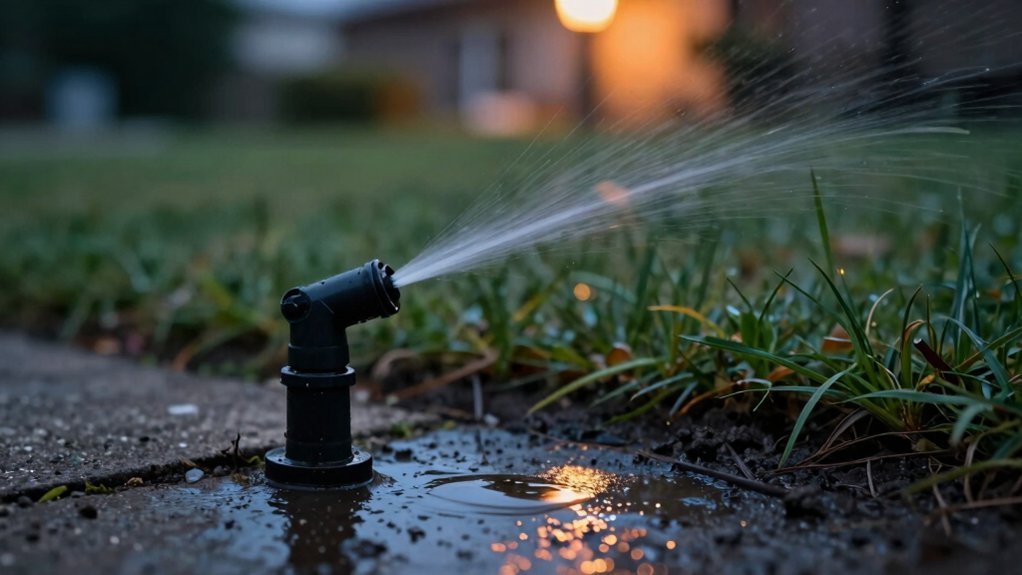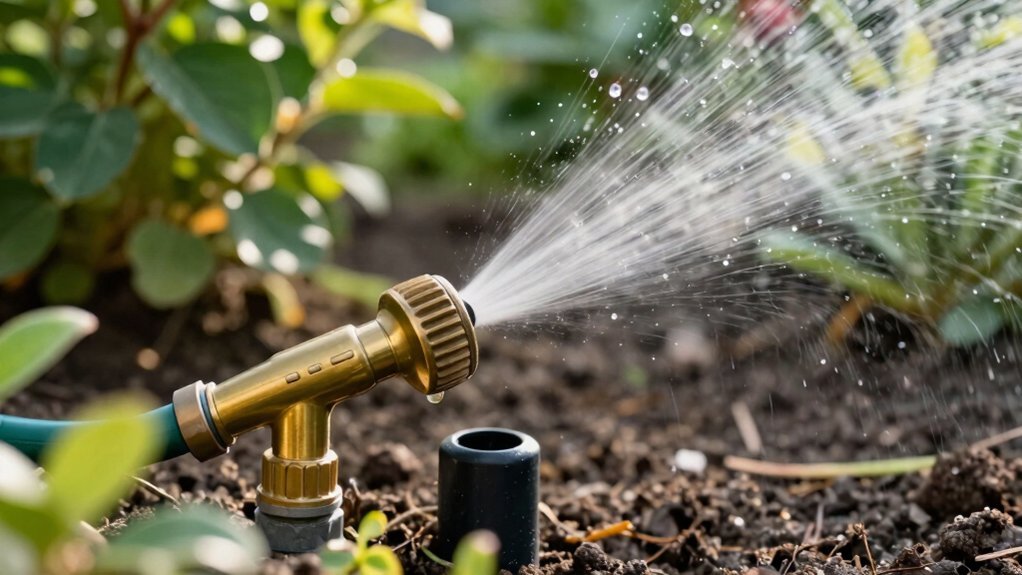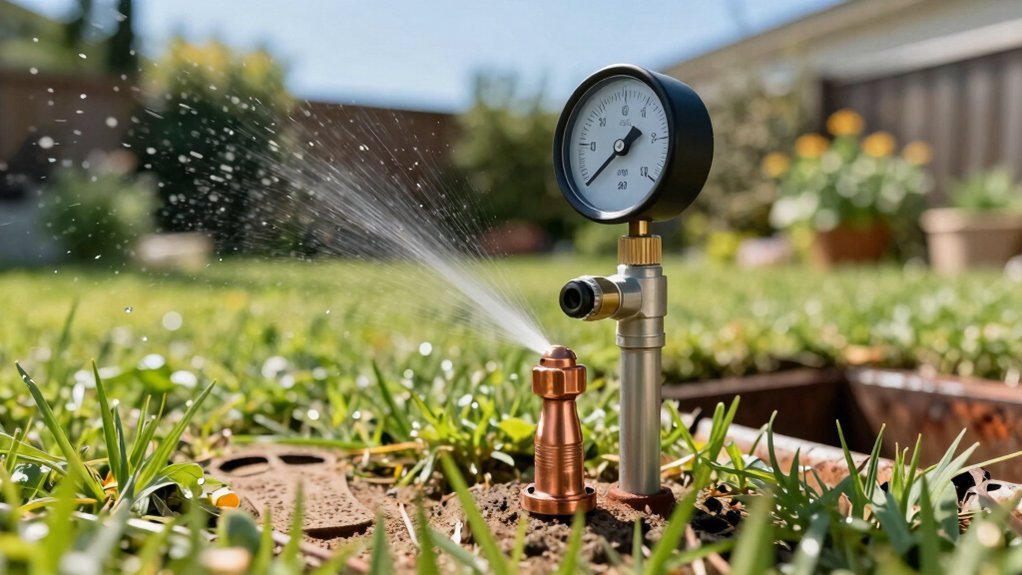
First, identify whether your head is a pop‑up, fixed spray, rotor, or gear‑driven rotor. Then set the spray arc by turning the left stop screw clockwise to widen or counter‑clockwise to narrow, and adjust the right stop the; each 90° turn adds or removes 90°. Next, tweak the distance with the radius‑adjustment screw—clockwise shortens, counter‑clockwise extends—checking for obstructions and soil type. Fine‑tune pop‑ups by pulling the stem, clearing debris, and aligning the indicator dot; use the top screw for precise throw. Finally, walk the lawn, verify coverage, clean filters, and lubricate moving parts; the next steps will show you deeper troubleshooting tricks.
Identify Your Sprinkler Head Type
Choosing the right sprinkler head starts with recognizing its type. You’ll first spot a pop‑up head if it springs up from the ground and retracts when off. Look for a 4‑inch model for lawns or a 12‑inch version for ground cover and shrub beds. Fixed spray heads stay stationary, delivering a fan‑shaped pattern; they require water pressure regulation between 20‑30 PSI and precise spray head alignment to avoid overlap. Rotor heads rotate mechanically, ideal for large lawns; they work best under 40 PSI and need alignment of the rotating nozzle. Gear‑driven rotors behave similarly but run quieter, while multiple‑stream or bubbler heads produce thin streams or flood zones for slopes and trees. Identify the mechanism, size, and pressure range before proceeding. Proper irrigation design also considers soil type to achieve uniform water distribution. The main line transports water from the source to all downstream components, ensuring consistent flow throughout the system. Installing heads at the correct height maximizes coverage efficiency and reduces water waste.
Set the Correct Spray Arc and Rotation Pattern for Sprinkler Head Adjustment
Now that you’ve identified the head type, set the spray arc and rotation pattern by first positioning the turret’s left stop. Rotate the nozzle turret counter‑clockwise until the left stop aligns with the edge of the intended pattern. Hold the turret at the right stop—often a fixed tab on models like the Hunter PGP‑ADJ—while you adjust. Insert a flat‑head screwdriver into the pattern‑adjustment slot; turn clockwise to broaden the arc up to 360°, counter‑clockwise to narrow it to the 40° minimum. Use pliers or vise grips to shift metal tabs for rotation direction, and raise or lower the deflector to fine‑tune the nozzle trajectory angle. Verify each 90° screwdriver turn adds or removes exactly 90° from the right stop, and respect the understanding sprinkler adjustment limits to avoid over‑travel. Test the pattern with water on, then repeat fine‑tuning until coverage is even and the rotation cycle is uninterrupted. The left edge should be set where the sprinkler needs to start watering. Selecting the appropriate nozzle size is essential for achieving the desired flow rate and pressure compatibility. Proper flow rate ensures the spray pattern remains consistent across varying water pressures. Understanding water pressure limits helps prevent under‑ or over‑spraying.

The Hunter adjustment wrench consists of a 3/32 allen key, two convenient finger loops for gripping

Hunter Key
Set Spray Distance & Radius for Even Coverage in Sprinkler Head Adjustment
When you’re ready to fine‑tune coverage, adjust the spray distance and radius by turning the radius‑adjustment screw on the rotor’s top with a flat‑head screwdriver: rotate clockwise to shorten the throw, counter‑clockwise to extend it. Keep the system pressurized so sprinkler water pressure remains stable while you make changes. Hold the head steady, turn the screw in small increments, then run the zone for a few minutes to verify even pattern. If you spot dry spots, repeat the adjustment; if you see overspray, tighten the screw further. Remove any sprinkler obstruction that blocks flow before final testing. Remember that most rotors cap reduction at 25 % and that larger increases may require nozzle replacement or pressure adjustment. The screw mechanism allows precise control of spray distance. Considering soil type helps ensure the adjusted spray radius matches the water absorption capacity of the ground. Overlapping spray patterns are essential because they create uniform water distribution across the lawn. Properly sizing the irrigation zone using flow rate calculations ensures each head receives adequate water without exceeding system pressure.
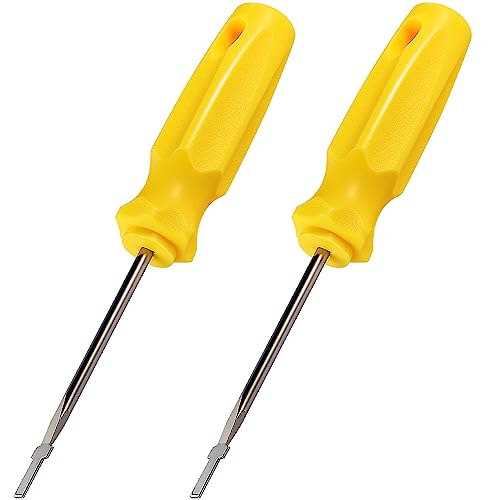
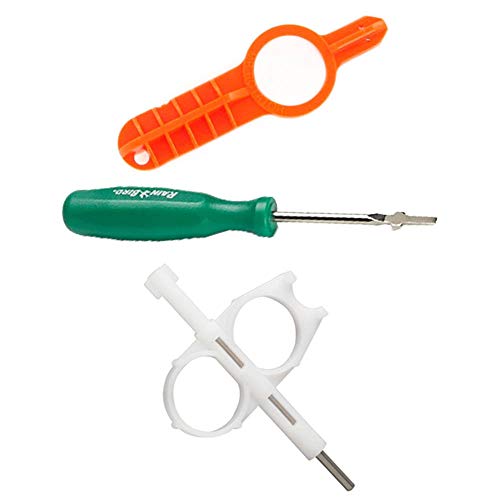
[SPRINKLER ROTOR ADJUSTMENT TOOL] This 2 pack sprinkler rotor tool is designed for adjusting arc and radius on compatible rotor sprinkler heads. A practical tool for lawn irrigation repair, seasonal sprinkler setup, and nozzle maintenance

3 Pack of Rain Bird Rotor Tool (Rotor Screwdriver / Pull-up Tool)
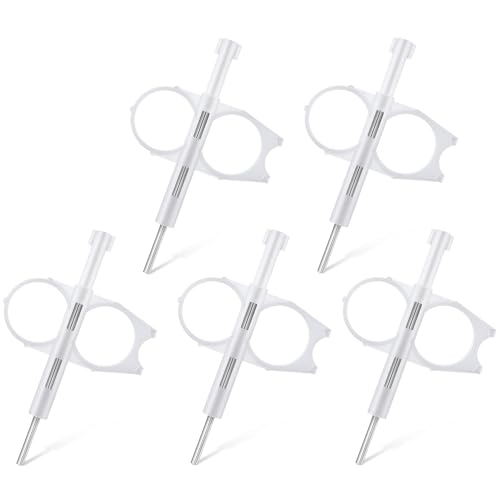
[Professional Sprinkler Adjustment Tool Set]This sprinkler head adjustment tool allows precise arc and radius tuning for lawn irrigation systems, helping improve watering accuracy and coverage
Fine‑Tune Pop‑Up Sprinklers and Fixed‑Pattern Nozzles for Precise Adjustment
If you need precise coverage from pop‑up heads or fixed‑pattern nozzles, start by pulling the stem up, clamping it securely, and clearing any debris before you begin any adjustments. Rotate the stem until the indicator dot aligns with the right edge of the watering area, then set the left edge by twisting counter‑clockwise to match the desired start point. Use the top adjustment screw to fine‑tune distance: turn clockwise to shorten, counter‑clockwise to extend, making incremental turns while water runs. For fixed‑pattern nozzles, identify the pattern marking, then align the nozzle arc with the target zone using the plus/minus screw, adjusting from 40° up to 360°. Reduce radius up to 35% via the radius screw, optimizing water usage while maximizing landscape coverage. Arc adjustment is performed using the screw marked with a plus and minus. Understanding the valve mechanism helps ensure the spray pattern activates correctly when water pressure reaches the head. Proper ceiling height assessment is essential for achieving optimal coverage and compliance with fire safety standards.

⭐【3 Pack Sprinkler Key Tool Set】This 3 pack sprinkler head tool set includes rotor adjustment screwdriver, rotor nozzles tool, adjustment tool. Designed compatible with Rain Bird and compatible with Hunter, this sprinkler head adjustment tool kit helps you easily adjust rotor heads, replace nozzles, and maintain your sprinkler system with one convenient set
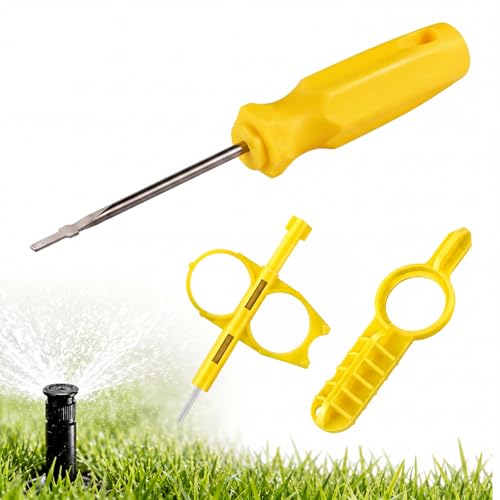
[COMPATIBLE WITH POPULAR SPRINKLER SYSTEMS] This sprinkler head tool is compatible with Hunter MP Rotator, PGP, PGH, PGM, I-20, I-25, I-40, I-60 rotors and PS series spray heads, as well as compatible with Rain Bird 3500, 5000, 5000 Plus, 5500, Falcon 6504, 7005, 8005, EAGLE 351B, 32SA, 42SA and 52SA series. Designed for common lawn irrigation repair, nozzle replacement, spray adjustment and routine sprinkler maintenance

1.GIANNEER Sprinkler Tool Set: Combination of sprinkler head adjustment tool and rotor tool, can meet the needs of lawn irrigation sprinkler maintenance!
Test, Verify, and Troubleshoot Your Sprinkler Head Adjustment
After you finish adjusting a head, turn the system on and walk the entire property, watching each sprinkler to confirm that the spray lands within its intended zone, that the turret rotates fully, and that no water lands on hard‑scape surfaces. Then inspect overall system performance: note any heads spraying pavement, house siding, or fences, and check for dry spots and oversaturated zones. If a nozzle fails to rotate, look for debris in the rotor or low pressure; clean the filter screen and lubricate the mechanism. For weak or spotty spray, remove the nozzle, clear clogs with a flat‑head screwdriver, and flush the internal filter. Replace any head with cracked bodies, loose fittings, or broken gears. Finally, re‑run the cycle to verify that all adjustments hold and that each component maintains proper alignment. Regularly test the system after repairs to ensure consistent water distribution across the lawn, and consult the sprinkler pressure chart to confirm that operating pressures remain within manufacturer specifications. Understanding your region’s soil moisture needs helps you fine‑tune irrigation for optimal plant health. Checking for mineral buildup can prevent clogs and uneven spray.

Smart Irrigation Starts Here - The Rain Bird 1804VAN 1800 Series Pack of 5 features 4-inch pop-up sprinkler heads with a fixed spray, variable arc nozzle and 1/2 in. female threaded inlet, made in the USA and built for precise irrigation in lawns, garden beds, and landscaped areas in residential and professional systems.

ADJUSTABLE ARC & SPRAY DISTANCE: Includes a preinstalled 3.0 GPM nozzle with an arc that adjusts from 40° to 360°, ideal for both full and part circle coverage. Delivers a spray distance of approximately 22 to 52 feet, with optional nozzles (sold separately) allowing further customization.

Sprinkler Head Pull Up Tool: Effortlessly lift and adjust sprinkler heads with the Spray Head Pull Up Tool, designed for easy use on buried pop up sprinklers. Compatible with Hunter, Rain Bird Sprinkler Heads, it's perfect for lawn irrigation system maintenance, nozzle replacement, rotor adjustment, and sprinkler cleaning