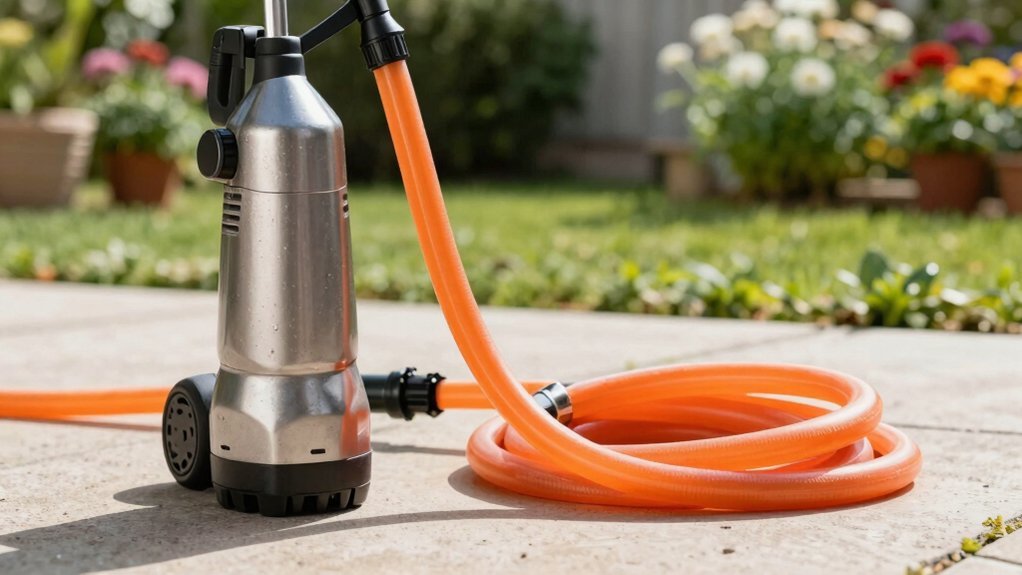
You shouldn’t toss a garden hose in the curbside recycling bin because its long, flexible body tangles conveyor belts and its mixed PVC or PU construction with metal fittings can’t be cleanly separated. The hoses also contain hazardous additives like lead and phthalates, making the recycling process unsafe and uneconomical. Most municipalities label them “non‑recyclable” and advise trash disposal. If you keep reading, you’ll uncover how to prep the metal ends for scrap and clever reuse ideas.
Should You Toss a Garden Hose in the Recycling Bin?
Should you toss a garden hose in the recycling bin? You shouldn’t. Curbside recycling limitations explicitly bar hoses because they’re classified as “tanglers” that jam material recovery facilities. Most hoses are PVC or PU (#3 or #7 plastics), resins that standard streams can’t process, and synthetic‑rubber variants lack consumer recycling options. The safest route is trash disposal, but you can also repair potentially useful hoses. Patch kits or sealant can extend a hose’s life for another season, and separating metal fittings lets you recycle those at scrap yards. Donating slightly damaged hoses to second‑hand stores also reduces waste. By keeping hoses out of recycling, you protect equipment, cut costs, and maintain facility efficiency. Rumpke offers comprehensive waste management services that include proper disposal of non‑recyclable items like garden hoses. Using a low‑flow nozzle can cut water usage by up to half, further reducing environmental impact. Check local Goodwill guidelines before donating to ensure acceptance.
Why Do Tangled Hoses Mess Up Recycling Facilities?
You’ve learned that garden hoses don’t belong in the recycling bin, and the reason is simple: they’re classified as “tanglers.” Their long, flexible bodies can coil around gears and conveyor belts, causing knots that halt automated sorting. When a hose wraps a sorting machine, it creates sorting machine interference that stops the entire line. A single tangled hose can trigger a full shutdown, forcing workers to cut it out manually, exposing them to sharp, spinning equipment. This downtime adds up; facilities lose hours each day, and repair costs rise sharply. Improper disposal practices amplify the problem, flooding plants with hoses that rank among the top five contaminants. The result is slower throughput, higher expenses, and increased safety risks for staff. Adding extra hose length can further reduce water pressure, so monitor hose diameter is essential for maintaining flow. Understanding the material impact on hose weight helps in selecting lighter options that are easier to handle and less likely to cause tangling issues. Choosing a hose with a larger flow rate can improve irrigation efficiency while still preventing tangling in recycling streams.
Why Are PVC and PU Garden Hoses Hard to Recycle?
PVC and PU garden hoses are notoriously hard to recycle because their mixed‑material construction and hazardous additives clash with standard processing streams. You’ll find PVC classified as #3 resin, yet its lead and phthalates leach during shredding, creating contaminant health risks that most municipal plants can’t handle. Metal fittings and internal braiding further prevent clean separation. PU, a #7 resin, often includes polyester layers, synthetic rubber, and reinforcements, adding multi‑material design complexity that confuses single‑stream sorters. Both plastics resist conventional pelletizing, and the toxic by‑products generated at high temperatures jeopardize worker safety. Because demand for recycled PVC and PU is low, preprocessing costs outstrip any market value, leaving you with few viable recycling options. The different thread geometry of hose connections also means that adapters often introduce additional material layers that complicate recycling. Using lead‑free hoses reduces the risk of contaminant leaching during disposal.

AWARD-WINNING: HGTV, USA Today and Best Reviews voted Best Overall Garden Hose

Premium-Grade RV Drinking Water Hose 50ft: Camco's premium-grade RV fresh water hose is constructed with NSF/ANSI 61 certified hose for drinking water. Lead, BPA, & phthalate-free, this drinking water hose prioritizes your health with every use.

3/4" PVC Garden Hose Adapter
What Do Official Garden Hose Recycling Disposal Guidelines Say?
Because PVC and PU hoses are practically impossible to process, municipalities treat them as “tanglers” and explicitly forbid curb‑side recycling. You’ll find official guidelines label hoses as non‑recyclable because they wrap around MRF discs, jam equipment, and create serious recycling contamination concerns. The Recycling Partnership, Rumpke, and Earth911 all advise you to discard hoses in the trash, not the bin. Durham, NC requires you to place hoses in garbage by 5 a.m. on collection day, and Howard County’s “Know Before You Throw” guide omits hoses entirely. These directives stem from material ineligibility issues and the high cost—over $300 K annually in some cities—of equipment damage and downtime caused by tanglers. Leaving a hose unattended can lead to water waste and increased utility bills. Drinking water from a contaminated hose can cause gastrointestinal infection if pathogens such as *E. coli* are present. Local ordinances often require residents to remove hoses from curbside collection to prevent equipment damage.
How Do I Cut Off Metal Ends for Scrap Recycling?
Wondering how to strip a garden hose’s metal fittings for scrap? Begin with metal recovery steps: test each fitting with a magnet to separate steel from non‑magnetic brass or aluminum. Score the rubber just behind the metal using a cutter or razor blade, then pry the edge with a flathead screwdriver. Grind the crimped side lightly with an angle grinder to free the brass without overheating the hose. Grip the loosened piece with pliers and twist it off; unscrew threaded ends or cut them flush with loppers if needed. Remove any plastic clamps with side cutters, then file exposed brass to reveal hidden material. Clean off residual rubber, sort by magnet test, and store brass separately—this maximizes scrap value and keeps recycling streams efficient. Brass hose ends can be sold for $2.53 per pound in Canada. Metal garden hoses offer long‑term cost savings due to their durability and resistance to kinks. Understanding the hose’s pressure rating helps ensure safe handling during metal removal. Selecting a hose with a high pressure rating ensures it can withstand the forces applied during the stripping process.

Package Include: 3 Sets female and male hose repair connector with clamp, extra 3 pack garden hose washers.

【Solid Brass Hose Quick Connect】This hose quick connectors are with solid brass construction, heavy duty and rust proof, lasts season-after-season

【Universal Fit for Standard US Hoses】: This high pressure water hose nozzle is equipped with a 3/4 Inch GHT Thread Garden Hose Quick Connector, connect fittings with rubber washers for a leak-free seal. Designed to match standard American garden hoses perfectly so that you can connect and disconnect in seconds — no tools, no hassle. The solid brass build and watertight rubber seal guarantee zero leaks.
What DIY Reuse Ideas Keep Garden Hoses Out of the Trash?
If you turn old garden hoses into functional items, you’ll keep them out of the landfill and add value to your yard. Simple storage solutions start with coiling hoses into a sturdy rack or hanging them on a wall‑mounted hook, using zip ties for neatness. Creative upcycling projects let you punch holes with an awl to make a slow‑drip irrigation mat beneath mulch, reducing evaporation. Slip hose sections over wire bucket handles as grip covers, protecting hands and tools. Weave strips into a cushy bench seat or an outdoor rug for durable flooring. Form a harvest basket base and sides with zip ties, or craft a wreath by gluing a coiled shape. These evidence‑based ideas extend hose life while minimizing waste. Three great ideas are highlighted in the video for easy implementation. Understanding the drum mechanism helps you repurpose the hose more efficiently. Proper sunlight exposure management can significantly prolong the hose’s functional lifespan. Choosing the right hose material can affect pressure loss during use.

【Premium Materials】Garden hose holder wall mount made of tough metal, rustproof and thickened, durability and last long. Ideal choice for outdoor hose storage.

【Premium Materials】Garden hose holder wall mount made of tough metal, rustproof and thickened, durability and last long. Ideal choice for outdoor hose storage.
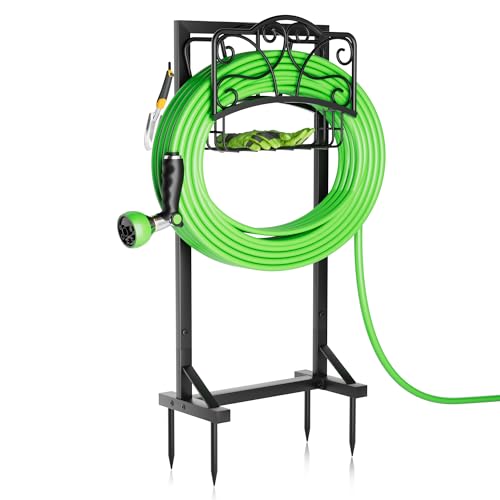
💯【Super Stable Structure】: Our garden hose holder features a reinforced Triangular Base and four 6.4 inch ground spikes. It anchors deep into your lawn, easily supporting a 160ft garden hose without leaning.
Where Can I Donate or Upcycle a Used Garden Hose Safely?
Where can you safely donate or upcycle a used garden hose? Check local reuse hubs such as the Pittsburgh Center for Creative Reuse, Construction Junction, and Habitat for Humanity ReStore—each accepts gently used, clean hoses that are free of cracks, leaks, rust, or mold.
These centers prioritize repurposing damaged hoses only when the damage is minor and the material remains non‑toxic; otherwise they reject them. When you have spare length, store unused hoses indoors, coiled away from sunlight, to keep them intact for future donation.
If a hose doesn’t meet the strict condition criteria, list it on Pittsburgh Freecycle or contact South Fayette Township for alternative disposal guidance. Verify each organization’s current hold policies before you travel, and schedule Habitat pickups with Habitat if the hose is large. This approach maximizes reuse while keeping waste out of landfills.
A longer hose can be achieved by using a high‑flow connector that minimizes pressure loss. Additionally, using a twist‑on connector ensures a secure, leak‑free joint during installation. Consider the importance of metal‑reinforced couplings for extending hose lifespan.
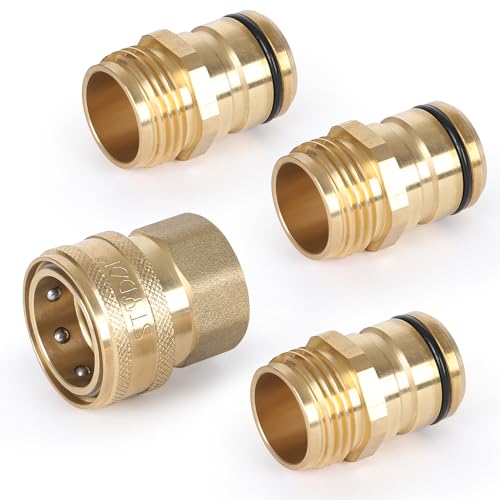
UNOBSTRUCTED FULL FLOW OF 3/4-INCH WATER VOLUME - STYDDI garden hose quick connector is perfect for 5/8" and 3/4" garden hose, providing you an unobstructed full flow of 3/4-inch water volume. It ensures a steady, consistent and adequate water flow when watering, allowing you to reach almost the commercial grade watering.

High Water Flow Rate: Experience uninterrupted watering with our brass hose splitter, designed for high water flow to maintain strong pressure from both outlets. Perfect for simultaneously running sprinklers, soaker hoses, or outdoor cleaning tools without a drop in performance.

Unlimited flow - This garden hose separator is designed with a full-channel ball valve to provide maximum flow with little to no resistance. The large ball valve diameter is 0.59 inches, and the two outlet diameters are 0.81 inches. A straight flow path does not become narrower, allowing water to flow freely and providing more water flow than a typical garden hose separator
Garden Hose Recycling Checklist Before Tossing the Hose
Because garden hoses are notorious “tanglers” that jam recycling equipment, you must follow a short checklist before tossing one. First, verify local recycling facility policies—most curbside programs reject PVC and PU hoses. Second, remove any metal couplings; recycle them separately at scrap metal yards. Third, check for repair kits or donation options; extending a hose’s life reduces waste. Fourth, bag the hose securely to prevent it from unrolling during transport. Fifth, place the bag in your regular garbage cart, not the recycling bin. Finally, stay informed through consumer education initiatives that highlight tangler items and safe disposal methods. Following these steps protects workers, prevents equipment downtime, and aligns with industry guidelines. You can also explore decorative hose reels to keep hoses organized and out of sight when not in use.

Country Of Origin : United States

RELIABLE MATERIAL - The hose storage bag is made of high quality nylon and mesh material with fine workmanship, dustproof, stain resistance and tear resistance, providing effective protection for your hoses. (ATTENTION: Hoses are NOT included)

Storage Capacity Extraordinaire: get yourself a heavy duty RV hose storage bag capable of storing a garden hose up to 70 feet long; This extraordinary storage capacity ensures no part of your hose remain scattered, promoting a neat and tidy garden area