You shouldn’t toss a garden hose in the curbside recycling bin because its long, flexible body tangles conveyor belts and its mixed PVC or PU construction with metal fittings can’t be cleanly separated. The hoses also contain hazardous additives like lead and phthalates, making the recycling process unsafe and uneconomical. Most municipalities label them “non‑recyclable” and advise trash disposal. If you keep reading, you’ll uncover how to prep the metal ends for scrap and clever reuse ideas.
Should You Toss a Garden Hose in the Recycling Bin?
Should you toss a garden hose in the recycling bin? You shouldn’t. Curbside recycling limitations explicitly bar hoses because they’re classified as “tanglers” that jam material recovery facilities. Most hoses are PVC or PU (#3 or #7 plastics), resins that standard streams can’t process, and synthetic‑rubber variants lack consumer recycling options. The safest route is trash disposal, but you can also repair potentially useful hoses. Patch kits or sealant can extend a hose’s life for another season, and separating metal fittings lets you recycle those at scrap yards. Donating slightly damaged hoses to second‑hand stores also reduces waste. By keeping hoses out of recycling, you protect equipment, cut costs, and maintain facility efficiency. Rumpke offers comprehensive waste management services that include proper disposal of non‑recyclable items like garden hoses. Using a low‑flow nozzle can cut water usage by up to half, further reducing environmental impact. Check local Goodwill guidelines before donating to ensure acceptance.
Why Do Tangled Hoses Mess Up Recycling Facilities?
You’ve learned that garden hoses don’t belong in the recycling bin, and the reason is simple: they’re classified as “tanglers.” Their long, flexible bodies can coil around gears and conveyor belts, causing knots that halt automated sorting. When a hose wraps a sorting machine, it creates sorting machine interference that stops the entire line. A single tangled hose can trigger a full shutdown, forcing workers to cut it out manually, exposing them to sharp, spinning equipment. This downtime adds up; facilities lose hours each day, and repair costs rise sharply. Improper disposal practices amplify the problem, flooding plants with hoses that rank among the top five contaminants. The result is slower throughput, higher expenses, and increased safety risks for staff. Adding extra hose length can further reduce water pressure, so monitor hose diameter is essential for maintaining flow. Understanding the material impact on hose weight helps in selecting lighter options that are easier to handle and less likely to cause tangling issues. Choosing a hose with a larger flow rate can improve irrigation efficiency while still preventing tangling in recycling streams.
Why Are PVC and PU Garden Hoses Hard to Recycle?
PVC and PU garden hoses are notoriously hard to recycle because their mixed‑material construction and hazardous additives clash with standard processing streams. You’ll find PVC classified as #3 resin, yet its lead and phthalates leach during shredding, creating contaminant health risks that most municipal plants can’t handle. Metal fittings and internal braiding further prevent clean separation. PU, a #7 resin, often includes polyester layers, synthetic rubber, and reinforcements, adding multi‑material design complexity that confuses single‑stream sorters. Both plastics resist conventional pelletizing, and the toxic by‑products generated at high temperatures jeopardize worker safety. Because demand for recycled PVC and PU is low, preprocessing costs outstrip any market value, leaving you with few viable recycling options. The different thread geometry of hose connections also means that adapters often introduce additional material layers that complicate recycling. Using lead‑free hoses reduces the risk of contaminant leaching during disposal.

AWARD-WINNING: HGTV, USA Today and Best Reviews voted Best Overall Garden Hose

Premium Grade Drinking Water Hose: Camco's premium-grade RV fresh water hose is constructed with NSF/ANSI 61 certified hose for drinking water. Lead, BPA, & phthalate-free, this quality PVC hose prioritizes your health with every use.
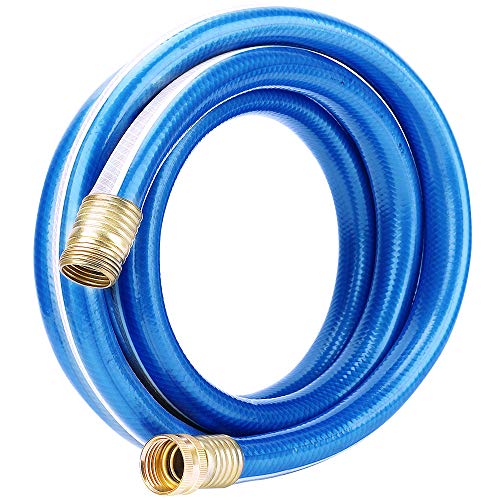
Lightweight & Flexible: This short flexible garden hose, featuring a diameter of 3/4 inch, is equipped with high-quality brass and aluminum fittings crafted from durable rubber and polymer materials. This garden hose is constructed from an innovative patented material that renders it lighter than conventional hoses. Its ultra-lightweight design allows for easy rolling and convenient storage in compact spaces, making it an ideal small water hose or leader hose extension.
What Do Official Garden Hose Recycling Disposal Guidelines Say?
Because PVC and PU hoses are practically impossible to process, municipalities treat them as “tanglers” and explicitly forbid curb‑side recycling. You’ll find official guidelines label hoses as non‑recyclable because they wrap around MRF discs, jam equipment, and create serious recycling contamination concerns. The Recycling Partnership, Rumpke, and Earth911 all advise you to discard hoses in the trash, not the bin. Durham, NC requires you to place hoses in garbage by 5 a.m. on collection day, and Howard County’s “Know Before You Throw” guide omits hoses entirely. These directives stem from material ineligibility issues and the high cost—over $300 K annually in some cities—of equipment damage and downtime caused by tanglers. Leaving a hose unattended can lead to water waste and increased utility bills. Drinking water from a contaminated hose can cause gastrointestinal infection if pathogens such as *E. coli* are present. Local ordinances often require residents to remove hoses from curbside collection to prevent equipment damage.
How Do I Cut Off Metal Ends for Scrap Recycling?
Wondering how to strip a garden hose’s metal fittings for scrap? Begin with metal recovery steps: test each fitting with a magnet to separate steel from non‑magnetic brass or aluminum. Score the rubber just behind the metal using a cutter or razor blade, then pry the edge with a flathead screwdriver. Grind the crimped side lightly with an angle grinder to free the brass without overheating the hose. Grip the loosened piece with pliers and twist it off; unscrew threaded ends or cut them flush with loppers if needed. Remove any plastic clamps with side cutters, then file exposed brass to reveal hidden material. Clean off residual rubber, sort by magnet test, and store brass separately—this maximizes scrap value and keeps recycling streams efficient. Brass hose ends can be sold for $2.53 per pound in Canada. Metal garden hoses offer long‑term cost savings due to their durability and resistance to kinks. Understanding the hose’s pressure rating helps ensure safe handling during metal removal. Selecting a hose with a high pressure rating ensures it can withstand the forces applied during the stripping process.

Package Include: 3 Sets female and male hose repair connector with clamp, extra 3 pack garden hose washers.

PACKAGE INCLUDING female garden hose repair kit*3, male garden hose repair kit*3, hose repair clamps*6, and extra garden hose rubber washers*6.

Durable Chrome Vanadium construction
What DIY Reuse Ideas Keep Garden Hoses Out of the Trash?
If you turn old garden hoses into functional items, you’ll keep them out of the landfill and add value to your yard. Simple storage solutions start with coiling hoses into a sturdy rack or hanging them on a wall‑mounted hook, using zip ties for neatness. Creative upcycling projects let you punch holes with an awl to make a slow‑drip irrigation mat beneath mulch, reducing evaporation. Slip hose sections over wire bucket handles as grip covers, protecting hands and tools. Weave strips into a cushy bench seat or an outdoor rug for durable flooring. Form a harvest basket base and sides with zip ties, or craft a wreath by gluing a coiled shape. These evidence‑based ideas extend hose life while minimizing waste. Three great ideas are highlighted in the video for easy implementation. Understanding the drum mechanism helps you repurpose the hose more efficiently. Proper sunlight exposure management can significantly prolong the hose’s functional lifespan. Choosing the right hose material can affect pressure loss during use.

【Premium Materials】Garden hose holder wall mount made of tough metal, rustproof and thickened, durability and last long. Ideal choice for outdoor hose storage.

Unbeatable Stability: This waterhose holder features a triangular base and 4 lengthened ground stakes for firm anchoring in lawns, soil or soft ground, staying stable without easily tilting or wobbling even with a full, water-filled heavy hose.

NO MORE HUNTING FOR YOUR NOZZLE. More than a water hose hanger, this wall mount water hose holder for outside adds an enclosed storage compartment, so nozzles, garden gloves, and small watering accessories stay right with your hose.
Where Can I Donate or Upcycle a Used Garden Hose Safely?
Where can you safely donate or upcycle a used garden hose? Check local reuse hubs such as the Pittsburgh Center for Creative Reuse, Construction Junction, and Habitat for Humanity ReStore—each accepts gently used, clean hoses that are free of cracks, leaks, rust, or mold.
These centers prioritize repurposing damaged hoses only when the damage is minor and the material remains non‑toxic; otherwise they reject them. When you have spare length, store unused hoses indoors, coiled away from sunlight, to keep them intact for future donation.
If a hose doesn’t meet the strict condition criteria, list it on Pittsburgh Freecycle or contact South Fayette Township for alternative disposal guidance. Verify each organization’s current hold policies before you travel, and schedule Habitat pickups with Habitat if the hose is large. This approach maximizes reuse while keeping waste out of landfills.
A longer hose can be achieved by using a high‑flow connector that minimizes pressure loss. Additionally, using a twist‑on connector ensures a secure, leak‑free joint during installation. Consider the importance of metal‑reinforced couplings for extending hose lifespan.
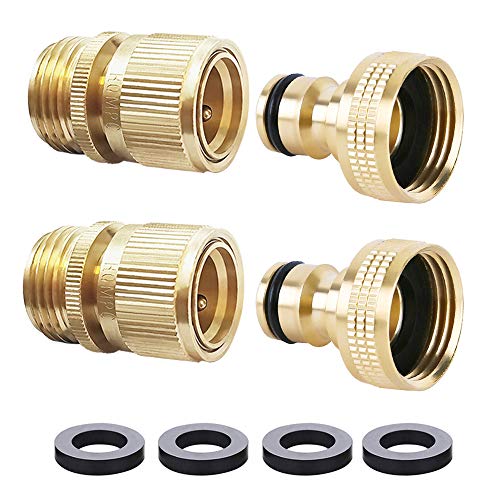
★【Standard 3/4 Inch GHT Garden Hose Quick Connect】-This garden hose quick connect sets including 2 brass female connectors + 2 brass male connectors+4 free washers. rubber washer size is OD 1.02" ID 0.63", Thickness 0.158",Use this hose quick connect fittings You can enjoy it work perfectly with any standard garden hose,hose splitter, hose sprayer,hose bibs and watering devices.

Package Include: 1 pack garden hose adapter with shut off balves and 2 pressure washers.
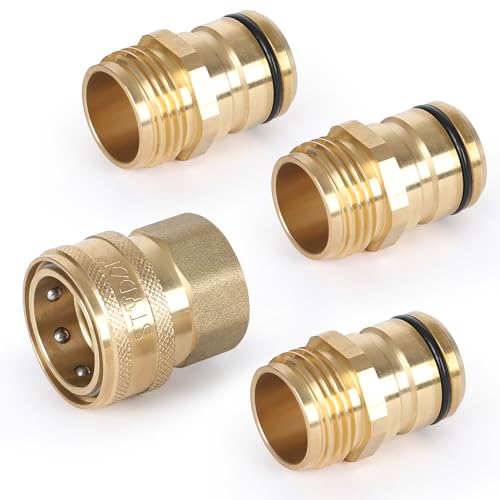
UNOBSTRUCTED FULL FLOW OF 3/4-INCH WATER VOLUME - STYDDI garden hose quick connector is perfect for 5/8" and 3/4" garden hose, providing you an unobstructed full flow of 3/4-inch water volume. It ensures a steady, consistent and adequate water flow when watering, allowing you to reach almost the commercial grade watering.
Garden Hose Recycling Checklist Before Tossing the Hose
Because garden hoses are notorious “tanglers” that jam recycling equipment, you must follow a short checklist before tossing one. First, verify local recycling facility policies—most curbside programs reject PVC and PU hoses. Second, remove any metal couplings; recycle them separately at scrap metal yards. Third, check for repair kits or donation options; extending a hose’s life reduces waste. Fourth, bag the hose securely to prevent it from unrolling during transport. Fifth, place the bag in your regular garbage cart, not the recycling bin. Finally, stay informed through consumer education initiatives that highlight tangler items and safe disposal methods. Following these steps protects workers, prevents equipment downtime, and aligns with industry guidelines. You can also explore decorative hose reels to keep hoses organized and out of sight when not in use.

RELIABLE MATERIAL - The hose storage bag is made of high quality nylon and mesh material with fine workmanship, dustproof, stain resistance and tear resistance, providing effective protection for your hoses. (ATTENTION: Hoses are NOT included)

PROVEN QUALITY: Family-owned-and-operated, DURASACK has been a leader in the bag and packaging industry since 1876. Customers have trusted us to provide the highest quality bags for almost 150 years.
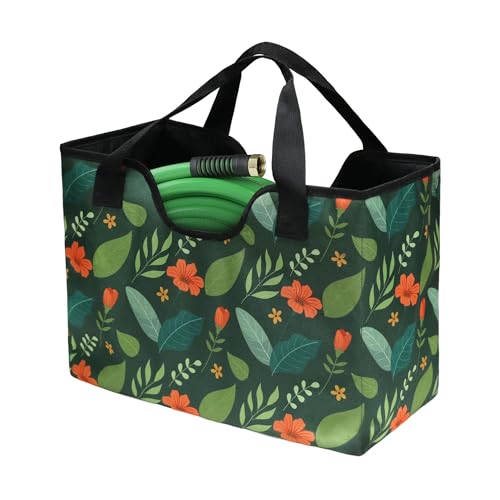
Durable Construction for Garden, RV & Outdoor Use: Made of heavy-duty double-layer Oxford fabric, this hose storage bag is highly durable and built for outdoor conditions. Perfect for long-term use in your yard, RV trips, and camping, shielding hoses from daily wear and tear far better than standard bags.